
Wondering about the price of sandblasting a car? The cost to sandblast a car can range from $800 to $5,000 or more, depending on many factors like the size of the vehicle, the extent of rust or paint, and the shop’s location. This process is vital for many classic car restorations and custom builds, offering a clean slate for new paint and rustproofing.
Sandblasting is a powerful cleaning method. It uses a stream of abrasive material propelled at high speed. This stream hits a surface, like a car’s metal body. It blasts away old paint, rust, dirt, and other contaminants. It’s a thorough way to prepare metal for a new finish.
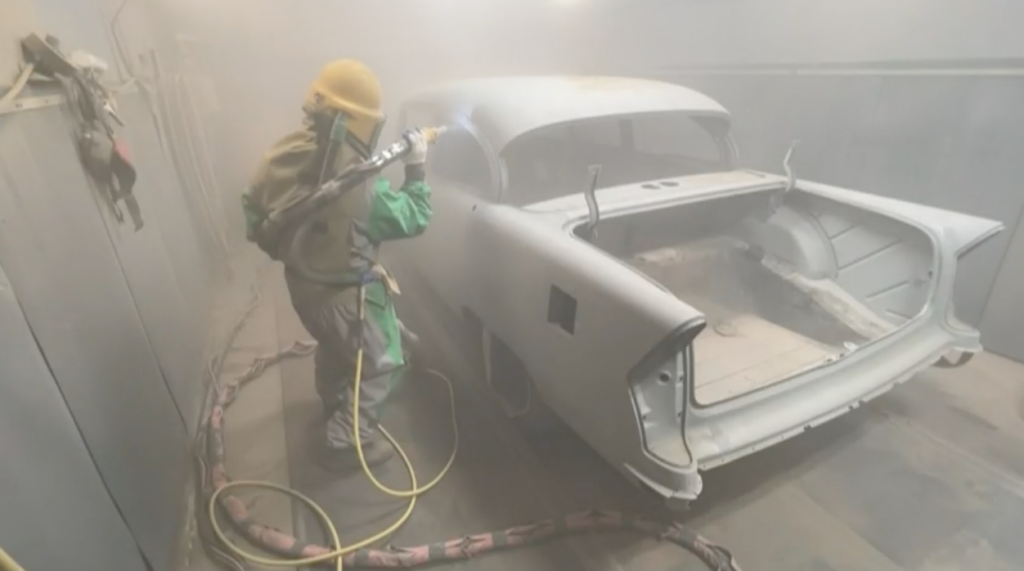
Image Source: www.americandrystripping.com
Deciphering the Factors Influencing Sandblasting Costs
Several key elements determine the overall cost of sandblasting a car. It’s not a one-size-fits-all price. Knowing these factors helps you budget effectively for your automotive project.
Vehicle Size and Type
Larger vehicles naturally require more time and abrasive material. A small sports car will cost less to sandblast than a large SUV, pickup truck, or vintage van. The complexity of the vehicle’s shape also plays a role. More intricate body lines and hard-to-reach areas take longer to blast thoroughly.
- Small Cars (e.g., coupes, sedans): Generally at the lower end of the price spectrum.
- Medium Cars (e.g., larger sedans, small SUVs): Mid-range pricing.
- Large Vehicles (e.g., trucks, vans, large SUVs): Will command higher prices due to increased surface area and potential for more damage.
- Classic Cars with Intricate Designs: May incur higher costs due to the time needed for detailed work.
Condition of the Vehicle
The starting condition of your car is a major cost driver. A car with light surface rust and a few layers of paint will be cheaper to blast than one with deep, extensive rust, heavy undercoating, or multiple layers of hardened paint and filler.
- Surface Rust: Relatively easier and quicker to remove.
- Deep Rust/Corrosion: Requires more aggressive blasting and potentially more abrasive material, increasing labor time and costs.
- Heavy Undercoating: Often tough to remove and can require specialized blasting media or techniques.
- Previous Bodywork (Bondo, filler): Sandblasting can remove filler, but heavily filled areas might need extra attention or may reveal underlying damage.
Sandblasting Media Used
The type of abrasive material used impacts both the cost and the effectiveness of the sandblasting process. Different media are suited for different tasks.
- Sand (Silica Sand): Historically common, but often phased out due to health concerns (silicosis). It’s generally the cheapest option but can be harsh.
- Glass Beads: Offer a smoother finish and are good for delicate surfaces. They are moderately priced.
- Aluminum Oxide: A harder abrasive, effective for stubborn paint and rust. It’s a popular choice and moderately priced.
- Walnut Shells: A softer, eco-friendly option. Good for stripping paint without damaging the underlying metal, but can be more expensive and might require more passes.
- Dry Ice Blasting: The most expensive option, but it’s non-abrasive and leaves no residue. It’s ideal for very sensitive restorations or when you want to avoid any metal distortion.
- Soda Blasting: Another gentler option, effective for paint removal and mild rust. It’s mid-range in cost.
The choice of media depends on the desired outcome and the metal’s condition. A shop will advise on the best media for your specific needs.
Labor Costs and Shop Rates
The hourly rates of sandblasting services vary significantly by region and the shop’s reputation. Skilled technicians are essential for a quality job, especially on classic cars where preserving the metal’s integrity is crucial.
- Geographic Location: Shops in metropolitan areas or regions with a higher cost of living typically charge more.
- Shop Expertise: Highly specialized shops with extensive experience in automotive restoration may charge a premium for their skill and specialized equipment.
- Labor Time: This is the most significant cost component. It depends on the vehicle’s size, condition, and the complexity of the job.
Scope of Work
Are you sandblasting the entire car body? Or just specific parts like the frame, chassis, or wheels? The extent of the work directly affects the price.
- Full Body Strip: Sandblasting the entire exterior and possibly interior of the car’s shell. This is the most comprehensive and costly option.
- Partial Sandblasting: Focusing on specific areas, such as tackling vehicle rust removal on the frame or stripping old paint from panels. This will be less expensive than a full body job.
- Engine Bay/Undercarriage: These areas can be more challenging due to their complexity and access, potentially increasing labor costs.
Additional Services
Often, sandblasting is part of a larger restoration process. You might consider adding services like:
- Powder Coating: After sandblasting, metal parts can be powder-coated for a durable and attractive finish.
- Priming/Sealing: Applying a protective primer or sealant immediately after sandblasting is crucial to prevent flash rust. Some shops include this, others charge extra.
- Media Containment and Cleanup: Professional shops factor in the cost of containing the abrasive media and thorough cleanup.
Typical Car Sandblasting Prices: A Breakdown
Let’s delve into some typical price ranges and what they might entail. These are estimates and can fluctuate.
Cost to Sandblast a Car Body
For a complete body strip, expect the auto body sandblasting prices to range from $1,500 to $5,000+. This includes stripping all paint, rust, and grime from the exterior panels. The price will be on the lower end for smaller, less corroded cars and on the higher end for larger, more severely rusted vehicles or those with multiple layers of old paint and body filler.
Sandblasting a Vehicle Cost (General)
When considering sandblasting a vehicle cost more broadly, including smaller components or more specific areas, the price can be lower. For example, sandblasting a car frame might cost $500 to $1,500, depending on its size and rust level.
Sandblasting Metal Car Cost
If you’re sandblasting just specific metal parts, like wheels, suspension components, or even an engine block, sandblasting metal car cost can vary greatly. Individual parts might range from $50 to $300 each, depending on size and complexity.
Sandblasting Car Paint Removal Cost
The primary purpose for many is sandblasting car paint removal cost. This alone can constitute a significant portion of the total job. If the car has many layers of paint, especially old enamel or lacquer, it will take longer and cost more than a car with just a few layers of modern paint. For a full car, this aspect alone can be $1,000 to $3,000+.
Sandblasting Restoration Cost
When factoring sandblasting car restoration cost, it’s crucial to remember it’s often an initial step. The cost of sandblasting itself is part of the larger restoration budget, which also includes rust repair, metal fabrication, bodywork, priming, and painting. Sandblasting might represent 10-20% of the total restoration cost for a major project.
Vehicle Rust Removal Cost
Sandblasting is a highly effective method for vehicle rust removal cost. For a full car, the rust removal component integrated into the sandblasting price could add $300 to $1,500+, depending on the severity of the rust. Deep rust requires more aggressive media and more time.
Sandblasting Services Cost
Looking at sandblasting services cost more generally, smaller jobs or shops that specialize in industrial sandblasting might have different pricing structures. However, for automotive applications, the rates are generally aligned with the specialized nature of the work.
Why Choose Sandblasting for Your Car?
Sandblasting offers several compelling advantages for automotive enthusiasts and restorers.
Superior Surface Preparation
Sandblasting creates an ideal surface for new paint or coatings. It removes all traces of old finishes, rust, and contaminants, providing a clean, uniform profile that promotes excellent adhesion. This means your new paint job will last longer and look better.
Effective Rust and Contaminant Removal
For vehicle rust removal cost, sandblasting is often one of the most efficient methods. It can reach into nooks and crannies that manual scraping or chemical removers cannot, blasting away corrosion at its source. It also removes old undercoating, grease, and grime effectively.
Cost-Effectiveness in the Long Run
While the upfront automotive sandblasting cost might seem high, it can save money in the long run. A properly sandblasted and prepared surface leads to a more durable paint finish, reducing the need for premature repainting or costly repairs due to poor adhesion or underlying rust.
Versatility
Sandblasting can be adapted to various needs. Different abrasive media allow for different levels of aggression, making it suitable for stripping paint from a whole car, cleaning specific metal components, or preparing a chassis for a new coating.
What to Expect from a Professional Sandblasting Service
When you take your car to a professional shop for sandblasting, here’s what you can typically anticipate.
Consultation and Quote
A good shop will first inspect your vehicle. They’ll assess the extent of paint, rust, and any existing bodywork. Based on this inspection, they’ll provide a detailed quote outlining the scope of work, the media to be used, and the estimated timeframe.
Preparation and Containment
The vehicle will be carefully prepared. This might involve masking off windows, lights, and any other parts you don’t want blasted. Professional shops use specialized containment systems to manage the abrasive media and dust, ensuring a cleaner work environment and easier cleanup.
The Sandblasting Process
The actual sandblasting is done by skilled technicians using specialized equipment. They will move across the car’s surface systematically, ensuring even coverage and thorough removal of contaminants. The process can be noisy and dusty, hence the need for protective gear for workers and containment for the vehicle.
Post-Blasting Treatment
Immediately after sandblasting, the metal surface is highly susceptible to flash rust. Professional shops will typically apply a rust inhibitor or a primer to protect the bare metal until further work can be done. This is a critical step.
Cleanup
The shop will perform a thorough cleanup of the abrasive media and dust from the vehicle and the surrounding area.
Alternatives to Sandblasting and Their Costs
While sandblasting is a top choice, other methods exist, each with its own cost and effectiveness.
Chemical Stripping
- Process: Uses chemical agents to dissolve paint.
- Cost: Generally less expensive than sandblasting, typically $500 – $1,500 for a full car.
- Pros: Can be effective for paint removal, less risk of damaging metal.
- Cons: Chemicals can be hazardous, requires thorough rinsing and neutralization, may not remove rust effectively, can be labor-intensive for deep rust.
Media Blasting (Other Than Sand)
As discussed earlier, methods like soda blasting or walnut shell blasting are alternatives.
- Soda Blasting: Gentle, good for aluminum or delicate surfaces. Costs can be similar to or slightly higher than sandblasting, $1,000 – $3,000 for a full car.
- Walnut Shell Blasting: Eco-friendly, leaves a smoother finish. Can be more expensive than sandblasting, $1,500 – $4,000 for a full car.
Manual Removal (Grinding, Sanding)
- Process: Using angle grinders, sanders, and wire brushes.
- Cost: Primarily labor cost, which can be very high if done professionally, potentially $2,000 – $6,000+ for a full car due to the sheer time involved.
- Pros: Can be done DIY.
- Cons: Extremely labor-intensive, difficult to reach all areas, can easily damage metal if not done carefully, less effective for deep rust.
DIY Sandblasting: Considerations and Costs
Can you do it yourself? Yes, but with significant caveats.
Equipment Costs
You’ll need a sandblaster (pressure pot or siphon feed), an air compressor (powerful enough to keep up with the sandblaster), protective gear (respirator, eye protection, gloves, suit), and abrasive media.
- Entry-level DIY setup: Could cost $500 – $1,500 for a compressor and basic sandblaster.
- Higher-quality, more powerful equipment: Can easily run into $2,000 – $5,000+.
- Abrasive Media: Ongoing cost, varies based on type and quantity.
Time and Effort
DIY sandblasting is incredibly time-consuming and physically demanding. It requires patience and skill to achieve a uniform finish without damaging the metal. You’ll also need a suitable location with good ventilation and containment for the media.
Effectiveness
Achieving professional results with DIY equipment is challenging. Smaller, less powerful compressors may struggle to maintain consistent pressure, leading to uneven blasting. Proper technique is also crucial to avoid warping thin metal.
Safety
Sandblasting generates a lot of dust, including potentially harmful silica if using sand. Strict adherence to safety protocols, including proper respiratory protection, is paramount.
Factors That Increase the Sandblasting Cost
Some situations will inevitably push the car sandblasting prices higher.
- Extensive Rust Perforation: If rust has eaten through the metal, requiring welding and metal replacement after blasting, this adds significantly to the overall restoration cost, though not directly to the blasting quote itself.
- Lead Paint or Asbestos: Older vehicles might contain lead-based paints or asbestos in undercoatings. These require specialized handling and disposal procedures, which professionals will charge extra for due to safety regulations.
- Complex Body Kits or Modifications: Aftermarket body kits, widebody conversions, or custom metalwork can increase the complexity and time needed for blasting.
- Engine Bays and Undercarriages: These areas are often more intricate, harder to access, and may have more grease and grime buildup, leading to higher labor costs.
- Blast Media Contamination: If you previously used a media that is difficult to remove or reacts with new media, it can increase costs.
How to Get the Best Value for Your Sandblasting Investment
To ensure you’re getting good value for your money when paying for automotive sandblasting cost, follow these tips.
- Get Multiple Quotes: Contact several reputable shops in your area. Compare their quotes, not just on price but also on the scope of work included, the media they propose to use, and their turnaround time.
- Check Reviews and Ask for References: Look for shops with positive reviews and a strong track record in automotive restoration. Ask for photos of their previous work or even contact information for past clients.
- Understand What’s Included: Ensure the quote clearly states what services are included. Does it cover media containment, cleanup, and immediate rust prevention?
- Discuss the Media: Talk to the shop about why they recommend a particular abrasive media for your car. A good shop will explain the benefits and drawbacks.
- Consider the Timing: If your car is particularly rusty, factor in potential additional costs for minor rust repair that might be uncovered during blasting.
- Ask About Turnaround Time: Sandblasting can take several days to weeks, depending on the shop’s workload and the vehicle.
Conclusion: Investing in a Clean Slate
The cost to sandblast a car body is an investment in the longevity and aesthetic quality of your vehicle. While the figures can seem substantial, the benefits of a professionally sandblasted surface—perfect adhesion for paint, thorough rust removal, and a clean canvas for your project—are invaluable for any serious restoration or custom build. By carefully considering the factors involved and getting quotes from reputable professionals, you can ensure you’re making a wise decision for your prized automobile. Whether you’re tackling a full-blown sandblasting car restoration cost or just aiming for effective vehicle rust removal cost, sandblasting is often the most effective first step.
Frequently Asked Questions (FAQ)
Q1: Will sandblasting damage my car’s metal?
A1: When performed by skilled professionals using the appropriate media and pressure, sandblasting should not damage the metal. However, using overly aggressive media or excessive pressure, especially on thin metal, can cause warping or etching. A good shop will select the right media for your car’s specific metal condition.
Q2: How long does it take to sandblast a car?
A2: The time required varies greatly. A small car with light rust might take 2-3 days, while a larger vehicle with heavy corrosion could take a week or more. This also depends on the shop’s workflow and equipment.
Q3: Can I sandblast the interior of my car?
A3: Yes, the interior can also be sandblasted, especially if there’s rust or old sound deadening material to remove. However, this often requires more careful masking to protect delicate components and can add to the overall cost.
Q4: What is the difference between sandblasting and media blasting?
A4: Sandblasting specifically refers to using sand as the abrasive medium. Media blasting is a broader term that includes using various abrasive materials like glass beads, walnut shells, soda, or even dry ice. The choice of media impacts the outcome and cost.
Q5: How do I protect my car from rust after sandblasting?
A5: Immediately after sandblasting, the bare metal needs protection. A rust inhibitor, a self-etching primer, or epoxy primer should be applied as soon as possible, ideally within a few hours, to prevent flash rust from forming. Professional shops typically include this as part of their service or offer it as an add-on.
Q6: Is sandblasting the best way to remove old paint?
A6: Sandblasting is one of the most effective and thorough ways to remove old paint and other coatings. It provides a clean, consistent surface that’s ideal for refinishing. Other methods like chemical stripping or sanding exist, but sandblasting offers speed and depth of cleaning.
Q7: What happens if my car has lead paint or asbestos?
A7: If lead paint or asbestos is suspected, inform the sandblasting shop immediately. These materials require specialized handling and disposal procedures due to health risks and environmental regulations. This will likely incur additional costs.
Q8: Can I sandblast a fiberglass car?
A8: Sandblasting is generally not recommended for fiberglass. The abrasive nature of the process can damage the fiberglass material. Other stripping methods are more suitable for fiberglass.
Q9: Does sandblasting remove body filler (Bondo)?
A9: Yes, sandblasting will remove body filler. However, extensive use of filler might indicate underlying rust or damage that will be revealed after blasting. The filler itself can also be consumed by the abrasive process, potentially requiring more media.
Q10: How do I choose the right sandblasting shop?
A10: Look for shops with specific experience in automotive restoration. Check their reviews, ask for references, view their past work, and ensure they have proper insurance and safety protocols. A good conversation about your project and their proposed methods is crucial.