
So, how much does it cost to dye leather car seats? The leather seat dyeing cost can range anywhere from $200 for a DIY kit to $1,500 or more for professional recoloring, depending on the condition of the seats, the color change complexity, and whether you hire a professional or do it yourself. This article will explore the factors influencing the cost to dye car interior leather seats, helping you make an informed decision.
Dying your leather car seats can breathe new life into a worn-out interior. Whether your seats are faded, stained, or you simply want a change of scenery, dyeing is a viable option. However, the cost of leather dye for cars and the associated labor can vary significantly. Let’s dive deep into what influences these costs.
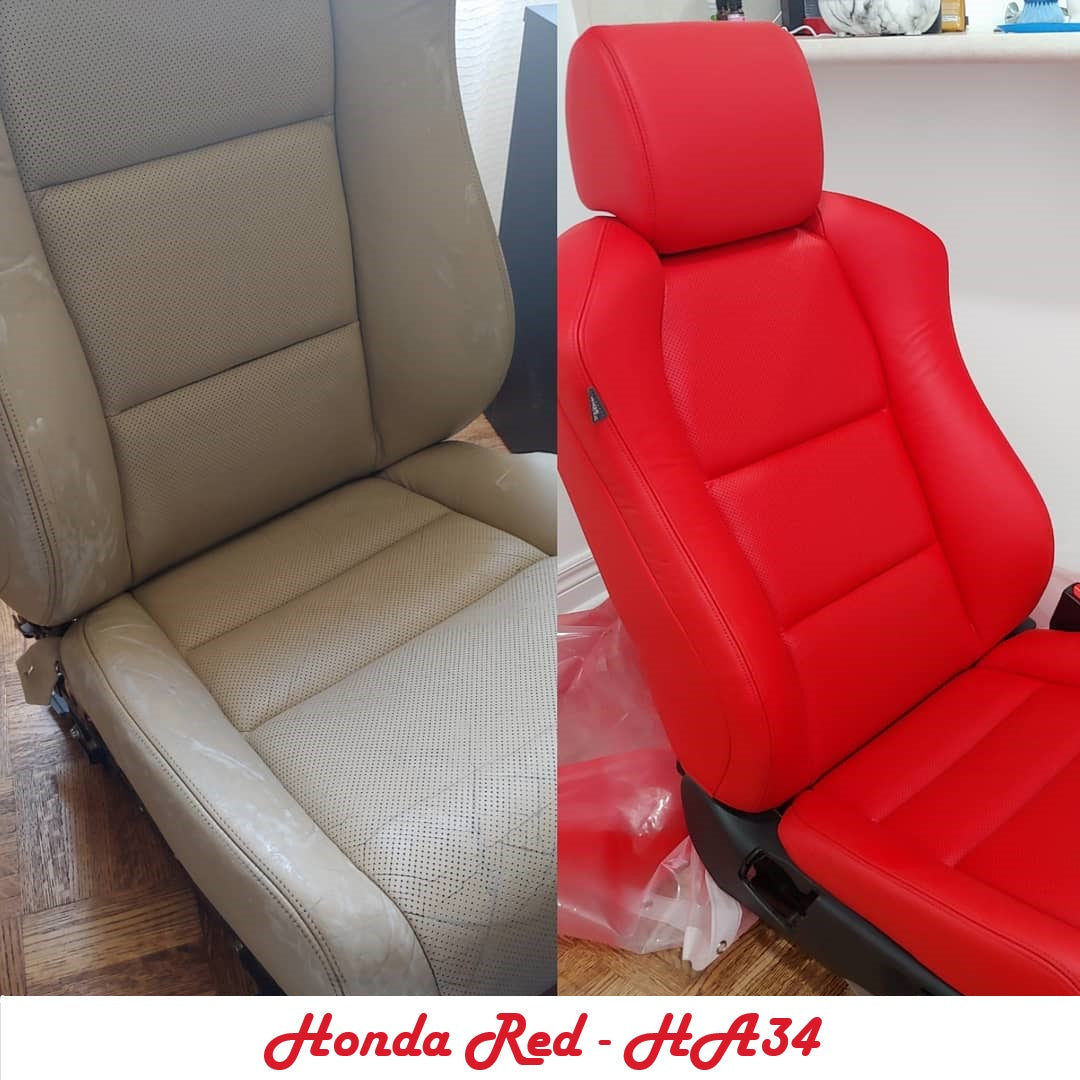
Image Source: autoleatherdye.com
Factors Affecting Leather Seat Dyeing Cost
Several key elements play a crucial role in determining the final price tag for dyeing your leather car seats.
Condition of the Leather
The initial state of your leather seats is a primary cost driver.
- Minor Fading/Scuffs: If your seats have light fading or superficial scuffs, the preparation process will be less intensive. This generally leads to lower labor and material costs.
- Deep Scratches/Cracks: Significant damage like deep scratches, tears, or cracking requires more extensive repair work before dyeing can even begin. This involves filling, sanding, and priming, all of which add to the leather seat restoration cost.
- Heavy Stains/Wear: Stubborn stains or heavily worn areas might need specialized cleaning agents or even minor patching, increasing the time and materials needed.
Color Change Complexity
The transition from one color to another significantly impacts the leather car upholstery dyeing cost.
- Similar Color Match: Dyeing your seats a similar shade or a slightly darker hue is usually the most straightforward and cost-effective. It typically requires fewer coats of dye.
- Lightening a Dark Color: Transitioning from a dark color (like black or dark brown) to a lighter shade (like tan or cream) is more challenging. This process often requires multiple stages of stripping and bleaching, which can be time-consuming and more expensive.
- Drastic Color Changes: Going from light to dark or vice-versa, especially with vibrant or unusual colors, demands meticulous application and potentially more coats to achieve even coverage.
DIY vs. Professional Service
The choice between tackling the project yourself or hiring an expert will heavily influence the leather seat dyeing cost.
DIY Leather Seat Dyeing
For the budget-conscious, a DIY leather seat dye price can be significantly lower. A typical leather dye kit for cars price can range from $20 to $100, depending on the brand and the size of the kit. These kits usually include dye, sealant, applicators, and sometimes cleaning solutions.
Pros of DIY:
- Cost Savings: The most apparent advantage is saving on labor costs.
- Control: You have direct control over the process and timeline.
- Satisfaction: The pride of a job well done can be rewarding.
Cons of DIY:
- Time Commitment: Dying car seats is a labor-intensive process that can take several hours, if not a full weekend.
- Skill Required: Achieving a professional, even finish requires patience, attention to detail, and proper technique. Mistakes can be costly to fix.
- Material Quality: While kits are available, the quality of the dye and sealants might not match professional-grade products.
- Risk of Error: Uneven color, streaks, or poor adhesion are common issues for beginners.
Typical DIY Costs:
- Leather Dye Kit: $20 – $100
- Cleaning Supplies (Degreaser, Alcohol): $10 – $20
- Sandpaper/Scuff Pads: $5 – $10
- Masking Tape/Plastic Sheeting: $10 – $20
- Applicators (Sponges, Brushes, Airbrush): $20 – $50 (if not included)
- Total DIY Estimate: $65 – $200
Professional Leather Seat Recoloring
Hiring a professional detailer or auto upholstery specialist offers convenience and a higher likelihood of a flawless finish. The professional leather seat recoloring cost is where the higher end of the price spectrum lies.
Pros of Professional Service:
- Expertise: Professionals have the knowledge, experience, and specialized tools to achieve superior results.
- Quality Materials: They typically use high-grade automotive leather dyes and conditioners, ensuring durability and a factory-like finish.
- Time Savings: You save your own time and effort.
- Warranty/Guarantee: Reputable shops often offer a warranty on their work.
Cons of Professional Service:
- Higher Cost: This is the most significant drawback compared to DIY.
- Scheduling: You’ll need to schedule an appointment and may be without your vehicle for a day or more.
Average Professional Costs:
The cost to change car seat color professionally can be broken down by the number of seats and the complexity.
- One or Two Front Seats: $400 – $800
- Full Set (Front and Rear): $700 – $1,500+
- Additional Panels (Door Inserts, Armrests): May incur extra charges, often $50 – $150 per panel.
These figures are estimates, and the exact automotive leather dye prices charged by professionals will vary based on location, shop reputation, and the specific services included.
The Dyeing Process: What You’re Paying For
Whether you DIY or go pro, the process generally involves several key steps, each contributing to the overall leather seat restoration cost.
1. Thorough Cleaning and Degreasing
This is the foundational step. All dirt, oils, and residues must be removed for the dye to adhere properly. Professionals use specialized cleaners and degreasers, ensuring a completely clean surface.
2. Preparation and Repair
- Scuffing/Sanding: The leather surface is lightly scuffed to create a better profile for dye adhesion.
- Repairing Damage: Cracks, scratches, or tears are repaired using fillers, adhesives, and flexible compounds. This step is crucial for the longevity of the dye job and significantly impacts the leather seat restoration cost.
3. Dye Application
This is where the color transformation happens.
- Multiple Thin Coats: Dye is typically applied in several thin, even coats rather than one thick one. This ensures consistent color and prevents cracking or peeling.
- Application Methods: Professionals might use airbrushes for a smooth, even finish, while DIY kits often come with sponges or foam applicators.
4. Sealing and Conditioning
Once the dye has dried, a sealant or topcoat is applied to protect the color from wear, UV rays, and moisture. Leather conditioners are then used to restore the suppleness and natural feel of the leather.
When is Dyeing the Best Option?
Dyeing is an excellent solution for specific interior issues:
- Faded Leather: Sun exposure is a common culprit for fading. Dyeing can restore the original vibrant color.
- Minor Wear and Tear: Surface scuffs and light scratches can often be masked or repaired before dyeing.
- Color Change Desire: If you’re simply bored with your current interior color and want a refresh.
- Stains: Ink, dye transfer from clothing, or food stains can be effectively covered with a new dye coat.
However, dyeing is not a magic bullet for severely damaged leather. If your seats have significant rips, tears, or degraded leather (where the material feels brittle or is peeling away in large sections), reupholstering or replacing the seats might be a more practical and long-term solution. The cost to dye car interior elements might seem appealing, but sometimes a complete overhaul is more economical in the long run.
Cost of Leather Dye for Cars: DIY vs. Professional – A Comparison
Let’s break down the typical costs in a more comparative format.
| Service Type | Estimated Cost Range (USD) | What’s Typically Included | Key Considerations |
|---|---|---|---|
| DIY Dye Kit | $20 – $100 | Dye, sealant, applicators, basic instructions. | Requires significant time, effort, and skill for a good finish. Risk of error is higher. Material quality may be lower than professional-grade. |
| Professional (Partial) | $400 – $800 | Thorough cleaning, prep, repair (minor), dye application, sealing, conditioning for 1-2 seats. | Good for refreshing specific seats or tackling moderate damage. Expertise ensures a quality finish. |
| Professional (Full) | $700 – $1,500+ | Comprehensive cleaning, extensive prep, repair, multi-coat dye application, sealing, conditioning for all seats. | Best for a complete interior color transformation or significant wear and tear across all seats. Highest likelihood of a factory-perfect finish. |
| Leather Seat Restoration Cost (General) | Varies widely | Can include dyeing, patching, crack repair, re-dyeing, conditioning. | Dependent on the extent of damage and specific services required. Dyeing is often a component of larger restoration projects. |
Can You Dye Leather Car Seats Yourself?
Yes, you absolutely can dye leather car seats yourself. The availability of quality leather dye kits for cars makes it an accessible option for many car owners. However, success hinges on meticulous preparation, patience, and following instructions precisely. Many online tutorials and forums can guide you through the process, offering tips on achieving the best results with a DIY leather seat dye price.
What is the Best Leather Dye for Cars?
There isn’t a single “best” brand, as it depends on your needs and budget. However, reputable brands known for automotive leather dyes include:
- Leatherique: Often praised for its conditioning properties alongside its dyes.
- ColorBond: Known for its wide range of automotive interior colors and durability.
- Fiebings (Pro-Dye): While more common for leather goods, their dyes can be used with proper prep and sealing for automotive interiors.
When selecting a dye, ensure it’s specifically formulated for automotive leather, as it needs to be flexible and resistant to cracking and fading from sun exposure.
Professional Leather Seat Recoloring Cost: What to Expect
When you opt for professional service, the cost to dye car interior leather seats reflects the expertise and quality of materials used. A professional detailer or upholstery shop will typically:
- Inspect the Seats: Assess the condition, identify any damage, and discuss your desired color.
- Deep Clean: Use specialized products to remove all contaminants.
- Surface Preparation: Lightly abrade the leather for optimal adhesion.
- Repair Imperfections: Address any cracks, scuffs, or minor tears.
- Masking: Carefully protect areas not being dyed (carpets, trim, buttons).
- Dye Application: Apply multiple thin, even coats, often with an airbrush.
- Finishing: Apply a protective sealant and conditioner.
The automotive leather dye prices charged by professionals are justified by these comprehensive steps and the guarantee of a high-quality, durable finish.
Cost of Leather Dye for Cars: Beyond the Dye Itself
Remember that the dye itself is only part of the equation. Consider these additional costs, especially for DIY projects:
- Applicators: High-quality sponges, foam pads, or even an airbrush kit.
- Adhesion Promoters/Primers: Essential for certain color changes or if the leather is particularly smooth.
- Topcoats/Sealants: Crucial for durability and preventing dye transfer.
- Leather Conditioners: To maintain the suppleness after dyeing.
- Protective Gear: Gloves, masks, and eye protection.
Leather Seat Restoration Cost: When Dyeing is Part of a Bigger Picture
Sometimes, dyeing is just one component of a larger leather seat restoration cost. If your seats have:
- Cracked Leather: Requires fillers and flexible compounds to rebuild the surface.
- Worn Through Areas: May need patching or insertion of new leather.
- Degraded Dye: If the original dye has completely worn away in patches.
In these cases, the cost will be significantly higher than a simple color refresh. Professionals will first address the structural issues before proceeding with dyeing. This can push the leather car upholstery dyeing cost into the thousands for extensive restorations.
Changing Your Car’s Interior Color: Considerations
When you decide to cost to change car seat color, think about:
- Resale Value: A professional, well-executed color change that matches popular tastes can increase resale value. A poorly done DIY job might decrease it.
- Durability: Invest in quality products or professional services for a finish that lasts.
- Maintenance: Dyed leather still requires regular cleaning and conditioning.
Frequently Asked Questions (FAQ)
Q1: How long does dyed leather car upholstery last?
A: With proper care and quality products (or professional application), dyed leather can last anywhere from 3-10 years, depending on usage, exposure to sunlight, and maintenance.
Q2: Can you dye leather car seats yourself successfully?
A: Yes, but it requires patience, attention to detail, and proper preparation. Many DIYers achieve excellent results, but there’s a learning curve.
Q3: What’s the difference between leather dye and leather paint?
A: Leather dye penetrates the leather fibers, maintaining the natural feel. Leather paint sits on the surface and can sometimes feel more plastic-like if not applied correctly. For car seats, dyes are generally preferred for flexibility and a natural look.
Q4: Will dyeing damage my leather car seats?
A: If done incorrectly, yes. Over-sanding, using the wrong chemicals, or applying dye too heavily can lead to cracking or a stiff feel. Professionals minimize these risks.
Q5: How many coats of dye do I need for my car seats?
A: Typically, 2-4 thin, even coats are sufficient for a good color change. Lightening a dark color might require more. Always follow the product’s instructions.
Q6: Is it cheaper to reupholster or dye car seats?
A: Dyeing is almost always cheaper than reupholstering. Reupholstering involves new materials and extensive labor, making it a much more significant investment.
Q7: What should I do if I make a mistake with DIY leather dyeing?
A: Mistakes like streaks or uneven color can often be corrected by applying additional thin coats of dye or using a dye remover (if available for automotive leather) followed by reapplication. Severe mistakes might require professional intervention.
By carefully considering these factors, you can determine the best approach for refreshing your car’s leather interior and manage the associated leather seat dyeing cost effectively. Whether you opt for a cost-effective DIY solution or invest in professional expertise, renewed leather seats can significantly enhance your driving experience and the value of your vehicle.