
The cost of car frame repair can vary significantly, ranging from a few hundred dollars for minor adjustments to several thousand dollars for extensive structural work. Several factors influence this price, including the severity of the damage, the type of vehicle (unibody vs. body-on-frame), the parts needed, and the labor rates of the repair shop.
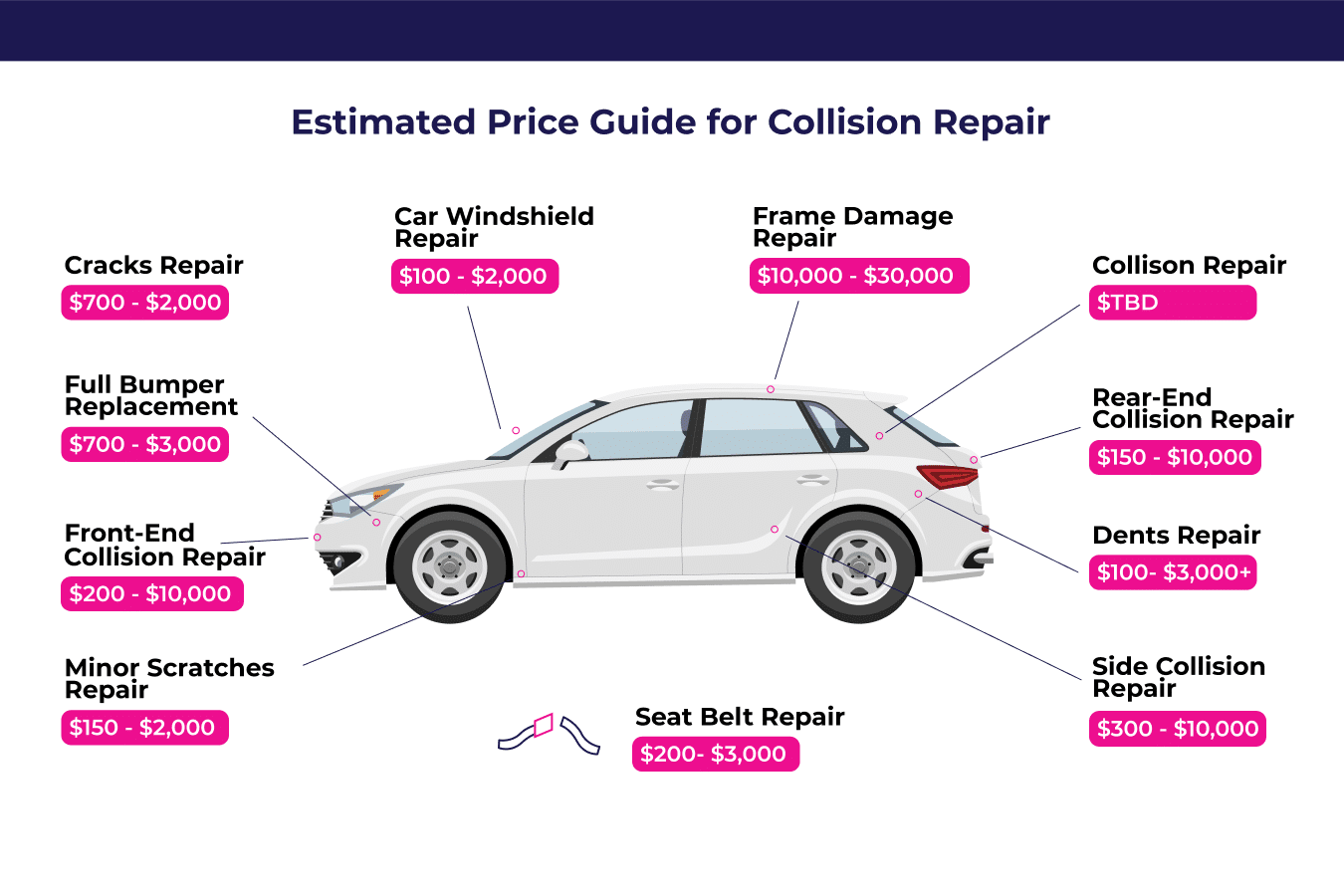
Image Source: stormwisehailrepair.com
Deciphering the Expense of Car Frame Repair
A bent or damaged car frame is a serious issue that compromises a vehicle’s safety and structural integrity. It’s not just an aesthetic problem; it affects how the car handles, brakes, and protects occupants in an accident. When you’re facing the prospect of frame repair, a primary concern is always the financial outlay. This guide aims to provide a comprehensive overview of what you can expect to pay for these crucial repairs.
The Impact of Frame Damage Severity
The extent of the damage is the most significant factor determining the auto frame damage repair cost. Minor bends or twists might be fixable with basic straightening techniques, while severe compromises, such as cracked or broken frame rails, require much more intensive and costly interventions.
- Minor Damage: This could involve slight bends in the frame rails, minor distortions in the unibody structure, or damage to mounting points. These are often the least expensive to repair.
- Moderate Damage: This might include more significant bends, misalignment of suspension components attached to the frame, or damage to crossmembers. These repairs require more specialized equipment and time.
- Severe Damage: This encompasses situations where frame rails are severely kinked, cracked, or even broken. In some cases, components may need to be cut out and replaced entirely. This type of damage is the most expensive to rectify.
Vehicle Type: Unibody vs. Body-on-Frame
The construction of your vehicle plays a crucial role in how its frame is repaired and, consequently, how much it costs.
Unibody Construction
Most modern cars, SUVs, and minivans utilize a unibody construction. In this design, the body and the frame are integrated into a single, cohesive structure. This makes the vehicle lighter and often more fuel-efficient. However, when the unibody is damaged, repairing it involves straightening and reinforcing the entire stressed-skin structure. This is why vehicle unibody repair cost can be substantial.
- How it’s Repaired: Unibody vehicles are typically repaired using specialized frame straightening equipment, often referred to as a “frame machine” or “measuring system.” These machines use hydraulic rams to pull and push the damaged areas back into their original factory specifications.
- Cost Implications: Because the entire body shell is part of the structural integrity, even seemingly minor impacts can cause stresses throughout the unibody. Repairing a unibody often involves advanced laser measurement systems to ensure precise alignment, adding to the overall car structural repair costs.
Body-on-Frame Construction
Older trucks, larger SUVs, and heavy-duty vehicles typically use a body-on-frame design. Here, the vehicle’s body is mounted onto a separate, rigid frame (often called a ladder frame). This design is robust and can handle heavy loads and rough terrain.
- How it’s Repaired: If the frame itself is damaged, it can sometimes be repaired independently of the body. This might involve straightening the frame rails or, in severe cases, replacing sections of the frame.
- Cost Implications: The chassis repair prices for body-on-frame vehicles can be more predictable if only the frame itself is damaged. However, if the body is also significantly compromised or needs to be removed for extensive frame work, the costs can escalate. The labor involved in removing and reinstalling the body can be significant.
Factors Influencing the Final Price Tag
Beyond the severity and type of damage, several other elements contribute to the overall cost of frame repair.
Labor Rates and Time
Repair shops charge an hourly rate for their technicians’ work. These rates vary significantly by geographic location and the shop’s specialization. Frame straightening is a highly skilled job that requires specialized equipment and expertise. The more complex the repair, the more labor hours will be billed.
- Skilled Technicians: Frame technicians are trained to use precise measuring systems and understand vehicle geometry. Their expertise commands higher labor rates.
- Time Investment: A minor frame adjustment might take a few hours, while a major repair involving extensive pulling, cutting, and welding could take days. This directly impacts the car frame straightening cost.
Parts and Materials
If sections of the frame need to be replaced, the cost of new or used parts will be added to the bill.
- OEM vs. Aftermarket: Original Equipment Manufacturer (OEM) parts are made by the vehicle’s manufacturer and are typically the most expensive but ensure the best fit and quality. Aftermarket parts can be a more budget-friendly option, but their quality can vary.
- Welding and Reinforcement: Specialty adhesives, structural reinforcements, and welding materials are often used in modern frame repair, particularly for unibody vehicles, to restore the vehicle’s original strength.
Equipment and Technology
Frame repair requires specialized and often expensive equipment.
- Frame Machines: These hydraulic systems can exert immense force to precisely straighten bent frame components.
- Measuring Systems: Advanced computer-aided measuring systems (like Car-O-Liner, Celette, or Chief) use lasers or electronic sensors to provide highly accurate measurements of the vehicle’s structure, ensuring it’s aligned to within millimeters of factory specifications. This technology is crucial for accurate automotive frame alignment cost.
- Welding Equipment: Modern vehicles often use high-strength steel that requires specialized welding techniques and equipment.
Estimating Your Repair Bill: Getting a Car Frame Damage Repair Estimate
The best way to know how much to fix bent car frame is to obtain a detailed car frame damage repair estimate from a reputable repair shop.
The Estimation Process
- Initial Inspection: A qualified technician will first visually inspect the vehicle for obvious signs of damage.
- Measuring and Diagnosis: The vehicle will likely be placed on a computerized measuring system. This system will compare the vehicle’s current dimensions to its original factory specifications. Any deviations indicate areas of damage and stress.
- Damage Report: The system generates a report detailing the extent and location of the structural damage.
- Repair Plan: Based on the measurement report and the technician’s expertise, a detailed repair plan is created. This includes the specific procedures, parts needed, and estimated labor hours.
- Cost Breakdown: The estimate will provide a clear breakdown of costs, including labor, parts, and any additional materials or services required.
What to Look for in an Estimate:
- Detail: A good estimate will clearly outline the work to be done, the parts to be used, and the labor involved.
- Warranty: Ask about the warranty offered on the frame repair work. Reputable shops often provide a lifetime warranty on structural repairs.
- Certification: Look for shops certified by organizations like the Automotive Service Association (ASA) or those that employ ASE-certified technicians.
Average Cost of Car Frame Straightening and Repair
Providing an exact average cost is challenging due to the wide range of variables. However, we can offer some general price ranges:
Cost Ranges for Different Levels of Damage:
- Minor Frame Realignment (Unibody): For less severe damage where minimal pulling and minor adjustments are needed, you might expect to pay between $500 to $1,500. This often involves a few hours of work on a frame machine.
- Moderate Frame Repair (Unibody): If there are more significant bends and twists, requiring more extensive pulling and possibly some component replacement, the vehicle unibody repair cost could range from $1,500 to $3,500.
- Major Structural Repair (Unibody): For severe damage involving multiple sections of the unibody structure, extensive pulling, welding, and replacement of structural components, expect costs to be in the range of $3,500 to $7,000 or even higher. This is where car structural repair costs really add up.
- Body-on-Frame Repair:
- Minor Frame Straightening: If only minor straightening of the ladder frame is needed, it might cost between $500 to $1,200. This would fall under chassis repair prices.
- Frame Section Replacement: If a section of the frame needs to be cut out and replaced with a new section, the repair cost for car chassis damage can range from $1,000 to $3,000+, depending on the complexity and cost of the replacement frame section.
- Major Frame Repair/Replacement: In cases of severe frame damage or the need to replace significant portions of the frame, costs can reach $3,000 to $6,000+.
Specific Repair Components and Their Costs:
- Frame Straightening Labor: Typically billed hourly, with rates often ranging from $80 to $150+ per hour.
- Computerized Measuring: Can add $200 to $500 to the estimate.
- Frame Pulling: Each pulling operation can cost $100 to $300.
- Section Replacement: The cost of a new frame section can range from $300 to $1,500 or more, plus installation labor.
- Welding and Materials: Specialty welding and materials can add $100 to $500+.
Can a Damaged Frame Be Safely Repaired?
Yes, a damaged car frame can often be safely repaired, provided the damage is within the capabilities of modern repair techniques and equipment. However, there are limits. If the frame is severely compromised, cracked, or exhibits signs of metal fatigue, repair might not be feasible or cost-effective. A reputable shop will provide an honest assessment of whether repair is the best option or if the vehicle is beyond economical repair. The goal of frame repair is to restore the vehicle’s structural integrity to near-factory specifications, ensuring it remains safe in the event of future collisions. The accuracy of the automotive frame alignment cost will depend heavily on the precision of this repair.
When Repair Might Not Be Worth It
In some situations, the cost of repairing frame damage can exceed the vehicle’s actual cash value. This is often referred to as being “totaled” by insurance companies.
- Economic Total Loss: If the estimated repair cost is more than 75-80% of the vehicle’s pre-accident value, it’s usually deemed an economic total loss.
- Structural Integrity Concerns: Even if a repair is technically possible, if it compromises the vehicle’s fundamental structural integrity in a way that cannot be fully restored, it might not be a safe or worthwhile investment.
Finding a Reputable Frame Repair Shop
Choosing the right shop is paramount for ensuring your car is repaired correctly and safely.
Qualities of a Good Frame Repair Shop:
- Specialization: Look for shops that specialize in collision repair and frame straightening, not just general auto repair.
- Certifications: Shops with I-CAR (Inter-Industry Conference on Auto Collision Repair) certification or technicians with ASE certifications are a good indicator of quality.
- Equipment: Ensure the shop has modern frame straightening equipment and computerized measuring systems.
- Reviews and Recommendations: Check online reviews and ask for recommendations from friends, family, or your insurance provider.
- Warranty: A shop offering a good warranty on their repair work provides peace of mind.
The Role of Insurance in Frame Repair Costs
If your frame damage is due to a collision, your auto insurance policy will likely cover the costs, minus your deductible.
- Claim Process: You’ll need to file a claim with your insurance company. They will typically send an adjuster to assess the damage and provide an estimate.
- Negotiation: Sometimes, the insurance adjuster’s initial estimate may not fully account for the extent of frame damage. It’s important to work with your chosen repair shop to ensure a comprehensive car frame damage repair estimate is submitted. The shop’s expertise in car structural repair costs can be invaluable here.
- Third-Party Damage: If the damage was caused by another driver, their insurance will be responsible for the repairs.
DIY Frame Repair: A Word of Caution
Attempting frame repair yourself is strongly discouraged for several reasons:
- Lack of Specialized Equipment: Professional frame straightening requires expensive, specialized hydraulic equipment and precise measuring tools that most DIYers do not have.
- Technical Expertise: Frame repair demands a deep understanding of vehicle metallurgy, structural engineering, and precise alignment. Incorrect repairs can render the vehicle unsafe.
- Safety Risks: Working with heavy vehicle components and potentially hazardous materials without proper training and equipment can lead to serious injury.
- Warranty Issues: DIY repairs will void any manufacturer or aftermarket warranty on structural components.
Frequently Asked Questions (FAQ)
Q1: How long does car frame repair typically take?
A: The timeframe can vary significantly. Minor adjustments might take a day or two, while extensive repairs involving pulling, section replacement, and welding could take anywhere from several days to a couple of weeks.
Q2: Will a repaired frame affect my car’s handling or safety?
A: If repaired correctly by a qualified professional using proper equipment, a repaired frame should restore your car’s original handling and safety characteristics. However, poorly executed repairs can compromise these aspects.
Q3: What is the difference between unibody and body-on-frame repair?
A: Unibody repair involves straightening and reinforcing the entire vehicle structure where the body and frame are integrated. Body-on-frame repair focuses on the separate chassis or ladder frame onto which the body is mounted.
Q4: Can I drive my car with a bent frame?
A: It is generally not recommended to drive a vehicle with a significantly bent or compromised frame. It can affect steering, braking, suspension alignment, and most importantly, significantly reduce your vehicle’s ability to protect you in a collision.
Q5: What does “frame straightening” involve?
A: Frame straightening, often part of car frame straightening cost discussions, involves using specialized hydraulic equipment to pull and push bent or misaligned frame components back to their original factory specifications. This process relies on precise measurements to ensure the vehicle’s structural integrity is restored.
Q6: Is vehicle unibody repair cost typically higher than body-on-frame repair?
A: Often, yes. Because the unibody is the vehicle’s entire structure, the repair process for significant damage can be more complex, requiring advanced measurement systems and specialized techniques to restore torsional rigidity and safety, which contributes to higher vehicle unibody repair cost.
Q7: How can I get a reliable car frame damage repair estimate?
A: Take your vehicle to a reputable collision repair shop that specializes in frame repair. They will use specialized measuring equipment to assess the damage and provide a detailed estimate that outlines all labor, parts, and procedures.
Q8: What are chassis repair prices based on?
A: Chassis repair prices are primarily determined by the extent of the damage to the frame rails and crossmembers, the type of vehicle (unibody or body-on-frame), the labor rates of the shop, and the cost of any replacement parts needed.
In conclusion, while the prospect of frame repair can be daunting due to the potential costs, arming yourself with knowledge about the factors influencing the auto frame damage repair cost will empower you to make informed decisions. Always prioritize safety and seek out qualified professionals to ensure your vehicle is returned to its optimal structural condition.