
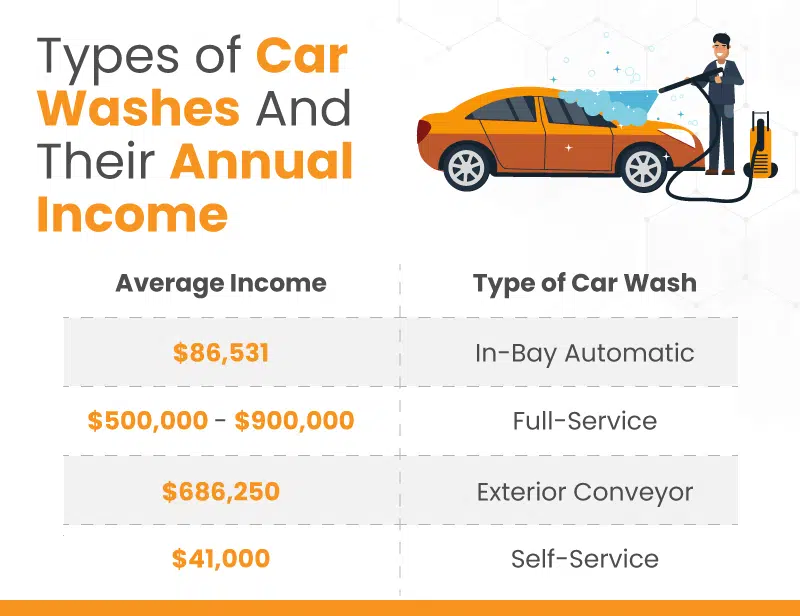
Image Source: koronapos.com
How Much Do Self Service Car Washes Make? Income & Profit
Self-service car washes can be very profitable, with owners potentially earning anywhere from $30,000 to over $100,000 annually, depending on location, services offered, and operational efficiency. This blog post will delve into the financial aspects of operating a self-service car wash, exploring revenue streams, expenses, and how to maximize your car wash business profitability.
Starting a business can seem daunting, but a well-run self-service car wash can be a steady source of income. Many people wonder about the earning potential of this type of business, and the truth is, it varies quite a bit. Factors like where you set up shop, what extra services you provide, and how smoothly you run things all play a big role in how much money you make.
Deciphering Self-Service Car Wash Revenue
The core of any self-service car wash’s income comes from customers paying to use the bays and equipment. These are the primary money-makers, and how much you generate here depends on several factors.
Revenue Streams
- Bay Usage Fees: This is the most straightforward income source. Customers pay a set amount of time or a fixed price to use a wash bay. The price can vary based on the type of wash selected (e.g., basic rinse, wash and wax) or the duration of time purchased.
- Add-on Services: Many self-service car washes offer additional features that boost revenue. These can include:
- High-pressure rinse: For tougher dirt.
- Foam brushes: For scrubbing away grime.
- Wax applications: For shine and protection.
- Spot-free rinse: Using purified water to prevent water spots.
- Tire cleaners and shiners: For that finishing touch.
- Towel dispensers: For customers who prefer to dry their cars themselves.
- Vacuum stations: A crucial add-on that many customers use after washing their car.
- Vending Machines: Selling car care products like air fresheners, microfiber towels, tire shine, and cleaning sprays can add a small but consistent revenue stream.
- Subscription/Membership Programs: Offering monthly or annual plans can guarantee repeat business and predictable income. These often provide a discount for regular customers.
- Gift Cards: Selling gift cards can attract new customers and also serve as a popular gift option.
Factors Influencing Revenue
- Location: High-traffic areas with good visibility and easy access are key. Proximity to residential areas, shopping centers, and major roads significantly impacts customer volume.
- Pricing Strategy: Competitive yet profitable pricing is crucial. Research what other car washes in your area charge. Offering different package deals can also attract a wider customer base.
- Customer Volume: The more cars that use your facility, the more money you make. This is directly tied to location, marketing, and the overall customer experience.
- Seasonality: Car wash businesses often see higher revenue during warmer months and periods with less rainfall. However, well-maintained facilities can still perform well in off-seasons.
- Competition: The number and quality of other car washes nearby will influence your pricing and customer flow.
Calculating Car Wash Earnings: A Deeper Dive
To accurately gauge how much a self-service car wash makes, you need to look beyond just the money coming in. Understanding your self-service car wash revenue involves tracking every transaction. This is where careful record-keeping and technology come into play.
Tracking Revenue
- Point-of-Sale (POS) Systems: Modern self-service car washes utilize sophisticated POS systems that manage transactions, track usage of each bay, and monitor sales of add-on services.
- Coin/Token Meters: For older or simpler setups, meters on each bay track usage and collect payments. Regular auditing of these meters is essential.
- Payment Options: Offering various payment methods like credit cards, debit cards, and mobile payments can increase convenience and attract more customers.
What Affects Self-Service Car Wash Profit Margins?
Profit margins for self-service car washes are typically healthy, often ranging from 20% to 40% or even higher, provided the business is managed efficiently. Several key elements influence these margins.
Key Determinants of Profitability
- Initial Investment: The upfront car wash startup costs are significant and directly impact your long-term return on investment car wash. These costs include land acquisition or lease, construction, equipment purchase, and initial marketing.
- Operating Expenses: Day-to-day car wash operating expenses are the ongoing costs of running the business. Managing these effectively is crucial for healthy profit margins.
- Customer Satisfaction: Happy customers return. Positive word-of-mouth and online reviews can significantly boost your business without additional marketing spend.
- Equipment Maintenance: Keeping equipment in top condition reduces downtime and avoids costly emergency repairs. Regular maintenance also ensures a better customer experience.
- Water and Utility Costs: Water usage, electricity for pumps and lighting, and waste disposal are major operational expenses. Finding ways to conserve water and energy can greatly improve profit margins.
- Staffing (if any): While self-service car washes are designed to minimize labor, some may employ attendants for cleaning, basic maintenance, or customer assistance. This is a significant operating cost to consider.
Understanding Car Wash Operating Expenses
To understand how much do self-service car washes make, we must meticulously examine the costs involved in running them. These expenses can eat into your revenue if not managed carefully.
Breakdown of Operating Costs
- Utilities:
- Water: The most significant utility cost. Prices vary by location.
- Electricity: Powers pumps, lighting, heating (if applicable), and payment systems.
- Sewer and Waste Disposal: Costs associated with water runoff and waste management.
- Supplies:
- Detergents and Soaps: High-quality cleaning solutions are essential.
- Waxes and Polishes: For premium wash options.
- Tire and Wheel Cleaners: Specific cleaning agents.
- Towels and Drying Aids: For self-service drying stations or attendant use.
- Vending Machine Inventory: Products sold to customers.
- Maintenance and Repairs:
- Regular Equipment Servicing: Pumps, spray guns, brushes, vacuums.
- Plumbing and Electrical Repairs: Unexpected issues can arise.
- Building and Lot Maintenance: Landscaping, repairs to bays, payment kiosks.
- Insurance:
- General Liability Insurance: Covers accidents and customer injuries.
- Property Insurance: Protects against damage to your facility.
- Workers’ Compensation (if applicable): If you have employees.
- Property Costs:
- Rent or Mortgage Payments: If you lease or own the property.
- Property Taxes: Annual taxes on the land and building.
- Marketing and Advertising:
- Signage: Essential for visibility.
- Local Advertising: Flyers, local newspapers, online ads.
- Website and Social Media Management: To reach customers online.
- Licenses and Permits:
- Business Licenses: Required by local and state governments.
- Environmental Permits: Related to water usage and discharge.
- Labor (if applicable):
- Wages for Attendants or Maintenance Staff.
- Payment Processing Fees:
- Credit card transaction fees.
The Potential for Self-Service Car Wash Income
When we talk about self-service car wash income, we’re discussing the net profit after all expenses are paid. This is the money the owner takes home or reinvests in the business.
Factors Driving Higher Income
- Multiple Bays: More bays mean more cars can be washed simultaneously, directly increasing potential revenue.
- 24/7 Operation: Offering round-the-clock access can capture customers who wash their cars at off-peak hours.
- Advanced Technology: Touchless washes, advanced drying systems, and user-friendly payment kiosks can attract customers willing to pay a premium.
- Strong Brand Reputation: A clean, well-maintained facility with reliable equipment builds customer loyalty.
- Effective Marketing: Reaching your target audience through various channels is crucial.
- Additional Revenue Streams: As mentioned earlier, vacuum stations and vending machines contribute to overall income.
Estimating Average Car Wash Earnings
It’s challenging to pinpoint a single average car wash earnings figure, as it’s highly localized. However, a general estimate for a successful self-service car wash could see gross revenue ranging from $100,000 to $500,000 or more per year. After deducting operating expenses, net profit can vary widely.
Example Scenario:
Let’s consider a small self-service car wash with 4 bays, operating in a moderately populated suburban area.
- Daily Customer Volume: Assume an average of 50 cars per day.
- Average Revenue Per Car: This could be an average of $8 per wash (considering different packages and add-ons).
- Daily Gross Revenue: 50 cars/day * $8/car = $400/day
- Annual Gross Revenue (365 days): $400/day * 365 days = $146,000
Now, let’s factor in typical operating expenses.
| Expense Category | Estimated Annual Cost | Percentage of Gross Revenue |
|---|---|---|
| Utilities (Water, Elec.) | $20,000 | 13.7% |
| Supplies (Soap, Wax) | $10,000 | 6.8% |
| Maintenance & Repairs | $8,000 | 5.5% |
| Insurance | $5,000 | 3.4% |
| Property Taxes/Rent | $15,000 | 10.3% |
| Marketing | $3,000 | 2.1% |
| Total Operating Expenses | $61,000 | 41.8% |
- Estimated Net Profit: $146,000 (Gross Revenue) – $61,000 (Operating Expenses) = $85,000
This $85,000 would be the estimated profit before the owner’s salary and taxes.
How to Calculate Car Wash Earnings Precisely
To get an accurate picture of how to calculate car wash earnings, you need a robust system for tracking all income and expenses.
Essential Calculation Steps
- Track all Revenue: Record every dollar earned from bay usage, add-ons, vending, and memberships.
- Sum all Operating Expenses: Consolidate all costs listed in the previous section.
- Calculate Gross Profit: Gross Profit = Total Revenue – Cost of Goods Sold (primarily supplies).
- Calculate Net Operating Income: Net Operating Income = Gross Profit – Operating Expenses (excluding loan interest and taxes).
- Determine Net Profit: Net Profit = Net Operating Income – Interest Expenses – Taxes.
This methodical approach helps you understand the true financial health of your car wash business profitability.
The Car Wash Owner Salary
The car wash owner salary is drawn from the net profit of the business. In the example above, the owner could potentially take an $85,000 salary, or choose to reinvest a portion of that profit back into the business for upgrades or expansion. The amount an owner pays themselves is a personal decision and depends on their financial needs and the business’s growth stage.
Maximizing Return on Investment (ROI) for Your Car Wash
A good return on investment car wash means that the profits generated by the business justify the initial investment and ongoing effort.
Strategies for Enhancing ROI
- Smart Site Selection: Investing time and resources into finding the perfect location is paramount.
- Efficient Operations: Streamline processes to minimize waste and downtime.
- Customer Loyalty Programs: Encourage repeat business, which is more cost-effective than acquiring new customers.
- Upselling Add-On Services: Train staff (if any) to suggest and promote extra services.
- Regular Maintenance: Prevent costly breakdowns and maintain a positive customer experience.
- Adapt to Market Trends: Stay updated on new technologies and customer preferences.
Frequently Asked Questions (FAQ)
Q1: What is the average startup cost for a self-service car wash?
A1: Car wash startup costs can range significantly, typically from $250,000 to $1 million or more. This depends on factors like land acquisition, the number of bays, the quality of equipment, and any additional features.
Q2: Can I make a good income from a self-service car wash with just two bays?
A2: While a two-bay self-service car wash can generate income, it will likely be more modest compared to larger facilities. Average car wash earnings will be lower due to the limited capacity. Profitability will heavily rely on premium pricing and high utilization of those two bays.
Q3: Who is responsible for equipment maintenance in a self-service car wash?
A3: In most self-service car wash models, the owner is responsible for all equipment maintenance. This can be handled by the owner directly if they have the technical skills, or by hiring a professional maintenance service.
Q4: How long does it take to see a return on investment for a car wash?
A4: The return on investment car wash timeline can vary, but many owners aim to recoup their initial investment within 5 to 10 years. This depends heavily on revenue generation, expense management, and overall business success.
Q5: What are the biggest challenges in operating a self-service car wash?
A5: Key challenges include high initial investment, managing fluctuating utility costs, seasonal demand, maintaining equipment, and dealing with competition. Effective management of car wash operating expenses is critical to overcome these hurdles.
Q6: How important is marketing for a self-service car wash?
A6: Marketing is crucial for driving customer traffic and increasing self-service car wash revenue. Effective marketing helps attract new customers and retain existing ones, directly impacting self-service car wash profit margins.
By carefully planning, managing expenses, and focusing on customer satisfaction, a self-service car wash can be a very rewarding and profitable business venture.