
A typical car has four ball joints, with two located at the front of the vehicle. These critical suspension components connect the control arms to the steering knuckles, allowing for smooth movement and accurate steering.
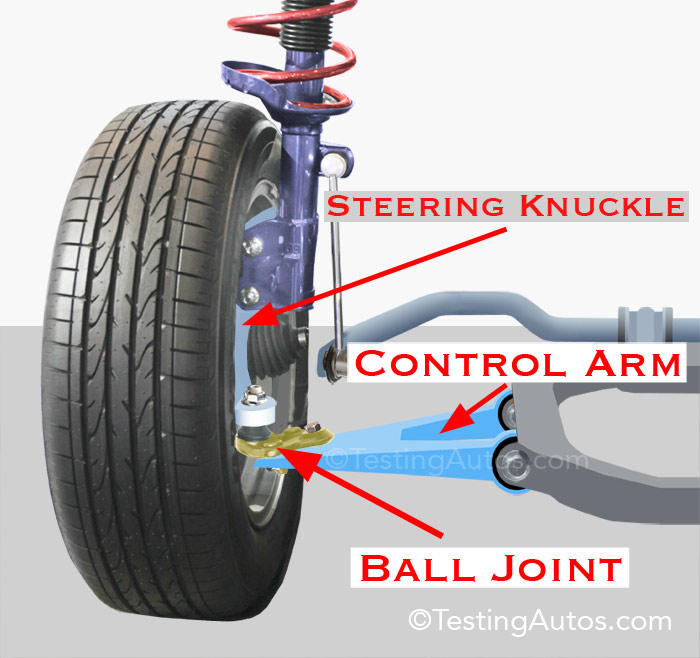
Image Source: www.testingautos.com
Deciphering the Number of Ball Joints in Your Vehicle
If you’ve ever wondered about the inner workings of your car’s suspension, you’ve likely encountered the term “ball joint.” These small but mighty parts play a vital role in how your vehicle handles and steers. But exactly how many ball joints does a car have? While the car ball joint count can vary slightly depending on the vehicle’s design, most passenger cars and SUVs feature a standard setup.
The vast majority of vehicles on the road have a typical ball joint quantity of four. These are crucial for connecting your wheels to the rest of the suspension system. Let’s delve deeper into the number of ball joints per vehicle and their importance.
The Standard Ball Joint Number and Its Function
The standard ball joint number is indeed four for most common vehicles. These are not just random parts; they are strategically placed to ensure your car can steer and absorb bumps effectively. Think of them as the “knees” and “hips” of your vehicle’s suspension. They allow for the pivoting motion needed for steering and the up-and-down movement required to handle uneven road surfaces. Without them, your car would be rigid and difficult to control.
Exploring Auto Ball Joint Locations
Knowing the auto ball joint locations is key to understanding their function and diagnosing potential problems. These essential suspension parts are almost always found in the front suspension system of a car.
Front Ball Joints: The Steering and Suspension Hubs
The most common location for ball joints is in the front suspension. Cars typically have two front ball joints. These are usually situated at the lower and sometimes upper ends of the steering knuckle, connecting it to the control arms.
- Lower Ball Joint: This is almost universally present on front-wheel-drive and rear-wheel-drive vehicles. It connects the lower control arm to the steering knuckle. This connection allows the wheel to pivot for steering and to move up and down with the suspension.
- Upper Ball Joint: Many vehicles also have an upper ball joint, connecting the upper control arm to the steering knuckle. This creates a “ball-and-socket” joint system that provides greater stability and allows for more precise control over wheel alignment and movement.
The presence of two front ball joints, one lower and one upper, on each side of the vehicle is what makes up the common total of four.
Rear Ball Joints: Less Common, But Present in Some Designs
While rear ball joints are less common than their front counterparts, some vehicles, particularly those with independent rear suspension, may incorporate them. In these cases, ball joints might be used to connect the rear wheels to the suspension arms, allowing for similar pivoting and movement capabilities as the front.
- Independent Rear Suspension (IRS): Vehicles with IRS often use a more complex suspension geometry. In some IRS designs, ball joints can be part of the hub assembly or control arm connections, allowing each rear wheel to move independently.
- Solid Rear Axles: Vehicles with solid rear axles typically do not have ball joints in the rear. The axle assembly moves as a single unit.
It’s important to remember that the car ball joint count is primarily determined by the front suspension design.
The Critical Role of Suspension Ball Joints
The term suspension ball joints highlights their fundamental role in your vehicle’s overall suspension system. They are not just for steering; they are integral to absorbing road imperfections and maintaining tire contact with the ground.
How Ball Joints Work Together
Ball joints function like a universal joint in a driveshaft but are designed for suspension movement. They consist of a stud with a ball-shaped end that fits into a socket. This socket is typically lubricated and sealed to protect it from dirt and moisture. The ball joint allows for a full range of motion:
- Pivoting: Essential for turning the wheels left and right.
- Tilting: Allows the wheel to articulate as the suspension moves up and down over bumps.
- Swiveling: Facilitates the combined movement needed for steering and absorbing road irregularities.
When you turn your steering wheel, the ball joints translate that input into the precise movement of the wheels. When you hit a pothole, the ball joints allow the wheel to absorb the impact without jarring the entire chassis.
Signs of Worn Ball Joints
Worn ball joints can significantly affect your car’s safety and performance. Recognizing the signs is crucial for timely maintenance.
- Clunking or Knocking Noises: A common symptom is a clunking or knocking sound, especially when turning the steering wheel or going over bumps. This often indicates excessive play in the ball joint.
- Loose Steering: If your steering feels vague or overly sensitive, it could be due to worn ball joints. The connection between the steering wheel and the wheels is compromised.
- Uneven Tire Wear: Worn ball joints can cause your tires to wear unevenly, often on the edges or in a feathered pattern. This is because the wheel alignment is no longer held correctly.
- Vibrations: You might feel vibrations in the steering wheel or the car itself, particularly at higher speeds.
- Squeaking or Greasing Noises: Some ball joints may start to squeak when the lubrication dries out or the boot is damaged, allowing dirt to enter.
If you suspect a problem with your ball joints, it’s essential to have them inspected by a qualified mechanic.
Ball Joint Replacement Count: What to Expect
When it comes time to replace ball joints, the ball joint replacement count will typically correspond to the number of worn ball joints. In most cases, if one ball joint on a particular axle is worn, it’s often recommended to replace the corresponding ball joint on the other side of the same axle. This is known as replacing them in pairs.
Replacing in Pairs: A Recommended Practice
- Symmetrical Wear: Suspension components, including ball joints, often experience similar wear patterns on both sides of the vehicle due to the nature of driving and the forces they endure.
- Maintaining Balance: Replacing ball joints in pairs helps ensure that the suspension behaves symmetrically. If one side has new ball joints and the other has old, worn ones, it can lead to imbalanced handling and steering.
- Preventive Maintenance: Often, when a ball joint fails, it’s a sign that other suspension components are also nearing the end of their lifespan. Replacing them in pairs can be a proactive approach to prevent future issues.
So, if you have a mechanic tell you that you need to replace two ball joints, it usually means replacing both front lower ball joints, or both front upper ball joints, for example.
A Deep Dive into Ball Joint Types and Their Applications
While we’ve established the typical car ball joint count and their locations, it’s worth noting that there are different types of ball joints used in automotive suspension systems.
Variations in Ball Joint Design
- Threaded Stud Ball Joints: These are the most common type. The ball stud screws directly into the steering knuckle or control arm.
- Flanged Ball Joints: These have a flange with mounting holes that are bolted to the suspension component.
- Integral Ball Joints: In some designs, the ball joint is permanently integrated into the control arm.
The specific type used often depends on the vehicle manufacturer’s design choices and the specific suspension geometry.
Factors Influencing Ball Joint Longevity
Several factors can affect the lifespan of your car’s ball joints. Regular maintenance and proper driving habits can help extend their life.
What Affects Ball Joint Wear?
- Driving Conditions: Driving frequently on rough roads, potholes, or unpaved surfaces puts more stress on ball joints, leading to faster wear.
- Driving Habits: Aggressive driving, such as sharp turns or frequent hard braking, can also contribute to accelerated wear.
- Lubrication: Ball joints typically come with a greaseable fitting or are sealed with grease. If the grease leaks out or becomes contaminated, wear will increase. Damaged dust boots are a common culprit.
- Vehicle Load: Consistently overloading your vehicle can put excessive strain on suspension components, including ball joints.
- Quality of Parts: The quality of the ball joints installed can also play a role in their longevity.
Maintenance and Inspection for Optimal Performance
Regularly inspecting your ball joints is a crucial part of preventative maintenance that can save you from costly repairs and ensure your safety.
How to Inspect Ball Joints
- Visual Inspection: A mechanic will visually inspect the rubber or plastic boot that covers the ball joint. If the boot is torn or cracked, dirt and moisture can enter, leading to corrosion and premature wear.
- Physical Play Test: The vehicle is typically lifted, and a mechanic will check for excessive play in the ball joint by attempting to move the wheel assembly. Any noticeable looseness indicates wear.
- Listen for Noises: Paying attention to any unusual noises when driving, such as clunking or squeaking, can be an early indicator of ball joint issues.
FAQs About Ball Joints
Here are some common questions people have about ball joints:
Q1: Can I drive with a bad ball joint?
A1: It is not recommended to drive with a bad ball joint. A severely worn ball joint can fail completely, leading to a loss of steering control, which can cause an accident.
Q2: How long do ball joints typically last?
A2: Ball joint lifespan can vary significantly, but they often last anywhere from 50,000 to 100,000 miles or more, depending on driving conditions and maintenance.
Q3: Do all cars have upper and lower ball joints?
A3: Most cars have lower ball joints, but not all have upper ball joints. The presence of upper ball joints depends on the specific suspension design (e.g., double-wishbone suspension).
Q4: Is it expensive to replace ball joints?
A4: The cost of replacing ball joints can vary. It typically involves the cost of the parts and the labor involved. Since they are often replaced in pairs and require alignment, it can be a moderate to significant expense.
Q5: What happens if a ball joint breaks?
A5: If a ball joint breaks, the wheel can detach from the suspension, leading to a complete loss of steering and braking control. This is a very dangerous situation.
Conclusion
In summary, the car ball joint count is typically four, with two located at the front of almost every passenger vehicle. These essential suspension ball joints allow for steering and smooth articulation of the wheels. Understanding their function, common auto ball joint locations, and the signs of wear is vital for maintaining your vehicle’s safety and performance. When replacement is necessary, the ball joint replacement count usually involves replacing them in pairs to ensure balanced handling and longevity. Regular inspections and prompt attention to any unusual noises or symptoms will help keep your car running smoothly and safely on the road.