
The physical therapy duration after a car accident can vary greatly, typically ranging from a few weeks to several months, depending on the severity of injuries and the individual’s recovery timeline. Rehabilitation duration is not a one-size-fits-all answer.
Car accidents can leave individuals with a range of physical ailments, from minor aches and pains to severe injuries that require extensive care. When you’ve been involved in a collision, getting back to your normal life often involves a journey through post-accident therapy. This therapy, commonly known as physical therapy, plays a crucial role in healing and regaining function. However, a common question that arises is: how long does physical therapy actually last after a car accident?
The answer, as you might expect, isn’t straightforward. Many factors influence the treatment length, making it a highly individualized process.
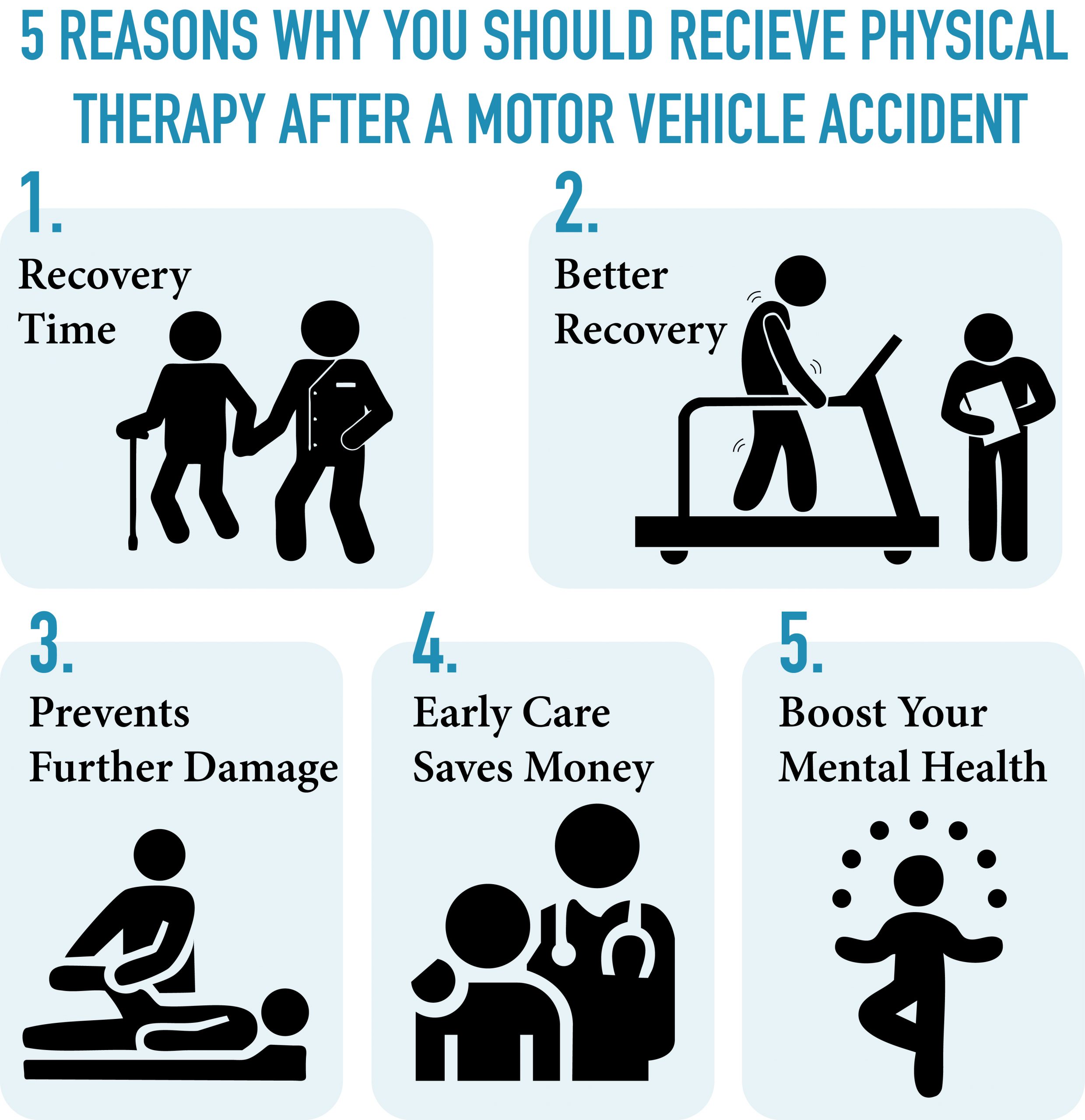
Image Source: renew-physicaltherapy.com
Factors Shaping Your Recovery Timeline
Several elements contribute to how long you’ll need physical therapy. It’s like building a house; the foundation, materials, and complexity all affect the building time.
Severity of Injuries
This is perhaps the most significant factor. A minor fender-bender causing a bit of stiffness will likely require less therapy than a high-speed collision resulting in broken bones or more complex soft tissue damage.
- Minor Soft Tissue Strains/Sprains: These might require 4-8 weeks of therapy.
- Moderate Soft Tissue Injuries: Conditions like severe whiplash or muscle tears could necessitate 8-12 weeks, or sometimes longer.
- Fractures: Healing bones takes time, and the subsequent rehabilitation can extend the therapy period significantly, often 3-6 months or more, depending on the fracture site and type.
- Spinal Cord Injury Recovery: This is a more severe category. Spinal cord injury recovery and the associated post-trauma rehabilitation can last for many months, even years, and often involve lifelong management and therapy.
Type of Injury
Different injuries respond differently to therapy and have varying injury healing time characteristics.
- Whiplash: Whiplash treatment duration is notoriously variable. For many, symptoms resolve within a few weeks to a few months. However, chronic whiplash can extend this significantly.
- Herniated Discs: Injuries to the spinal discs can cause pain and nerve impingement. Therapy aims to decompress the disc and strengthen supporting muscles, which can take several months.
- Concussions: While often managed medically, residual dizziness, balance issues, or cognitive problems might require specialized physical therapy. The duration depends on symptom persistence.
- Joint Injuries: Sprains, dislocations, or tears in ligaments and tendons require careful rehabilitation to restore stability and range of motion, often spanning weeks to months.
Individual Health and Age
Your overall health before the accident and your age play a vital role in your body’s ability to heal and adapt.
- Younger Individuals: Generally tend to heal faster due to better circulation and cellular regeneration.
- Older Adults: May experience longer healing times and potentially require more extended therapy to regain strength and mobility.
- Pre-existing Conditions: Conditions like arthritis, diabetes, or cardiovascular issues can complicate healing and prolong the need for therapy.
Adherence to Treatment Plan
Your commitment to the prescribed exercises and therapy sessions is paramount.
- Consistency: Attending all scheduled appointments and performing prescribed home exercises diligently speeds up recovery.
- Proactive Engagement: Being an active participant in your recovery, asking questions, and communicating your progress and challenges with your therapist ensures the treatment plan remains effective.
Type and Intensity of Therapy
The specific types of exercises and treatments used will also influence the duration.
- Manual Therapy: Techniques like massage, joint mobilization, and stretching can provide immediate relief and improve mobility, but progress is gradual.
- Therapeutic Exercise: Strengthening, stretching, and balance exercises are crucial for rebuilding function. The intensity and complexity of these exercises often increase as you progress.
- Modalities: Heat, cold, ultrasound, or electrical stimulation might be used to manage pain and inflammation, but they are usually adjuncts to active therapy.
The Phases of Post-Accident Therapy
Physical therapy after a car accident typically progresses through distinct phases, each with its own goals and duration.
Phase 1: Acute Pain and Inflammation Management
Immediately following an accident, the focus is on reducing pain, swelling, and protecting the injured tissues from further harm.
- Goals: Control pain, decrease inflammation, prevent muscle atrophy, maintain range of motion where possible.
- Typical Duration: This initial phase might last anywhere from a few days to a couple of weeks, depending on the severity of the acute injury.
- Common Interventions: Gentle range-of-motion exercises, ice or heat application, manual therapy techniques (soft tissue mobilization), and possibly modalities like electrical stimulation.
Phase 2: Restoring Range of Motion and Early Strengthening
Once the acute inflammation subsides, the next step is to regain lost flexibility and begin rebuilding muscle strength.
- Goals: Increase joint mobility, improve muscle strength and endurance, begin functional movement patterns.
- Typical Duration: This phase can last from several weeks to a couple of months.
- Common Interventions: Stretching exercises (passive, active-assisted, active), light resistance exercises, isometric exercises, and exercises focusing on improving posture and body mechanics.
Phase 3: Advanced Strengthening and Functional Training
As strength and mobility improve, the therapy shifts towards more demanding exercises that mimic everyday activities and prepare you for a return to work, sports, or hobbies.
- Goals: Restore full strength and endurance, improve balance and coordination, develop functional movement skills, prepare for return to demanding activities.
- Typical Duration: This phase often lasts several weeks to a few months.
- Common Interventions: Progressive resistance training, plyometrics, agility drills, sport-specific exercises, and activities of daily living (ADL) training.
Phase 4: Maintenance and Injury Prevention
For some individuals, particularly those with chronic conditions or a history of re-injury, a maintenance phase might be recommended.
- Goals: Maintain achieved strength and flexibility, prevent re-injury, educate on long-term self-management strategies.
- Typical Duration: This can be an ongoing process, with periodic check-ins or continued participation in specific exercise programs.
- Common Interventions: Continued adherence to home exercise programs, participation in fitness classes, ergonomic assessments, and education on proper lifting techniques.
Deciphering the Timeline: Common Injury Scenarios
Let’s look at some common injuries sustained in car accidents and their typical physical therapy duration.
Whiplash
Whiplash occurs when the head is suddenly forced backward and then forward, or vice versa, straining the neck’s muscles and ligaments.
- Typical Recovery:
- Mild Whiplash: 2-4 weeks of therapy.
- Moderate Whiplash: 6-12 weeks of therapy.
- Severe Whiplash/Chronic Pain: Can extend to several months, sometimes requiring ongoing management.
- Key Interventions: Postural correction, gentle neck mobilization, strengthening of deep neck flexors and scapular stabilizers, education on safe sleeping and sitting positions.
Back Injuries
Car accidents frequently cause strains, sprains, or more serious injuries like herniated discs or facet joint issues.
- Typical Recovery:
- Lumbar Strain/Sprain: 4-8 weeks of therapy.
- Herniated Disc/Sciatica: 8-16 weeks, potentially longer if nerve involvement is significant.
- Fractures: Months of rehabilitation, often 3-6 months or more, depending on the severity and location.
- Key Interventions: Core strengthening exercises, back extension and flexion exercises, nerve gliding techniques, hip flexor stretching, and proper lifting mechanics.
Shoulder and Arm Injuries
Impacts can lead to shoulder dislocations, rotator cuff tears, or fractures of the arm or clavicle.
- Typical Recovery:
- Shoulder Sprain/Minor Rotator Cuff Tear: 6-12 weeks.
- Shoulder Dislocation/Significant Rotator Cuff Tear: 3-6 months, often involving pre-operative or post-operative therapy.
- Arm Fractures: 2-4 months, depending on the bone and fracture type.
- Key Interventions: Range-of-motion exercises, progressive strengthening of the rotator cuff and scapular muscles, proprioception training.
Knee and Leg Injuries
Knee injuries, such as ligament tears (ACL, MCL) or meniscal tears, and leg fractures are common.
- Typical Recovery:
- Knee Sprains/Meniscal Tears: 6-12 weeks.
- ACL Reconstruction: 6-12 months post-surgery.
- Leg Fractures: 3-6 months, with the latter half focused on regaining full function.
- Key Interventions: Swelling management, range-of-motion restoration, quadriceps and hamstring strengthening, calf strengthening, proprioception exercises, and gait training.
Can I Speed Up My Recovery?
While you can’t force your body to heal faster than its biological capacity, you can certainly optimize your recovery timeline and contribute positively to your rehabilitation duration.
- Be Consistent: Attend all your therapy sessions and diligently perform your home exercises. Skipping sessions or exercises will inevitably slow down your progress.
- Communicate: Be open and honest with your physical therapist about your pain levels, how you’re feeling, and any difficulties you’re encountering with the exercises. This allows them to adjust the treatment plan as needed.
- Listen to Your Body: While pushing yourself is important, pushing too hard or too soon can lead to setbacks or re-injury. Learn to differentiate between challenging yourself and overexerting yourself.
- Maintain a Healthy Lifestyle: Proper nutrition, adequate sleep, and avoiding smoking can significantly impact your body’s ability to heal.
- Manage Stress: Stress can impede healing. Finding healthy ways to manage stress can be beneficial.
When Does Physical Therapy End?
Physical therapy typically concludes when you have achieved the predetermined functional goals set by you and your therapist. This means you can:
- Perform daily activities without pain or significant limitation.
- Return to your work or recreational activities without fear of re-injury.
- Demonstrate adequate strength, flexibility, and endurance.
- Understand how to manage your condition and prevent future issues.
It’s important to note that even after formal physical therapy ends, many individuals benefit from continuing a modified home exercise program to maintain their gains and prevent future problems. This is especially true for those recovering from more severe injuries or those with chronic pain conditions.
Factors That May Prolong Therapy
Sometimes, the treatment length might extend beyond the initial estimates. This can happen due to:
- Complications: Developing secondary issues like scar tissue, nerve entrapment, or persistent inflammation.
- Re-injury: Accidentally aggravating the original injury or injuring a different part of the body.
- Poor Adherence: Inconsistent attendance or failure to perform home exercises.
- Psychological Factors: Fear of movement or pain can hinder progress, sometimes requiring a multidisciplinary approach that includes psychological support.
- Unexpected Healing Rates: Some individuals naturally heal at a slower pace.
What If I’m Not Improving?
If you feel you’re not making adequate progress, it’s crucial to discuss this with your physical therapist. They may:
- Re-evaluate your condition and adjust the treatment plan.
- Refer you to a specialist for further medical assessment.
- Consider a different approach or modality.
In some cases, a change of therapist might be beneficial if there’s a breakdown in the therapeutic relationship or if you feel your needs aren’t being met.
The Role of Your Medical Team
Your physical therapist is part of a larger medical team. Effective communication between your therapist, your primary care physician, and any specialists (e.g., orthopedist, neurologist) is vital for a coordinated and efficient recovery. They can provide a comprehensive picture of your injury healing time and ensure that therapy aligns with your overall medical management. For example, in cases of spinal cord injury recovery, this coordination is absolutely critical.
Frequently Asked Questions (FAQ)
Q1: How long does physical therapy typically last after a car accident?
A1: The duration varies widely, from a few weeks for minor injuries to several months or even longer for severe injuries. Factors like injury severity, individual health, and adherence to treatment all play a role in the physical therapy duration.
Q2: What is whiplash treatment duration?
A2: Whiplash treatment duration is highly variable. Mild cases might resolve in 2-4 weeks, while moderate to severe cases can take 6-12 weeks or more. Chronic whiplash symptoms can extend the need for therapy significantly.
Q3: Can I return to work while in physical therapy?
A3: This depends on the nature of your work and the severity of your injuries. Your doctor and physical therapist will advise you on when it is safe to return to work and whether any modifications are needed. Many people continue therapy while working, especially if the work is sedentary or can be modified.
Q4: What happens if my physical therapy takes longer than expected?
A4: If your recovery timeline is longer than anticipated, discuss it with your physical therapist. They will re-evaluate your progress, adjust the treatment plan, or refer you to another medical professional if necessary.
Q5: Do I need a doctor’s referral for physical therapy after a car accident?
A5: In many regions, you can seek physical therapy without a direct doctor’s referral. However, it’s advisable to consult with your doctor, especially after a significant car accident, to ensure all injuries are identified and to facilitate insurance claims.
Q6: How is post-accident therapy different from general physical therapy?
A6: Post-accident therapy specifically addresses the impairments resulting from the trauma of a car crash. This often includes focusing on pain management, restoring function lost due to injuries like whiplash or back problems, and addressing potential biomechanical issues caused by the impact. The overall principles of physical therapy apply, but the focus is tailored to the specific context of the accident.
Q7: What is a typical recovery timeline for a spinal cord injury after a car crash?
A7: Spinal cord injury recovery is a complex and often lengthy process. The initial recovery phase can last for months, and rehabilitation is often a lifelong commitment. The specific treatment length and expected outcomes depend heavily on the location and severity of the spinal cord injury.
Conclusion
Navigating the path to recovery after a car accident involves diligent effort and professional guidance. The physical therapy duration is a dynamic aspect of this journey, shaped by numerous personal and injury-specific factors. While there’s no single answer to how long it lasts, by actively participating in your rehabilitation, maintaining open communication with your healthcare team, and adhering to your treatment plan, you can optimize your recovery timeline and work towards regaining your health and mobility. Remember, the goal of post-accident therapy is not just to heal, but to help you return to a functional and fulfilling life.