
Image Source: images.squarespace-cdn.com
How Long Does It Take To PPF A Car?
Getting your car protected with Paint Protection Film (PPF) is a smart move. But how long does the process actually take? The paint protection film installation time can vary greatly, but generally, you can expect a full car PPF installation to take anywhere from 2 to 5 days. A partial PPF installation typically takes 1 to 2 days. This time depends on several factors, including the complexity of the vehicle, the experience of the installer, and whether you’re opting for a full or partial application.
PPF is a transparent urethane film applied to your car’s painted surfaces. It acts as a shield against everyday damage like stone chips, scratches, insect acids, and UV damage. It’s a significant investment in maintaining your car’s pristine appearance and resale value. When you compare it to other paint protection methods like waxing or applying a ceramic coating, the time investment for PPF is considerably longer, but so is the protection it offers.
Factors Influencing PPF Installation Time
Several key elements contribute to the overall car wrap duration for PPF:
- Vehicle Complexity: Different car models have varying body panel shapes and curves. More complex designs with sharp edges, intricate grilles, and deep contours require more precise cutting and fitting of the film. Sports cars and luxury vehicles often take longer than standard sedans or SUVs.
- Installer Experience: A seasoned professional installer will work more efficiently and accurately than a novice. Their familiarity with different vehicles, film types, and installation techniques significantly impacts the PPF application time.
- Coverage Area: This is the most significant factor.
- Full Car PPF: Covering every painted surface of the vehicle. This is the most time-consuming option.
- Partial PPF: Protecting high-impact areas like the front bumper, hood, fenders, and side mirrors. This is quicker.
- Surface Preparation: Before PPF can be applied, the car’s paint must be meticulously cleaned and decontaminated. Any imperfections, such as existing scratches or swirl marks, may need to be corrected (e.g., paint correction). This crucial step adds to the overall auto paint protection film process time.
- Film Quality and Type: While most PPF is similar, some premium films might have slight variations in application characteristics. The quality of the adhesive also plays a role.
- Drying and Curing: After the film is applied, it needs time to adhere properly. While the car is typically ready to be driven away after a few hours, the film continues to cure over several days, during which specific care instructions must be followed.
Time for Full Car PPF vs. Partial PPF
When discussing how long does it take to PPF a car, the scope of the application is paramount.
Time for Full Car PPF
A time for full car PPF is the most comprehensive and time-intensive option. This involves meticulously applying film to every exterior painted panel. This includes:
- Hood
- Fenders (front and rear)
- Doors (front and rear)
- Roof
- Trunk lid
- Bumpers (front and rear)
- Rocker panels
- Quarter panels
The paint protection film installation time for a full car can range from 20 to 40 hours of labor. This is typically spread over 2 to 5 business days. This duration accounts for:
- Detailed Cleaning and Decontamination: Removing all dirt, tar, and grime.
- Paint Correction (if needed): Buffing out minor scratches and swirl marks to ensure a flawless finish underneath the film.
- Pattern Cutting: Pre-cutting the film using computer-aided design (CAD) software specific to the vehicle model or hand-cutting on the vehicle itself.
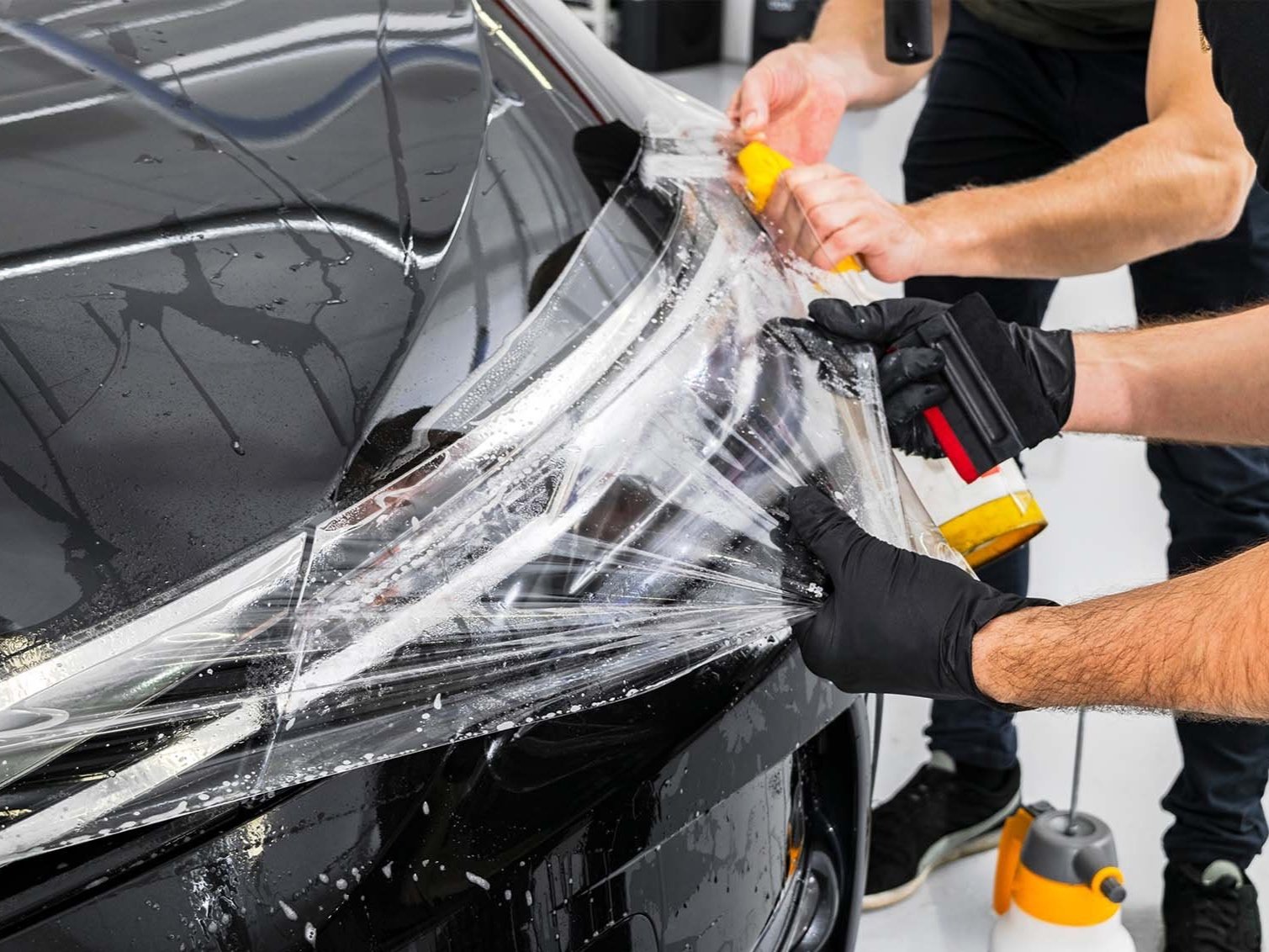
- Film Application: Carefully squeegeeing the film onto each panel, removing air bubbles and water. This requires precision, especially around curves and edges.
- Trimming and Sealing: Trimming excess film and ensuring edges are sealed properly for a seamless look.
- Inspection: A final check for any imperfections.
How Long Does a Partial PPF Take?
Opting for how long does a partial PPF take is a faster alternative. This usually covers the most vulnerable areas. Common partial PPF packages include:
- Front End Package: Hood, front bumper, front fenders, and side mirrors. This is the most popular partial package.
- Track Pack: Extends the front end package to include rocker panels and potentially the rear spoiler or bumper.
The clear bra installation time for a partial PPF package is significantly less than a full car. You can typically expect this to take between 4 to 12 hours of labor, usually completed within 1 to 2 business days. This is because fewer panels need to be covered, reducing the intricate work involved.
Brand Specific Installation Times: How Long Does XPEL Take?
When considering specific brands like XPEL, renowned for its high-quality PPF, the paint protection film installation time is largely consistent with the general timelines. XPEL offers various film types, such as XPEL ULTIMATE PLUS, XPEL STEALTH (a satin finish film), and XPEL LUX (for a higher gloss finish). The installation process itself, regardless of the specific XPEL product, follows the same meticulous steps.
So, how long does XPEL take? For a full XPEL PPF application on an average vehicle, expect 2 to 5 days. For a partial XPEL PPF, it will likely be 1 to 2 days. The brand itself doesn’t drastically alter the car wrap duration; rather, it’s the complexity of the vehicle and the installer’s expertise that are the primary drivers. XPEL installers often have access to precise digital patterns for thousands of vehicles, which can streamline the cutting process compared to hand-cutting.
The PPF Application Process in Detail
To truly appreciate the PPF application time, let’s break down the typical auto paint protection film process:
-
Initial Consultation and Inspection:
- The installer will discuss your needs and the areas you wish to protect.
- A thorough inspection of your vehicle’s paintwork is conducted. Any existing damage will be noted.
-
Thorough Washing and Decontamination:
- The car is washed using pH-neutral soaps.
- Iron removers and tar removers are used to lift embedded contaminants.
- A clay bar treatment is often performed to ensure the surface is perfectly smooth and free of any bonded impurities.
-
Paint Correction (Optional but Recommended):
- If the paint has swirl marks, light scratches, or oxidation, a professional paint correction service is highly recommended.
- This involves machine polishing the paint to restore clarity and depth, creating an ideal surface for the PPF to adhere to. This step can add several hours to the process.
-
Patterning and Cutting:
- Digital Patterns: Most professional installers use specialized software and plotters to cut film patterns precisely for your vehicle’s make and model. This ensures accurate coverage and cleaner edges.
- Hand Cutting: In some cases, especially for older or less common vehicles, installers might hand-cut the film on the car. This requires extreme skill to avoid damaging the paint.
-
Surface Preparation for Installation:
- The panels to be wrapped are meticulously cleaned again and then wiped down with a specialized cleaning solution (often an isopropyl alcohol mixture) to remove any residual oils or polishing compounds.
- The installer might use a tackifier or a low-tack adhesive promoter on edges for better adhesion.
-
Film Application:
- A slip solution (a mixture of water and baby shampoo) is sprayed onto the panel and the adhesive side of the film. This allows the installer to position the film correctly.
- Using specialized squeegees, the installer carefully works from the center outwards, removing the slip solution and adhering the film to the paintwork.
- Heat guns or torches are used to stretch and conform the film to the vehicle’s contours, particularly around curves and edges. This is where experience is crucial to avoid distortions or damage.
-
Trimming and Edge Wrapping:
- Excess film is trimmed using sharp, precision blades.
- Ideally, installers will “wrap” the edges of the film around panel edges (like door jambs or under the hood/trunk lip) for a truly invisible installation. This significantly increases the PPF application time but results in a superior finish.
-
Final Inspection and Curing:
- The installer meticulously inspects the entire application for any trapped air bubbles, dust, or imperfections. Small bubbles can sometimes be worked out or are designed to dissipate on their own within a few days.
- The car is typically ready to be driven after a few hours, but the film continues to cure and bond fully over the next 24-72 hours. During this period, it’s advisable to avoid washing the car.
Ceramic Coating vs. PPF Time Investment
It’s helpful to compare the ceramic coating vs PPF time when making a decision about paint protection.
| Feature | Ceramic Coating | Paint Protection Film (PPF) |
|---|---|---|
| Application Time | Typically 2-6 hours for a single stage coating. | 1-5 days for a full car application. |
| Surface Prep | Requires thorough washing and decontaminaton. Minor paint correction might be done. | Requires meticulous washing, decontamination, and often significant paint correction. |
| Protection | Provides hydrophobic properties, UV resistance, chemical resistance, and minor scratch resistance (self-healing for some). | Provides superior physical barrier protection against stone chips, scratches, impacts, and UV damage. |
| Durability | Can last 2-5 years, sometimes longer with proper maintenance. | Can last 5-10 years or more, depending on film quality and maintenance. |
| Cost | Generally less expensive than PPF. | Generally more expensive than ceramic coatings. |
| Main Purpose | Enhances gloss, makes cleaning easier, provides chemical and UV protection. | Primarily physical protection against physical damage. |
As you can see, the ceramic coating vs PPF time investment is significantly different. While ceramic coating is a much quicker process, PPF offers a superior level of physical protection. Some enthusiasts opt for both: PPF on high-impact areas for physical protection and a ceramic coating over the PPF (or on unprotected areas) for enhanced gloss and easier maintenance. Applying a ceramic coating over PPF will add a few more hours to the overall process.
Cost vs. Time for PPF: What’s the Relationship?
There’s a direct correlation between cost vs. time for PPF. The longer the installation takes, the higher the labor cost will be. Professional PPF installers typically charge based on the hours worked and the complexity of the job.
- Higher Time Investment = Higher Cost: A full car PPF installation, taking 2-5 days, will naturally cost more than a partial PPF application, which takes 1-2 days.
- Paint Correction Adds to Both: If your car requires extensive paint correction before PPF installation, this adds significant hours and therefore cost to the overall service.
- Installer Expertise: Highly skilled and experienced installers command higher rates because they can perform the work more efficiently and with a higher degree of quality, reducing the risk of errors that could lead to costly redo’s.
When comparing quotes, ensure you’re comparing apples to apples. Ask what is included: full or partial coverage, does it include paint correction, and what brand of film is being used.
Tips for a Smoother PPF Installation Experience
To ensure your PPF installation goes smoothly and within a reasonable timeframe, consider these tips:
- Choose a Reputable Installer: Research local PPF installers. Look for reviews, ask for recommendations, and visit their shop if possible. A professional installer will be transparent about their process and timelines.
- Schedule in Advance: Good installers are in high demand. Book your appointment well in advance, especially if you have a specific timeframe in mind.
- Be Prepared for the Downtime: Understand that your car will be at the shop for several days. Arrange for alternative transportation if needed.
- Communicate Your Expectations: Clearly discuss which areas you want covered and if you have any specific concerns.
- Ask About Paint Correction: If your paint is not in perfect condition, discuss whether paint correction is included or recommended.
Frequently Asked Questions (FAQ)
Q1: Can I PPF my car myself?
While it is possible for DIY enthusiasts, it is highly discouraged for a professional-looking and durable finish. PPF installation requires specialized tools, a clean environment, and significant skill to avoid bubbles, creases, and damage to your paint. Professional PPF application time reflects the expertise and tools needed.
Q2: How long does PPF last?
High-quality PPF, when professionally installed and maintained, can last 5 to 10 years, and sometimes longer. The lifespan depends on the film’s quality, environmental exposure, and how well it’s cared for.
Q3: Can PPF be removed?
Yes, PPF can be removed. It’s best to have it removed by a professional installer to avoid damaging the underlying paint. The removal process is generally less time-consuming than installation, but it can take a few hours depending on the film’s age and condition.
Q4: Does PPF need maintenance?
Yes, PPF benefits from regular washing with pH-neutral soaps. While it’s self-healing for minor scratches, avoiding harsh chemicals, automatic car washes with abrasive brushes, and excessive pressure washing will help maintain its clarity and longevity.
Q5: Is PPF worth the cost and time?
For most car owners who want to preserve their vehicle’s appearance and protect it from daily driving hazards, yes, PPF is a worthwhile investment. The long-term protection against chips, scratches, and environmental damage can significantly increase your car’s resale value and save you from costly paint repairs. The cost vs. time for PPF is a reflection of the superior protection it offers compared to shorter-lived solutions.