
What is the typical car painting duration? A proper car paint job usually takes between 1 to 3 weeks from start to finish, depending on the complexity of the work, the shop’s schedule, and the extent of preparation required.
Repainting a car is a significant undertaking. Many factors influence the car painting duration, turning a seemingly simple process into a multi-week project. If you’re wondering how long does it take to get a car painted properly? or the average car painting time, it’s essential to look beyond just the spraying itself. The entire vehicle painting process time involves meticulous preparation, multiple coats, and crucial drying periods. This blog post dives deep into the car repaint timeline, explaining each stage and what affects the car paint job turnaround time. We’ll also explore the duration of car restoration painting and what you can expect from an auto paint shop time.
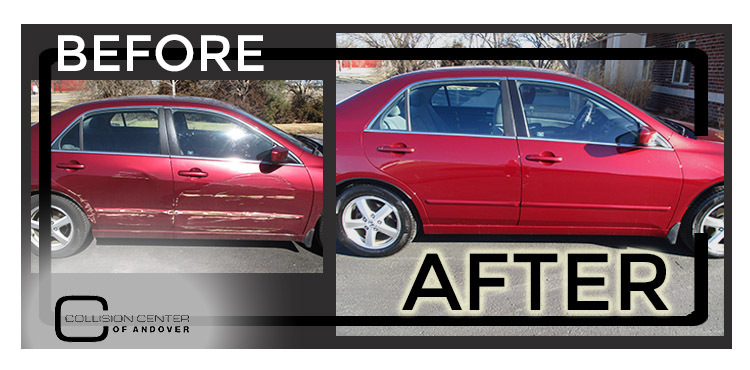
Image Source: collisioncenterofandover.com
Deciphering the Car Painting Timeline: Beyond Just Spraying
When you ask how long auto body paint takes, it’s easy to think only of the time the spray gun is actively coating your vehicle. However, this is a tiny fraction of the overall car painting duration. A professional job is built on a foundation of thorough preparation. Without it, even the most expensive paint will fail to adhere properly or last.
Stage 1: Initial Assessment and Disassembly (1-3 Days)
Before any paint touches your car, it needs a thorough inspection.
- Damage Assessment: The technician will check for rust, dents, scratches, and any underlying damage that needs repair. The severity of this damage directly impacts the overall time. Small scratches are quick fixes; deep rust or major bodywork can add days or even weeks.
- Color Matching: If you’re not doing a full color change, precise color matching is crucial. This might involve taking paint samples from hidden areas of your car to the paint supplier.
- Disassembly: To achieve a seamless finish, certain parts need to be removed. This includes trim pieces, door handles, mirrors, lights, and sometimes even bumpers or fenders. This careful disassembly prevents overspray and allows for painting in tight areas.
Stage 2: Surface Preparation – The Backbone of a Great Paint Job (3-7 Days)
This is arguably the most critical and time-consuming phase. Skipping or rushing these steps is the most common reason for poor paint results.
- Cleaning: The car must be thoroughly washed to remove all dirt, grease, wax, and contaminants.
- Sanding: Existing paint is often sanded down to create a smooth, uniform surface for new paint to adhere to. Different grit sandpaper is used, starting coarser and moving to finer grits. If there’s old paint flaking or significant damage, more extensive sanding or even stripping the old paint down to bare metal might be necessary.
- Body Filler and Priming:
- Body Filler (Bondo): Any minor dents or imperfections are filled with specialized automotive body filler. This is then carefully sanded smooth to blend seamlessly with the surrounding metal.
- Primer: Several coats of primer are applied. Primer serves multiple purposes: it helps the paint adhere better, provides a uniform color base, and can fill in microscopic imperfections left by sanding. Each primer coat needs to dry properly before the next is applied or before it’s sanded.
- Wet Sanding Primer: After the primer dries, it’s typically wet-sanded with very fine grit sandpaper. This step is vital for achieving a perfectly smooth surface, free from any imperfections, ensuring the final paint coat looks flawless.
Stage 3: Masking (1-2 Days)
Once the surface is prepped and primed, meticulous masking is essential.
- Protecting Areas Not Being Painted: Every part of the car that shouldn’t be painted – windows, tires, chrome, plastic trim, engine bay components – must be covered with specialized automotive masking tape and paper. This requires extreme care and precision to avoid overspray.
- Masking for Different Colors/Finishes: If the paint job involves two-tone colors, stripes, or different finishes, additional masking stages will be required between color applications.
Stage 4: Paint Application (2-4 Days)
This is what most people envision when thinking about how long to paint a car.
- Base Coat: The first layer is the base coat, which provides the color. Multiple thin, even coats are applied, allowing flash-off time between each coat. This “flash-off” time allows the solvents in the paint to evaporate partially, preventing runs and ensuring good adhesion for the next layer.
- Mid-Coat (Optional): Some paint systems, especially metallic or pearl finishes, may require a mid-coat or effect coat.
- Clear Coat: The final, and often most crucial, layer is the clear coat. This is a transparent, durable finish that protects the base coat from UV rays, scratches, and environmental damage. It also provides the gloss and depth. Again, multiple thin coats are applied with proper flash-off times.
Stage 5: Drying and Curing (3-7 Days, or more)
This is a phase where patience is key. Paint doesn’t just “dry”; it cures.
- Flash Off: As mentioned, there’s flash-off time between coats.
- Initial Drying: After the final clear coat, the car needs to sit in a controlled environment for initial drying. This can take anywhere from 24 to 72 hours, depending on the paint type and shop conditions.
- Curing: Automotive paints, especially modern urethane systems, require time to fully cure and harden. This curing process can take anywhere from 3 days to several weeks for the paint to reach its maximum hardness and durability. While the car might look dry and ready to drive much sooner, the paint is still vulnerable to damage during this curing period.
Stage 6: Reassembly and Finishing (1-2 Days)
Once the paint has sufficiently dried and cured, the car is carefully unmasked.
- Reassembly: All the parts that were removed in the initial disassembly phase are put back onto the car.
- Detailing and Buffing: The paint is often lightly buffed and polished to remove any minor imperfections, dust nibs, or orange peel (a slight roughness in the clear coat). This step enhances the gloss and creates that showroom finish.
Factors Influencing the Car Painting Duration
The car repaint timeline is highly variable. Several factors can significantly lengthen or shorten the automotive paint job time.
Complexity of the Paint Job
- Single Stage vs. Base Coat/Clear Coat: Single-stage paints, where color and gloss are in one layer, are faster but less durable and don’t offer the same depth as a base coat/clear coat system. Base coat/clear coat jobs require more steps and drying time.
- Metallic, Pearl, or Flake Paints: These paints often require special application techniques and more coats to achieve the desired effect, adding to the car painting duration.
- Multi-Stage Paints: Advanced finishes like candy paints or chameleon paints involve multiple layers of specialized colors and clear coats, dramatically increasing the time.
- Two-Tone or Custom Graphics: If the paint job involves multiple colors, stripes, flames, or other graphics, each color requires its own application and masking process, significantly extending the car repaint timeline.
Condition of the Vehicle
- Rust and Corrosion: Cars with significant rust require extensive metal repair, sandblasting, and treatment before painting, adding considerable time to the vehicle painting process time.
- Previous Paint Quality: Poorly executed previous paint jobs or incompatible paint layers might need to be stripped entirely, increasing prep work.
- Body Damage: Dents, dings, and accident damage need to be repaired and smoothed before painting. The more extensive the damage, the longer this prep work will take.
Shop Efficiency and Workload
- Shop Size and Staff: A larger shop with more technicians can handle more vehicles and potentially offer a quicker car paint job turnaround time.
- Current Backlog: A busy shop means your car might have to wait for its turn in the paint booth. This is a major factor in auto paint shop time.
- Equipment: Shops with advanced equipment like downdraft paint booths and infrared curing lamps can sometimes speed up drying times, though curing still takes time.
Environmental Conditions
- Humidity and Temperature: Paint application and drying are highly sensitive to environmental conditions. High humidity or cold temperatures can slow down drying and curing times. Professional paint booths are climate-controlled to mitigate these issues, but external factors can still play a role.
Type of Paint Used
- Water-Based vs. Solvent-Based: Water-based paints typically flash off and dry faster than traditional solvent-based paints.
- 2K Urethane Paints: These are popular for their durability and finish but have specific mixing ratios and curing times that must be adhered to.
Specific Scenarios: How Long Does It Take?
Let’s break down typical scenarios for how long does it take to paint a car:
Scenario 1: Minor Touch-Ups and Scratch Repair
- What it involves: Repairing and repainting a single panel or a small area with minor scratches or chips.
- Estimated Time: 1-3 days. This includes cleaning, minor sanding, filling, priming the specific area, color matching, applying base and clear coats, and light buffing.
Scenario 2: Repainting a Single Panel (e.g., Fender, Door)
- What it involves: A more comprehensive repair and repaint of one exterior panel.
- Estimated Time: 2-5 days. This will involve more extensive sanding, potentially some minor body filler, priming the whole panel, and blending the new paint into adjacent panels for a seamless look.
Scenario 3: Full Car Repaint (Solid Color, Good Condition)
- What it involves: A complete repaint of the entire vehicle in a single solid color, assuming the existing bodywork is in good condition with minimal rust or dents.
- Estimated Time: 1.5 – 3 weeks. This encompasses all the stages outlined above: disassembly, thorough prep work, priming, masking, multi-coat application, drying/curing, reassembly, and detailing.
Scenario 4: Full Car Repaint (Metallic/Pearl Color, Minor Damage)
- What it involves: A full repaint using metallic or pearl paint, with some minor rust repairs or dent fixing.
- Estimated Time: 2 – 4 weeks. The extra prep time for bodywork and the more complex application of metallic/pearl paints extend the car painting duration.
Scenario 5: Full Car Repaint (Custom Colors, Extensive Bodywork, or Restoration)
- What it involves: A complete color change, custom graphics, or a full restoration where the car is stripped down to bare metal, and extensive bodywork and rust repair are performed. This is where the duration of car restoration painting becomes significant.
- Estimated Time: 4 weeks – 3 months or more. This is a highly involved process. It includes complete disassembly, media blasting, rust remediation, significant metal fabrication, comprehensive bodywork, multiple priming and sanding stages, intricate masking for graphics, multiple paint applications, extended curing, and meticulous reassembly. The automotive paint job time here is dictated by the scale of the restoration.
Frequently Asked Questions (FAQ)
Q1: Can I speed up the car painting process?
While you can’t rush the curing process, some steps can be managed to improve efficiency. Choosing a shop with efficient workflow, using faster-drying paints (like water-based), or opting for less complex finishes can influence the car paint job turnaround time. However, compromising on prep work will lead to a poor-quality, short-lived paint job.
Q2: What does “blending” the paint mean, and how does it affect time?
Blending refers to applying the new paint to a small area of an adjacent panel to ensure the color matches seamlessly with the original factory paint. This process is essential for single-panel repairs but adds a bit of time to the overall car painting duration as it requires careful masking and application.
Q3: Why is the drying and curing time so important?
Rushing the drying or curing can lead to several problems:
* Runs and Sags: If paint is not properly flashed off between coats.
* Poor Adhesion: If paint is not fully cured before being exposed to stress or washing.
* Cracking or Peeling: If the paint hasn’t hardened properly.
* Damage from Washing or Waxing: Hardness is crucial for the paint’s longevity.
This is why auto paint shop time includes significant waiting periods.
Q4: How long does a car restoration painting project typically take?
As mentioned, the duration of car restoration painting can vary wildly, but it’s typically measured in months, not weeks. A full restoration involves stripping the car to its bare chassis, extensive metal repair, rebuilding components, and a high-quality paint job. This is a labor-intensive process.
Q5: What is the difference between a cheap paint job and a professional one in terms of time?
Cheap paint jobs often cut corners on preparation, use lower-quality materials, and may not allow adequate drying or curing times. They might finish a full repaint in a week or less, but the quality and longevity will be significantly compromised. Professional jobs prioritize meticulous prep and proper application, which naturally extends the car painting duration but results in a superior, long-lasting finish.
Q6: Can I drive my car immediately after it’s painted?
No. While the car might feel dry to the touch after a day or two, the paint is still soft and vulnerable. It’s generally recommended to avoid washing the car for at least 3-4 weeks and to be gentle with it, avoiding automatic car washes or waxing for the first 6-8 weeks. The paint needs this time to fully cure and harden.
Conclusion: Patience is a Virtue for a Perfect Finish
So, how long does it take to get a car painted properly? The answer, as you can see, is complex. While a simple touch-up might be done in a couple of days, a full, high-quality repaint is a multi-week commitment. The car painting duration is a direct reflection of the meticulous care and expertise involved in each step, from initial assessment to final buffing.
When you are getting quotes, don’t be alarmed by a longer car repaint timeline. In fact, a longer estimated time often indicates a reputable shop that values quality over speed. The average car painting time is a guide, but always factor in the specifics of your vehicle and the desired finish. The vehicle painting process time is an investment in your car’s appearance and protection. Trusting your vehicle to a professional who respects the car paint job turnaround time will ensure you get a finish that not only looks spectacular but also stands the test of time. The auto paint shop time spent on proper preparation and curing is what separates a mediocre job from a masterpiece. And for duration of car restoration painting, expect a much longer, more involved, but ultimately rewarding process.