
So, how long does it take to assemble a car? The answer is surprisingly fast: typically, a modern car is assembled in about 12 to 30 hours of actual work time. This impressive feat is the result of a highly optimized automobile production process that involves complex logistics and advanced automation. Let’s dive into the details of vehicle manufacturing duration and explore the intricate world of car factory build time.
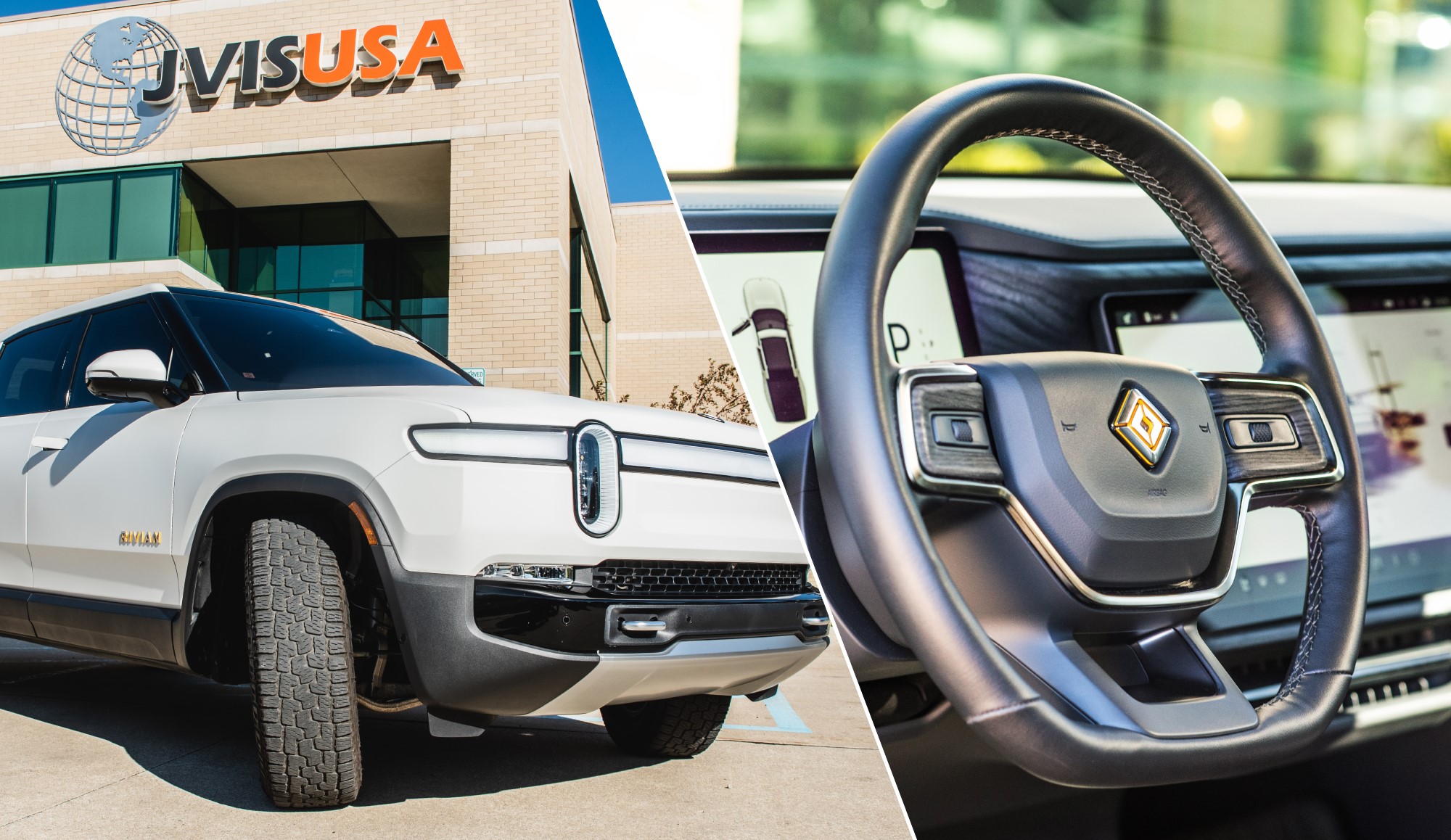
Image Source: jvis.us
Deciphering the Car Assembly Time
The question of how long to build a car is multifaceted. It’s not just about the time spent on the assembly line, but also the entire journey from raw materials to a finished vehicle ready for the showroom. When we talk about car assembly time, we’re usually referring to the time a vehicle spends actively being worked on at various stations along the production line. However, the overall auto production timeline encompasses much more.
Factors Influencing Car Assembly Time
Several key factors contribute to the overall car build stages and determine the typical car build duration:
- Complexity of the Vehicle: A simple, entry-level sedan will take less time to assemble than a luxury SUV with advanced features, a complex engine, and sophisticated electronics.
- Level of Automation: Modern car factories utilize a high degree of automation, with robots performing many tasks. The more automated the process, the faster the assembly can be.
- Assembly Line Speed: The pace at which the car assembly line speed is set directly impacts how quickly vehicles move through each stage.
- Number of Employees: While automation is prevalent, human workers are still crucial. The efficiency and number of skilled workers on the line play a significant role.
- Supply Chain Efficiency: The timely delivery of parts and components is critical. Any delays in the supply chain can halt the entire process.
- Quality Control Measures: Rigorous quality checks are performed at multiple points. While essential for product quality, these checks can add to the overall vehicle manufacturing duration.
- Model Variety: Factories often produce multiple models or variants on the same line. Managing this variety requires careful planning and can influence the pace.
The Step-by-Step Journey: Car Build Stages
To truly grasp how long to build a car, we need to break down the car build stages. This is a highly orchestrated process, with each stage building upon the previous one.
Stage 1: Stamping and Body Shop
This is where the car’s structure takes shape.
- Stamping: Giant presses stamp out the body panels from large rolls of steel or aluminum. This includes doors, hoods, roofs, and the chassis. This is a high-speed, automated process.
- Body Shop (Body-in-White): The stamped panels are then welded together by robots to form the car’s basic unpainted structure, known as the “body-in-white” (BIW). This is one of the most automated parts of the automobile production process. This stage alone can take several hours of continuous robotic work, but the actual time a specific car spends here is relatively short due to the line’s movement.
Stage 2: Painting
The BIW then moves to the painting department, a crucial and complex process for both aesthetics and protection.
- Pre-treatment and Cleaning: The body is thoroughly cleaned and treated to prepare it for paint and prevent corrosion.
- E-Coating: The body is dipped in an electro-coating solution that provides a base layer of protection.
- Primer Application: Robots apply primer coats to ensure a smooth surface for the topcoat and further corrosion resistance.
- Topcoat Application: Multiple layers of paint (base coat, color coat, clear coat) are applied robotically for color and gloss.
- Baking: The car body is baked in ovens at high temperatures to cure the paint layers. This baking process is a significant time component, often taking several hours.
The painting process, including drying and baking, is a major contributor to the vehicle manufacturing duration. While the actual spraying might be quick, the curing times are substantial.
Stage 3: Assembly Line
This is the most visible part of the car factory build time, where the car’s components are added.
- Trim and Chassis: The painted body is moved to the assembly line. Workers and robots begin installing interior and exterior components.
- Interior: Seats, dashboard, carpets, door panels, wiring harnesses, infotainment systems, and other interior trim are fitted.
- Exterior: Windows, lights, bumpers, and wheels are attached.
- Powertrain Installation: The engine, transmission, and drivetrain are assembled as a unit and then lowered into the car’s chassis. This is a critical step in the car build stages.
- Fluid Fill: The car is filled with necessary fluids like coolant, brake fluid, and fuel.
- Final Checks and Testing: Before leaving the line, the car undergoes numerous checks, including electrical system tests, brake tests, and a final visual inspection.
The speed of the car assembly line speed is meticulously managed to ensure car manufacturing efficiency. Vehicles move along the line at a consistent pace, with specialized teams at each station performing their specific tasks.
Time Breakdown: A Closer Look at Car Assembly Time
Let’s break down the typical car assembly time more granularly. Remember, this refers to the time a car is actively being worked on, not the total time from concept to delivery.
| Stage | Estimated Work Time (Hours) | Notes |
|---|---|---|
| Stamping | < 1 | High-speed automated presses. |
| Body Shop (Welding/Assembly) | 3 – 5 | Primarily robotic, forming the car’s structure. |
| Painting (Pre-treatment to Bake) | 8 – 15 | Includes multiple coating and baking cycles. Baking is time-intensive. |
| Final Assembly (Trim, Powertrain) | 6 – 10 | Combination of automated and manual work. |
| Total Active Assembly Time | ~18 – 31 Hours | This is the core car assembly time. |
Important Considerations:
- Buffering: While the above figures represent active work, factories often have buffer zones to manage slight variations in timing.
- Overlapping Processes: In a continuous flow, some processes can overlap. For example, while one car is being painted, another might be in the body shop.
- Model Variations: The time can increase for vehicles with more options or specialized features.
The Role of Automation in Car Manufacturing Efficiency
The dramatic reduction in car assembly time over the decades is largely due to advancements in automation. Robots are not only faster but also more precise and consistent than human workers for many tasks.
- Robotic Welding: Robots can perform thousands of precise welds per minute, ensuring structural integrity and speed.
- Robotic Painting: Robots apply paint evenly and efficiently, leading to a high-quality finish and reduced waste.
- Automated Material Handling: Automated guided vehicles (AGVs) and conveyor systems efficiently move parts and car bodies between stations, minimizing downtime.
- Robotic Assembly: Increasingly, robots are being used for tasks like installing windshields, engines, and even interior components.
This high level of automation is key to achieving the impressive car manufacturing efficiency seen in modern auto plants. It allows for a high throughput, meaning more cars can be produced in less time, contributing to the typical car build duration.
The Extended Auto Production Timeline
While the direct car assembly time is around 12-30 hours, the complete auto production timeline is much longer when you consider everything that happens before and after the assembly line.
Pre-Production and Planning
- Design and Engineering: Years of research, design, prototyping, and testing go into developing a new car model.
- Tooling and Factory Setup: Specialized tools, molds, and assembly line equipment must be designed, manufactured, and installed in the factory. This can take months to years.
- Supply Chain Development: Manufacturers establish relationships with thousands of suppliers for various components.
- Pilot Production Runs: Before mass production, a small number of vehicles are built to test the entire process and identify any issues.
Post-Assembly Processes
- Quality Assurance and Testing: Beyond in-line checks, cars undergo more rigorous testing, including road tests, emissions testing, and durability checks.
- Logistics and Distribution: Once approved, cars are transported to dealerships via car carriers or rail. This can take days or weeks depending on the destination.
- Dealership Preparation: Dealerships prepare the cars for sale, which includes final cleaning and any pre-delivery inspections.
Therefore, while the car factory build time for the physical assembly is a matter of hours, the entire journey of a car from an idea to a customer’s driveway spans months or even years.
How Does Car Assembly Line Speed Work?
The car assembly line speed is a carefully calculated metric that balances production targets with the time needed for each task. This is fundamental to car manufacturing efficiency.
- Takt Time: This is the rate at which products need to be completed to meet customer demand. For example, if a factory needs to produce 100 cars per day and operates for 10 hours, the takt time is 6 minutes per car (600 minutes / 100 cars). Every station on the line must be designed to perform its task within this takt time.
- Work Balancing: Tasks are divided among stations to ensure that no single station becomes a bottleneck. This often involves having multiple workers or robots at a complex station or breaking down a complex task into smaller, manageable steps.
- Continuous Flow: The assembly line is designed for a continuous flow. The car moves from one station to the next without significant waiting periods.
- Modular Assembly: Many components are pre-assembled off-line into larger modules (e.g., a complete dashboard assembly). These modules are then installed on the line, simplifying and speeding up the final assembly process.
The efficiency of the automobile production process relies heavily on maintaining a consistent and optimized car assembly line speed.
Manufacturing Different Types of Cars: Variations in Build Time
The typical car build duration can vary significantly based on the type of vehicle.
Sedans and Hatchbacks
These tend to have simpler architectures and fewer complex features, leading to shorter assembly times. Their car build stages are generally more streamlined.
SUVs and Crossovers
With higher ride heights, often more complex powertrains (e.g., all-wheel drive systems), and more integrated technology, SUVs and crossovers typically require slightly longer assembly times.
Trucks
Pickup trucks, especially heavy-duty models, can take longer due to their robust chassis, more complex suspension systems, and often more specialized body configurations.
Luxury and Performance Vehicles
These cars often feature highly customized interiors, advanced infotainment systems, powerful engines, and sophisticated chassis technologies. This complexity naturally extends the car assembly time. Bespoke options and handcrafted elements can further increase the vehicle manufacturing duration.
Electric Vehicles (EVs)
While EVs have fewer moving parts than traditional internal combustion engine (ICE) vehicles (no engine, transmission, exhaust system), they have complex battery packs and sophisticated electronic systems. The integration of the battery pack is a significant step in EV car build stages. The overall car assembly time for EVs is competitive with, and often faster than, comparable ICE vehicles, but the supply chain for batteries and advanced electronics can influence the auto production timeline.
Challenges in Car Manufacturing Efficiency
Despite the high level of automation and optimization, challenges remain in maintaining peak car manufacturing efficiency:
- Supply Chain Disruptions: Global events, natural disasters, or supplier issues can lead to shortages of critical parts (like semiconductor chips), significantly impacting production schedules and extending vehicle manufacturing duration.
- Labor Issues: While automation is prevalent, skilled labor is still needed for complex tasks and maintenance. Strikes or labor shortages can slow down car factory build time.
- Technological Advancements: Rapid advancements in automotive technology require continuous updates to factory equipment and processes, which can be costly and time-consuming.
- Quality Control: Maintaining high-quality standards while increasing production speed is a constant balancing act. Any compromise in quality can lead to costly recalls and damage to brand reputation.
- Customization Demands: As consumers demand more personalized vehicles, factories need to adapt to handle a wider variety of options and configurations efficiently.
The Human Element in Car Assembly
While robots perform many tasks, human workers remain indispensable in the modern automobile production process.
- Skilled Technicians: Humans are responsible for complex diagnostic work, intricate assembly steps that robots cannot yet perform, and quality inspections.
- Problem Solvers: Workers on the floor often identify and resolve issues that arise during production, contributing to continuous improvement.
- Supervision and Maintenance: Human oversight is crucial for managing automated systems, performing maintenance, and ensuring the overall smooth operation of the factory.
The synergy between humans and robots is key to optimizing car manufacturing efficiency and achieving the remarkable car assembly time we see today.
Frequently Asked Questions (FAQ)
Q1: How long does it take to build a car from start to finish?
A1: The actual car assembly time on the production line is typically between 12 and 30 hours of active work. However, the entire process from design and sourcing materials to a car being ready for sale at a dealership can take many months or even years.
Q2: What is the fastest time a car has ever been assembled?
A2: While specific figures are proprietary and vary between manufacturers and models, the car assembly line speed is optimized for continuous production. Some highly automated lines for simpler models might achieve assembly in as little as 12-15 hours of active work.
Q3: Why does it take so long to paint a car?
A3: The painting process involves multiple stages, including pre-treatment, primer application, base coat, color coat, clear coat, and curing/baking cycles. Each layer needs to be applied evenly and then dried or baked at specific temperatures, which takes considerable time to ensure durability and a high-quality finish. This is a major factor in the overall vehicle manufacturing duration.
Q4: Can I assemble a car at home?
A4: While you can certainly assemble a kit car or restore an older vehicle at home, building a modern car from scratch using factory-level precision and equipment is practically impossible. Modern cars require specialized tools, heavy machinery, and a highly controlled environment that is only found in dedicated factories.
Q5: Who is responsible for the efficiency of car production?
A5: The efficiency of car production is a collaborative effort. It involves automotive engineers who design the process, manufacturing specialists who optimize the car assembly line speed and car build stages, supply chain managers who ensure timely delivery of parts, and the skilled workforce on the factory floor who execute the assembly tasks.
Q6: How does the pandemic affect car assembly time?
A6: The pandemic significantly impacted car assembly time and auto production timeline due to widespread supply chain disruptions, particularly for semiconductor chips. This led to temporary factory shutdowns and reduced production, extending the time it took to deliver vehicles.
Q7: Are electric cars faster to assemble than gasoline cars?
A7: Generally, yes. Electric vehicles have fewer mechanical components (no engine, exhaust, transmission in the traditional sense) which can simplify the car build stages. However, the integration of large battery packs and complex electronic systems requires specific processes. Overall, the car assembly time for EVs is often comparable to or slightly faster than their gasoline counterparts, contributing to overall car manufacturing efficiency.