
Car AC refrigerant, often referred to as “freon” (though this is a brand name for older refrigerants like R-12), doesn’t technically “expire” or get used up like oil or fuel. Instead, car AC refrigerant lasts as long as the system remains sealed and leak-free. If your car’s AC is blowing warm air, it’s typically because of a leak that has allowed the refrigerant to escape.
Image Source: res.cloudinary.com
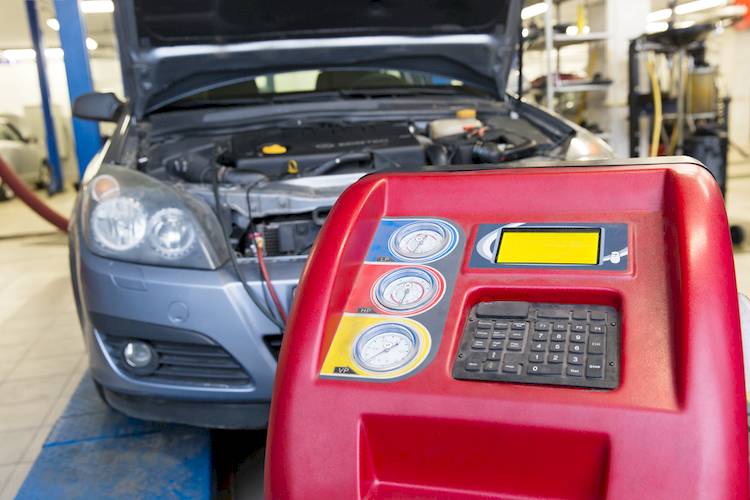
The Lifespan of Your Car’s AC Refrigerant
The car AC refrigerant lifespan is essentially indefinite, provided the air conditioning system is perfectly sealed. Think of it like the coolant in your car’s radiator; it’s a closed-loop system. The refrigerant circulates and changes state (from liquid to gas and back) to absorb heat from the cabin and release it outside. It doesn’t get consumed in the process.
However, the reality for many car owners is that refrigerant levels do decrease over time, leading to reduced cooling performance. This isn’t because the refrigerant itself degrades, but rather because of the inevitable presence of microscopic leaks that develop in the complex AC system.
What Causes Refrigerant Loss?
Several factors contribute to refrigerant loss, even in a well-maintained system:
- Aging Seals and Hoses: Over time, rubber hoses and seals within the AC system can become brittle, cracked, or hardened due to constant exposure to pressure, temperature fluctuations, and vibrations. These imperfections create tiny pathways for refrigerant to escape.
- Vibration and Wear: The constant vibration and movement of engine components can stress fittings and connections in the AC system, leading to looseness and potential leaks.
- Corrosion: Metal components like the condenser (located at the front of the car, often behind the grille) can corrode over time, especially in areas with salt used on roads during winter. This corrosion can create pinhole leaks.
- Damage: Physical damage, such as from road debris hitting the condenser or a careless mechanic, can also cause immediate leaks.
- Sealants (and their limitations): Some DIY recharge kits include sealants designed to plug minor leaks. While they can offer a temporary fix, they often don’t address the root cause and can sometimes clog AC system components, leading to bigger problems.
How Often Should You Recharge Car AC?
The ideal answer is never, if the system is perfectly sealed. However, for most vehicles, it’s not uncommon to need a refrigerant refill frequency of every 2-5 years, depending on the age of the car, its usage, and the quality of the initial installation and components. If you find yourself needing to recharge your AC much more frequently than this, it’s a strong indicator of a significant leak that needs professional attention.
Signs You Might Need an AC Recharge
Recognizing the early warning signs of low refrigerant is crucial to preventing further damage to your AC system. Here are common low refrigerant symptoms:
- Weak or No Cool Air: This is the most obvious sign. If your AC is struggling to cool the cabin effectively, or if it’s only blowing warm air, low refrigerant is a likely culprit.
- AC Compressor Not Engaging: The compressor is the heart of the AC system. If the refrigerant level is too low, the system’s pressure switches may prevent the compressor from turning on to protect it from damage. You might hear a click when you turn on the AC, but the compressor clutch doesn’t engage.
- Strange Noises: Hissing or bubbling sounds coming from the AC vents or under the hood can indicate a leak.
- Ice Formation on AC Lines: While not always a direct symptom of low refrigerant, ice can form on AC lines if the system is not operating efficiently due to low refrigerant or other issues.
- Visible Leaks: In some cases, you might see oily residue around AC components, which is often the refrigerant oil mixed with escaping refrigerant.
AC Refrigerant Leak Signs: What to Look For
Identifying AC refrigerant leak signs can save you money and prevent costly repairs. Aside from the symptoms above, here are more specific things to observe:
Table: Common AC Refrigerant Leak Indicators
| Indicator | Description |
|---|---|
| Reduced Cooling Power | The air coming from your vents is not as cold as it used to be, even with the AC set to its coldest setting. |
| Longer Cool-Down Time | It takes significantly longer for your car’s cabin to feel cool on a hot day. |
| AC Cycling Frequently | The AC compressor turns on and off more often than usual, sometimes referred to as “short cycling.” |
| Hissing or Bubbling Sounds | These noises can be heard when the AC system is running, often indicating refrigerant escaping from a leak point. |
| Oily Residue | A faint, oily film on AC components (like the compressor, condenser, or hoses) can be a sign of refrigerant and oil escaping together. |
| Frost on AC Lines | In rare cases, very low refrigerant can cause a specific line in the system to frost over. |
| Mold or Mildew Smell | While often associated with moisture, a persistent musty smell can sometimes be related to the AC system not drying properly due to low refrigerant. |
Common Leak Locations
Leaks can occur anywhere in the AC system. Some of the most frequent spots include:
- Condenser: This is a radiator-like component at the front of your car, making it vulnerable to damage from road debris.
- Evaporator: Located inside the dashboard, this is harder to access and diagnose. Leaks here can sometimes manifest as a musty smell or water pooling under the car.
- Hoses and Lines: The rubber and metal hoses that carry refrigerant are subject to wear and tear.
- Fittings and Connections: Where hoses connect to components, seals can degrade or connections can loosen.
- Compressor Seal: The rotating shaft seal on the compressor can wear out over time.
- Schrader Valves: Similar to tire valves, these can lose their seals and develop slow leaks.
Car AC System Maintenance: Proactive Care
Regular car AC system maintenance is the best way to ensure longevity and prevent costly repairs. It’s not just about recharging; it’s about a comprehensive check of the entire system.
What Regular Maintenance Entails
- Visual Inspection: A mechanic will visually inspect all accessible AC components for signs of damage, corrosion, or oil leaks.
- Pressure Testing: The system is pressurized with an inert gas (like nitrogen) to check for leaks using a specialized detector.
- Leak Detection: Dye can be added to the refrigerant. When the system is run, the dye, along with the refrigerant, will escape from the leak, making it visible. Electronic leak detectors are also used.
- Evacuation and Recharge: If a leak is found and repaired, the system is evacuated (vacuumed) to remove moisture and air, then recharged with the correct amount of refrigerant and oil according to the manufacturer’s specifications for your vehicle’s refrigerant capacity car.
- Filter Drier/Accumulator Replacement: These components help remove moisture from the refrigerant. They should be replaced whenever the system is opened for repairs, as they absorb moisture over time and become saturated.
- Cabin Air Filter: While not directly related to refrigerant lifespan, a clean cabin air filter improves airflow and the overall effectiveness of your AC.
How Often to Service Your AC
It’s a good idea to have your car’s AC system inspected as part of your regular vehicle maintenance, perhaps every 12-24 months or before the summer season begins. If you notice any of the low refrigerant symptoms or AC refrigerant leak signs, don’t wait. Get it checked by a qualified technician.
AC Recharge Cost: What to Expect
The AC recharge cost can vary significantly based on several factors:
- Type of Refrigerant: Newer cars often use R-134a or R-1234yf. R-1234yf is more expensive and requires specialized equipment.
- Amount of Refrigerant: The refrigerant capacity car varies by make and model. A larger vehicle or a system with a significant leak will require more refrigerant.
- Labor Charges: The hourly rates of the mechanic and the time it takes to diagnose and recharge the system will contribute to the cost.
- Additional Services: If a leak is found and repaired, the cost will increase significantly to cover the cost of parts (hoses, seals, compressor, etc.) and the labor for the repair.
- Location: Prices can differ based on the region and the cost of living.
Average AC Recharge Cost Breakdown
- Simple Recharge (No Leak Found): This typically involves evacuating the old refrigerant, vacuuming the system, and recharging it with the specified amount of new refrigerant and oil. You might expect to pay anywhere from $100 to $300 for this service.
- Recharge with Leak Repair: If a leak is detected, the cost can jump considerably. A minor hose repair might add $100-$300 to the recharge cost. Replacing a condenser or compressor can cost several hundred to over a thousand dollars, plus the recharge.
- DIY Kits: You can purchase DIY AC recharge kits from auto parts stores. These typically cost between $20 to $60. However, using these kits without proper diagnosis can be risky. They often don’t account for oil levels, can overcharge the system if not used carefully, and don’t address the underlying leak. It’s generally recommended to leave AC service to professionals.
Refrigerant Types and Their Implications
There are different types of refrigerants used in automotive AC systems:
- R-12 (Freon): Used in vehicles manufactured before 1994. It has been phased out due to its ozone-depleting properties and is now very expensive and difficult to obtain.
- R-134a: The most common refrigerant used in vehicles from the mid-1990s until around 2015. It is still widely available.
- R-1234yf: The current standard for most new vehicles (post-2015) due to its lower global warming potential. It’s more expensive and requires specialized, certified equipment for handling.
When your car needs an AC recharge, it’s crucial that the correct type of refrigerant is used. Mixing refrigerants or using the wrong type can damage the system and be very costly to repair.
Can I Recharge My Car AC Myself?
While DIY kits are available, it’s generally not recommended for the average car owner. Here’s why:
- Diagnosis is Key: A DIY kit won’t tell you why the refrigerant is low. If there’s a leak, adding more refrigerant is only a temporary fix.
- Risk of Overcharging: Overcharging the system can cause damage to the compressor and other components, leading to more expensive repairs.
- Incorrect Oil Levels: Refrigerant systems require a specific amount and type of refrigerant oil. Many DIY kits don’t properly account for or add this oil.
- Incorrect Refrigerant Type: Using the wrong refrigerant (e.g., R-134a in a system designed for R-1234yf) can cause catastrophic failure.
- Safety Concerns: Refrigerants are under high pressure and can cause frostbite if they come into contact with skin.
A professional technician has the tools and expertise to accurately diagnose leaks, measure the correct amount of refrigerant and oil, and ensure the system is functioning optimally.
When is it Time for Automotive AC Service?
You should seek automotive AC service if:
- Your car’s AC is blowing warm air.
- You notice any of the low refrigerant symptoms.
- You hear unusual noises from the AC system.
- Your car’s AC performance has noticeably degraded.
- You are approaching the recommended service interval for your AC system (e.g., every 2-3 years for a basic check).
- You’ve recently had AC work done and are experiencing issues again.
What to Expect from a Professional Automotive AC Service
A professional service will typically include:
- System Diagnosis: Using specialized equipment to identify the cause of the problem (leak, electrical issue, component failure).
- Leak Detection: Pinpointing the exact location of any refrigerant leaks.
- Repair (if necessary): Replacing faulty hoses, seals, or components.
- Evacuation: Removing all refrigerant and moisture from the system.
- Recharging: Refilling the system with the precise amount of the correct refrigerant and oil based on the vehicle’s refrigerant capacity car.
- Performance Test: Verifying that the AC is blowing cold air and operating efficiently.
FAQ: Frequently Asked Questions About Car AC Refrigerant
Q1: Does car AC refrigerant go bad?
A1: No, car AC refrigerant does not expire or “go bad.” It is a circulating fluid within a closed system. If your AC is not cooling, it’s almost always due to a leak.
Q2: How much refrigerant does my car need?
A2: The refrigerant capacity car varies significantly by make, model, and year. This information is usually found on a sticker under the hood, in the owner’s manual, or in a professional repair database.
Q3: Can I just add refrigerant if my AC isn’t cold?
A3: You can, but it’s not recommended as a long-term solution. If the refrigerant level is low, there is a leak. Adding refrigerant without fixing the leak is like filling a bucket with holes – it won’t stay full for long, and you risk damaging the system.
Q4: How long should a refrigerant recharge last?
A4: If the system is properly repaired and recharged, the refrigerant should last for many years. If it needs recharging again within months, the leak is significant.
Q5: Is it expensive to fix an AC leak?
A5: The cost depends on the location and severity of the leak, and the parts required for repair. Simple seal replacements might be relatively inexpensive, while major component replacements like a condenser or compressor can be costly.
Q6: What are the dangers of handling refrigerant?
A6: Refrigerants are under pressure and can cause frostbite on contact with skin. Inhaling significant amounts can be harmful. It’s best left to professionals who have the proper safety equipment and training.
Q7: My AC blows cold sometimes, but not others. What does this mean?
A7: This intermittent performance can be a sign of a developing leak or a problem with the AC clutch or cycling switch. As the refrigerant level gets critically low, the system may struggle to maintain pressure and cooling.
Q8: What is the difference between R-134a and R-1234yf?
A8: R-134a is an older refrigerant, while R-1234yf is a newer, more environmentally friendly (lower global warming potential) refrigerant. They are not interchangeable, and using the wrong type can damage your AC system.
By staying informed about your car’s AC system and seeking professional automotive AC service when needed, you can ensure comfortable drives and protect your vehicle from more extensive damage. Regular checks and addressing leaks promptly are the keys to a long-lasting and effective air conditioning system.