
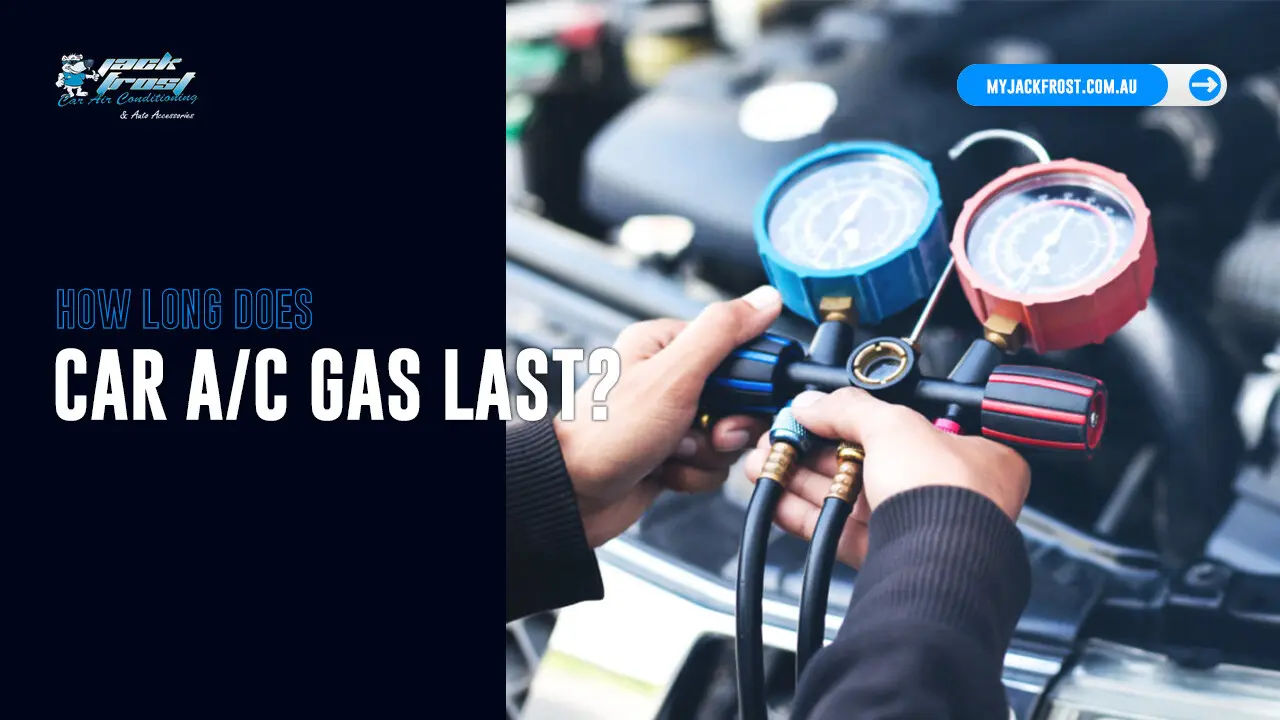
Image Source: myjackfrost.com.au
Car AC Lifespan: How Long Does Air Conditioning Last In A Car?
The typical lifespan of a car’s air conditioning system can range from 8 to 15 years or between 100,000 to 200,000 miles, whichever comes first. However, this is a general guideline, and the actual AC lifespan in vehicles can vary significantly. The car AC service life is not fixed and depends on many factors, including how well it’s maintained and the quality of its components.
Your car’s air conditioning system is a complex network of parts designed to keep you cool and comfortable, especially during hot weather. When it works, you barely notice it. But when it stops working, it’s one of the most uncomfortable problems a driver can face. So, the big question on many drivers’ minds is: how many years car AC system lasts?
The Expected Life of Car Refrigerant System
The expected life of car refrigerant system components can differ. The refrigerant itself doesn’t “age” in the way mechanical parts do, but leaks can occur, reducing its effectiveness. The compressor, the heart of the AC system, is often the most significant component in determining the overall typical AC unit longevity cars. If the compressor fails, it often signals the end of the line for the system as a whole, or at least a very costly repair.
Factors Affecting Car AC Lifespan
Several elements play a crucial role in how long your car’s AC system will reliably function. Thinking about these can help you maximize its life.
Usage Patterns
- Frequent Use: Using your AC system often, especially in very hot climates, means its components are working harder and more often. This can lead to faster wear and tear.
- Intermittent Use: On the flip side, not using your AC for long periods can also be detrimental. When the system sits idle, seals can dry out, leading to refrigerant leaks when you eventually try to use it. It’s a good idea to run your AC for a few minutes every month, even in cooler weather, to keep the components lubricated.
Environmental Conditions
- Extreme Heat: Constant exposure to high temperatures puts more strain on the AC system.
- Dust and Debris: Driving in dusty or sandy environments can clog the condenser and other external components, reducing their efficiency and potentially causing them to overheat.
- Salt Exposure: In areas where roads are salted during winter, corrosion can affect AC components, especially the condenser, which is usually located at the front of the vehicle.
Maintenance Habits
This is arguably the most critical factor. Regular car AC maintenance and longevity are directly linked. A well-maintained system will almost always outlast a neglected one.
Manufacturing Quality and Component Age
- Original Equipment Manufacturer (OEM) Parts: Cars equipped with high-quality OEM parts tend to have more durable AC systems.
- Aftermarket Parts: While sometimes necessary, lower-quality aftermarket parts can fail sooner.
- Vehicle Age: As a car ages, so do its AC components. Rubber hoses can become brittle, seals can degrade, and metal parts can corrode.
Key Components and Their Longevity
The AC system is made up of several parts. Let’s look at some of the most important ones and their expected lifespans.
The AC Compressor
The compressor is the “heart” of your car’s AC system. It’s a pump that compresses the refrigerant, making it circulate and cool the air.
- Typical Lifespan: Generally, an AC compressor is expected to last for the AC lifespan in vehicles, meaning it can potentially last the entire life of the car if properly maintained. However, many drivers face compressor failure between 60,000 and 100,000 miles.
- When to Replace Car AC Compressor: You’ll likely need to replace car AC compressor when you notice:
- No cold air: If the AC blows warm air, even after topping up refrigerant, the compressor might be the culprit.
- Strange noises: Grinding, rattling, or whining sounds coming from the engine bay when the AC is on often indicate a failing compressor.
- Clutch not engaging: The AC clutch engages the compressor to the engine’s drive belt. If it doesn’t engage, the compressor won’t run.
- Leaking refrigerant: A damaged compressor can lead to refrigerant leaks.
The Condenser
Located at the front of your car, usually in front of the radiator, the condenser dissipates heat from the refrigerant.
- Typical Lifespan: Condensers can last a long time, often 8 to 15 years, but they are susceptible to damage from road debris and corrosion, which can shorten their life.
- Signs of Failure: Reduced cooling efficiency, visible damage (bent fins, corrosion), or leaks.
The Evaporator
This component is located inside the dashboard. It absorbs heat from the cabin air, thus cooling it.
- Typical Lifespan: Similar to the condenser, the evaporator can last for the car AC service life but is prone to corrosion and leaks over time, especially if the system is not properly maintained.
- Signs of Failure: Musty odors (due to mold growth in damp conditions), reduced airflow, or refrigerant leaks. Replacement can be expensive as it often requires extensive dashboard disassembly.
The Receiver/Drier or Accumulator
These components store refrigerant and remove moisture.
- Typical Lifespan: These are usually replaced whenever the AC system is opened for repairs, especially if the system has been exposed to the atmosphere, as they are designed to absorb moisture. They typically last for many years, but their effectiveness degrades over time.
- Signs of Failure: Moisture in the system can cause corrosion and damage to other components. Symptoms might include intermittent cooling or a “sweating” or frosted look on AC lines.
Refrigerant Lines and Hoses
These carry the refrigerant throughout the system.
- Typical Lifespan: Rubber hoses can degrade over time, becoming brittle and prone to cracking or leaking, typically after 10-15 years or more. Metal lines can corrode.
- Signs of Failure: Visible leaks, oily residue on the hoses, or a gradual loss of cooling performance.
Signs of Failing Car AC
It’s important to be aware of the early warning signs that your car’s AC might be on its way out. Catching problems early can often prevent more extensive and costly damage.
Reduced Cooling Efficiency
- Not as Cold: The most common symptom is that the air coming from the vents isn’t as cold as it used to be. This could be due to low refrigerant levels (indicating a leak) or a component not working optimally.
- Intermittent Cooling: The AC blows cold air for a while, then turns warm, and then back to cold. This can point to issues with the compressor clutch, pressure switches, or an airflow problem.
Strange Noises
- Grinding or Rattling: These sounds usually originate from the compressor, indicating bearing failure or other internal damage.
- Hissing: A hissing sound might suggest a refrigerant leak.
- Clicking: A clicking sound when the AC is turned on could be the compressor clutch engaging or disengaging, but if it’s constant or accompanied by poor performance, it might be a sign of trouble.
Odors
- Musty or Moldy Smell: This often happens when the AC system is not used regularly. Moisture can accumulate in the evaporator case, leading to mold and mildew growth. Running the AC on a hot day with the windows down for a minute can help dry it out.
- Chemical Smell: A burnt or chemical smell could indicate a problem with the compressor’s clutch or other electrical components overheating.
Visible Leaks or Moisture
- Oily Residue: If you see an oily residue around AC components, hoses, or fittings, it’s a strong indicator of a refrigerant leak, as refrigerant is often mixed with a lubricating oil.
- Frost on AC Lines: Frost forming on the larger AC service port (low-pressure side) when the system is running can sometimes indicate a blockage or low refrigerant charge.
Car AC Maintenance and Longevity
Proactive car AC maintenance and longevity are key to a lasting system. Think of it like maintaining your health; regular check-ups and healthy habits lead to a longer life.
Regular Check-ups
- Annual Inspections: Have your AC system checked by a qualified technician annually, especially before the hot season begins. They can check refrigerant levels, look for leaks, and inspect components for wear.
- Listen and Feel: Pay attention to how your AC is performing. If you notice any changes, get it checked.
Keeping it Clean
- Cabin Air Filter: Regularly replace your cabin air filter. A clogged filter restricts airflow, making the system work harder and potentially leading to component strain.
- Condenser Cleaning: The condenser at the front of your car can get clogged with bugs, leaves, and road debris. Carefully cleaning it with a hose (low pressure) can improve its efficiency and prevent overheating. Be gentle not to bend the fins.
Proper Usage
- Circulate Air: When first starting your car on a hot day, open the windows for a minute to let out the superheated air before turning on the AC. This reduces the initial load on the system.
- Avoid Max AC Instantly: Gradually bring down the temperature rather than immediately setting the AC to its coldest setting and highest fan speed.
- Recirculate Mode: Use the recirculate mode once the cabin has cooled down. This re-cools the already cooled air, making the system more efficient and less stressed than constantly trying to cool hot outside air.
When to Repair vs. Replace
This is a common dilemma for car owners. The decision often boils down to cost and the expected remaining life of the vehicle.
Assessing Repair Costs
- Minor Repairs: Topping up refrigerant or fixing a small leak might cost a few hundred dollars. Replacing a faulty expansion valve or accumulator might also fall into this category.
- Major Repairs: Replacing the compressor is typically the most expensive repair. Average car AC repair costs vs replacement often lean towards replacement if the repair is complex or involves multiple failing parts.
When Replacement Might Be Better
- Compressor Failure: If the AC compressor has failed, it’s often a significant investment to replace it. If your car is older and has other potential issues, you might weigh the cost of a new compressor against the value of the car.
- Multiple Component Failures: If the condenser, evaporator, and compressor all show signs of imminent failure, replacing individual parts can become prohibitively expensive. A complete system overhaul or replacement might be more cost-effective in the long run.
- System Contamination: If the system has severe contamination (e.g., from internal corrosion or using the wrong refrigerant), it might be better to replace the entire system to ensure reliability.
Cost Comparison Table
| Repair/Replacement Type | Estimated Cost Range (USD) | Considerations |
|---|---|---|
| Refrigerant Recharge | $100 – $300 | Temporary fix if there’s a leak. May need to be done annually. |
| Leak Detection & Repair | $200 – $500 | Essential to stop refrigerant loss. Cost varies by location and complexity of the leak. |
| Condenser Replacement | $500 – $1,000 | Varies by vehicle make/model and if refrigerant needs to be recovered and recharged. |
| Evaporator Replacement | $800 – $1,500+ | Labor-intensive due to dashboard disassembly. Often the most expensive “single” component replacement. |
| Compressor Replacement | $1,000 – $2,000+ | Includes the compressor, possibly clutch, and often requires flushing the system and recharging with new refrigerant. |
| Complete System Flush & Recharge | $200 – $400 | Recommended when replacing major components to remove debris and old oil. |
Note: These are general estimates and can vary significantly based on your location, the specific vehicle, and the repair shop’s labor rates.
The Car’s Overall Condition
When faced with a significant AC repair, consider the overall condition of your car. If your car has high mileage and other major systems (engine, transmission, suspension) are showing signs of wear, investing thousands in an AC repair might not be wise. Conversely, if your car is in excellent shape and you plan to keep it for many more years, repairing the AC is likely a good investment.
How Many Years Car AC System Lasts: A Summary
The AC lifespan in vehicles is not a fixed number. While many systems can last for the better part of a decade or more with proper care, several factors can shorten this lifespan. Understanding the role of regular car AC maintenance and longevity is crucial. By performing routine checks, keeping the system clean, and addressing issues promptly, you can significantly extend the car AC service life and enjoy cool, comfortable drives for years to come. Remember that while the typical AC unit longevity cars is impressive, neglecting it can lead to premature and costly failures, especially for components like the AC compressor, where the average car AC repair costs vs replacement can make you rethink your options. Pay attention to the signs of failing car AC and ensure your expected life of car refrigerant system is maximized through diligent upkeep.
Frequently Asked Questions (FAQs)
Q1: Can I extend the life of my car’s AC system?
A1: Yes, definitely! Regular maintenance, proper usage habits, and prompt attention to any unusual noises or reduced cooling are key to extending your car AC’s life.
Q2: How often should I get my car’s AC serviced?
A2: It’s recommended to have your AC system inspected annually, especially before the summer season.
Q3: Is it bad to use my car’s AC constantly?
A3: While constant use puts a strain on the system, it’s generally better for the AC’s longevity than never using it. Occasional use in cooler months helps keep seals lubricated and prevents drying out.
Q4: What is the most common reason for car AC failure?
A4: The most common reasons include refrigerant leaks, compressor failure, and clogged or leaking condensers or evaporators. Many of these stem from a lack of maintenance or wear and tear over time.
Q5: When should I consider replacing the AC system instead of repairing it?
A5: If multiple components are failing, if the compressor has failed and the car is older, or if the cost of repairs is a significant percentage of the car’s value, replacement might be a more economical long-term solution.