
Can you travel by car with medical marijuana? Yes, but with significant restrictions and considerable legal risk, especially when crossing state lines. Traveling with medical cannabis, particularly across state lines, is a complex legal landscape that can lead to serious consequences if not navigated with extreme caution.
This guide aims to provide a thorough overview of the considerations, laws, and practical advice for anyone considering interstate travel marijuana or even driving with medical cannabis within their own state. It’s crucial to remember that while your home state might permit medical marijuana, other states, and even local jurisdictions, may not. The federal prohibition on cannabis adds another layer of complexity.
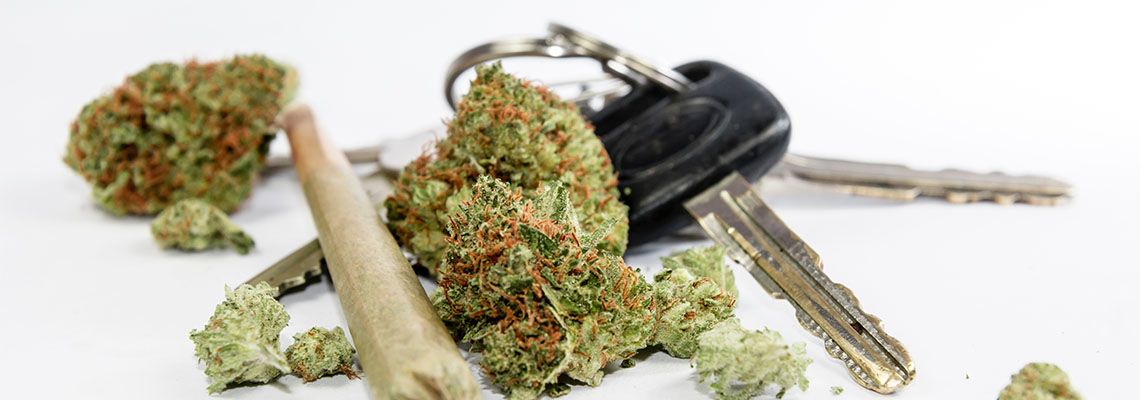
Image Source: res.cloudinary.com
Deciphering State Laws for Cannabis Travel
The most critical factor in traveling with medical cannabis is adhering to the specific state laws cannabis travel. Each state has its own regulations regarding possession limits, qualifying conditions, and whether out-of-state medical marijuana patient cards are recognized. The patchwork of laws means what’s legal in one state can be a criminal offense in another.
Interstate Travel Marijuana: A Minefield of Regulations
Interstate travel marijuana is where things get particularly tricky. Because cannabis remains illegal at the federal level, crossing state lines with it, even if you have a valid medical marijuana card from your home state, is a federal offense. Law enforcement officers at state borders or checkpoints are primarily concerned with federal law.
Carrying Medical Marijuana Across State Lines: What You Need to Know
Carrying medical marijuana across state lines is generally not advised. Even if you are traveling from a state with a robust medical marijuana program to another state with similar laws, you risk being charged with a federal crime. This is because you are transporting a federally controlled substance across borders.
Driving with Medical Cannabis: State-Specific Rules
Driving with medical cannabis within your home state might be permissible, but it’s essential to know your state’s specific rules. These often include:
- Possession Limits: Know the maximum amount you are legally allowed to carry.
- Open Container Laws: Many states have “open container” laws similar to those for alcohol, meaning cannabis products should be sealed and stored away from the driver and passengers.
- Impairment Laws: Driving under the influence of cannabis is illegal everywhere. Even if you are legally prescribed, being impaired while driving can lead to severe penalties.
Legality of Traveling with THC: A Federal vs. State Conflict
The legalities of traveling with THC are primarily defined by the conflict between state legalization and federal prohibition. While some states have legalized cannabis for medical or recreational use, the federal government still classifies it as a Schedule I drug. This federal stance trumps state laws when it comes to federal jurisdictions, such as national parks or federal highways.
Medical Cannabis Possession Limits for Travel
Medical cannabis possession limits travel vary significantly by state. These limits dictate the maximum amount of cannabis a patient can legally possess at any given time. When planning a road trip, it’s vital to research the possession limits for both your origin state and any states you will be traveling through or visiting.
Transporting Medical Marijuana Legally: Key Considerations
Transporting medical marijuana legally requires meticulous planning and strict adherence to regulations. Here are key factors to consider:
- State of Origin: Ensure you comply with your home state’s laws regarding possession and transport.
- Transit States: Research the laws of every state you will drive through. Some states have strict “no tolerance” policies for cannabis, regardless of your medical card.
- Destination State: Familiarize yourself with the laws of your destination, including whether they recognize out-of-state medical marijuana cards and what their possession limits are.
- Product Type: Different states have varying regulations for different forms of cannabis (e.g., flower, edibles, concentrates).
- Packaging: Keep cannabis in its original, child-resistant packaging. Avoid opening or consuming it in the vehicle.
- Storage: Store cannabis products securely and out of reach of the driver, ideally in the trunk or a locked container.
Road Trip with Medical Cannabis: Navigating the Challenges
Embarking on a road trip with medical cannabis requires more than just packing your medication. It involves becoming a diligent researcher of state laws and federal regulations.
Key Questions to Ask Before Your Road Trip:
- Does my medical marijuana card qualify me in the states I’m traveling through or to?
- What are the possession limits in those states?
- Are there specific rules about how cannabis must be stored in a vehicle?
- Are there any known checkpoints or increased enforcement in certain areas?
Prescription Cannabis Travel Restrictions: More Than Just a Card
Prescription cannabis travel restrictions extend beyond simply having a medical marijuana card. While some states have reciprocity agreements that allow out-of-state patients to purchase or possess cannabis, many do not. Even if a state recognizes your card for purchase, it doesn’t automatically grant you the right to transport cannabis purchased in another state.
Understanding Reciprocity Agreements
Reciprocity agreements are formal or informal understandings between states that allow registered medical marijuana patients from one state to use cannabis in another. These agreements are not universal and can be quite specific. For example, one state might recognize your card for purchasing cannabis but not for possessing cannabis you brought from your home state.
Fathoming the Legalities: Federal Law and Interstate Travel
The fundamental issue with interstate travel marijuana is that federal law doesn’t recognize state-sanctioned medical marijuana programs. The U.S. Controlled Substances Act (CSA) lists cannabis as an illegal drug. While the Department of Justice has issued memos (like the Cole Memo, though rescinded, its influence on enforcement remains) suggesting a hands-off approach to states that have legalized cannabis, these are policy guidelines, not changes to the law itself.
The Role of Federal Agencies and Roadblocks
Federal agencies, such as the Drug Enforcement Administration (DEA) and Border Patrol, enforce federal law. If you are stopped by federal authorities, even on a state highway, they have the authority to enforce the CSA. This means possessing cannabis, regardless of your medical card, can lead to federal charges.
National Parks and Federal Lands: A Strict No-Go Zone
Traveling with medical cannabis through or to national parks or other federal lands is strictly prohibited. These areas are under federal jurisdiction, and cannabis is illegal there, regardless of any state laws. This includes driving through national parks as a transit route.
Practical Advice for Traveling with Medical Cannabis
If you must travel with medical cannabis, extreme caution and meticulous preparation are paramount.
Minimizing Risk: Smart Strategies
- Know Your Limits: Adhere strictly to the possession limits of your home state and any states you are transiting. It’s often best to carry only what you absolutely need for the journey.
- Keep it Sealed: Ensure all cannabis products are in their original, factory-sealed packaging.
- Secure Storage: Store cannabis in the trunk of your vehicle, in a locked case, or in a place inaccessible to the driver and passengers. Never consume cannabis while driving or in the car.
- Avoid Open Consumption: Do not consume cannabis in the car, even if you are a passenger. This can be construed as public consumption or driving under the influence, depending on the circumstances.
- Research Thoroughly: Before you leave, spend ample time researching the laws of every state on your route. Websites of state marijuana regulatory agencies or legal advocacy groups can be invaluable.
- Consider Alternatives: If possible, explore obtaining a temporary supply of your medication in your destination state through legal means, if their program allows for it.
Alternative Transport Methods to Consider
- Mailing: In some cases, it may be legally permissible to mail cannabis from one state to another, but this is highly regulated and complex, with specific rules about packaging and labeling. Consult with legal experts before attempting this.
- Flying: Traveling with medical cannabis by air is generally prohibited by the Transportation Security Administration (TSA), as they report any suspected illegal substances to law enforcement.
State-Specific Considerations for Road Trips
Let’s look at some examples of how state laws can impact your travel. This is not exhaustive, and laws can change. Always verify the most current regulations.
States with Medical Marijuana Programs and Reciprocity
Many states have medical marijuana programs, but few offer broad reciprocity for out-of-state patients.
| State | Recognizes Out-of-State Cards? | Possession Limits (Example) | Other Key Travel Notes |
|---|---|---|---|
| California | Yes (limited) | 8 oz. flower, 6-12 oz. concentrate | While legal, federal law still applies on federal lands. |
| Colorado | Yes (limited) | Varies by dispensary | Public consumption is illegal. Keep products sealed and out of reach. |
| Florida | No | 35 days’ supply (flower) | Medical cannabis cannot be transported into or out of Florida. |
| Illinois | Yes (limited) | 2.5 oz. every 14 days | Patients must obtain a temporary medical marijuana card to purchase legally. |
| New York | Yes (limited) | 3 oz. flower, 16 oz. concentrate | Patients must register with the state. |
Note: Possession limits and reciprocity rules are subject to change and can vary based on specific product types. Always consult official state resources.
States with Stricter Laws or No Programs
Some states have very strict laws regarding cannabis possession, even for medical use.
- Idaho: Cannabis is illegal in any form. Possessing even a small amount can lead to arrest.
- South Carolina: Very limited medical cannabis program, with a focus on low-THC CBD oil. Transporting anything with higher THC content is risky.
- Kansas: Similar to Idaho, cannabis is illegal.
Key takeaway: If your route takes you through states with strict prohibitionist laws, it is safest to avoid carrying any cannabis products.
Frequently Asked Questions (FAQ)
Can I carry medical marijuana if I have a card from another state?
While some states offer limited reciprocity, many do not. Even in states that recognize out-of-state cards for purchase, carrying medical marijuana across state lines that you purchased in your home state can still be a federal offense.
What happens if I’m caught with medical marijuana crossing state lines?
You could face federal charges, including possession of a controlled substance. This can result in fines, jail time, and a criminal record, which can have long-term consequences for employment, housing, and travel.
Are there any exceptions for medical cannabis when traveling?
The primary exception is for states that have established reciprocity agreements, allowing out-of-state patients to legally possess and often purchase cannabis within their borders. However, these exceptions rarely extend to interstate travel marijuana where you are transporting the substance yourself.
How should I store medical cannabis in my car for travel?
It should be kept in its original, sealed packaging, preferably in a locked container or the trunk of your vehicle, away from the driver and passengers.
Can I travel through a national park with medical marijuana?
No. National parks and other federal lands are governed by federal law, where cannabis is illegal.
Conclusion: Prioritizing Safety and Legality
Traveling with medical cannabis is a high-stakes endeavor. The patchwork of state laws, coupled with federal prohibition, creates a complex legal environment. While the desire for continuous treatment is understandable, the risks associated with interstate travel marijuana are substantial.
Before embarking on any road trip, thoroughly research the laws of every state on your itinerary. If there is any uncertainty, or if your route includes states with strict anti-cannabis laws or federal jurisdiction areas, it is advisable to make alternative arrangements for your medication rather than risk legal repercussions. Your health and well-being are paramount, but so is your freedom and legal standing. Making informed decisions based on comprehensive research is the most critical step in transporting medical marijuana legally or, more often, choosing not to transport it at all when crossing state lines.