
Can I stop my car windows from fogging up? Yes, you can stop your car windows from fogging up by managing the moisture inside your car and improving airflow. This blog post will explore various methods and products to help you combat interior condensation.
Foggy car windows are more than just an annoyance; they’re a significant safety hazard. When your windshield fogs up, your vision is impaired, making it difficult to see the road, other vehicles, pedestrians, and potential dangers. This can lead to accidents, especially during critical driving moments. Fortunately, you can take steps to prevent foggy windows and ensure a clear view at all times.
This guide will delve into the science behind foggy windows, practical DIY solutions, and effective products designed to keep your car’s glass crystal clear. We’ll cover everything from simple adjustments to specialized gear, ensuring you have the knowledge to stop car fogging up effectively.
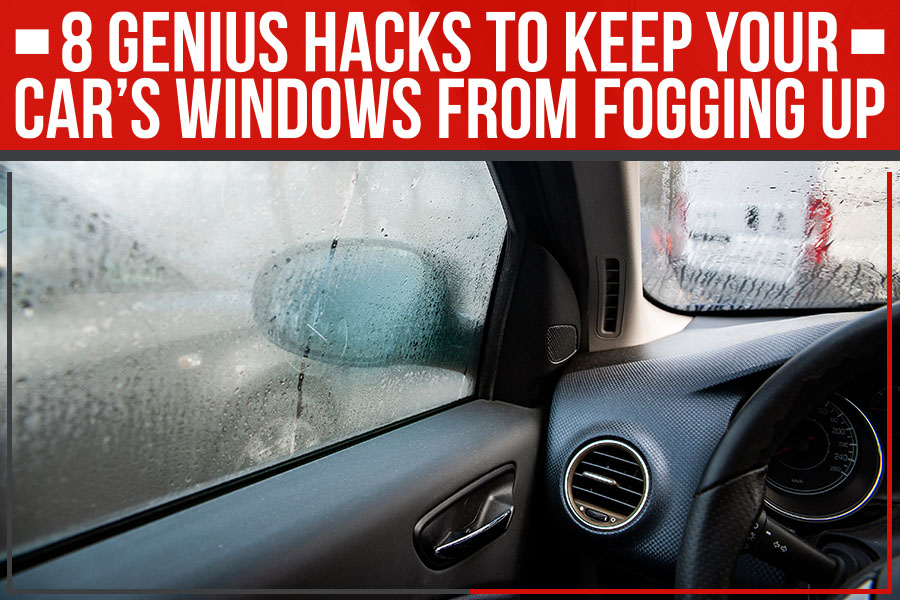
Image Source: www.yorkchryslerdodgejeepram.com
The Science Behind Foggy Windows
Foggy windows in your car are a result of condensation. This happens when warm, moist air inside your car comes into contact with the cooler surface of your windows. The water vapor in the air cools down, changes from a gas to tiny liquid droplets, and forms a visible mist on the glass.
Several factors contribute to this phenomenon:
- Humidity: The amount of water vapor in the air inside your car. This can come from various sources.
- Temperature Difference: The contrast between the warm, humid interior air and the cooler exterior temperature or cooler glass surface.
Common Sources of Interior Condensation
To effectively prevent foggy windows, it’s crucial to identify where the moisture is coming from. Common culprits include:
- Breathing: We exhale warm, moist air, and the more passengers you have, the more moisture enters the car.
- Wet Items: Bringing wet umbrellas, coats, shoes, or floor mats into the car introduces significant moisture.
- Spilled Drinks: Even small spills can evaporate over time, contributing to humidity.
- Leaky Seals: Damaged door or window seals can allow rain or dew to enter the car.
- Air Conditioning System: Sometimes, the AC system itself can hold excess moisture.
- Car Deodorizers or Air Fresheners: Some of these can actually add to the moisture content in the air.
- Pets: Wet pets can bring a lot of moisture into the vehicle.
When the warm, moist air from these sources hits the cooler glass, condensation forms, obscuring your view.
Effective Ways to Stop Car Fogging Up
Now that we know why windows fog up, let’s explore how to stop it. The key is to control the moisture and improve air circulation.
Harnessing Your Car’s Climate Control System
Your car’s built-in climate control system is your first line of defense against foggy windows.
Using the Air Conditioning (AC) Effectively
The AC system is designed to dehumidify the air. When you turn on the AC, it cools the air and removes moisture from it.
- Run the AC, even in winter: Many people believe the AC is only for cooling, but it’s also a powerful dehumidifier. If your windows are fogging up in cold weather, turn on the AC along with your heater. The AC will dry the air, and the heater will warm it, providing a clear and comfortable interior.
- Use the “Recirculate” vs. “Fresh Air” setting:
- Fresh Air Setting: This is generally better for defogging because it brings in drier outside air (especially if the outside air is cold and dry) and pushes out the moist interior air.
- Recirculate Setting: This keeps the air circulating within the cabin. While good for quickly warming or cooling the car, it can trap moist air inside, exacerbating fogging if the humidity is already high.
The Defroster/Defogger Settings
Most cars have dedicated defroster or defogger settings for the windshield and rear window.
- Front Defroster: This setting directs air directly to the windshield, often with a focus on using the AC to dehumidify the air.
- Rear Defroster: This uses heating elements embedded in the glass to evaporate moisture.
When you notice fog, immediately switch to the front defroster setting and turn the fan speed up.
Improving Air Circulation
Good airflow is essential to prevent moist air from lingering on your windows.
- Crack Open Windows: Even opening the windows a tiny bit can allow moist interior air to escape and drier exterior air to enter. This is a quick fix, especially at lower speeds or when stationary.
- Ventilation: Regularly using your car’s ventilation system without the AC or heat can also help exchange interior air with exterior air.
Reducing Interior Moisture
The less moisture inside your car, the less likely condensation will form.
- Dry Wet Items: Shake off umbrellas and coats before bringing them inside. If possible, store wet items in waterproof bags or the trunk.
- Clean Floor Mats: Regularly clean and dry your car’s floor mats. Consider using rubber mats, which are easier to dry than fabric ones.
- Check for Leaks: Inspect your door and window seals for damage. A professional can help repair any leaks that let in moisture.
- Ventilate After Rain: If you’ve driven in the rain, open the windows for a few minutes when you arrive at your destination to let out trapped moisture.
DIY Solutions for Preventing Foggy Windows
Before reaching for specialized products, there are several simple and inexpensive DIY methods you can try. These often involve creating a barrier on the glass that repels moisture.
Shaving Cream Trick
This is a popular and surprisingly effective method.
- Apply a Small Amount: Put a small amount of shaving cream (the foamy kind, not gel) onto a clean microfiber cloth.
- Wipe the Inside of the Glass: Rub the shaving cream onto the inside surface of your windows in a circular motion.
- Buff Off: Use a separate, clean, dry microfiber cloth to buff the glass until it’s completely clear and streak-free.
The residue left behind from the shaving cream acts as an anti-fog coating, preventing water droplets from clinging to the glass. This is a temporary solution, and you’ll need to reapply it periodically.
Potato Method
Believe it or not, a potato can also help!
- Cut a Potato: Cut a raw potato in half.
- Rub on Glass: Rub the cut side of the potato across the inside of your car windows.
- Let it Dry: Allow the starchy residue to dry on the glass.
- Buff Clean: Buff the glass with a clean, dry cloth.
The starch in the potato acts similarly to shaving cream, creating a temporary barrier against fog.
Dish Soap Solution
A diluted dish soap solution can also provide a temporary anti-fog effect.
- Mix Solution: Mix a few drops of mild dish soap with water in a spray bottle.
- Apply Sparingly: Lightly spray the solution onto the inside of your windows.
- Wipe and Buff: Use a clean cloth to spread the solution evenly, then buff until clear.
Be careful not to use too much soap, as it can leave streaks.
Choosing the Best Anti-Fog for Car Windows
When DIY methods aren’t enough, or you’re looking for a more robust and longer-lasting solution, consider dedicated anti-fog products. These are specifically formulated to create a clear, fog-resistant coating on glass.
Types of Anti-Fog Products
- Anti-Fog Sprays: These are the most common and easiest to use. You spray them directly onto the glass and wipe them in with a cloth. They are designed to be streak-free and provide a durable coating.
- Anti-Fog Wipes: Similar to sprays but pre-moistened, these are convenient for quick application and touch-ups.
- Anti-Fog Cloths: These cloths are impregnated with anti-fog agents. You simply wipe the glass with the cloth to apply the treatment.
What to Look for in a Quality Product
When selecting an anti-fog car spray or other product, consider the following:
- Longevity: How long does the anti-fog effect last? Some products require frequent reapplication, while others can last for weeks or months.
- Clarity: Does the product leave any streaks or haziness? A good product should dry completely clear.
- Ease of Use: Is the application process straightforward?
- Safety: Is the product safe for automotive glass and interior surfaces?
- Effectiveness: Does it actually prevent foggy windows reliably?
Top Picks for Anti-Fog Treatments (Based on general popularity and reviews)
While product availability and formulations change, here are some types of products and what users often look for:
| Product Type | Key Features | Considerations |
|---|---|---|
| Anti-Fog Spray | Easy to apply, covers large areas, often long-lasting. | Requires a clean cloth for application and buffing. May need reapplication after a few weeks. |
| Anti-Fog Wipes | Portable, convenient for quick touch-ups, pre-moistened. | May not cover large areas as efficiently as sprays. Can be more expensive per application. |
| Anti-Fog Cloths | Very simple to use, no sprays or extra tools needed. | Effectiveness can vary greatly by brand. Might be less potent than sprays for severe fogging issues. |
| Car Dehumidifier | Absorbs moisture from the air, helping to prevent foggy windows by reducing overall humidity. | Usually placed inside the car, needs periodic drying out or replacement. Not an immediate defogging solution. |
| Car Window Cleaner Anti-Fog | Combines cleaning power with anti-fog properties. Useful for routine cleaning. | May not be as potent as dedicated anti-fog treatments for extreme conditions. |
Best Anti-Fog for Car Windows Considerations:
- Clear View Pro Anti-Fog Spray: Often praised for its effectiveness and long-lasting results.
- Rain-X Anti-Fog: A well-known brand in automotive care, their anti-fog product is a popular choice.
- Aechem Anti-Fog Spray: Frequently recommended for its ability to prevent fogging on interior surfaces without streaks.
- Invisible Glass Anti-Fog Wipes: Convenient for those who want a quick and easy application on the go.
When researching best anti-fog for car windows, look for reviews that mention streak-free application and durability.
Utilizing a Car Dehumidifier
A car dehumidifier is a passive device that helps absorb excess moisture from the air within your vehicle. These are particularly useful for preventing condensation buildup over time, especially in humid climates or during prolonged periods of inactivity.
How Car Dehumidifiers Work
Car dehumidifiers typically contain silica gel or similar absorbent materials. These materials attract and trap water molecules from the air.
- Silica Gel Packs: These are often found in small pouches. You can place them in your car, and they will absorb moisture. Once saturated, they need to be “recharged” by drying them out (e.g., in a microwave or oven, following product instructions).
- Reusable Dehumidifier Boxes: These are larger containers filled with absorbent material. They can absorb a significant amount of moisture and are typically rechargeable.
When to Use a Car Dehumidifier
- Preventative Measure: Place a dehumidifier in your car year-round to maintain a lower humidity level.
- After Wet Weather: If your car has been exposed to significant rain or snow, a dehumidifier can help dry out the interior.
- Stagnant Air: For cars that sit unused for extended periods, a dehumidifier can prevent musty odors and moisture buildup.
While a car dehumidifier won’t provide an instant fix for heavily fogged windows, it’s an excellent tool for managing car interior humidity and preventing the conditions that lead to fogging.
Advanced Techniques and Maintenance
Beyond immediate solutions, consistent maintenance and a few advanced techniques can keep your windows clear.
Cleaning Your Windows Properly
A clean window surface is less likely to fog up than a dirty one. Dirt and grime provide nucleation sites for water droplets to form.
The Best Way to Clean Car Windows
- Use Quality Products: Opt for a good car window cleaner anti-fog product or a dedicated glass cleaner. Avoid ammonia-based cleaners, as they can damage tinted windows and some interior surfaces.
- Use Clean Microfiber Cloths: Use two clean microfiber cloths: one for applying the cleaner and one for drying and buffing. This prevents spreading dirt and creating streaks.
- Clean in the Shade: Clean windows when they are cool to the touch, ideally in the shade. Direct sunlight can cause the cleaner to evaporate too quickly, leaving streaks.
- Wipe in Different Directions: For the interior, wipe in horizontal strokes. For the exterior, wipe in vertical strokes. This helps you identify which side of the glass has streaks.
- Don’t Forget Edges: Pay attention to the edges and corners of the windows where dirt and moisture can accumulate.
Treating the Interior Surfaces
While we focus on glass, other interior surfaces can contribute to moisture.
- Carpet and Upholstery: Ensure carpets and upholstery are dry. If they are damp, use a car dehumidifier or open windows to dry them out.
- Dashboard and Door Panels: Clean these surfaces regularly. Some products can leave a slight residue that attracts moisture.
Maintaining Your Car’s Ventilation System
A well-maintained ventilation system is crucial for good airflow.
- Replace Cabin Air Filter: A clogged cabin air filter can restrict airflow, making your defroster less effective. Check your car’s manual for recommended replacement intervals.
- Check AC System: If you suspect your AC system isn’t working efficiently or is contributing to moisture, have it inspected by a professional.
When to Seek Professional Help
While most window fogging issues can be resolved with the methods discussed, there are times when professional help might be necessary.
Persistent Fogging
If your windows continue to fog up despite trying various methods, there might be a more significant issue.
- Coolant Leaks: A leak in your car’s heater core can cause coolant to enter the cabin, leading to a film on the inside of your windows that makes them prone to fogging.
- Clogged AC Drains: If the AC system’s drain hose is blocked, water can back up into the cabin, increasing interior humidity.
Professional Cleaning and Treatment
Some detailing services offer specialized treatments for interior glass that can provide longer-lasting anti-fog protection than DIY applications.
Troubleshooting Common Fogging Scenarios
Let’s address specific situations you might encounter.
Fogging Up in Cold Weather
This is the most common scenario. Warm, moist air from your breath and body hits the cold glass.
- Solution: Turn on the front defroster, engage the AC, set the temperature to warm, and use the “Fresh Air” setting. Crack a window slightly if needed.
Fogging Up in Humid/Rainy Weather
When the outside air is warm and humid, bringing it into the car can still cause fogging, especially if the interior surfaces are cooler.
- Solution: Use the AC on a cool setting with the “Fresh Air” vent. This will dehumidify the incoming air. If it’s chilly, use the AC with the heat as described for cold weather.
Fogging After Parking in the Sun
If your car sits in the sun, the interior heats up, increasing the air’s capacity to hold moisture. When it cools down, or when you turn on the AC, condensation can form.
- Solution: Ventilate the car before driving. Use the AC with the “Fresh Air” setting.
Frequently Asked Questions (FAQ)
-
Q1: How quickly can I stop my car windows from fogging up?
A1: Using your car’s defroster and AC system usually provides near-instantaneous results for defogging car windshield issues. DIY and product applications take a few minutes to apply. -
Q2: Do anti-fog car sprays really work?
A2: Yes, effective anti-fog car spray products are designed to create a hydrophobic barrier on the glass, significantly reducing or preventing condensation. Look for reputable brands. -
Q3: Is it bad to use the AC in winter to defog my windows?
A3: No, it’s highly recommended! The AC system acts as a dehumidifier, removing moisture from the air, which is the primary cause of fogging, even in cold weather. -
Q4: How often should I reapply anti-fog treatments?
A4: This depends on the product and environmental conditions. Some treatments last weeks, while others may need reapplication every few days or after cleaning the windows. Check product instructions. -
Q5: Can a car dehumidifier stop my windows from fogging up immediately?
A5: A car dehumidifier is more of a preventative measure. It reduces overall car interior humidity, which helps prevent foggy windows over time, but it’s not an immediate defogging solution like the AC or defroster. -
Q6: What is the best way to clean my car windows to prevent fogging?
A6: Use a dedicated car window cleaner anti-fog spray or a good glass cleaner with clean microfiber cloths, cleaning in a shaded area to avoid streaks.
By understanding the causes of foggy windows and implementing these practical solutions, you can ensure clear visibility and a safer driving experience. Regularly managing your car’s interior humidity and maintaining your climate control system are key to saying goodbye to foggy windows for good.