
Can you lease a car with bad credit? Yes, it is possible to lease a car even with a less-than-perfect credit score. While it might be more challenging and potentially come with higher costs, avenues exist to secure a lease agreement when your credit history isn’t ideal. This guide will walk you through the process, offering practical advice and highlighting key considerations for those seeking a vehicle lease with bad credit.
Leasing a car when you have bad credit can seem like a daunting task, but it’s not an impossible one. Many people face credit challenges, and the automotive industry recognizes this. This article will delve into how you can navigate the world of car leasing with a tarnished credit report, offering practical steps and insights. We’ll explore the nuances of subprime auto financing, how bad credit car loans work in the leasing context, and where to find bad credit auto leasing companies that specialize in these situations. We’ll also touch upon concepts like second chance auto loans and vehicle financing with poor credit, and what to expect when you’re looking for a no credit check car lease (though true “no credit check” options are rare and often come with significant drawbacks). You’ll learn about the possibility of guaranteed car approval and what it truly entails, as well as how this differs from bad credit car rental or dealing with repo car loans. We’ll also cover bad credit used car financing as an alternative.
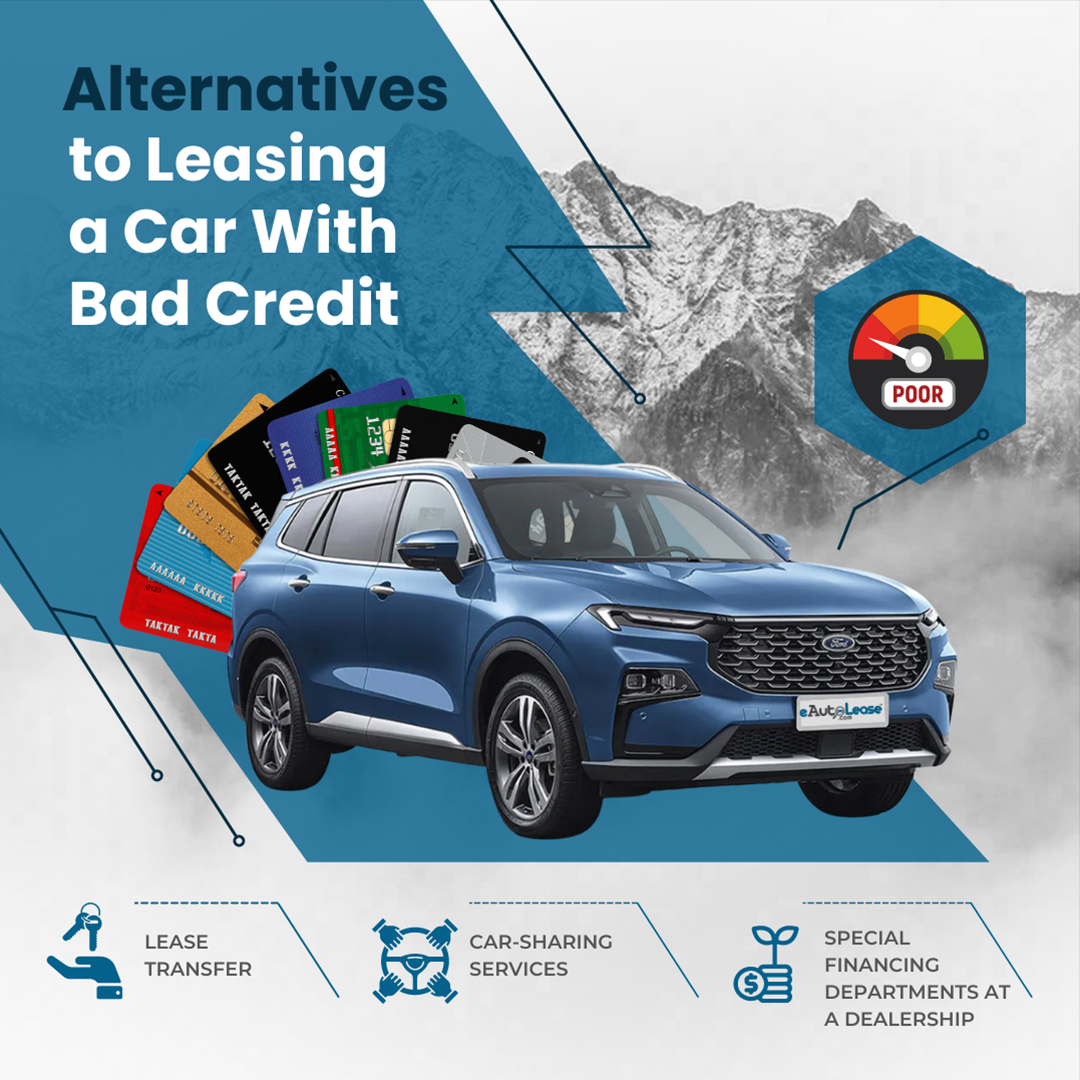
Image Source: www.eautolease.com
Getting Started: Assessing Your Credit Situation
Before you even think about visiting a dealership or browsing online listings, the first crucial step is to know where you stand. This means obtaining and reviewing your credit reports.
Why Credit Reports Matter
Your credit report is a detailed history of how you’ve managed debt. It includes information on:
- Payment History: Whether you’ve paid bills on time.
- Credit Utilization: How much of your available credit you are using.
- Length of Credit History: How long you’ve had credit accounts.
- Credit Mix: The types of credit you have (e.g., credit cards, loans).
- New Credit: How many new accounts you’ve opened recently.
Lenders use this information to assess your risk. A lower credit score, often below 670, generally indicates a higher risk to lenders.
Obtaining Your Free Credit Reports
You are entitled to a free copy of your credit report from each of the three major credit bureaus (Equifax, Experian, and TransUnion) once every 12 months. You can get these at:
- AnnualCreditReport.com: This is the official, government-mandated website for free credit reports.
Analyzing Your Credit Report
Once you have your reports, look for:
- Errors: Incorrect information can significantly lower your score. Dispute any errors immediately.
- Negative Marks: Late payments, defaults, repossessions (leading to repo car loans if you’ve had vehicles repossessed), bankruptcies, and collections can all impact your ability to lease.
- Your Credit Score: While not on the report itself, you can often get your score from your bank, credit card company, or through services like AnnualCreditReport.com.
Leasing vs. Buying with Bad Credit
When your credit score is low, both leasing and buying a car will present challenges. It’s important to understand the differences and which might be a better fit for your situation.
Leasing Basics
Leasing essentially means you are renting a car for a fixed period, usually 2-4 years, and paying for the depreciation (the decrease in the car’s value) during that time, plus interest and fees.
- Lower Monthly Payments: Often, lease payments are lower than loan payments for the same car.
- Newer Cars: Leases typically involve newer vehicles.
- Mileage Limits: You are restricted on how many miles you can drive annually.
- Wear and Tear: You’re responsible for maintaining the car in good condition.
- No Ownership: At the end of the lease, you don’t own the car unless you choose to buy it.
Buying Basics
Buying a car means you take out a loan and own the vehicle once the loan is paid off.
- Higher Monthly Payments: Loan payments are usually higher than lease payments for the same car.
- Ownership: You own the car outright.
- No Mileage Limits: You can drive as much as you want.
- Depreciation: You bear the full brunt of the car’s depreciation.
Which is Better with Bad Credit?
For those with bad credit, leasing can sometimes be more accessible, but not always cheaper.
- Leasing: You might qualify for a lease with a lower down payment than a purchase, and the monthly payments might be more manageable. However, the interest rates (money factor) on leases for those with bad credit can be significantly higher. You also need to be comfortable with mileage restrictions.
- Buying: While monthly payments might be higher, you build equity in the vehicle. With bad credit car loans or second chance auto loans, you can secure financing for a purchase. Bad credit used car financing is a popular route for buyers with lower credit scores.
Navigating the Lease Application Process with Bad Credit
When applying for a car lease with poor credit, dealerships and leasing companies will scrutinize your application more closely. Here’s what they’ll be looking for and how you can prepare.
Key Factors Lenders Consider
Beyond your credit score, lenders evaluate several other aspects of your financial health:
- Down Payment: A larger down payment significantly reduces the lender’s risk and can make it easier to get approved.
- Trade-in Value: If you have a car to trade in, its value can be applied to the lease, similar to a down payment.
- Income and Employment Stability: Lenders want to see that you have a stable income sufficient to cover the monthly payments. They’ll typically look for a debt-to-income ratio (DTI) below 43%.
- Proof of Residence: Steady residency also signals stability.
Improving Your Chances of Approval
- Save for a Larger Down Payment: This is the most impactful way to offset a low credit score. A substantial down payment shows the lender you’re serious and financially capable.
- Co-signer: A co-signer with good credit can significantly improve your approval odds. However, remember that the co-signer is equally responsible for the lease payments, and their credit could be negatively impacted if you default.
- Choose a Less Expensive Car: Opting for a car with a lower MSRP (Manufacturer’s Suggested Retail Price) means a lower monthly payment and a smaller lease amount, making it less risky for the lender.
- Shorter Lease Term: A shorter lease term means you’re borrowing for a shorter period, which can sometimes lead to easier approval.
- Lower Mileage Allowance: If you don’t drive much, selecting a lower annual mileage allowance will reduce the car’s expected depreciation and can lower your monthly payment.
Where to Find Lease Deals with Bad Credit
Finding the right place to apply is crucial when you have a low credit score. Not all dealerships or leasing companies are equipped to handle subprime applications.
Dealerships Specializing in Bad Credit
Some dealerships have dedicated departments or partnerships that work with lenders specializing in subprime auto financing. These dealerships are often more willing to work with customers who have less-than-perfect credit.
- Look for “Bad Credit Leasing” or “Second Chance Leasing” programs.
- Be upfront about your credit situation early on.
Online Lenders and Leasing Platforms
The internet has opened up more options. Many online platforms connect buyers with dealerships and lenders who offer vehicle financing with poor credit.
- Pros: Convenience, wider selection, potential for competitive rates from specialized lenders.
- Cons: Less personal interaction, need to be cautious about scams. Always research the platform and its partners.
In-House Financing (Less Common for Leasing)
While some dealerships offer in-house financing for purchases, it’s less common for leasing. When it is available, it might be an option, but ensure you understand the terms thoroughly.
Bad Credit Auto Leasing Companies
There are companies that specifically focus on helping people with poor credit lease vehicles. These companies often work with a network of dealerships and lenders who understand the challenges of subprime auto financing. They can be a valuable resource.
Understanding Lease Terms and Costs with Bad Credit
When you have bad credit, lease terms and costs can differ significantly from those offered to individuals with excellent credit. You need to be particularly vigilant about understanding all the details.
Key Lease Terminology to Know
- Capitalized Cost (Cap Cost): The price of the car that is actually being financed. A lower cap cost means lower monthly payments.
- Cap Cost Reduction: This is like a down payment on a lease. It reduces the cap cost and your monthly payments.
- Money Factor: This is the interest rate for a lease, expressed as a decimal (e.g., 0.00150). To convert it to an annual percentage rate (APR), multiply by 2400 (0.00150 * 2400 = 3.6% APR). For bad credit, this rate will likely be higher.
- Residual Value: The estimated value of the car at the end of the lease term. A higher residual value means lower monthly payments.
- Lease Term: The duration of the lease, typically 24, 36, or 48 months.
- Annual Mileage Allowance: The number of miles you can drive per year without penalty.
- Acquisition Fee: A fee charged by the leasing company to set up the lease.
- Disposition Fee: A fee charged at the end of the lease for returning the car, especially if it’s in poor condition or over mileage.
Potential Additional Costs for Bad Credit Leases
- Higher Interest Rates (Money Factor): Lenders will charge more to compensate for the increased risk. This will directly increase your monthly payment.
- Higher Security Deposit: You might be required to pay a larger security deposit.
- Stricter Lease Terms: Shorter terms, lower mileage limits, and higher penalties for exceeding them are common.
- Limited Vehicle Selection: You might have fewer vehicle choices, often leaning towards more affordable and fuel-efficient models.
Evaluating Specific Lease Offers
When you receive lease offers, it’s essential to compare them carefully, especially when your credit is a factor.
What to Look for in an Offer
- Total Monthly Payment: This should include all fees and taxes.
- Down Payment / Cap Cost Reduction: How much is required upfront?
- Money Factor (Interest Rate): Get this explicitly stated.
- Residual Value: Make sure it’s reasonable for the car.
- Mileage Allowance: Does it fit your driving habits?
- Fees: Are there excessive acquisition, disposition, or early termination fees?
Example Lease Offer Comparison (Hypothetical)
Let’s consider two hypothetical lease offers for the same car, demonstrating the impact of credit:
| Feature | Offer A (Good Credit) | Offer B (Bad Credit) |
|---|---|---|
| MSRP | $25,000 | $25,000 |
| Capitalized Cost | $23,000 | $23,500 |
| Capitalized Cost Reduction | $2,000 | $3,000 |
| Adjusted Cap Cost | $21,000 | $20,500 |
| Residual Value (40%) | $10,000 | $10,000 |
| Lease Term | 36 months | 36 months |
| Mileage Allowance | 12,000 miles/year | 10,000 miles/year |
| Money Factor | 0.00120 (2.88% APR) | 0.00250 (6.00% APR) |
| Estimated Monthly Payment | $320 | $410 |
| Fees (Acquisition, etc.) | $700 | $900 |
| Total Monthly Cost | $339 (approx.) | $435 (approx.) |
Note: These are simplified estimates. Actual calculations can be more complex.
As you can see, Offer B (bad credit) has a higher monthly payment due to the higher money factor and potentially higher fees.
Alternatives to Leasing with Bad Credit
If leasing a car with bad credit proves too difficult or too expensive, several alternatives can help you obtain transportation.
Bad Credit Used Car Financing
This is often the most accessible option for those with poor credit. You can get a loan to purchase a pre-owned vehicle.
- Benefits: You build ownership and equity. Used cars are typically less expensive, meaning smaller loan amounts.
- Considerations: The car will be older and may require more maintenance. Interest rates on bad credit car loans for used vehicles can still be high.
Second Chance Auto Loans
These are loans specifically designed for individuals with bad credit or no credit history. They often come with higher interest rates and may require a larger down payment or a co-signer.
Buy Here Pay Here (BHPH) Dealerships
BHPH dealerships finance vehicles directly through the dealership, bypassing traditional banks and lenders.
- Pros: Easier approval, often work with very low credit scores.
- Cons: Interest rates are typically very high. Cars may be older and of lower quality. Repossession can be quick if payments are missed. This is sometimes linked to repo car loans in the sense of avoiding a past repossession or fearing another.
Bad Credit Car Rental
While not a long-term solution, a bad credit car rental agreement could be an option for short-term needs. However, rental agreements have strict terms and are not designed for regular, ongoing use as a personal vehicle.
What is Guaranteed Car Approval?
The term “guaranteed car approval” is often used in advertising, especially by dealerships that cater to customers with poor credit. It’s important to understand what this truly means.
- Not a Blank Check: It doesn’t mean you can lease or buy any car you want with no questions asked.
- Pre-Qualification: It usually refers to a pre-approval or pre-qualification process based on a preliminary review of your credit and income.
- Subject to Final Review: Even with “guaranteed approval,” the lease or loan is still subject to a final review and approval by the actual lender.
- Limited Choices: Approval might be for specific vehicles, often older or less desirable models, with less favorable terms.
- Beware of “No Credit Check Car Lease”: True no credit check car lease options are exceptionally rare, and those that claim to exist often involve extremely high prices, punitive terms, or are outright scams. Most legitimate leasing requires some form of credit check.
Preparing for the Dealership Visit
Once you’ve done your research and assessed your credit, you’re ready to approach dealerships.
What to Bring
- Driver’s License: For identification.
- Proof of Income: Recent pay stubs, bank statements, or tax returns.
- Proof of Residence: Utility bills or bank statements showing your address.
- Trade-in Information: If applicable, your car’s title and registration.
- Co-signer Information: If you’re using a co-signer, they’ll need to provide their information as well.
Negotiation Strategies
- Negotiate the Price First: Focus on negotiating the capitalized cost of the vehicle before discussing monthly payments or lease terms.
- Shop Around: Get quotes from multiple dealerships.
- Read Everything: Don’t sign anything until you’ve read and understood every word.
Frequently Asked Questions (FAQ)
Here are some common questions people have when looking to lease a car with bad credit.
Q1: How bad does my credit have to be to affect my lease options?
Generally, scores below 670 are considered “fair” or “poor” by many lenders. Scores below 600 can make it very difficult to get approved for a lease without significant concessions like a large down payment or a co-signer.
Q2: Can I lease a car with no credit history?
Leasing with no credit history is challenging. Lenders prefer to see a track record of responsible credit use. You might need to consider building credit first through secured credit cards or small loans, or use a co-signer with good credit. Some dealerships might offer options, but they often come with higher costs.
Q3: What happens if I need to end my lease early with bad credit?
Ending a lease early, especially with bad credit, can be very expensive. You’ll likely face substantial early termination fees, which can amount to thousands of dollars. You may also be responsible for the remaining payments, depreciation, and any fees.
Q4: Are there specific types of cars that are easier to lease with bad credit?
Yes, typically more affordable, fuel-efficient, and less expensive vehicles are easier to lease with bad credit. Luxury vehicles or high-performance cars are usually out of reach.
Q5: What’s the difference between a bad credit car loan and a lease for someone with bad credit?
A bad credit car loan allows you to purchase a vehicle, building equity over time. A lease is essentially a long-term rental where you pay for depreciation. With bad credit, both options might have higher interest rates, but a lease might offer lower initial monthly payments, whereas a loan helps build ownership.
Leasing a car with bad credit is achievable with careful planning and a realistic approach. By understanding your credit, exploring the right avenues, and being prepared for potentially higher costs, you can successfully navigate the process and get behind the wheel of a vehicle. Remember to prioritize transparency and thorough review of all lease agreements.