
Imagine a stubborn grease stain on your driveway that just won’t budge, or mold creeping up your patio furniture. We’ve all faced those tough cleaning jobs that leave us scrubbing endlessly with little success. But what if there was a tool that could blast away grime, oil, and even tough mildew with surprising ease?
That’s where a hot pressure washer comes in. These powerful machines use heated water to tackle dirt and stains that cold water pressure washers just can’t handle. But with so many brands and features out there, picking the perfect one can feel like a puzzle. You might wonder about the difference between PSI and GPM, or which accessories are actually worth it. It’s easy to get lost in the technical jargon and end up with a machine that’s not quite right for your needs.
In this post, we’re going to cut through the confusion. We’ll explore what makes a hot pressure washer so effective and guide you through the key features to look for. By the end, you’ll have the knowledge to choose a hot pressure washer that makes your cleaning chores a breeze, saving you time and effort.
Our Top 5 Hot Pressure Washer Recommendations at a Glance
Top 5 Hot Pressure Washer Detailed Reviews
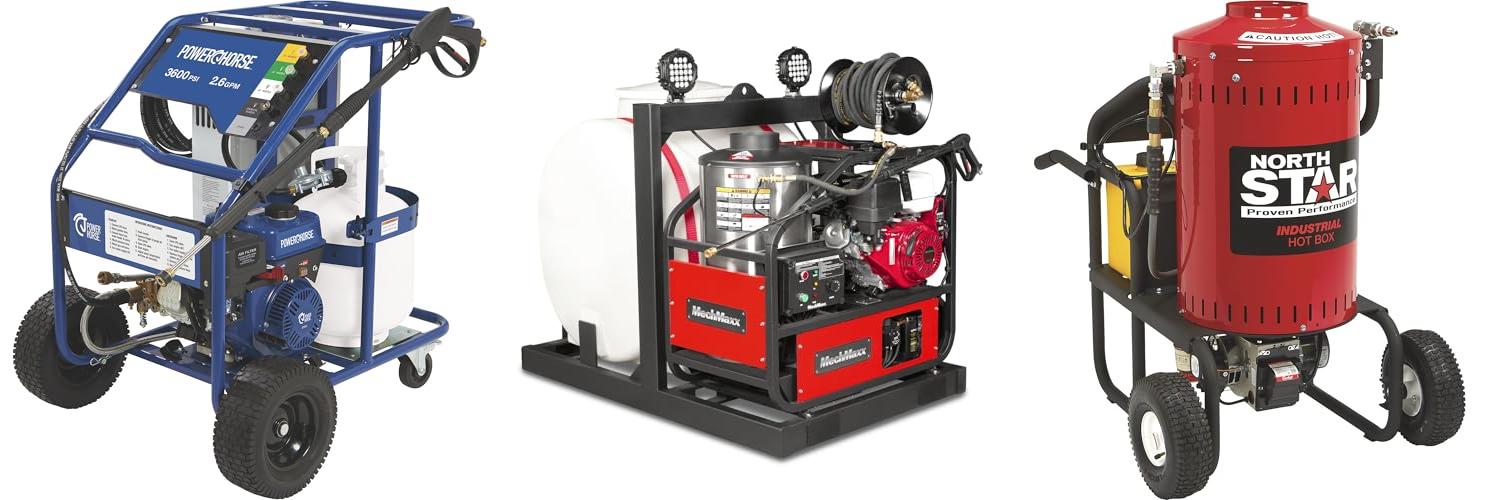
1. Powerhorse Propane Pressure Washer

Rating: 9.3/10
The Powerhorse Propane Pressure Washer is a powerful cleaning machine. It’s designed to make tough jobs easy. This pressure washer uses propane to heat the water, making it even better at cleaning. It’s great for your car, your driveway, or anything else that needs a deep clean.
What We Like:
- This gas pressure washer cleans twice as fast as cold water ones. Hot water breaks down grease and oil quickly. This saves you time and effort.
- It heats water up to 150°F in just minutes. This heated cleaning power gives you amazing results.
- It’s lightweight and easy to handle. Setup is simple, making cleaning hassle-free.
- It’s built to last. It has a strong pump, thermal protection, and an oil shutdown feature. This ensures it works well for a long time.
- The Powerhorse 212cc engine is very powerful. It delivers up to 3600 PSI and 2.6 GPM. This means it can handle even the hardest cleaning jobs.
What Could Be Improved:
- While it’s designed for convenience, some users might find the propane tank setup requires a bit of getting used to.
- The powerful engine, while excellent for cleaning, can be a bit noisy during operation.
This pressure washer is a fantastic tool for anyone who wants a cleaner space. It offers both power and convenience for all your cleaning needs.
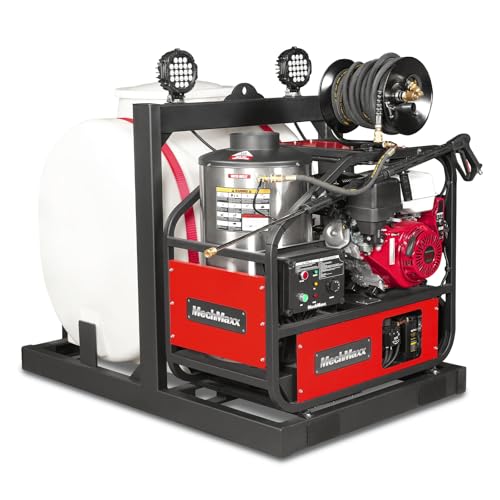
2. MechMaxx 4000 PSI 4 GPM Honda GX390 389CC 11.7HP E-Start Engine Hot Water Pressure Washer Skid Mounted with 175 Gal Tank
Rating: 9.3/10
Tackle your toughest cleaning jobs with the MechMaxx HPW40HT Hot Water Pressure Washer. This powerhouse is built for serious work, featuring a reliable Honda GX390 engine with easy electric start. It blasts away grime with super hot water, reaching up to 200°F, and delivers an impressive 4,000 PSI of cleaning force at 4 GPM. Whether you’re on a farm, a construction site, or in an industrial setting, this machine is ready to go.
What We Like:
- The Honda GX390 engine starts easily and runs smoothly.
- It heats water to a scorching 200°F for deep cleaning.
- Forklift slots and a lift hook make it simple to move.
- The sturdy, welded steel frame is built to last and resist rust.
- A huge 175-gallon water tank means you can work longer without refilling, even in places without a water hookup.
- It’s designed for easy mounting on trucks or trailers, so you can take it anywhere.
- This washer is a fantastic value for its high performance.
What Could Be Improved:
- Be very careful with the diesel burner to avoid dense black smoke. Follow the instructions precisely.
- You need to add oil and gasoline to the engine before you can start it.
- Always read the manual and safety labels before using the machine.
This MechMaxx pressure washer is a robust and efficient cleaning partner for demanding tasks. With its powerful features and built-in water tank, it offers unparalleled versatility and value.
3. NorthStar Electric Wet Steam Cleaner and Hot Water Commercial Pressure Power Washer Add-on Unit – 4000 PSI

Rating: 8.5/10
The NorthStar Electric Wet Steam Cleaner and Hot Water Commercial Pressure Power Washer Add-on Unit is a powerful tool that turns your regular pressure washer into a hot water or steam cleaning machine. It’s designed to work with pressure washers that have a maximum of 4000 PSI and a flow rate of 2 to 4 gallons per minute. This unit uses a diesel burner to heat water up to a scorching 250 degrees Fahrenheit, making tough cleaning jobs much easier.
What We Like:
- It easily upgrades your existing cold water pressure washer to handle hot water and steam.
- The diesel burner heats water effectively up to 250 degrees Fahrenheit for deep cleaning.
- It has a built-in temperature control for precise cleaning needs.
- The 4-gallon fuel tank allows for extended cleaning sessions.
- A 5-foot quick-couple hose makes connecting to your pressure washer simple.
- It’s built tough for commercial use with a strong 1/2-inch Schedule 80 heating coil.
What Could Be Improved:
- It requires a separate diesel fuel supply.
- The unit adds extra weight and bulk to your pressure washing setup.
- It’s an add-on, so you must already own a compatible pressure washer.
This NorthStar unit is a fantastic way to boost the cleaning power of your pressure washer. It makes tackling grease, grime, and stubborn dirt much more efficient.
4. NorthStar Electric Wet Steam and Hot Water Pressure Washer — 2750 PSI

Rating: 9.0/10
The NorthStar Electric Wet Steam and Hot Water Pressure Washer is a powerful cleaning tool. It delivers 2750 PSI of cleaning force and 2.5 gallons per minute of water flow. This pressure washer runs on 230 volts, making it suitable for tough jobs.
What We Like:
- It has industry-leading heating capabilities, reaching a 150° temperature rise. This easily melts away grease and oils.
- The 250° wet steam feature provides high heat and strong impact. It blasts away dirt and grime effectively.
- Total Start/Stop technology makes it super convenient. The washer turns on when you pull the trigger and off when you release it. This saves energy and makes it easier to use.
- Storage is a breeze with built-in holders for the hose, spray gun, nozzles, and cord. Everything stays neat and tidy.
- The compact, industrial 4-wheel cart makes moving it easy. It has vibration isolation and large 15-inch tires. This ensures smooth operation and simple storage.
What Could Be Improved:
- Being an electric unit, it requires a 230-volt power outlet, which might not be available in all locations.
- The high steam temperature, while effective, requires careful handling and proper safety gear.
This NorthStar pressure washer offers impressive cleaning power and smart features. It’s a great choice for anyone needing a robust and efficient cleaning solution for stubborn messes.
5. MechMaxx 4000 PSI 4 GPM Honda GX390 389CC 11.7HP E-Start Engine Hot Water Pressure Washer Skid Mounted with 245 Gal Tank

Rating: 8.6/10
Tackle your toughest cleaning challenges head-on with the MechMaxx HPW40HBT Hot Water Pressure Washer. This powerhouse is built for serious work, featuring a robust Honda GX390 engine that starts with the push of a button. It blasts away grime with 4,000 PSI and 4 GPM of scorching 200°F water, making short work of grease, oil, and stubborn dirt. Plus, its massive 245-gallon tank means you can clean for extended periods, even far from a water hookup.
What We Like:
- Easy electric start for quick get-ups.
- Honda engine delivers dependable power and runs smoothly.
- Hot water capability makes cleaning much more effective.
- Large onboard water tank allows for off-site cleaning.
- Durable, welded steel frame resists rust and damage.
- Forklift slots and lift hook make moving it simple.
- Great for farms, construction sites, and industrial settings.
What Could Be Improved:
- Requires careful operation to avoid black smoke (follow instructions closely!).
- User must supply oil and gasoline for the engine.
- Crucial to read the manual and safety labels before use.
This pressure washer is a serious tool for demanding jobs. It offers impressive cleaning power and the flexibility to work anywhere.
Your Guide to Buying a Hot Pressure Washer
Why Choose a Hot Pressure Washer?
A hot pressure washer is a game-changer for tough cleaning jobs. It uses heated water to blast away grease, oil, and stubborn grime that cold water can’t handle. Think of cleaning greasy driveways, oily workshop floors, or even removing graffiti. If you have really dirty jobs, a hot pressure washer is your best friend.
Key Features to Look For
1. Water Temperature Control
This is the most important feature. You need to be able to adjust the heat. Some washers let you set a precise temperature, while others have just a few heat settings. More control means you can tackle different cleaning tasks better.
2. PSI and GPM
PSI stands for pounds per square inch. This tells you how much force the water has. GPM stands for gallons per minute. This tells you how much water the washer uses. Higher PSI means more cleaning power. Higher GPM means you can clean an area faster.
3. Heating System Type
Most hot pressure washers use either an electric or gas heating element. Electric heaters are usually quieter and easier to use. Gas heaters can get water hotter and are often found on more powerful machines.
4. Durability and Build Quality
Look for a washer that feels solid. Metal parts are usually better than plastic. A good frame protects the engine and pump.
5. Ease of Use and Maneuverability
Consider the weight and how easy it is to move around. Wheels are a must. A long hose and power cord give you more reach.
6. Safety Features
Look for features like automatic shut-off when the trigger is released. This saves energy and prevents damage. A GFCI plug is important for electric models to prevent shocks.
Important Materials
The best hot pressure washers use strong materials. The pump is often made of brass or aluminum. These metals resist corrosion. The hose should be reinforced to handle high pressure and heat. The spray gun and wand are usually made of durable plastic or metal.
Factors That Improve or Reduce Quality
Improving Quality:
- A reliable engine or motor.
- A high-quality pump that can handle heat.
- Durable hoses and connections.
- Good customer support and warranty.
Reducing Quality:
- Cheap plastic parts that break easily.
- A weak heating element that doesn’t get hot enough.
- Leaky connections.
- Poorly designed controls.
User Experience and Use Cases
Who Needs a Hot Pressure Washer?
Homeowners with tough cleaning needs can benefit greatly. Mechanics, auto detailers, and small business owners often use them. If you need to clean grease, oil, or really stuck-on dirt, a hot pressure washer is the way to go.
Common Use Cases:
- Cleaning greasy driveways and garages.
- Degreasing engines and machinery.
- Removing mold and mildew from patios and decks.
- Cleaning outdoor furniture.
- Washing vehicles, especially those with tough dirt.
- Sanitizing surfaces in some commercial settings.
A hot pressure washer makes these jobs much faster and easier. You’ll get a deeper clean than with cold water alone.
Frequently Asked Questions (FAQ)
Q: What is the main difference between a hot and cold pressure washer?
A: A hot pressure washer heats the water. This makes it much better at cleaning grease, oil, and stubborn grime. A cold pressure washer only uses unheated water.
Q: Is a hot pressure washer worth the extra cost?
A: If you have tough cleaning jobs that cold water can’t handle, then yes, it is worth it. It saves you time and effort.
Q: What PSI and GPM should I look for?
A: For most home use, 1500-2500 PSI is good. For tougher jobs, you might want 3000 PSI or more. For GPM, 1.5-2.5 GPM is usually enough for home use.
Q: How hot does the water get?
A: Most hot pressure washers can heat water up to 140-200 degrees Fahrenheit (60-93 degrees Celsius).
Q: Can I use a hot pressure washer on my car?
A: Yes, but use a lower pressure setting and a wider nozzle to avoid damaging the paint. Always test in an inconspicuous area first.
Q: Are hot pressure washers safe to use?
A: Yes, when used correctly. Always follow the manufacturer’s instructions. Wear safety glasses and appropriate clothing.
Q: How do I maintain a hot pressure washer?
A: Keep the filters clean. Store it properly, especially in freezing temperatures. Follow the maintenance schedule in your owner’s manual.
Q: Can I use soap with a hot pressure washer?
A: Many hot pressure washers have a soap dispenser. Use detergents made specifically for pressure washers. Hot water helps soap work better.
Q: What if my hot pressure washer isn’t heating the water?
A: Check the fuel level if it’s gas-powered. Make sure the heating element is working. Refer to your manual or contact customer support.
Q: Where can I buy a hot pressure washer?
A: You can find them at home improvement stores, online retailers, and specialized equipment shops.
In conclusion, every product has unique features and benefits. We hope this review helps you decide if it meets your needs. An informed choice ensures the best experience.
If you have any questions or feedback, please share them in the comments. Your input helps everyone. Thank you for reading.