

Have you ever heard a harmonica wail and wished you could create that same powerful sound? That electric hum, that gritty tone – it’s not just the harmonica itself. It’s often the magic of a harmonica amplifier.
But finding the right amp can feel like a puzzle. There are so many choices, and it’s easy to get lost. You want an amp that makes your harmonica sing, not one that makes it sound muddy or weak. This guide is here to clear up the confusion and help you pick an amp that truly rocks.
By the end of this post, you’ll understand what makes a harmonica amp special. We’ll explore the different types and what to look for. Get ready to boost your harmonica playing and make your music shine!
Our Top 5 Harmonica Amplifiers Recommendations at a Glance
Top 5 Harmonica Amplifiers Detailed Reviews
1. Fender Frontman 10G Guitar Amp

Rating: 9.0/10
The Fender Frontman 10G Guitar Amp is a fantastic choice for guitarists of all levels. It’s compact, powerful for its size, and built with Fender’s legendary quality. This amp is ready to help you make some noise!
What We Like:
- It’s got 10 watts of power, which is great for practicing at home or jamming with friends.
- The 6-inch Fender Special Design speaker sounds really good. It can handle bluesy tunes and even heavier rock sounds.
- You get lots of controls to play with: gain, overdrive, volume, treble, and bass. This lets you shape your sound.
- The closed-back design gives it a fuller, punchier bass sound.
- It comes with a 2-year limited warranty, so you know Fender stands behind their product.
- It’s small and light, making it easy to move around.
What Could Be Improved:
- While it’s great for practice, it might not be loud enough for larger gigs.
- The overdrive is a bit basic; some players might want more advanced distortion options.
Overall, the Fender Frontman 10G is a solid practice amp that offers great sound and features for its price. It’s a reliable companion for any guitarist looking to improve their playing.
2. Orange Crush 12 12W 6″ Guitar Amplifier and Speaker Combo

Rating: 8.9/10
The Orange Crush 12 12W 6″ Guitar Amplifier and Speaker Combo in Orange is a fantastic choice for guitarists of all levels. This little amp delivers big sound and lots of cool features. It’s perfect for practicing at home, playing with friends, or even for a small performance. You can easily shape your sound and get just the tone you want.
What We Like:
- It sounds really good. The 6″ speaker gives you clear and strong sounds.
- It’s powerful enough for most situations with 12 watts.
- You can easily change your sound with the Bass, Middle, and Treble knobs.
- The Overdrive control lets you go from a soft, warm sound to a loud, rock sound.
- You can practice quietly with headphones so you don’t bother anyone.
What Could Be Improved:
- For bigger gigs, it might not be loud enough.
- It only has one channel, so switching between clean and distorted sounds takes a little fiddling with the knobs.
The Orange Crush 12 is a great amp for anyone who wants awesome sound and cool features without a high price tag. It’s a reliable companion for your guitar journey.
3. Acoustic Guitar Amplifier
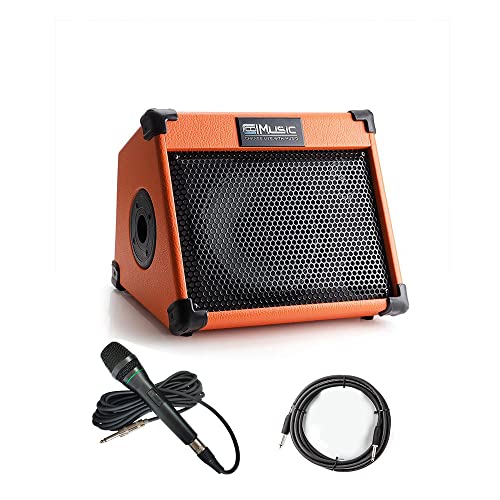
Rating: 9.3/10
The Acoustic Guitar Amplifier, 20 Watt Bluetooth Amp for Guitar Acoustic with Reverb Chorus Effect, 3 Band EQ is a versatile and powerful amp for any musician. It’s designed to give you great sound for your acoustic guitar and microphone. This amp lets you connect two things at once, like your guitar and a mic. It also has a Bluetooth feature, so you can play music from your phone wirelessly. The built-in effects like reverb and chorus add a nice echo and swirl to your sound.
What We Like:
- It has two channels, so you can plug in two instruments at the same time.
- The 3-band EQ (Bass, Mid, High) lets you adjust your sound for different music styles.
- Bluetooth connectivity makes it easy to play music from your phone or other devices wirelessly.
- The 20-watt power with an 8-inch woofer and 2-inch tweeter delivers a big, clear sound that’s good for practice or small performances.
- It includes reverb and chorus effects to enhance your playing.
- The amp is a mid-size and not too heavy, making it easier to carry around.
- It comes with both a microphone and an audio cable, so you have everything you need to start.
What Could Be Improved:
- While it’s powerful enough for many situations, it might not be loud enough for very large venues.
- The effects are basic, and some users might want more advanced options.
This amp is a fantastic option for acoustic players who want good sound and lots of connection choices. It offers great value for its features and portability.
4. Superlux D112C Omnidirectional Dynamic Microphone – Hi-Z Vocal Mic for Blues/Harmonica
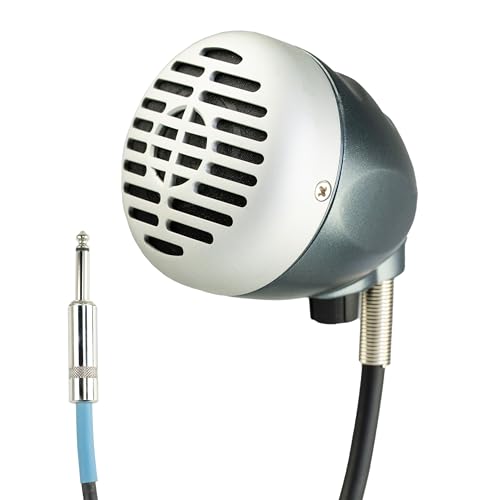
Rating: 9.1/10
Get ready to unleash your inner blues master with the Superlux D112C Omnidirectional Dynamic Microphone. This microphone is built for harmonica players who want that classic, gritty sound. It’s designed to plug straight into your guitar amp, so you can get that authentic tone without any extra gear. The vintage bullet mic look is cool, and it feels great in your hand.
What We Like:
- Perfectly crafted for harmonica players, plugging directly into guitar amps.
- Delivers a classic blues tone with a warm frequency response.
- Easy-to-use built-in volume knob lets you control your sound on the fly.
- Comfortable, ambidextrous grip makes it easy to hold and play.
- Comes with a long 6-meter cable and a 6.3mm connector, ready for the stage.
- Handles loud sound levels without distortion, perfect for live shows.
- The vintage titanium blue design looks awesome.
What Could Be Improved:
- It’s an omnidirectional mic, so it picks up sound from all directions. This might mean it picks up more background noise on a noisy stage.
- The Hi-Z output is specific to certain gear; you can’t just plug it into any modern audio interface without an adapter.
This microphone is a fantastic tool for any blues harmonica player looking for that authentic, no-fuss sound. It’s ready to go right out of the box for your next performance.
5. Rockville G-AMP 20W Guitar Amplifier Combo with Bluetooth

Rating: 8.9/10
The Rockville G-AMP 20W Guitar Amplifier Combo is a versatile and portable amp that’s great for guitarists of all levels. It packs a punch with its 20-watt output and 6.5-inch speaker, delivering clear and lively sound. Whether you’re practicing at home or playing a small gig, this amp is ready to go.
What We Like:
- It has a powerful 20-watt output, perfect for practice and small shows.
- You can easily connect your phone or tablet with Bluetooth to play along with music.
- The built-in delay effect adds a cool echo to your guitar sound, making it sound more professional.
- Two guitar inputs let you plug in two guitars at once, which is awesome for jamming with a friend or teaching someone.
- It offers clean and overdrive channels, a 3-band EQ for shaping your tone, and a handy headphone jack for quiet practice.
- The amp is portable and has a strong carry handle, plus metal corner protectors for durability.
What Could Be Improved:
- While great for practice and small gigs, the 20-watt output might not be enough for larger venues.
- The built-in effects, while good, may not offer the same depth as dedicated effect pedals.
This Rockville G-AMP is a solid choice for any guitarist looking for a feature-packed and portable amplifier. It offers a lot of value for its price, making it a great addition to your gear.
Harmonica Amplifiers: Your Ticket to Big Sound
Want to make your harmonica sing with power and tone? A harmonica amplifier is your secret weapon! This guide helps you find the perfect amp to bring your music to life, whether you’re jamming at home or playing on stage.
Why Use a Harmonica Amplifier?
Harmonicas are small, but they can produce a huge sound when amplified. An amp lets you:
- Boost your volume: Play over loud bands or in noisy environments.
- Shape your tone: Get that classic bluesy growl or a clean, sweet sound.
- Add effects: Some amps offer built-in reverb or other cool sounds.
Key Features to Look For
When picking an amp, keep these features in mind:
1. Power Output (Wattage)
- What it is: This tells you how loud the amp can get.
- What to look for:
- Small practice amps (1-5 watts): Great for playing at home. They’re quiet and easy to carry.
- Medium amps (5-15 watts): Good for small gigs or playing with a drummer.
- Larger amps (15+ watts): Powerful enough for bigger stages and loud bands.
2. Speaker Size
- What it is: The size of the speaker cone inside the amp.
- What to look for:
- Smaller speakers (4-8 inches): Tend to produce brighter, more focused sounds.
- Larger speakers (10-12 inches): Often deliver a fuller, warmer tone with more bass.
3. Tone Controls
- What it is: Knobs that let you adjust the sound.
- What to look for:
- Volume: Controls how loud the amp is.
- Tone/EQ: Lets you adjust bass, middle, and treble frequencies. This is super important for shaping your harmonica’s voice.
- Gain/Drive: This control adds distortion or “grit” to your sound, which is a classic harmonica effect.
4. Input and Output Jacks
- What it is: Where you plug in your harmonica and other gear.
- What to look for:
- Instrument Input: A standard 1/4-inch jack for your harmonica.
- Headphone Jack: Lets you practice quietly without disturbing others.
- Line Out: Allows you to connect the amp to a bigger sound system or recording device.
5. Built-in Effects
- What it is: Some amps have special sound features built right in.
- What to look for:
- Reverb: Makes your sound echo, like in a big room.
- Tremolo: Makes the sound pulsate or waver.
Important Materials and Construction
The materials used affect the amp’s sound and durability.
- Cabinet: Most amps use wood, like pine or plywood. Plywood is strong and helps create a good sound.
- Grille Cloth: This fabric covers the speaker. It should let sound pass through easily without getting in the way.
- Components: Good quality electronic parts inside the amp lead to better sound and reliability.
Factors That Improve or Reduce Quality
Several things make an amp sound great or not so great.
- Good Quality Components: Better tubes (if it’s a tube amp) and electronic parts create a richer, more responsive sound.
- Solid Construction: A well-built amp resists vibrations and rattles, which keeps your sound clear.
- Speaker Choice: The right speaker for the amp’s design makes a big difference in tone.
- Cheap Parts: Using low-quality components can make the amp sound thin or buzzy.
- Poor Wiring: Bad connections can cause noise and make the amp unreliable.
User Experience and Use Cases
How you plan to use the amp is key to choosing the right one.
- Home Practice: A small, low-wattage amp with a headphone jack is perfect. You can experiment with sounds without bothering anyone.
- Jamming with Friends: A 5-15 watt amp is usually enough to keep up with acoustic guitars or light drumming.
- Small Gigs: For playing in coffee shops or small venues, a 10-20 watt amp with a good speaker will give you enough volume and presence.
- Blues and Rock Music: Many harmonica players love the classic sound of tube amps, which can get a nice, warm overdrive when pushed. Solid-state amps are often more affordable and reliable.
Harmonica Amplifier FAQs
Q: What is the most important feature to look for?
A: The most important features are power output (wattage) and tone controls. These let you control volume and shape your sound.
Q: Do I need a powerful amp for home practice?
A: No. A small amp (1-5 watts) with a headphone jack is ideal for quiet practice at home.
Q: What’s the difference between a tube amp and a solid-state amp?
A: Tube amps use vacuum tubes to create sound and are known for their warm, rich tone and natural overdrive. Solid-state amps use transistors and are often more affordable, reliable, and don’t require tube replacement.
Q: Can I use a regular guitar amplifier for my harmonica?
A: Yes, you can. However, harmonica amps are designed specifically for the harmonica’s frequency range and can often produce a better, more authentic tone. Guitar amps might sound too harsh or not capture the harmonica’s nuances well.
Q: How do I get that classic bluesy sound?
A: Many blues harmonica players use tube amps and turn up the gain or drive control to get a natural overdrive or distortion. Experimenting with your harmonica’s tone and your amp’s EQ is also important.
Q: What kind of cables do I need?
A: You’ll need a standard 1/4-inch instrument cable to connect your harmonica (via a microphone) to the amplifier. If you’re using a microphone, ensure it’s compatible with your amp’s input.
Q: Are expensive amps always better?
A: Not always. While higher-end amps often use better components and offer superior sound, you can find great-sounding amps at various price points. It depends on your needs and budget.
Q: How does speaker size affect the sound?
A: Larger speakers (10-12 inches) generally produce a fuller, warmer sound with more bass. Smaller speakers (4-8 inches) tend to be brighter and more focused.
Q: Should I get an amp with built-in effects?
A: It depends on what sound you’re going for. Built-in reverb or tremolo can be convenient, but many players prefer to use external effects pedals for more control and variety.
Q: Where can I try out harmonica amplifiers before buying?
A: Local music stores are the best places to try out different amps. Bring your harmonica and microphone so you can hear how they sound together.
In conclusion, every product has unique features and benefits. We hope this review helps you decide if it meets your needs. An informed choice ensures the best experience.
If you have any questions or feedback, please share them in the comments. Your input helps everyone. Thank you for reading.