
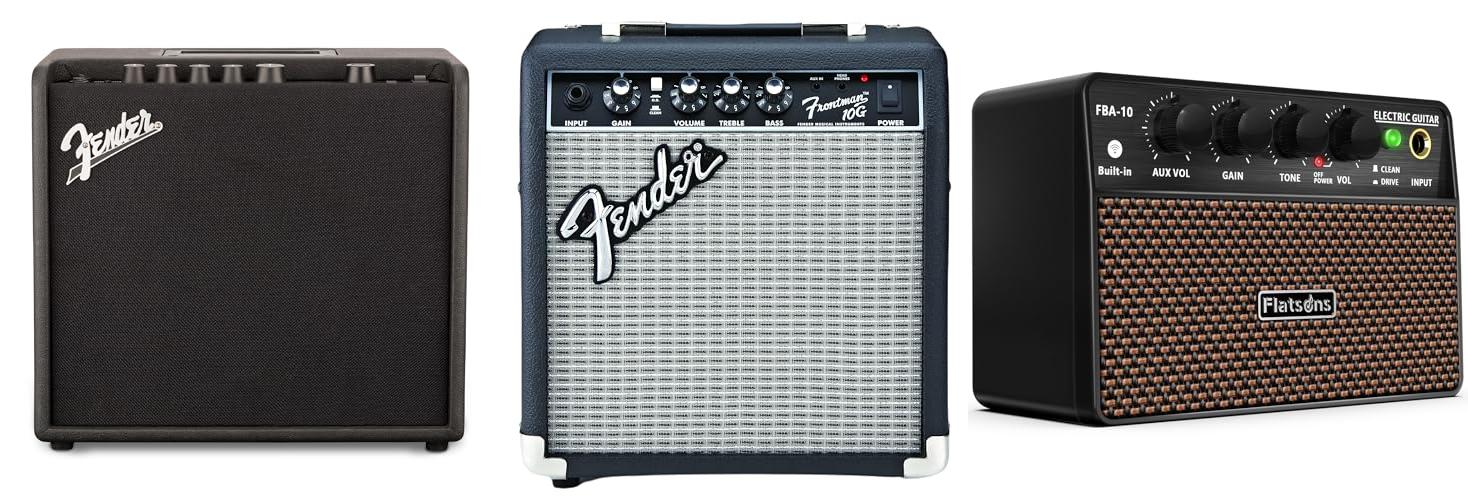
Ever plugged in your electric guitar and heard that glorious, roaring sound come to life? That magical moment, the very soul of your electric guitar’s voice, comes from its amplifier. But walk into any guitar shop, or browse online, and you’ll be met with a dizzying array of knobs, watts, and brands. It can feel overwhelming, right? You want that perfect tone, the one that makes you want to play for hours, but choosing the right amp can be a real headache.
This is where we come in. We understand the frustration of wanting to sound your best but feeling lost in the amplifier jungle. That’s why we’ve put together this guide. By the end of it, you’ll understand the key things to look for. You’ll know what makes one amp different from another and how to pick the one that truly speaks to your playing style and your music. Get ready to unlock a whole new level of tone!
Our Top 5 Guitar Amplifiers Recommendations at a Glance
Top 5 Guitar Amplifiers Detailed Reviews
1. Fender Mustang LT25 Guitar Amp

Rating: 8.6/10
The Fender Mustang LT25 Guitar Amplifier is a fantastic option for guitarists of all levels, especially those just starting out. This 25-watt amp packs a punch with its 8-inch Fender special design speaker, delivering that classic Fender sound you know and love. Its user-friendly interface and bright 1.8-inch color display make it super easy to navigate, even if you’re new to amps. Plus, with 30 built-in presets, you can explore tons of different sounds to match any music style you’re into.
What We Like:
- Great sound quality for its size and price.
- Easy-to-use interface with a clear color display, perfect for beginners.
- 30 diverse presets offer a wide range of tones for different music genres.
- Built-in USB audio interface makes recording your music simple.
- Comes with a solid 2-year limited warranty, showing Fender’s commitment to quality.
- Compact size makes it easy to fit in any room.
What Could Be Improved:
- While versatile, some advanced players might want more in-depth customization options.
- The 8-inch speaker is great, but a larger speaker might offer a fuller sound for some.
Overall, the Fender Mustang LT25 is a strong contender for anyone looking for a reliable and fun guitar amp. It offers excellent value and the features you need to start playing and creating.
2. Fender Frontman 10G Guitar Amp

Rating: 9.2/10
The Fender Frontman 10G Guitar Amp is a compact powerhouse designed for beginners and seasoned players alike. This 10-watt amp packs a punch with its 6-inch Fender Special Design speaker, ready to deliver everything from mellow blues to roaring metal tones. Its user-friendly controls make it easy to dial in your perfect sound, and the closed-back design gives your bass notes extra thump. Plus, it comes with a solid 2-year limited warranty, so you can play with confidence.
What We Like:
- The 10-watt power is great for practice sessions and small gigs.
- The 6-inch Fender Special Design speaker produces a wide range of quality sounds.
- Simple controls for gain, overdrive, volume, treble, and bass make it easy to use.
- The closed-back cabinet gives the amp a stronger bass response.
- It’s a lightweight and compact amp, measuring 5.75Dx10.25Wx11H inches and weighing only 11.7 pounds.
- The 2-year limited warranty offers peace of mind.
What Could Be Improved:
- For serious gigging musicians, 10 watts might not be enough power.
- While versatile, some advanced players might desire more tonal shaping options.
The Fender Frontman 10G is an excellent starter amp that offers great value and Fender’s renowned quality. It’s a fantastic choice for anyone looking to plug in and start making music.
3. Flatsons FBA-10 Guitar Amp

Rating: 8.9/10
The Flatsons FBA-10 Guitar Amp is a compact, 10W mini electric guitar amplifier designed for musicians on the go. It boasts pure analog technology for clear sound, two distinct tone modes (Clean and Drive), and a long-lasting rechargeable battery. This amp is perfect for practicing at home, traveling, or even street performances.
What We Like:
- The pure analog technology delivers crystal-clear sound with a natural tone, perfect for practicing and performing.
- It offers two tone modes, CLEAN and DRIVE, letting you easily switch between different guitar sounds.
- The GAIN and TONE controls allow you to fine-tune your sound exactly how you want it.
- A 3.5mm headphone jack is great for quiet practice, and the AUX input lets you play along with music.
- Wireless 5.3 streaming from your phone or tablet is super convenient.
- It’s small and light, making it easy to take anywhere.
- The USB-C rechargeable battery lasts up to 6 hours, so you can play for a good while.
- The vintage-style woven grille looks really cool and helps the sound.
- Flatsons offers good customer support, a 12-month guarantee, and a 30-day return policy.
What Could Be Improved:
- A slight buzzing or hissing on the Drive channel is normal but can be more noticeable when the battery is low or while charging.
Overall, the Flatsons FBA-10 is a fantastic portable amp for guitarists. It offers great sound and features in a small package, making it a solid choice for any musician.
4. Fender Champion II 25 Guitar Amp

Rating: 8.6/10
The Fender Champion II 25 Guitar Amp is a fantastic choice for guitarists. It packs 25 watts of power, which is plenty for practicing at home or even playing small gigs. It has a good-sounding 8-inch Fender Special Design speaker. This amp is easy to use, with just one channel and one input. It also comes with a 2-year warranty, which is a nice bonus.
What We Like:
- It has 12 built-in effects, including reverb, delay, chorus, and tremolo. You can get a lot of different sounds with these.
- The amp offers different amp voicings and distortion types. This means you can make your guitar sound like it’s coming from different famous amps.
- It’s a great value for the price. You get a lot of features for what you pay.
- The 2-year warranty gives you peace of mind.
What Could Be Improved:
- Some players might want more than one channel for quick sound changes.
- While the 8-inch speaker is good, a larger speaker might offer a fuller sound for some styles.
Overall, the Fender Champion II 25 is a versatile and affordable amp. It’s a solid option for beginners and intermediate players looking to explore different guitar tones.
5. CXLWZ Electric Guitar Amp 20 Watt Amplifier Portable Amp with Headphone Input Gain Powe Including Professional Noise Reduction Cable (Black)

Rating: 8.7/10
The CXLWZ Electric Guitar Amp 20 Watt Amplifier is a fantastic option for guitarists who need a powerful yet portable sound. This amp delivers 20 watts of power, which is enough for practicing at home or even for small performances. It comes with a special cable that cuts out annoying noise, so your music sounds clear and strong. Plus, it’s built tough to last for a long time.
What We Like:
- It packs a powerful 20-watt punch for practice and gigs.
- A professional noise-canceling cable ensures a clean sound.
- You can easily connect your guitar, phone, or MP3 player.
- Silent practice is possible with the headphone jack.
- Adjusting your sound is simple with gain, bass, treble, and volume knobs.
- The amp is built with strong materials and protective edges.
- It’s lightweight at only 6.2 pounds, making it easy to carry.
- Rubber feet keep it steady and prevent slipping.
What Could Be Improved:
- While powerful for its size, it may not be loud enough for very large venues.
- The “professional” noise reduction cable could potentially be improved for even greater clarity in extremely noisy environments.
This CXLWZ amp is a reliable and versatile companion for any guitarist. It offers great sound and features in a portable package, making it a smart buy for musicians of all levels.
Your Guide to Awesome Guitar Amps
Picking the right guitar amp can feel like a big decision. It’s what makes your guitar sing! This guide will help you understand what to look for so you can find an amp that makes you happy.
1. Key Features to Look For
Amps have lots of parts. Here are the most important ones:
Wattage (Power)
Wattage tells you how loud the amp can get. For practicing at home, 10-30 watts is usually plenty. If you play with a band or in bigger rooms, you might need 50 watts or more. More watts mean a louder amp, but not always a better sound. It depends on what you need!
Channels
Channels are like different “voices” for your amp. Most amps have at least two: a clean channel and a dirty (or overdrive/distortion) channel. Some amps have more channels for different kinds of sounds, like a special channel for acoustic guitars.
Speaker Size
The speaker is what makes the sound. Bigger speakers (like 10-inch or 12-inch) usually give a fuller, richer sound. Smaller speakers (like 8-inch) are good for practice amps and are lighter.
Controls (EQ)
These knobs let you shape your sound. You’ll usually find Bass, Middle, and Treble controls. Bass makes your sound deeper, Middle affects the punch, and Treble makes it brighter. Some amps have more special controls to tweak your tone even more.
Effects (Built-in)
Some amps come with effects built right in! These can include things like reverb (makes your sound echoey), delay (makes sound repeat), chorus (makes sound thicker), and distortion (makes sound gritty). Having built-in effects can save you money on extra pedals.
2. Important Materials
What an amp is made of affects its sound and how long it lasts.
Cabinet Material
Most amp cabinets are made of wood. Plywood is common and strong. Some higher-end amps use solid wood, which some players believe sounds better. The wood helps the sound resonate.
Speaker Cone Material
The speaker cone is the part that vibrates to make sound. Paper is the most common material. It’s light and lets the speaker move easily for good sound. Some speakers use other materials, but paper is a classic choice.
3. Factors That Improve or Reduce Quality
Lots of things make an amp sound great or not so great.
Tube vs. Solid State vs. Digital (Modeling)
This is a big one!
- Tube amps use vacuum tubes. Many guitarists love their warm, natural sound and how they “break up” when you turn them up. They can be more expensive and need more care.
- Solid-state amps use transistors. They are usually cheaper, lighter, and need less maintenance than tube amps. They can sound great too, but some players miss the “feel” of tubes.
- Digital or modeling amps use computer chips to copy the sounds of famous amps and effects. They are very versatile and can give you many sounds in one amp. They are great for beginners and for trying out different tones.
Build Quality
A well-built amp will last longer and sound better. Look for solid construction, good wiring, and sturdy knobs. A poorly made amp might buzz, hum, or break easily.
Speaker Quality
A good speaker is crucial! A cheap speaker can make even a great amp sound bad. Higher-quality speakers will give you a clearer, more detailed sound.
4. User Experience and Use Cases
Who are you and what will you do with the amp?
For Beginners
If you’re just starting, a small, affordable solid-state or digital modeling amp is a great choice. They are easy to use, often have built-in effects, and won’t break the bank. A 10-20 watt amp is perfect for practicing at home.
For Home Practice
You don’t need a huge, loud amp for home. A smaller tube amp (15-30 watts) or a good solid-state amp with a headphone jack is ideal. You want something that sounds good at lower volumes.
For Band Practice and Gigs
When you play with others, you need more volume. A 50-100 watt amp is usually recommended. This could be a powerful tube amp or a strong solid-state amp. Make sure it has enough headroom to stay clean if you want it to.
For Recording
Many amps sound great for recording. Tube amps are popular for their tone. Modeling amps are also fantastic because they offer many sounds and can be easily controlled. You can even record directly from some amps.
Frequently Asked Questions (FAQ)
Q: What is the best type of amp for a beginner?
A: For beginners, a digital modeling amp or a small solid-state amp is usually best. They are easy to use and offer many different sounds.
Q: Do I need a lot of watts to sound good?
A: No, not always. Wattage mainly controls how loud the amp can get. A lower-wattage amp can sound amazing, especially for home use.
Q: What is the difference between tube and solid-state amps?
A: Tube amps use vacuum tubes for sound, which many people find warm and natural. Solid-state amps use transistors and are often more reliable and less expensive.
Q: Can I play an amp with built-in effects?
A: Yes! Many amps come with effects like reverb and distortion. This is convenient and can save you money on extra gear.
Q: How important is the speaker size?
A: Speaker size matters. Bigger speakers tend to produce a fuller, richer sound. Smaller speakers are good for portability and practice amps.
Q: What does “EQ” mean on an amp?
A: EQ stands for Equalizer. It lets you adjust the Bass, Middle, and Treble frequencies to shape your guitar’s tone.
Q: Should I get a combo amp or a head and cabinet?
A: A combo amp has the amp and speaker in one unit, which is simpler and more portable. A head and cabinet separates the amp and speaker, offering more flexibility but being less portable.
Q: How much should I spend on my first amp?
A: For a beginner, you can find good practice amps for $100-$300. More advanced amps can cost much more.
Q: What is “gain” or “drive” on an amp?
A: Gain or drive controls how much the amp’s signal is distorted. Higher gain settings create more overdrive and distortion sounds.
Q: Can I use headphones with any guitar amp?
A: Many amps have a headphone jack, which is great for practicing quietly. Check the amp’s features to see if it has this option.
In conclusion, every product has unique features and benefits. We hope this review helps you decide if it meets your needs. An informed choice ensures the best experience.
If you have any questions or feedback, please share them in the comments. Your input helps everyone. Thank you for reading.