
Imagine your dirty driveway, grimy patio, or stained fence. You want them sparkling clean, right? A pressure washer is the perfect tool, and for many, a gas-powered one is the champion. But when you go to buy one, a big question pops up: what kind of gas does it need?
Choosing the right fuel for your gas pressure washer might seem like a small detail, but it can actually cause headaches. You might wonder if regular gasoline will work, or if there’s something special needed. Getting it wrong could mean a poorly running machine or even damage. We don’t want that!
This post will clear up all your confusion. We’ll break down exactly what kind of gas your pressure washer needs and why. By the end, you’ll feel confident picking out the right fuel, making your cleaning jobs easier and keeping your machine happy. Let’s dive in and find the perfect fuel for your powerful cleaning partner!
Our Top 5 Gas For Pressure Washer Recommendations at a Glance
| Image | Product | Rating | Links |
|---|---|---|---|
 |
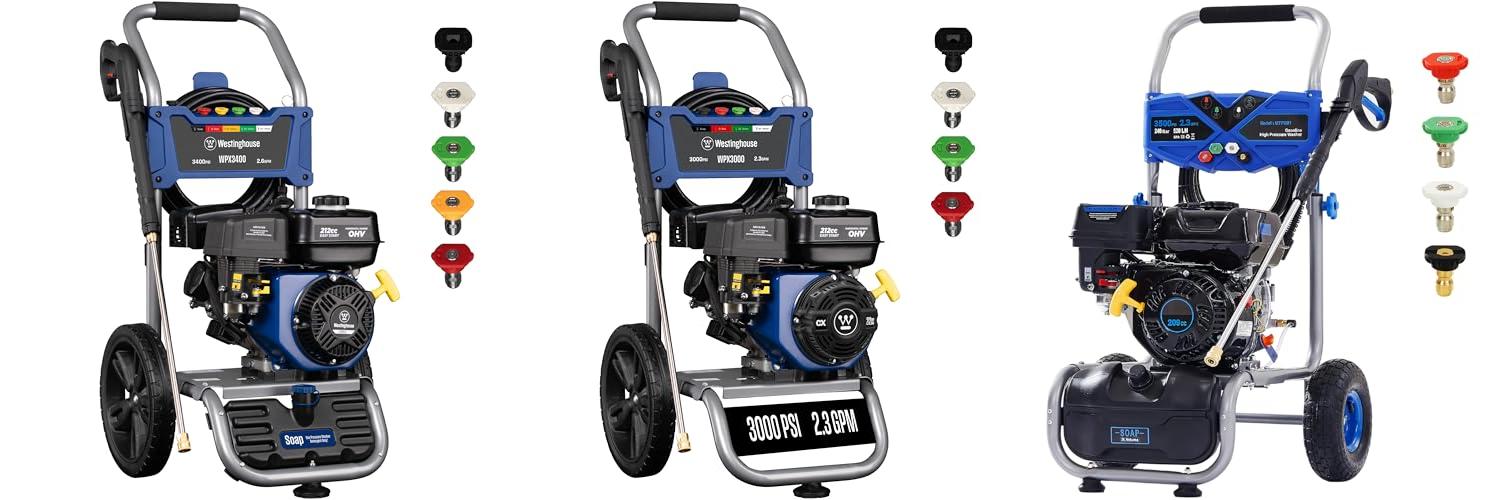
Westinghouse WPX3400 Gas Pressure Washer | 9.5/10 | Check Price |
 |
Westinghouse WPX3000 Gas Pressure Washer | 8.7/10 | Check Price |
 |
Ezasin Gas Pressure Washer 3500 PSI | 8.6/10 | Check Price |
 |
Dewalt 61147S 3300 PSI 2.4 GPM Gas Cold Water Pressure Washer | 8.8/10 | Check Price |
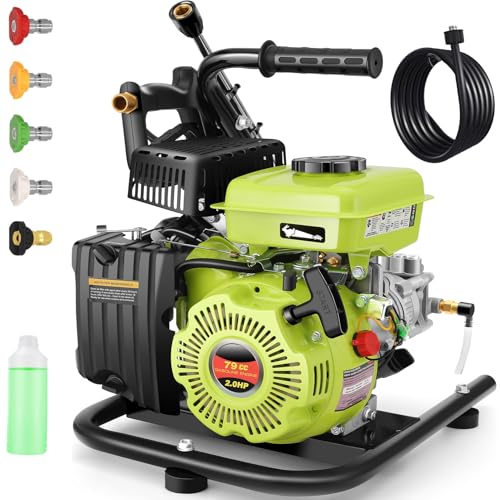 |
Commercial 3500PSI 2.4GPM 79CC Gas Pressure Washer | 8.9/10 | Check Price |
Top 5 Gas For Pressure Washer Detailed Reviews
1. Westinghouse WPX3400 Gas Pressure Washer
Rating: 8.9/10
Get ready to tackle tough cleaning jobs with the Westinghouse WPX3400 Gas Pressure Washer. This powerful machine delivers a mighty 3400 PSI and 2.6 gallons per minute of water pressure, making it ideal for cleaning everything from your car and patio furniture to fences, driveways, and even the siding of your home. It comes with everything you need to get started, including a spray gun, wand, and a set of five different nozzles for various cleaning tasks. Plus, the built-in soap tank makes adding detergent a breeze.
What We Like:
- It blasts away dirt and grime with 3400 PSI of cleaning power.
- The 2.6 GPM flow rate means you clean faster.
- An onboard 1-gallon gas tank and half-gallon soap tank let you work longer without refilling.
- The 25-foot hose is tough and won’t kink easily.
- It includes five quick-connect nozzles (0°, 15°, 25°, 40°, and soap) for different jobs.
- The 212cc Westinghouse engine is strong and reliable.
- It’s easy to move around thanks to its tough steel frame and 12-inch never-flat wheels.
- It comes with engine oil, tools, and a quick start guide.
- A 3-year limited warranty offers peace of mind.
What Could Be Improved:
- The axial cam pump, while low maintenance, is a fixed component and not user-replaceable if it fails.
- While durable, the steel frame can add to the overall weight of the unit.
The Westinghouse WPX3400 is a robust and capable pressure washer that makes cleaning easier. It’s a solid investment for anyone looking to keep their outdoor spaces and vehicles looking their best.
2. Westinghouse WPX3000 Gas Pressure Washer
Rating: 8.9/10
Tackle tough cleaning jobs with the Westinghouse WPX3000 Gas Pressure Washer. This powerful machine blasts away dirt and grime from your home, car, and outdoor spaces. It’s designed for deep cleaning siding, windows, cars, patio furniture, and much more. The 3000 PSI and 2.3 GPM power easily handles stubborn messes. A maintenance-free axial cam pump ensures reliable performance.
What We Like:
- It delivers a powerful 3000 PSI and 2.3 GPM for deep cleaning.
- The 212cc 4-Cycle Westinghouse Engine is heavy-duty.
- Four quick-connect nozzles (0°, 25°, 40°, and soap) offer versatile spray options.
- The EndraGrasp spray gun and 25 ft. hose are lightweight and simple to use.
- Rugged steel frame and 12 in. never-flat wheels make it easy to move around.
- It comes with a 3-Year Limited Manufacturer Service, Labor, and Parts Coverage.
What Could Be Improved:
- The product description mentions that all Westinghouse pressure washers are functionally tested and may contain minimum residual oil and/or fuel odor.
The Westinghouse WPX3000 is a robust and user-friendly pressure washer. It’s a great tool for keeping your property looking its best.
3. Ezasin Gas Pressure Washer 3500 PSI
Rating: 9.5/10
Ready to tackle tough messes? The Ezasin Gas Pressure Washer 3500 PSI, 2.3 GPM Heavy Duty High Power Washer is here to help! This powerful machine boasts a 209CC, 7HP engine that delivers a serious punch. With 3500 PSI and 2.3 GPM, it blasts away dirt and grime that other washers leave behind. Whether you’re cleaning your house siding, driveway, car, or RV, this pressure washer is your go-to tool for a truly deep clean. It’s like having professional cleaning power right in your own garage!
What We Like:
- It has 100% more muscle than regular gas models, making cleaning faster and easier.
- The heavy-duty 7HP engine and axial cam pump ensure it’s built to last and easy to start.
- Four quick-connect nozzles (0°, 25°, 40°, and soap) let you clean almost anything, from stubborn stains to delicate surfaces.
- The 10-inch wheels make it easy to move around your yard, and the 25-foot hose gives you plenty of reach.
- Thoughtful design includes rubber pads for stability and protection.
What Could Be Improved:
- A slight gasoline smell might be noticeable at first due to factory testing.
- Users need to remember to use the correct oil (SAE 10W-30) and gasoline (≥87 octane) for optimal performance.
This Ezasin pressure washer is a fantastic option for homeowners who need serious cleaning power. It makes tough jobs feel easy and leaves surfaces looking brand new.
4. Dewalt 61147S 3300 PSI 2.4 GPM Gas Cold Water Pressure Washer
Rating: 9.3/10
Tackle tough cleaning jobs around your home with the Dewalt 61147S 3300 PSI 2.4 GPM Gas Cold Water Pressure Washer. This powerful machine is built for residential performance, making it easy to clean decks, patios, and siding. Its reliable DeWalt engine starts up quickly, so you can get to work right away. The durable construction ensures it will last for many cleaning projects to come.
What We Like:
- Easy to start with the DeWalt 208cc engine, perfect for home projects.
- Cleans decks, patios, and siding effectively.
- The welded steel frame and powder-coated finish make it tough and long-lasting.
- A thermal relief valve keeps the pump from getting too hot.
- It’s lightweight and portable, so you can move it around easily.
- Premium 10-inch tires help it roll smoothly over different surfaces.
- Comes with a good set of accessories, including a strong hose and different spray nozzles.
What Could Be Improved:
- It’s 49-state compliant, meaning it might not be available in all states.
- You need to be careful with the fuel level to avoid spills.
- The pressure washer might have a slight fuel smell or residue from factory testing.
This Dewalt pressure washer offers great power and durability for most homeowner needs. It’s a solid choice for making your outdoor spaces look their best.
5. Commercial 3500PSI 2.4GPM 79CC Gas Pressure Washer
Rating: 8.6/10
Tackle tough cleaning jobs with this powerful Commercial 3500PSI 2.4GPM 79CC Gas Pressure Washer. This 2.0 HP professional machine is designed to make your home, yard, and vehicles sparkle. It comes with everything you need to get started, including five different nozzles, a 25-foot hose, and a foam bottle for sudsy cleaning. Plus, it meets important environmental and safety standards.
What We Like:
- It offers a strong 3500PSI cleaning power to remove stubborn dirt and grime from various surfaces like driveways, fences, and cars.
- The 2.4 GPM flow rate is faster than electric washers, making big cleaning jobs quicker.
- It includes five different nozzles (0°, 15°, 25°, 40°, and soap) so you can choose the best spray for any task.
- The 25-foot hose gives you plenty of reach, and its gas-powered design means no cords to limit you.
- It’s built with a sturdy metal frame and a comfortable handle for easy maneuvering.
- The unit is EPA/CARB/ETL compliant, meaning it meets environmental and safety rules.
- A professional after-sales team is available to help with any issues.
What Could Be Improved:
- While powerful, gas pressure washers can be louder than electric models.
- It requires gasoline and oil, which are ongoing costs and need proper storage.
- The 79CC engine might be a bit small for extremely heavy-duty, continuous commercial use compared to larger engines.
This gas pressure washer is a reliable and effective tool for homeowners looking for serious cleaning power. It’s a great investment for keeping your property looking its best.
Choosing the Right Gas for Your Pressure Washer
Pressure washers are powerful tools. They blast away dirt and grime. Many use gasoline to power their engines. Picking the right gas is important. It keeps your washer running smoothly. It also helps it last longer.
Key Features to Look For
Fuel Type
Most pressure washers need unleaded gasoline. Check your owner’s manual. It will tell you the exact type of fuel required.
Octane Rating
The octane rating tells you how resistant the gas is to knocking. Knocking is when the fuel ignites too early. This can hurt your engine. Most pressure washers work well with regular unleaded gas, which has an octane rating of 87. Some high-performance models might recommend a higher octane. Again, your manual is the best guide.
Ethanol Content
Ethanol is an additive in some gasoline. It can be bad for small engines. It can damage rubber and plastic parts in your pressure washer. Look for gasoline with low or no ethanol. This is often called “recreational fuel” or “ethanol-free gas.”
Important Materials
The gas itself is the main material. But think about the containers you use too. A clean, approved gas can is essential. This prevents dirt from getting into your fuel tank. It also stops spills.
Factors That Improve or Reduce Quality
Freshness of Gas
Gasoline goes bad over time. Stale gas can clog your engine. It makes it hard to start and run. Always use fresh gas. If you store gas for a long time, use a fuel stabilizer. This keeps the gas fresh.
Cleanliness of Gas
Dirt and debris in your gas are bad. They can block fuel lines and filters. This hurts your engine’s performance. Always buy gas from reputable stations. Keep your gas can clean.
Proper Storage
Store gas in a cool, dry place. Keep it away from heat and flames. This prevents it from degrading too quickly. It also keeps it safe.
User Experience and Use Cases
Using the right gas makes your pressure washer experience better. A well-fueled engine starts easily. It runs smoothly. It delivers consistent power. This means you can clean your car, patio, or siding faster and more effectively.
If you use the wrong gas, you might have problems. Your washer might sputter. It might not start at all. You might need costly repairs. Using the correct, fresh, and clean gas saves you time and money. It ensures your pressure washer is ready when you need it.
Consider how often you use your pressure washer. If you use it a lot, you’ll go through gas quickly. If you use it only a few times a year, focus on buying smaller amounts of fresh gas. Always drain your fuel tank if you plan to store the washer for a long period.
Frequently Asked Questions
Q: What kind of gas should I use in my pressure washer?
A: Most pressure washers use unleaded gasoline. Always check your owner’s manual for the exact recommendation. It’s usually regular unleaded, octane 87.
Q: Is ethanol bad for my pressure washer?
A: Yes, ethanol can damage rubber and plastic parts in your pressure washer’s engine. It’s best to use gas with low or no ethanol.
Q: How much octane does my pressure washer need?
A: Most pressure washers work fine with an octane rating of 87. Some high-performance models might suggest higher. Check your manual.
Q: Can I use old gas in my pressure washer?
A: No, old gas can go bad. It can clog your engine. It’s best to use fresh gas. If you must store gas, use a fuel stabilizer.
Q: How do I store gasoline for my pressure washer?
A: Store gas in a cool, dry place. Keep it away from heat and open flames. Use an approved gas can.
Q: What happens if I use the wrong gas?
A: Using the wrong gas can cause your pressure washer to run poorly. It might not start. It could also lead to engine damage and costly repairs.
Q: Where can I buy ethanol-free gas?
A: You can often find ethanol-free gas at marinas or at gas stations that advertise it. Some specialized fuel stations also carry it.
Q: How do I know if my gas is fresh?
A: Fresh gas usually smells strong and clean. If it smells stale or has a varnish-like odor, it’s likely old.
Q: Should I use a fuel stabilizer?
A: Yes, if you store gas for more than 30 days, a fuel stabilizer helps keep it fresh and prevents damage to your engine.
Q: Can I mix old and new gas?
A: It’s not ideal. If you have to, use a small amount of old gas with mostly new gas. However, it’s best to use only fresh gas.
In conclusion, every product has unique features and benefits. We hope this review helps you decide if it meets your needs. An informed choice ensures the best experience.
If you have any questions or feedback, please share them in the comments. Your input helps everyone. Thank you for reading.