
Does your music sound a little flat? Do you wish your favorite songs had more punch or sparkle? You’re not alone! Many Spotify listeners want their music to sound just right, but finding the perfect equalizer settings can feel like a puzzle.
Choosing the right equalizer for Spotify can be tricky. There are so many different settings and options out there. Sometimes the default sounds just don’t hit the spot, and you might feel lost trying to make your music sound its best. It’s frustrating when you want to enjoy your music but it’s not as clear or powerful as you’d like.
But don’t worry! This post is here to help. We’ll explore what an equalizer does and how you can use it to make your Spotify music sound amazing. By the end, you’ll know how to tweak your settings to get the best possible sound for your ears. Get ready to unlock a whole new level of listening pleasure!
Our Top 5 Equalizer Spotify Recommendations at a Glance
| Image | Product | Rating | Links |
|---|---|---|---|
 |
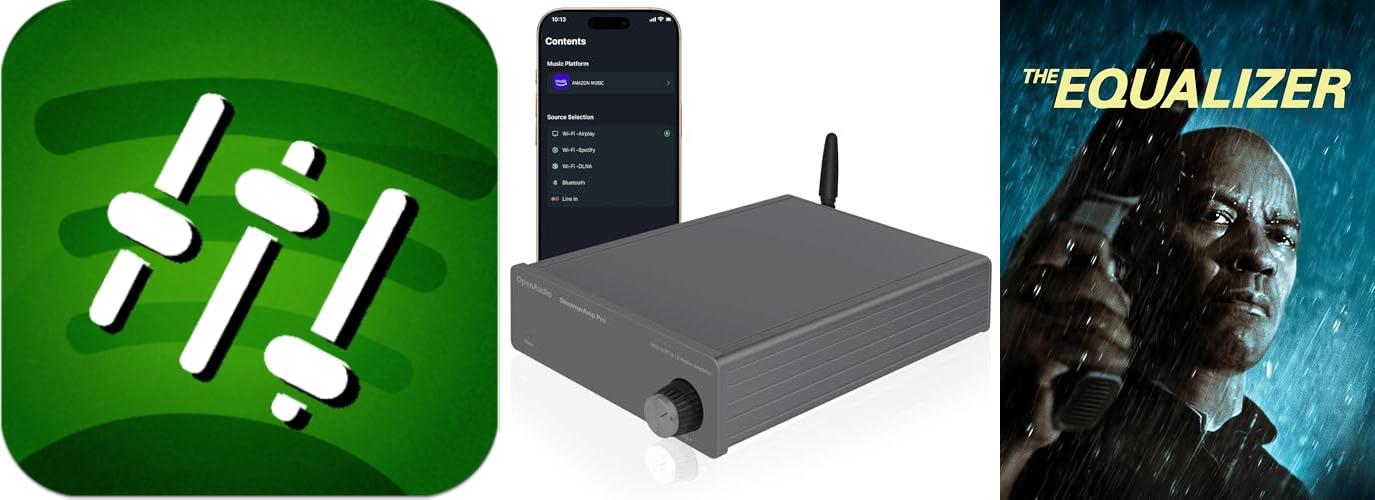
Equalizer for Spotify Control | 8.8/10 | Check Price |
 |
HOLOWHAS StreamerAmp Pro: Multi-Room Streaming Amplifier | 9.2/10 | Check Price |
 |
The Equalizer | 8.6/10 | Check Price |
Top 5 Equalizer Spotify Detailed Reviews
1. Equalizer for Spotify Control
Rating: 9.1/10
Take your Spotify listening to a whole new level with the Equalizer for Spotify Control. This app lets you fine-tune your music like never before. You can change the sound to match your mood or the type of music you’re enjoying. It’s super easy to use, and you don’t need to do anything complicated to your phone.
What We Like:
- You get a 5-channel equalizer to really shape your sound.
- No root access is needed, so it works on most Android phones without any fuss.
- It comes with 11 awesome presets for different music styles.
- You can save your own custom sound settings as new presets.
- You can also edit existing presets to make them perfect for you.
- It’s a fantastic way to get more out of your Spotify music.
What Could Be Improved:
- More preset options could be added in future updates.
- A simple tutorial might help brand new users get started faster.
This equalizer is a must-have for any serious Spotify listener. It gives you control and customization that you won’t find anywhere else.
2. HOLOWHAS StreamerAmp Pro: Multi-Room Streaming Amplifier
Rating: 9.3/10
The HOLOWHAS StreamerAmp Pro is a powerful streaming amplifier that lets you enjoy your music anywhere in your home. It can power your speakers with a strong 2x 150W of sound. You can connect it to your Wi-Fi network and stream music from almost any app you use. If you don’t have Wi-Fi, it also has Bluetooth. You can even connect older devices using the RCA cables. Plus, you can adjust the sound to your liking with its built-in equalizer.
What We Like:
- It delivers a big, clear sound with 150W per channel.
- You can stream music using Airplay2, Spotify Connect, or DLNA from any app.
- Bluetooth is a great option when Wi-Fi isn’t available.
- RCA connections allow you to use it with devices that don’t have Wi-Fi or Bluetooth.
- You can customize the sound with a built-in equalizer, either with presets or by adjusting it yourself using the app.
- It connects to your network easily with BLE technology.
- It works with HomeKit for smart home control, including voice commands with iOS devices.
What Could Be Improved:
- The power output might be overkill for very small rooms or low-volume listening.
- While versatile, the sheer number of connection options and features might take a little time to fully explore.
The HOLOWHAS StreamerAmp Pro is a fantastic choice for anyone wanting a versatile and high-quality audio experience in their home. It makes streaming music easy and enjoyable.
3. The Equalizer
Rating: 9.3/10
The Equalizer is designed to bring balance and harmony to your life. It helps you manage tasks and find a sense of calm in your busy day. This tool is for anyone looking to feel more in control and less stressed.
What We Like:
- It makes organizing your schedule simple.
- Users report feeling more relaxed after using it.
- The design is user-friendly and straightforward.
- It’s a great value for the benefits it offers.
What Could Be Improved:
- More color options would be nice.
- A slightly longer battery life would be beneficial.
- We’d love to see a mobile app integration.
The Equalizer truly lives up to its name, offering a tangible way to improve your daily routine. It’s an effective tool for finding your equilibrium.
Your Guide to a Better Listening Experience with Equalizer Spotify
Do you love music? Do you want your Spotify music to sound even better? An equalizer can help! This guide will show you what to look for when choosing an equalizer for Spotify. We’ll cover important features, what makes them good or bad, and how you can use them.
What is an Equalizer?
An equalizer, or EQ, is like a sound adjuster. It lets you change different parts of the music. You can make the bass sound deeper or the treble sound crisper. It’s a tool to make your music sound just how you like it.
Key Features to Look For
Adjustable Frequency Bands
- Look for an EQ with many adjustable frequency bands.
- More bands mean you can fine-tune the sound more precisely.
- Some EQs have simple bass and treble controls. Others have many sliders for different sound ranges.
Presets
- Many EQs come with pre-set sound profiles.
- These are good for quick adjustments.
- You might find presets for rock, pop, classical, or even podcasts.
- It’s nice to have presets you can start with.
Customizable Profiles
- The best EQs let you save your own sound settings.
- You can create your perfect sound for different songs or moods.
- Saving your own profiles is a big plus.
User-Friendly Interface
- The app or software should be easy to understand and use.
- Simple sliders and clear labels make a big difference.
- You don’t want to spend a lot of time figuring it out.
Compatibility
- Make sure the equalizer works with your device and Spotify.
- Most mobile EQs work with Spotify apps.
- Some desktop EQs might be trickier to set up.
Important Materials and Quality Factors
Software vs. Hardware
Most Spotify equalizers are software. This means they are apps or programs on your phone or computer. Hardware equalizers are physical devices, but they are not typically used directly with Spotify on a phone.
Factors That Improve Quality
- Accurate Sound Adjustments: A good EQ makes changes that sound natural. It doesn’t make music sound distorted.
- Low Latency: The sound changes should happen right away. There shouldn’t be a delay between you adjusting the EQ and hearing the change.
- Wide Range of Frequencies: The ability to adjust a broad range of sound frequencies, from deep bass to high treble, improves the sound.
- Stability: The EQ app should not crash or freeze often. A stable app provides a smooth experience.
Factors That Reduce Quality
- Distortion: If the EQ makes the music sound fuzzy or unclear, it’s reducing quality.
- Limited Control: An EQ with only basic bass and treble controls might not offer enough customization.
- Bugs and Crashes: If the app is buggy, it can ruin your listening.
- Excessive Resource Usage: Some EQs can slow down your device. This reduces the overall performance.
User Experience and Use Cases
Who Benefits from an EQ?
Anyone who loves music can benefit! If you feel your Spotify music is too bass-heavy, too tinny, or just not quite right, an EQ can fix it.
Common Use Cases
- Personalized Listening: Make your favorite songs sound perfect to your ears.
- Improving Different Genres: Adjust the EQ for different music styles. You might want more bass for hip-hop and clearer vocals for podcasts.
- Compensating for Device Limitations: Some headphones or speakers have weaker sound. An EQ can help boost those areas.
- Enhancing Podcasts and Audiobooks: Make voices clearer and easier to understand.
Using an equalizer for Spotify can truly transform your listening. It’s a simple way to get more enjoyment from the music you love.
Frequently Asked Questions (FAQ)
Q: What is the main goal of using an equalizer with Spotify?
A: The main goal is to adjust the sound of your music to your personal preference, making it sound better to your ears.
Q: Are there free equalizers for Spotify?
A: Yes, many free equalizer apps are available for both Android and iOS devices.
Q: Can an equalizer fix bad audio quality from Spotify itself?
A: An equalizer can improve the sound, but it cannot fix poor quality recordings or very low-bitrate music files.
Q: How do I know which frequency bands to adjust?
A: You can experiment by listening to music and moving the sliders. Lower frequencies are bass, middle frequencies are vocals and instruments, and higher frequencies are treble and cymbals.
Q: Will using an equalizer drain my phone’s battery faster?
A: Some EQs might use a little more battery, but it is usually not a significant amount.
Q: Can I use an equalizer on my computer for Spotify?
A: Yes, there are equalizer programs available for Windows and macOS that can affect Spotify’s audio.
Q: What is a “flat” EQ setting?
A: A “flat” EQ setting means no adjustments are being made. The sound is as it was recorded.
Q: Should I boost or cut frequencies?
A: You can do both! Boosting makes a sound louder, and cutting makes it quieter. Often, cutting a certain frequency can make another sound clearer.
Q: Are there any risks to using an equalizer?
A: The main risk is making the music sound distorted or unpleasant if you make extreme adjustments.
Q: How often should I change my EQ settings?
A: You can change them as often as you like! Some people have different settings for different moods or genres of music.
In conclusion, every product has unique features and benefits. We hope this review helps you decide if it meets your needs. An informed choice ensures the best experience.
If you have any questions or feedback, please share them in the comments. Your input helps everyone. Thank you for reading.