
Ever feel like your Spotify music is missing that deep, rumbling bass? You know, the kind that makes your head nod and your chest vibrate? It’s frustrating when your favorite songs just don’t hit the way they should, especially when you’re trying to get pumped up or just chill out. Finding the perfect equalizer settings for bass on Spotify can feel like a puzzle with too many pieces.
That’s where this guide comes in! We’re going to break down exactly how to tweak your Spotify equalizer to bring out the best in your bass. You’ll learn how to make those low notes sound richer and more powerful, transforming your listening experience. Get ready to discover settings that will make your music truly come alive.
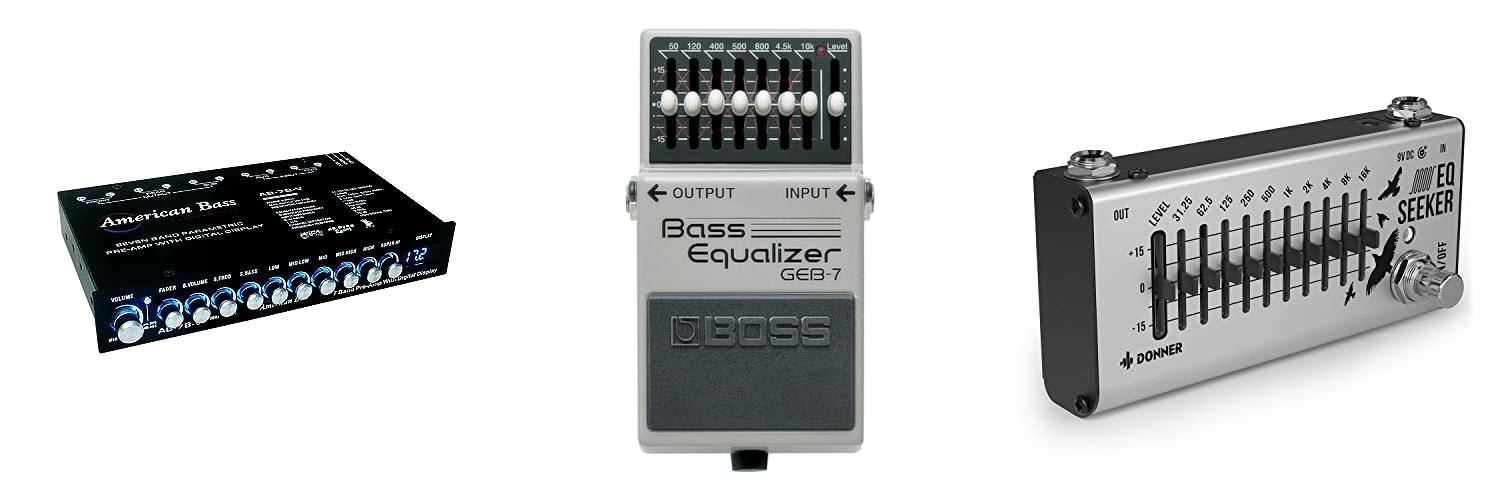
Our Top 5 Equalizer Settings Spotify For Bass Recommendations at a Glance
Top 5 Equalizer Settings Spotify For Bass Detailed Reviews
1. American Bass High End 7 Band Equalizer Voltage Display

Rating: 9.2/10
Take control of your car’s sound with the American Bass High End 7 Band Equalizer Voltage Display. This device lets you fine-tune your audio to perfection. You can adjust seven different sound frequencies. It also shows you the voltage of your system. This helps you make sure everything is running smoothly.
What We Like:
- Precise sound adjustment with 7 frequency steps: 50Hz, 125Hz, 315Hz, 750Hz, 2.2KHz, 6KHz, and 12KHz.
- Offers a powerful 7V preamp output for clear sound.
- Easily switch between two different audio sources with 2 RCA inputs.
- Balance the sound between front and rear speakers with the fader control.
- Dedicated controls for sub-bass frequency (30-300Hz) and volume.
- Built-in voltage display keeps you informed about your system’s power.
- Compact dimensions (9″Lx 8″Wx 2″H) make installation easy.
What Could Be Improved:
- The specific frequency steps might not be ideal for every single listening preference.
- While the voltage display is helpful, more advanced diagnostic features are not included.
This equalizer is a fantastic tool for anyone serious about their car audio. You can truly customize your listening experience with its detailed controls.
2. BOSS GEB-7 Seven-Band Graphic Bass Equalizer Guitar Pedal

Rating: 8.6/10
The BOSS GEB-7 Seven-Band Graphic Bass Equalizer is a powerful tool that helps bass players shape their sound. It gives you seven different sliders to adjust specific frequencies, letting you fine-tune your tone. This pedal works great with all kinds of basses, even those with extra strings like five- or six-string models. It’s also a fantastic option for acoustic-electric basses, helping them sound their best. Plus, you can use the level knob to either boost your signal for more volume or cut it to tame unwanted sounds.
What We Like:
- It offers a full range of sound control, perfect for any bass.
- It works well with both electric and acoustic-electric basses.
- The level control lets you easily boost or cut your volume.
- It’s built tough, like most BOSS pedals.
- It helps you dial in a clear and punchy bass tone.
What Could Be Improved:
- Some users might find the seven bands a bit overwhelming at first.
- While versatile, it might not offer the extreme tonal shaping of some boutique pedals.
The BOSS GEB-7 is a reliable and versatile equalizer that gives bassists the control they need to craft their perfect sound. It’s a valuable addition to any bass player’s pedalboard.
3. Donner EQ Pedal

Rating: 9.0/10
The Donner EQ Pedal, the EQ Seeker, is a compact and versatile tool for any guitarist or bassist. This 10-band equalizer lets you shape your sound with precision, making it suitable for all kinds of music. Its strong aluminum casing means it can handle life on the road, and its carefully chosen parts ensure great sound quality. You get a lot of control with 15 dB of boost or cut for each of its 10 frequency bands.
What We Like:
- It has a convenient, small size that fits easily on any pedalboard.
- The EQ Seeker works well for any music style you play.
- It features a full 10-band graphic equalizer for detailed sound shaping.
- You can boost or cut each frequency band by ±15 dB, giving you lots of control.
- The pedal is built with a tough, all-aluminum alloy design for durability.
- True bypass technology means your guitar’s signal stays clear and strong, with no unwanted noise.
What Could Be Improved:
- A power adapter is not included with the pedal, so you’ll need to buy one separately.
The Donner EQ Seeker is a solid choice for musicians who want to fine-tune their tone. Its reliable build and extensive EQ control make it a valuable addition to any rig.
4. JOYO EQ Pedal 10 Band Equalizer (31.25Hz-16kHz) for Electric Guitar

Rating: 8.6/10
The JOYO EQ Pedal 10 Band Equalizer (R-12) is a versatile tone-shaping tool for guitarists and bassists. It offers precise control over your sound with ten different frequency bands, from deep lows to sparkling highs. This pedal is built to handle everything from a 4-string bass to a 7-string guitar, making it a great fit for many musicians.
What We Like:
- This EQ pedal gives you ten different sliders to fine-tune your sound.
- It works for both electric guitar and bass, including multi-string instruments.
- The frequency range is wide, from 31.25Hz to 16kHz, letting you shape every part of your tone.
- An independent volume knob lets you boost or cut your overall signal.
- The cool, futuristic look with ambient LED lights adds some style to your pedalboard.
- JOYO is a trusted brand with a history of making good, affordable gear.
What Could Be Improved:
- It’s recommended to use a specific JOYO power adapter for best results and to avoid noise.
This JOYO EQ pedal is a fantastic way to sculpt your tone and express your musical ideas. It’s a solid addition to any guitarist or bassist’s setup.
5. KAISH Pre-wired 3 Band Active & Passive EQ Equalizer Electric Bass Preamp Circuit

Rating: 8.7/10
The KAISH Pre-wired 3 Band Active & Passive EQ Equalizer Electric Bass Preamp Circuit is a fantastic upgrade for any electric bass guitar. It lets you shape your bass’s sound with three different tone controls: Bass, Middle, and Treble. You can boost or cut these frequencies to get the exact sound you want. This circuit works for both active and passive basses, giving you lots of flexibility. It’s built with good quality parts, not cheap ones from factory.
What We Like:
- Offers precise control over Bass (+/- 14dB at 80Hz), Middle (+/- 8dB at 900Hz), and Treble (+/- 23dB at 3-7KHz).
- Works with both active and passive pickup setups.
- Includes separate controls for Volume (B50K) and Pickup blending (MN250K).
- High-quality construction ensures good sound and durability.
What Could Be Improved:
- Installation requires some knowledge of wiring; professional help might be needed.
This KAISH preamp circuit is a solid choice for bassists looking to fine-tune their tone. It delivers great sound shaping capabilities for a better playing experience.
Your Guide to Boosting Bass on Spotify
Do you love that deep, rumbling bass in your music? Spotify has a secret weapon to make your favorite songs sound even better: the equalizer. This guide helps you find the best equalizer settings for Spotify bass. It’s like having a sound engineer in your pocket!
1. Key Features to Look For
What makes a good equalizer for bass?
When you’re looking at equalizer settings, think about these things:
- Frequency Bands: These are like sliders that control different parts of the sound. For bass, you want sliders that can adjust the low frequencies. Look for settings that let you tweak around 60Hz, 100Hz, and 200Hz.
- Pre-set Options: Many apps offer ready-made bass-boosting settings. These are great if you’re new to equalizers. Look for names like “Bass Boost,” “Heavy Bass,” or “Electronic.”
- Customization: The best equalizers let you create your own sound. You can move the sliders exactly where you want them. This lets you fine-tune the bass to your exact taste.
- Ease of Use: The app should be easy to navigate. You shouldn’t need a degree in sound engineering to make it work! Clear labels and simple controls are important.
2. Important Materials (For Apps)
What’s inside a good equalizer app?
Since we’re talking about Spotify settings, we’re not dealing with physical materials. Instead, think about what makes the *software* good:
- Intuitive Interface: This means the app looks and feels good. Buttons are where you expect them to be. It’s not confusing.
- Responsiveness: The app should react quickly when you move the sliders. You want to hear the changes right away.
- Compatibility: Make sure the equalizer works with your device (phone, tablet) and the Spotify app.
3. Factors That Improve or Reduce Quality
What makes bass sound great or terrible?
Several things can make your bass sound amazing or like a muddy mess:
- Over-boosting: Turning the bass up too much can make it sound distorted and unclear. It can drown out other instruments.
- Listening Environment: The room you’re in affects sound. A quiet room with good acoustics will make bass sound better than a noisy place.
- Headphones/Speakers: The quality of your headphones or speakers is super important. Cheap earbuds might not be able to produce deep bass, no matter how high you turn it up. Good quality headphones will make a big difference.
- Music Genre: Some music is made with more bass. Settings that work for hip-hop might not be ideal for classical music.
4. User Experience and Use Cases
How will you use these settings?
Imagine these scenarios:
- Commuting: You’re on a bus or train. You want to feel the beat of your favorite dance track. Boost the bass slightly to overcome the background noise.
- Relaxing at Home: You’re chilling with some lo-fi music. You want a smooth, deep bass that fills the room without being overpowering. Use gentle bass boosts.
- Workout Session: You need energy! Crank up the bass for your workout playlist. It helps you stay motivated.
- Critical Listening: You want to hear all the details in a song. You might use fewer bass boosts or even lower them to hear the finer points of the music.
Spotify’s built-in equalizer is a powerful tool. Experiment with different settings to find what makes your music thump!
Frequently Asked Questions (FAQ)
Q: Where is the equalizer in the Spotify app?
A: On your phone, open Spotify. Go to “Home,” then tap the “Settings” gear icon. Scroll down and tap “Playback.” You’ll find the “Equalizer” option there.
Q: Do I need to pay for equalizer settings on Spotify?
A: No, Spotify’s equalizer is free for all users, both Free and Premium.
Q: What are the best EQ settings for heavy bass music?
A: For heavy bass music like hip-hop or electronic, try boosting the lower frequencies (around 60Hz to 200Hz). You can also try the “Bass Booster” or “Electronic” presets.
Q: Can equalizer settings damage my headphones?
A: It’s unlikely to cause permanent damage if used responsibly. However, turning the bass up extremely high for very long periods could potentially strain some headphones or speakers.
Q: How do I reset the equalizer to default?
A: In the Spotify equalizer settings, there’s usually an option to turn it “Off.” This will revert your sound to the default settings.
Q: Will equalizer settings work on Spotify Web Player?
A: No, the equalizer is only available in the Spotify mobile app (iOS and Android) and the desktop app. It doesn’t work on the web player.
Q: What does “Flat” mean in equalizer settings?
A: “Flat” means all the frequency bands are set to zero. The sound is not being boosted or cut. It’s the neutral setting.
Q: Can I use equalizer settings for podcasts?
A: Yes, you can use equalizer settings for podcasts too. You might want to boost mid-range frequencies to make voices clearer.
Q: How do I know if I’m boosting the bass too much?
A: If the bass sounds muddy, distorted, or drowns out the vocals and other instruments, you’re probably boosting it too much.
Q: Are there third-party apps that offer better Spotify EQ?
A: While Spotify’s built-in equalizer is good, some users explore third-party EQ apps. However, ensure these apps are reputable and compatible with Spotify to avoid issues.
In conclusion, every product has unique features and benefits. We hope this review helps you decide if it meets your needs. An informed choice ensures the best experience.
If you have any questions or feedback, please share them in the comments. Your input helps everyone. Thank you for reading.