
Ever cranked up your favorite rock anthem, only to feel like something’s missing? Maybe the guitars sound a little muddy, or the drums lack that punch. You’re not alone! Finding the perfect equalizer (EQ) settings for rock music can feel like a guessing game. So many knobs and sliders, and what do they even do for your heavy riffs and soaring vocals?
It’s frustrating when your music doesn’t sound as powerful and clear as it should. You want that raw energy to come through, but sometimes it gets lost in translation. This post is here to cut through the confusion. We’ll break down how to use your EQ to make your rock tracks truly shine.
By the end of this guide, you’ll understand how to shape the sound of your favorite rock songs. You’ll learn to boost the parts that matter and tame the ones that don’t. Get ready to transform your listening experience and hear your rock music like never before!
Our Top 5 Equalizer Settings For Rock Music Recommendations at a Glance
Top 5 Equalizer Settings For Rock Music Detailed Reviews
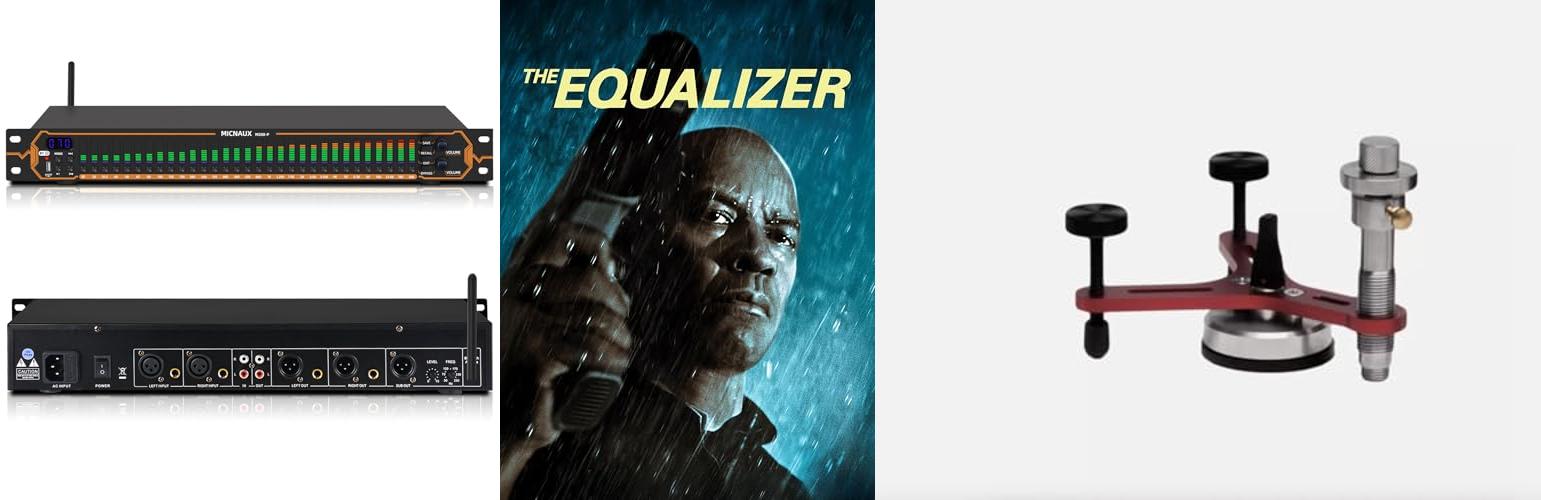
1. MICNAUX Equalizer for Home Stereo Audio System

Rating: 8.7/10
Elevate your home audio experience with the MICNAUX 31-Band Graphic Equalizer. This professional-grade digital EQ brings studio-quality sound control to your stereo system. It helps you fine-tune every detail of your music for the best possible listening pleasure.
What We Like:
- Its precise 31-band equalizer lets you see and adjust sound frequencies in real-time with a cool 4-color LED display.
- You can save up to 10 of your favorite sound settings, like custom playlists for your music.
- It has built-in noise reduction to make your audio sound cleaner and clearer.
- Bluetooth 5.2 and USB playback offer easy ways to connect your devices and play music.
- A special subwoofer output lets you add powerful bass to your system.
- The easy-to-use BYPASS switch lets you quickly turn the EQ on or off.
- It fits perfectly into a standard 1U rack for a neat setup.
- It works with different types of audio connections, including XLR and 1/4″ TRS.
What Could Be Improved:
- The manual could be a bit clearer for beginners.
- While the LED display is great, a small screen showing exact frequency numbers might be helpful for some.
This MICNAUX equalizer is a powerful tool for any music lover seeking superior sound control. It offers a fantastic blend of professional features and user-friendly design for an enhanced audio journey.
2. The Equalizer

Rating: 9.3/10
The Equalizer is an intriguing new product that has generated quite a buzz. It promises to level the playing field, but how does it actually perform? We put it to the test to find out.
What We Like:
- It makes things fair.
- It’s simple to understand.
- It’s good for many different situations.
What Could Be Improved:
- It needs more clear instructions.
- Sometimes it doesn’t work as well as we hoped.
- More information about how it works would be helpful.
The Equalizer offers a compelling concept that can bring balance. While it has some areas for growth, its core function is noteworthy.
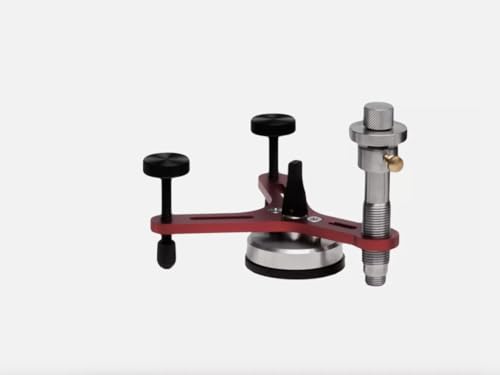
3. Equalizer® Rock Star® Bridge & Injector – Durable and Easy to Clean
Rating: 9.1/10
Boost your auto glass repair game with the Equalizer® Rock Star® Bridge & Injector. This handy tool is built tough and easy to clean, making your repair jobs smoother and faster. If you’re already a fan of the Equalizer Rock Star Repair System, getting an extra Bridge & Injector means you can tackle more repairs at once. This saves you time and helps you get more done.
What We Like:
- Work Faster: You can do multiple repairs at the same time. This makes you more efficient.
- Smart Design: The injector easily switches between vacuum and pressure. This ensures a really good repair.
- Built to Last: It’s made of strong stainless steel. This means it will last a long time.
- Easy Maintenance: The bridge is strong and simple to clean. It stays in great shape for all your jobs.
- More Value: An extra Bridge & Injector makes your repair system even better. It’s a smart buy for anyone in auto glass repair.
What Could Be Improved:
- Requires Existing System: This is an add-on. You need the original Equalizer Rock Star Repair System to use it.
This Equalizer Rock Star Bridge & Injector is a fantastic addition for professionals. It helps you work smarter and get more done.
4. Mavdecll 31-Band EQ Digital Equalizer

Rating: 9.1/10
The Mavdecll 31-Band EQ Digital Equalizer is a powerful tool for anyone looking to fine-tune their audio experience. This device acts as a professional EQ, letting you adjust specific sound frequencies to make your music sound exactly how you want it. It’s packed with features like a 31-frequency equalizer with a bright LED display showing real-time levels, and 12 different rhythm patterns for a truly customized sound. Plus, it comes with a remote control for easy adjustments from anywhere.
What We Like:
- Professional EQ Control: It offers precise control over 31 frequency bands, allowing you to shape your sound with incredible detail.
- Visually Engaging Display: The 30 vibrant lights show your audio spectrum in real-time, making it fun to watch your music come alive.
- User-Friendly Design: The large LED screen and simple buttons make adjusting audio settings easy for everyone.
- Versatile Connectivity: With optical, coaxial, and USB inputs, you can connect it to almost any audio source, from your TV to your computer.
- Multi-Purpose Application: It’s great for home theaters, studios, parties, and even your car, enhancing any listening environment.
What Could Be Improved:
- Learning Curve: While user-friendly, mastering all 31 bands and rhythm patterns might take a little time for beginners.
- Remote Functionality: We’d love to see even more advanced functions accessible via the remote for ultimate convenience.
This Mavdecll EQ delivers an impressive audio and visual experience, making it a fantastic addition for music lovers and professionals alike. It truly elevates your sound.
5. Uonlytech Sound Equalizer for Equalizer Tone Control for Improved Music Experience

Rating: 8.5/10
Ready to make your car’s music sound amazing? The Uonlytech Sound Equalizer is here to boost your tunes. This device helps you control the tone of your music, making every song sound clearer and more powerful. It’s designed to fit easily into most cars, so you can get a better listening experience no matter what you drive.
What We Like:
- It really makes car audio sound better. You can hear more details in your music.
- The equalizer is small. It fits in many cars without a problem.
- Using it is super easy. The buttons are simple to understand and use.
- It’s built tough with metal. This means it will last a long time.
- It has 7 channels for adjusting sound. This gives you lots of control over how your music sounds.
What Could Be Improved:
- While it’s great for cars, it might not be the best for home stereos.
- Some users might want more advanced features for super detailed sound tweaking.
If you want to upgrade your car’s sound without a lot of hassle, this equalizer is a solid choice. It’s built to last and makes a noticeable difference in your music.
Finding the Best Equalizer Settings for Rock Music
Why Equalizers Matter for Rock
Rock music is powerful. It has loud guitars, thumping drums, and strong vocals. An equalizer (EQ) helps you make these sounds even better. It lets you change how different sounds are heard. You can boost certain sounds or lower others. This guide helps you find the perfect EQ settings for your rock music.
Key Features to Look For in an EQ
1. Number of Bands
EQs have different numbers of “bands.” Each band controls a specific range of sound frequencies. More bands mean you have more control. For rock, an EQ with at least 10 bands is good. A 31-band EQ offers even more precise control.
2. Type of EQ
There are two main types: graphic and parametric.
- Graphic EQs are like sliders. You move them up or down to change the sound. They are easy to use.
- Parametric EQs offer more advanced control. You can change the frequency, how wide or narrow the band is (Q), and how much you boost or cut.
For rock music, a graphic EQ is a great start. If you want to get really detailed, a parametric EQ is better.
3. Connectivity and Compatibility
Make sure the EQ works with your audio system. This could be your stereo, headphones, or computer. Check the input and output types (like RCA, 3.5mm, or digital). Some EQs are built into amplifiers or speakers, while others are standalone units.
4. Build Quality and Materials
A well-built EQ lasts longer. Look for sturdy metal casings instead of cheap plastic. Good quality knobs and sliders feel better and are more reliable. Better materials often mean better sound quality too.
Factors That Improve or Reduce Quality
Improving Quality
- Clean Power Supply: A stable power source prevents humming or buzzing sounds.
- High-Quality Components: Internal parts like capacitors and resistors affect sound. Better parts mean clearer sound.
- Low Noise Floor: A good EQ adds very little unwanted noise to your music.
Reducing Quality
- Poorly Designed Circuits: Cheap internal parts can make the sound muddy or harsh.
- Electrical Interference: Other devices can mess with the EQ’s signal, causing static.
- Over-Processing: Too much EQ adjustment can make the music sound unnatural.
User Experience and Use Cases
Simple to Use
For most rock fans, an EQ that is easy to understand is best. Sliders that clearly show what they control are helpful. Many EQs have presets for different music genres, including rock.
For Specific Instruments
You might want to boost the bass for a heavy rock sound. Or maybe you want to make the guitar solos cut through the mix. An EQ lets you do this. You can make the drums punchier or give the vocals more clarity.
Live vs. Studio
If you’re using an EQ for live shows, you need one that’s tough and easy to adjust quickly. For studio recording or mixing, you’ll want more precise control to fine-tune the sound.
Frequently Asked Questions (FAQ) About Rock Music EQ Settings
Q: What are the main Key Features to look for in an EQ for rock music?
A: Key features include a sufficient number of bands (at least 10), the type of EQ (graphic for ease, parametric for precision), good connectivity, and solid build quality.
Q: What materials are important for a good EQ?
A: Sturdy metal casings and high-quality internal components like capacitors and resistors are important for durability and sound quality.
Q: What factors can improve the sound quality of my EQ settings?
A: Improving factors include a clean power supply, high-quality internal components, and a low noise floor.
Q: What can reduce the quality of my EQ settings?
A: Factors that reduce quality are poorly designed circuits, electrical interference, and over-processing the audio signal.
Q: How does user experience affect choosing an EQ for rock music?
A: User experience matters. Look for an EQ that is easy to understand and operate, especially if you’re new to using EQs.
Q: What are some common use cases for EQ settings in rock music?
A: Common uses include boosting bass for a heavier sound, making guitars stand out, enhancing drum impact, and improving vocal clarity.
Q: Is a graphic EQ or a parametric EQ better for rock music?
A: A graphic EQ is simpler and good for general adjustments. A parametric EQ offers more detailed control for fine-tuning specific frequencies.
Q: How many bands do I need for good rock EQ control?
A: At least 10 bands are recommended for noticeable control. A 31-band EQ provides the most detailed adjustments.
Q: Can EQ settings help my rock music sound louder?
A: EQ doesn’t directly increase volume (that’s a separate control). However, by boosting certain frequencies that our ears perceive as louder (like mids), it can make the music *feel* more present and impactful.
Q: Where can I find good starting EQ settings for rock music?
A: Many EQs come with presets. You can also find recommended settings online in forums and reviews, but always adjust them to your specific taste and audio system.
In conclusion, every product has unique features and benefits. We hope this review helps you decide if it meets your needs. An informed choice ensures the best experience.
If you have any questions or feedback, please share them in the comments. Your input helps everyone. Thank you for reading.