
Have you ever listened to someone speak, and their voice sounded a little muffled or maybe too boomy? It’s like trying to hear a whisper in a noisy room – frustrating, right? Getting your voice to sound clear and easy to understand is super important, whether you’re recording a podcast, giving a speech, or even just on a video call. But when you start looking at equalizer settings, it can feel like you’re staring at a secret code. What do all those numbers and sliders even do?
It’s easy to get lost in all the technical jargon. You might try a setting that sounds good for one voice but makes another sound weird. The goal is to make sure everyone can hear every word you say without straining their ears. This can be a real headache when you just want your voice to shine through.
But don’t worry! By the end of this post, you’ll know exactly how to tweak your equalizer to make your voice sound crystal clear. We’ll break down what each part of the equalizer does and give you some simple, effective settings to try. Get ready to unlock your best-sounding voice!
Our Top 5 Equalizer Settings For Clear Voice Recommendations at a Glance
Top 5 Equalizer Settings For Clear Voice Detailed Reviews
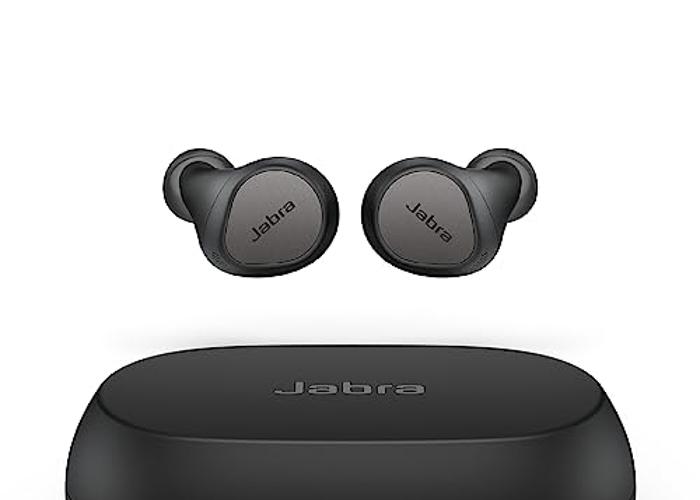
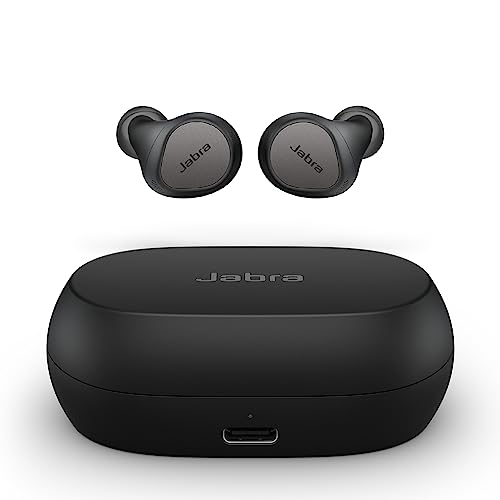
1. Jabra Elite 7 Pro in Ear Bluetooth Earbuds – Adjustable Active Noise Cancellation True Wireless Buds in a Compact Design MultiSensor Voice Technology for Clear Calls – Titanium Black
Rating: 9.3/10
Introducing the Jabra Elite 7 Pro in-ear Bluetooth earbuds, designed to bring you amazing sound and super clear calls. These tiny earbuds pack a punch with powerful 6mm custom speakers and Jabra’s special MultiSensor Voice technology. Whether you’re listening to music or talking to someone, everything sounds fantastic.
What We Like:
- The adjustable Active Noise Cancellation lets you truly get lost in your music.
- Jabra’s MultiSensor Voice technology makes calls incredibly clear, even in noisy places.
- MySound feature tailors the audio to your unique hearing, making your favorite songs sound even better.
- You get a long battery life: up to 8 hours on a single charge and 30 hours with the charging case.
- HearThrough technology lets you hear your surroundings when you need to, and you can use just one earbud if you want.
What Could Be Improved:
- While the design is compact, some users might prefer a slightly larger fit for extra security.
- The 80Hz-8000Hz speaker bandwidth for calls, while good, could be wider for even richer voice reproduction in some scenarios.
The Jabra Elite 7 Pro earbuds offer a premium audio and calling experience in a small package. They are a solid choice for anyone seeking excellent sound and call quality on the go.
Finding Your Perfect Equalizer Settings for Crystal Clear Voice
Want your voice to sound like a polished professional on calls, recordings, or even just your favorite podcast? Equalizer settings are your secret weapon! Think of an equalizer like a volume knob for different sound frequencies. We’ll help you find the sweet spot for a clear and commanding voice.
Why Bother with Equalizer Settings?
Sometimes, your natural voice might sound a bit muffled, boomy, or even thin. Equalizers let you tweak these frequencies. You can boost the good ones and cut the not-so-good ones. This makes your voice stand out and sound more pleasant to listen to.
Key Features to Look For
When you’re looking for an equalizer tool or software, keep these features in mind:
Adjustable Frequency Bands
- This is the most important feature. You want to be able to control many different sound frequencies. More bands mean more precise control.
- Look for equalizers that let you adjust high, mid, and low frequencies.
User-Friendly Interface
- A good equalizer should be easy to understand and use.
- Visual graphs that show how your sound is changing are very helpful.
- Simple sliders or knobs make adjustments quick and easy.
Presets
- Many equalizers come with pre-set “voice” or “clear speech” options.
- These are great starting points, especially if you’re new to equalizing.
- You can then fine-tune these presets to your liking.
Real-time Feedback
- You should be able to hear the changes you’re making as you make them.
- This allows for instant adjustments and helps you find the best sound quickly.
Important Materials (What to Look For in Software/Hardware)
While “materials” might sound like it’s for physical products, in the world of audio, it refers to the quality of the software or hardware.
High-Quality Audio Processing
- The equalizer should process your audio cleanly without adding unwanted noise or distortion.
- Look for well-regarded audio software or hardware known for its sound quality.
Compatibility
- Make sure the equalizer works with your microphone, computer, or audio device.
- Check if it’s compatible with your operating system (Windows, macOS) and any recording or communication software you use.
Factors That Improve or Reduce Quality
A few things can make your voice sound amazing or not so great with an equalizer.
Microphone Quality
- A better microphone will always give you a better starting point.
- Even the best equalizer can’t fix a really bad microphone.
- A cheap microphone might introduce background noise that an equalizer can’t always remove.
Room Acoustics
- The room you’re in affects sound. Echoes or too much reverb can make your voice sound muddy.
- Try to record or speak in a quiet room with soft surfaces (like carpets or curtains) to absorb sound.
Your Voice’s Natural Tone
- Everyone’s voice is unique. What works for one person might not work for another.
- Experimentation is key!
Over-Equalizing
- Don’t go overboard with the adjustments. Too much boosting or cutting can make your voice sound unnatural or harsh.
- Small, precise changes are usually best.
User Experience and Use Cases
Equalizers are useful in many situations.
Online Meetings and Calls
- Make sure everyone can hear you clearly on platforms like Zoom, Teams, or Skype.
- Cut out any distracting low-frequency hum or background noise.
Podcasting and Voiceovers
- Achieve a professional, polished sound for your recordings.
- Make your voice sound warm, clear, and engaging for listeners.
Gaming Communication
- Ensure your teammates can hear your callouts and instructions without any issues.
Singing and Music Production
- Enhance vocal performances and make them sit perfectly in a mix.
Frequently Asked Questions (FAQ)
Q: What are the main Key Features I should look for in an equalizer for voice?
A: You should look for adjustable frequency bands, a user-friendly interface, presets, and real-time feedback. These features give you the most control and make it easier to get the sound you want.
Q: How do I know which frequencies to adjust for clear voice?
A: Generally, boosting the mid-range frequencies (around 1kHz to 4kHz) can help with clarity. Cutting some low-end frequencies (below 100Hz) can reduce muddiness, and a slight boost in the high-end (above 6kHz) can add sparkle. But it depends on your voice!
Q: Can an equalizer remove background noise?
A: Equalizers can help reduce some types of background noise, especially consistent hums or rumbles in the low frequencies. However, they are not a substitute for a good noise-canceling microphone or dedicated noise reduction software.
Q: What’s the difference between boosting and cutting frequencies?
A: Boosting a frequency makes it louder. Cutting a frequency makes it quieter. You boost frequencies that you want to emphasize and cut frequencies that are causing problems.
Q: Is there a “one-size-fits-all” setting for clear voice?
A: No, there isn’t. Everyone’s voice is different, and the recording environment also plays a role. You’ll need to experiment to find the best settings for your specific voice and situation.
Q: How can I avoid making my voice sound unnatural with an equalizer?
A: Make small, gradual adjustments. Listen carefully to the changes and stop when your voice sounds clear and balanced, not harsh or artificial. Don’t boost or cut too much.
Q: What is the “presence” range in an equalizer?
A: The presence range is typically in the mid-high frequencies (around 3kHz to 6kHz). Boosting this range can make your voice sound more forward and understandable, like the person is right there with you.
Q: Should I use an equalizer on my microphone or in my software?
A: You can use both! Some microphones have built-in equalizers. Many communication and recording programs also have equalizer features. Using them in software gives you more flexibility.
Q: How can I test if my equalizer settings are working well?
A: Record yourself speaking with different settings and listen back. Ask a friend to listen during a call. Does your voice sound clear and easy to understand? Are there any annoying sounds?
Q: What are “sub-bass” frequencies and why might I want to cut them for voice?
A: Sub-bass frequencies are very low sounds, below what most people can hear clearly, often felt more than heard (like a deep rumble). Cutting these can clean up your voice by removing unwanted hums or low-frequency noise that makes it sound muddy.
In conclusion, every product has unique features and benefits. We hope this review helps you decide if it meets your needs. An informed choice ensures the best experience.
If you have any questions or feedback, please share them in the comments. Your input helps everyone. Thank you for reading.