
Do you ever feel like your Spotify music is missing that deep, rumbling bass? That satisfying thump that makes your favorite songs truly come alive? If you’ve fiddled with Spotify’s equalizer settings, you might have found yourself scratching your head. It’s easy to get lost in all the sliders and presets, trying to find that perfect sweet spot for your bass. You want your music to sound amazing, but sometimes it just doesn’t hit right.
That’s where we come in. This post is all about unlocking the power of Spotify’s equalizer to give your bass the boost it deserves. We’ll break down what those settings actually do and show you how to tailor them to your liking. By the end of this, you’ll know how to make your music sound richer, fuller, and more powerful, no matter what headphones or speakers you’re using.
Get ready to transform your listening experience. Let’s dive into the world of Spotify bass equalization and find your perfect sound!
Our Top 5 Equalizer Settings For Bass Spotify Recommendations at a Glance
| Image | Product | Rating | Links |
|---|---|---|---|
 |
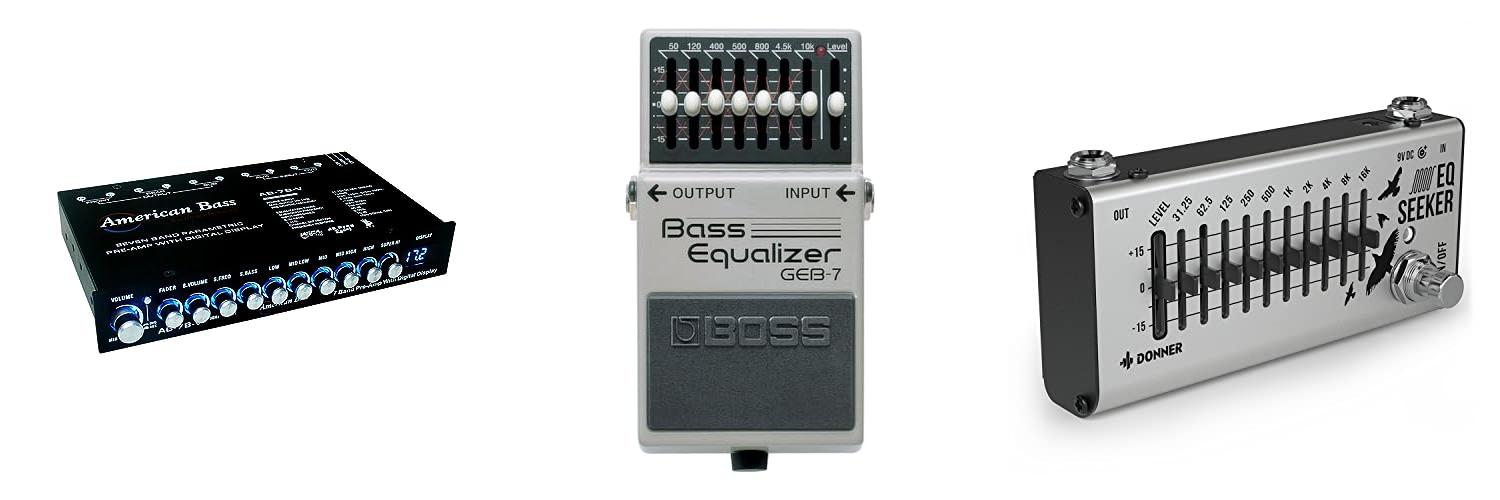
American Bass High End 7 Band Equalizer Voltage Display | 9.4/10 | Check Price |
 |
BOSS GEB-7 Seven-Band Graphic Bass Equalizer Guitar Pedal | 9.4/10 | Check Price |
 |
Donner EQ Pedal | 9.2/10 | Check Price |
 |
JOYO EQ Pedal 10 Band Equalizer (31.25Hz-16kHz) for Electric Guitar | 8.5/10 | Check Price |
 |
AFOT Bass EQ Pedal | 8.5/10 | Check Price |
Top 5 Equalizer Settings For Bass Spotify Detailed Reviews
1. American Bass High End 7 Band Equalizer Voltage Display
Rating: 8.7/10
Take control of your car’s sound system with the American Bass High End 7 Band Equalizer Voltage Display. This device lets you fine-tune your audio for the best possible listening experience. It’s designed to give you precise control over different sound frequencies. Plus, it shows you the voltage of your system, so you know everything is running smoothly.
What We Like:
- It offers seven different frequency steps: 50Hz, 125Hz, 315Hz, 750Hz, 2.2KHz, 6KHz, and 12KHz. This allows for very specific sound adjustments.
- You get a strong 7 V preamp output, which helps deliver a clear and powerful signal to your amplifiers.
- It features two RCA inputs, making it easy to connect different audio sources.
- A fader control lets you balance the sound between the front and rear speakers.
- The dedicated sub frequency control (30-300Hz) and volume control give you extra power over your bass.
- It includes a voltage display to monitor your system’s power.
- The dimensions (9″Lx 8″Wx 2″H) mean it should fit well in most car dashboards.
What Could Be Improved:
- Some users might find the many frequency options a bit overwhelming at first.
- While it offers great control, a more advanced graphic display could be helpful for some.
This equalizer is a fantastic tool for any car audio enthusiast looking to perfect their sound. You can really dial in your music with its detailed controls.
2. BOSS GEB-7 Seven-Band Graphic Bass Equalizer Guitar Pedal
Rating: 9.4/10
The BOSS GEB-7 Seven-Band Graphic Bass Equalizer Guitar Pedal gives bass players amazing control over their sound. This pedal is built tough, just like other BOSS pedals. It has seven different sliders to shape your tone. You can make your bass sound deeper, brighter, or anything in between. It works great for regular electric basses, even those with five or six strings. You can also use it with acoustic basses that have pickups.
What We Like:
- It has a full range of sound options, so it works with all kinds of bass guitars, even those with more strings.
- This pedal is a fantastic choice for acoustic bass players who want to fine-tune their amplified sound.
- The level control knob is very handy. You can use it to make your bass louder when you need to stand out, or quieter to blend in.
- It’s easy to change your sound on the fly with the simple slider controls.
What Could Be Improved:
- Some players might wish for more extreme EQ settings for very specialized sounds.
- While it’s versatile, it doesn’t offer amp modeling or other effects beyond equalization.
The BOSS GEB-7 is a powerful tool for any bassist. It offers excellent sound shaping and is built to last through many gigs and practice sessions.
3. Donner EQ Pedal
Rating: 9.1/10
The Donner EQ Pedal, the EQ Seeker, is a powerful tool for any guitarist or bassist. It’s a compact and versatile 10-band equalizer designed to help you shape your sound. Whether you play rock, blues, metal, or jazz, this pedal can help you dial in the perfect tone. Its sturdy aluminum-alloy construction means it can handle the rigors of the road, and its true bypass design ensures your original signal stays clean and clear.
What We Like:
- This pedal is small and easy to fit on any pedalboard.
- It works well for all kinds of music.
- The selected parts make the sound quality really good.
- It has 10 bands, so you can adjust your sound a lot.
- Each band lets you boost or cut by 15 dB, giving you great control.
- The pedal is made of strong aluminum, so it will last a long time.
- The true bypass feature means your guitar’s sound stays pure when the pedal is off.
- It doesn’t add any unwanted noise or make your signal weaker.
What Could Be Improved:
- The power adapter is not included, so you need to buy that separately.
Overall, the Donner EQ Seeker offers excellent sound shaping capabilities in a durable package. It’s a smart addition for any musician looking to fine-tune their instrument’s tone.
4. JOYO EQ Pedal 10 Band Equalizer (31.25Hz-16kHz) for Electric Guitar
Rating: 8.7/10
The JOYO EQ Pedal 10 Band Equalizer (R-12) is a versatile tool that lets you shape the sound of your electric guitar or bass. It offers precise control over ten different frequency bands, from deep lows to crisp highs. This pedal is designed to work with a variety of instruments, including 4 and 5-string basses, and 6 and 7-string guitars. It also features a handy volume knob and cool LED lights that add a touch of style to your setup. JOYO is a trusted brand with a long history of making great gear for musicians.
What We Like:
- It gives you lots of control over your sound with 10 bands of EQ.
- It works with many different guitars and basses, even multi-string ones.
- The separate volume knob is very useful for boosting or cutting your signal.
- The cool LED lights make it look awesome on stage or in your room.
- JOYO is a well-known brand that makes reliable and affordable gear.
What Could Be Improved:
- It’s recommended to get a separate JOYO power adapter to make sure it works best and avoid noise.
This JOYO EQ pedal is a fantastic way to fine-tune your tone and express your musical ideas. It’s a great addition for any guitarist or bassist looking to dial in their perfect sound.
5. AFOT Bass EQ Pedal
Rating: 9.0/10
The AFOT Bass EQ Pedal is a powerful tool for any bass player. It lets you fine-tune your sound with five different frequency bands. You can boost or cut each band by up to 18 decibels. This pedal helps you shape your tone exactly how you want it.
What We Like:
- It has five bands to control your bass sound: 62.5Hz, 125Hz, 500Hz, 1kHz, and 4kHz.
- A master level slider lets you adjust the overall volume by ±18dB.
- The true bypass design means your original bass signal stays clear and strong.
- It has a tough metal casing that can handle being on the road.
- Indicator lights show you when the pedal is on and working.
What Could Be Improved:
- The power supply is not included, so you’ll need to buy a separate adapter.
This pedal gives you great control over your bass tone. It’s built to last and keeps your sound pure. It’s a solid choice for bassists looking to sculpt their sound.
Get the Best Bass Boost on Spotify: Your Ultimate EQ Guide
Want your music to thump? Spotify’s equalizer can make a huge difference. It’s like having a sound engineer in your pocket! This guide helps you find the best equalizer settings for bass on Spotify.
1. Key Features to Look For in Spotify’s EQ
What makes a good equalizer?
Spotify’s built-in equalizer lets you tweak different sound frequencies. Think of frequencies as how high or low a sound is. Bass sounds are low frequencies. Treble sounds are high frequencies. Mids are in the middle.
- Frequency Bands: More bands mean you can fine-tune the sound better. Spotify has several bands you can adjust.
- Presets: These are pre-made settings for different music styles. Look for presets like “Bass Boost” or “Hip Hop.”
- Customization: The best EQ lets you create your own settings. You can save these for later.
- Ease of Use: The controls should be simple to understand and move.
2. Important Materials (Not Really, But Think Sound Quality!
When we talk about “materials” for EQ settings, we mean the sounds themselves and how they interact. Good bass comes from well-recorded music. The quality of the song you’re listening to matters a lot. A poorly recorded bassline won’t sound great, no matter your EQ settings.
3. Factors That Improve or Reduce Quality
What makes bass sound better or worse?
Factors that improve bass quality:
- Higher Quality Audio Files: Spotify Premium offers better audio quality. This means the bass is clearer.
- Good Headphones or Speakers: Your listening device is super important. Cheap earbuds might not produce good bass.
- Well-Mixed Music: When songs are mixed well, the bass is balanced with other instruments.
- Smart EQ Adjustments: Turning up the right bass frequencies without making other sounds muddy.
Factors that reduce bass quality:
- Low Audio Quality: Free Spotify accounts have lower quality streaming. This can make bass sound weak.
- Poor Listening Gear: Headphones or speakers that can’t reproduce low frequencies well.
- Over-Boosting Bass: Turning up the bass too much can make music sound distorted or “boomy.” It can also drown out other parts of the song.
- Bad EQ Settings: Boosting the wrong frequencies or turning everything up.
4. User Experience and Use Cases
How do people use Spotify’s EQ?
Most people use Spotify’s EQ to make their favorite genres sound better. Here are some common uses:
- For Bass Lovers: If you love hip-hop, electronic dance music (EDM), or R&B, you’ll want to boost the low frequencies.
- For Different Moods: Sometimes you want a deep, rumbling bass. Other times, you want a cleaner, punchier bass.
- To Compensate for Listening Gear: If your headphones lack bass, you can use the EQ to add it back.
- To Fix Muddy Sound: Sometimes, music sounds too “muddy.” You can use the EQ to reduce certain low frequencies that cause this.
The user experience is generally good. You find the EQ in Spotify’s settings. You’ll see sliders for different frequencies. Moving these sliders changes the sound in real-time. It’s easy to experiment!
Frequently Asked Questions (FAQ)
Q: Where can I find the equalizer in Spotify?
A: On mobile devices, go to Settings (gear icon) > Playback > Equalizer. On desktop, it’s usually in Settings > Audio Quality.
Q: What are the best EQ settings for bass on Spotify?
A: There’s no single “best” setting. It depends on the song and your taste! Try boosting the lower frequencies (around 60Hz to 200Hz) slightly. You might also want to slightly lower some mid-range frequencies (around 200Hz to 500Hz) to make the bass stand out more.
Q: Can I save my custom EQ settings?
A: Yes, Spotify allows you to save your custom presets. Give them names like “My Bass Boost” or “Chill Vibes.”
Q: Does Spotify Premium affect bass quality?
A: Yes, Spotify Premium offers higher audio quality options. This means the music is streamed with more detail, which can lead to better-sounding bass.
Q: Will boosting bass hurt my headphones?
A: If you turn the bass up extremely high, you could potentially damage your headphones over time, especially at high volumes. It’s best to find a balance.
Q: How do I make bass sound punchy, not just loud?
A: Punchy bass often means controlling the decay of the sound. You might need to slightly boost frequencies around 100-200Hz for the “thump” and subtly reduce frequencies around 50-80Hz if it sounds too boomy.
Q: My music sounds muddy. What EQ settings should I use?
A: Muddy sound often comes from too much low-midrange. Try slightly reducing frequencies between 200Hz and 500Hz. This can help clean up the sound and make the bass more defined.
Q: Are there any presets for bass-heavy music?
A: Yes, Spotify usually has presets like “Bass Booster,” “Hip Hop,” and “Electronic” that are designed to enhance bass. These are a great starting point.
Q: Can I use the EQ on Spotify Connect devices?
A: The equalizer settings are usually applied on the device running the Spotify app (your phone or computer), not on the connected speaker itself.
Q: How do I reset the equalizer to default?
A: There’s usually an option to “Reset” or “Off” within the equalizer settings menu. This will return all sliders to their original positions.
In conclusion, every product has unique features and benefits. We hope this review helps you decide if it meets your needs. An informed choice ensures the best experience.
If you have any questions or feedback, please share them in the comments. Your input helps everyone. Thank you for reading.