
Do you love feeling the thump of your favorite music in your car? That deep, rumbling bass makes every drive more exciting. But sometimes, the bass just doesn’t sound right. It might be too quiet, too boomy, or just not as clear as you want it to be. It can be frustrating when you can’t get that perfect sound.
Figuring out the best equalizer settings for bass in your car can feel like a puzzle. There are so many buttons and sliders, and it’s hard to know what each one does. You want your music to sound amazing, but you don’t want to accidentally make it sound worse. This can lead to a lot of trial and error, and sometimes, you still don’t get the sound you’re hoping for.
But what if you could unlock the true potential of your car’s sound system? By understanding a few simple equalizer tricks, you can transform your bass from weak to powerful, and from muddy to clear. In this post, we’ll break down how to adjust your equalizer to get the best bass sound. Get ready to feel the music like never before!
Our Top 5 Equalizer Settings For Bass In Car Recommendations at a Glance
Top 5 Equalizer Settings For Bass In Car Detailed Reviews
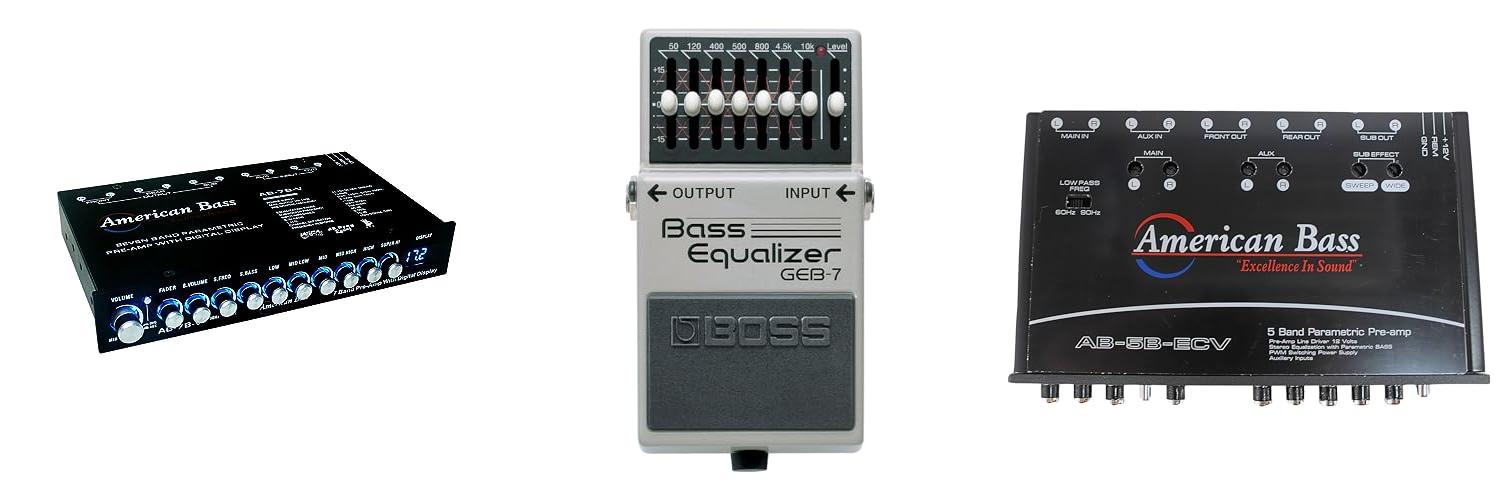
1. American Bass High End 7 Band Equalizer Voltage Display

Rating: 8.7/10
Unlock amazing sound in your car with the American Bass High End 7 Band Equalizer Voltage Display. This device lets you precisely control the sound of your music. You can adjust seven different sound frequencies to get the perfect mix. It also shows you the voltage, so you know your car’s power is just right. This equalizer is designed for serious music lovers who want the best audio experience on the road.
What We Like:
- Precise sound control with seven frequency steps: 50Hz, 125Hz, 315Hz, 750Hz, 2.2KHz, 6KHz, and 12KHz.
- Seven volts of preamp output give you strong, clear sound.
- Two RCA inputs let you connect multiple sound sources.
- Fader control lets you balance sound between front and rear speakers.
- Separate sub-frequency control (30-300Hz) and volume control for deep bass.
- Built-in voltage display helps you monitor your car’s power system.
What Could Be Improved:
- The dimensions (9″Lx 8″Wx 2″H) might require careful placement in some vehicles.
- For beginners, understanding all seven frequency bands might take a little learning.
This equalizer is a powerful tool for anyone wanting to fine-tune their car audio. It offers great control and useful features for a better listening experience.
2. BOSS GEB-7 Seven-Band Graphic Bass Equalizer Guitar Pedal

Rating: 9.1/10
The BOSS GEB-7 Seven-Band Graphic Bass Equalizer is a powerful tool for any bassist. It gives you precise control over your sound. This pedal lets you shape your tone exactly how you want it. It works well with different types of basses, including those with five or six strings. It’s also a great addition for electric-acoustic bass players.
What We Like:
- It has a full range response, so it sounds good with all basses, even those with extra strings.
- It’s fantastic for electric-acoustic basses, helping them sound their best.
- You can use the level control knob to make your sound louder (boost) or quieter (cut).
- It’s built tough, like most BOSS pedals.
- It’s pretty straightforward to use once you understand EQ.
What Could Be Improved:
- Some players might find the seven bands overwhelming at first if they’re new to EQ pedals.
- While it’s versatile, it might not have the super-specialized features of some boutique EQ pedals.
The BOSS GEB-7 is a solid choice for bassists who want more control over their tone. It’s a reliable pedal that can help you find your perfect sound.
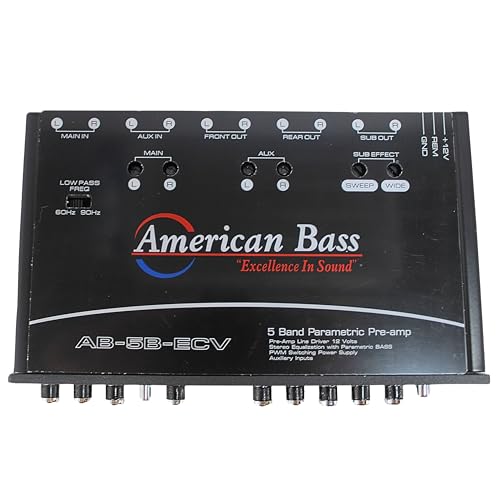
3. American Bass 5 Band Equalizer with Built in Voltmeter Digital Display AB-5B-ECV
Rating: 9.2/10
The American Bass 5 Band Equalizer with Built in Voltmeter Digital Display AB-5B-ECV is your ticket to amazing car sound. It helps you get the best audio from your speakers. You can easily control the sound and see your system’s voltage. This makes your music sound clearer and your bass hit harder.
What We Like:
- It has a built-in voltmeter so you can see your car’s power.
- The 7V line driver gives your audio system a strong signal.
- You get great control with a master volume and separate left/right settings.
- The five EQ bands let you boost or cut sound by 12dB.
- It has three RCA outputs for your front, rear, and subwoofer amps.
- The dedicated subwoofer control lets you fine-tune your bass.
- It works with a wide range of music frequencies (10Hz-50KHz).
- The sound quality is excellent with a 90 dB S/N Ratio and low 0.05% THD.
What Could Be Improved:
- The instruction manual might be a bit technical for beginners.
- Installation can take some time and may require basic car audio knowledge.
This equalizer offers fantastic sound shaping for any car audio enthusiast. It’s a powerful tool to make your music sound exactly how you want it.
4. Denpetec Car Bass Controller

Rating: 9.3/10
Take control of your car’s sound with the Denpetec Car Bass Controller. This handy device lets you adjust your amplifier’s power, stereo settings, equalizer, or crossover volume right from your dashboard. You can even fine-tune your subwoofer’s level or balance out multiple amplifiers. It makes getting the perfect sound for any song super easy.
What We Like:
- You can adjust the sound in two ways: by gain or by frequency. This means you can really make your music sound different and exciting.
- It adds subwoofer level controls, which is awesome for bass lovers.
- It balances multiple amplifier setups, making your whole sound system work better.
- Using it is a breeze! Just turn the knob to adjust.
- It fits most cars and connects simply without needing extra wires.
What Could Be Improved:
- While it offers frequency adjustment, the specific frequency ranges might not be detailed enough for audiophiles seeking precise tuning.
- The “universal fit” is great, but some very specific or older car models might require minor workarounds for mounting.
The Denpetec Car Bass Controller is a fantastic way to upgrade your car audio experience. It puts powerful sound adjustments right at your fingertips, making it simple to get the best sound from your music.
5. Taramps Crx4 Electronic 4 Way Crossover Rca Channels 8 Volts Rms Car Audio Processor Stereo Equalizer Great for Low/High with Bass Boost

Rating: 9.0/10
Take your car’s sound system to the next level with the Taramps CRX4 Electronic Crossover. This powerful little device lets you fine-tune your audio, making your music sound amazing. It’s designed to work with both low and high frequencies, and it even has a bass boost feature to make your bass thump. The CRX4 is a great way to get a professional sound from your car stereo.
What We Like:
- Compact Size: It’s small and won’t take up much space in your car.
- 4 Channels: You can control four different audio channels, giving you lots of options.
- Customizable Sound: You can adjust the sound exactly how you want it.
- Bass Boost: Adds extra punch to your bass for a more exciting listening experience.
- Easy to Use: The controls are straightforward, making it simple to set up and adjust.
What Could Be Improved:
- RCA Channels: While it has RCA channels, some users might prefer more advanced connection options.
- 8 Volts RMS: For extremely powerful systems, some might wish for higher voltage handling.
The Taramps CRX4 is a fantastic choice for anyone looking to improve their car audio. It offers great sound control in a small package.
Get Your Bass Thumping: The Ultimate Buying Guide for Car Equalizer Settings
Want your car audio to sound amazing? Getting your equalizer settings just right for bass is key. This guide will help you understand what to look for, what makes good bass, and how to get the most out of your car’s sound system.
Key Features to Look For
When you’re checking out equalizer settings or units, keep these features in mind:
Number of Bands
- A higher number of bands means you have more control over different sound frequencies. Think of each band as a slider you can move up or down. More sliders give you finer tuning.
Frequency Range
- This tells you the lowest and highest sounds your equalizer can adjust. For good bass, you want an equalizer that can adjust the lower frequencies well.
Adjustable Q Factor (Bandwidth)
- This feature lets you decide how wide or narrow an adjustment a specific band makes. A narrow Q affects only a small range of sound, while a wide Q affects a broader range. This is advanced but powerful for shaping your bass.
Low-Pass Filter (LPF)
- This is super important for bass. An LPF lets you control the highest frequency that goes to your subwoofer. This helps prevent unwanted higher sounds from muddying up your bass.
Subsonic Filter
- This filter cuts out sounds below a certain frequency. It’s useful for preventing your subwoofer from trying to play sounds it can’t handle, which can save your speaker and improve sound quality.
Input and Output Options
- Check how many ways you can connect your equalizer. More options mean more flexibility with your sound system.
Important Materials and Build Quality
While you’re not usually buying raw materials for equalizer settings, the build of an equalizer unit matters.
- Durable Casing: A solid metal casing protects the internal electronics.
- Quality Knobs and Faders: Smooth, responsive controls feel better and last longer. They help you make precise adjustments.
Factors That Improve or Reduce Quality
Getting that perfect bass sound depends on a few things.
Improving Bass Quality
- Proper Subwoofer Setup: A well-installed and correctly sized subwoofer is essential. Your equalizer can only do so much if the speaker isn’t capable.
- Good Speaker Placement: Where your speakers are in the car affects how sound travels.
- Room Acoustics: The inside of your car is like a small room. Things like seat material and the shape of the interior can change the sound.
- High-Quality Audio Source: Playing music with good bass in the recording itself makes a big difference. A clean, uncompressed audio file is best.
- Clean Power: Your equalizer and speakers need clean, stable power from your car’s electrical system.
Reducing Bass Quality
- Over-Boosting Bass: Pushing the bass sliders too high can cause distortion and make the sound muddy.
- Incorrect Filter Settings: Wrong LPF or subsonic filter settings can lead to poor sound or damage to your speakers.
- Poor Installation: Loose wires or bad connections can introduce noise and reduce sound quality.
- Low-Quality Audio Files: Compressed music files often lack the detail and punch needed for great bass.
- Cheap Components: Using very low-quality equalizer units or speakers will limit your sound potential.
User Experience and Use Cases
Using equalizer settings is all about making your music sound the way you want.
For Everyday Listening
- You might want a slight boost in the low-end to make pop, rock, or hip-hop music feel more alive. A gentle increase around 60-100 Hz can add warmth.
For Deep Bass Enthusiasts
- If you love feeling the rumble, you’ll focus on the very low frequencies. You might boost around 30-60 Hz. Be careful not to overdo it, or your bass will sound boomy and unclear.
For Different Music Genres
- Electronic Dance Music (EDM): Often needs a strong, clear sub-bass. You might boost the lowest bands and use filters to keep it clean.
- Rock Music: Might benefit from a tighter, more punchy bass. Adjusting mid-bass frequencies can help here.
- Jazz or Classical: Usually requires a more natural bass sound. You might not need much adjustment or could even slightly cut some very low frequencies to avoid boominess.
Frequently Asked Questions (FAQ) About Equalizer Settings for Bass
Q: What are the main Key Features to look for in an equalizer for bass?
A: The main Key Features are the number of bands for control, the frequency range it can adjust (especially low frequencies), adjustable Q factor for fine-tuning, a low-pass filter (LPF), and a subsonic filter.
Q: What materials are important for equalizer units?
A: For equalizer units, a durable metal casing and quality knobs and faders are important for longevity and ease of use.
Q: How can I improve the quality of bass in my car?
A: You can improve bass quality with a proper subwoofer setup, good speaker placement, high-quality audio sources, and clean power. Adjusting your equalizer settings carefully also helps.
Q: What factors can reduce bass quality in my car?
A: Factors that reduce bass quality include over-boosting bass, incorrect filter settings, poor installation, low-quality audio files, and using cheap audio components.
Q: How do I set my equalizer for everyday listening?
A: For everyday listening, you might add a slight boost to low frequencies (around 60-100 Hz) to add warmth to music like pop, rock, or hip-hop.
Q: I love deep bass. How should I adjust my equalizer?
A: For deep bass lovers, focus on boosting the very low frequencies (around 30-60 Hz). It’s crucial to use filters to keep the bass clean and avoid distortion.
Q: How does the Q factor affect bass settings?
A: The Q factor, or bandwidth, lets you control how wide or narrow an adjustment a specific frequency band makes. A narrow Q is good for precise bass shaping, while a wide Q affects a broader range.
Q: What is a Low-Pass Filter (LPF) and why is it important for bass?
A: A Low-Pass Filter (LPF) lets you set the highest frequency that goes to your subwoofer. It’s important for bass because it stops unwanted higher sounds from making your bass muddy and unclear.
Q: Should I boost or cut bass frequencies on my equalizer?
A: You can both boost and cut bass frequencies. Boosting adds more bass, while cutting reduces it. Often, you’ll find better results by cutting unwanted boominess rather than just boosting everything.
Q: How do I avoid damaging my speakers with equalizer settings?
A: To avoid damaging your speakers, never over-boost bass frequencies too much, use subsonic and low-pass filters correctly, and ensure your audio source is of good quality. Listen for distortion.
In conclusion, every product has unique features and benefits. We hope this review helps you decide if it meets your needs. An informed choice ensures the best experience.
If you have any questions or feedback, please share them in the comments. Your input helps everyone. Thank you for reading.