
Ever cranked up your music only to find it sounds… off? Maybe the bass is too booming, or the vocals get lost. That fuzzy, muddy sound can be frustrating, especially when you just want to enjoy your favorite tunes. Getting your audio to sound just right often comes down to one powerful tool: the equalizer.
But let’s be honest, “equalizer” can sound like a complicated science experiment. With all those sliders and knobs, figuring out what each one does and how they work together can feel overwhelming. You might wonder if you’re even making your audio sound better or worse! It’s a common struggle many people face when they want clearer sound.
This post is here to help you conquer that confusion. We’ll break down what an equalizer is in simple terms and show you how to use it to make your music, podcasts, or games sound amazing. By the end, you’ll understand how to tweak your settings to get the rich, clear audio you’ve been dreaming of.
Our Top 5 Equalizer Setting Recommendations at a Glance
Top 5 Equalizer Setting Detailed Reviews
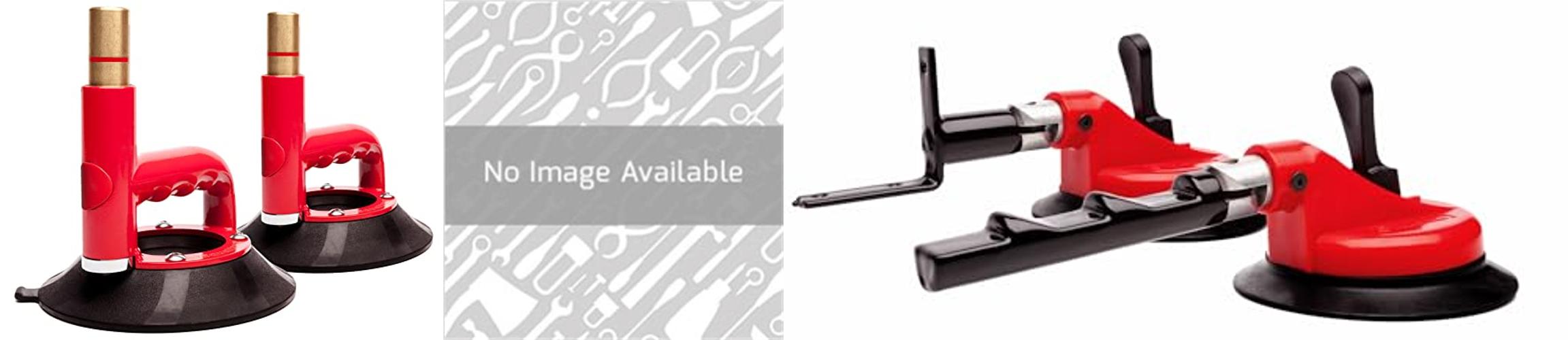
1. Equalizer Auto Glass Visual Vacuum Plunger Cups

Rating: 9.0/10
Setting a car windshield used to be a tricky job, but now many mechanics use vacuum cups. These Equalizer Auto Glass Visual Vacuum Plunger Cups are a game-changer for windshield installation. They are built tough and designed to hold securely, making the job much easier and safer.
What We Like:
- These cups are big, measuring 7 inches across.
- Each cup can hold up to 90 pounds. That’s a lot of strength!
- The handles are made of strong cast aluminum.
- They use high-strength bolts to attach the handles to the cups.
- The best part is the bright red vacuum indicator ring.
- When you pump the handle, the red line disappears, showing you have a good seal.
- If the red line reappears, it warns you that the seal is weakening.
- These cups are made especially for curved glass, which is important for windshields.
What Could Be Improved:
- While the indicator is great, understanding the exact pressure level might be helpful for some professionals.
- The initial cost might be higher than less advanced options.
These vacuum cups offer unmatched reliability and visual feedback. They make a tough job feel much more secure and manageable.
2. Equal-i-zer Equalizer KB1228 • Rubber Setting Blocks (Package of 50) Rubber Blocks for Secure and Precise Glass Setting in Automotive Repairs and Installations

Rating: 8.7/10
The Equal-i-zer Equalizer KB1228 Rubber Setting Blocks are a game-changer for anyone working on automotive glass. These little rubber helpers make sure your glass stays exactly where it needs to be during repairs and installations. You get 50 blocks in a pack, so you’ll have plenty for all your projects. They give the glass a soft, steady place to rest, stopping it from getting scratched or damaged. Plus, they are built to last because they’re made from good quality rubber.
What We Like:
- They help you set glass securely and accurately.
- You get 50 blocks, which is a lot for many jobs.
- They provide a cushioned surface to protect the glass.
- The rubber is strong and will last a long time.
- You can use them for many different kinds of car glass work.
- Both professional mechanics and people fixing their own cars can use them.
What Could Be Improved:
- The color could be brighter to make them easier to spot if dropped.
- A small storage container might be helpful for keeping them organized.
These rubber setting blocks are a smart investment for any auto glass task. They offer peace of mind and ensure a professional finish every time.
3. Equalizer Sidekick Auto Glass Setting Tool

Rating: 8.9/10
The Equalizer Sidekick Auto Glass Setting Tool is a new helper for installing car windows. It makes putting in windshields and back windows much easier. This tool is designed to be used by just one person. It helps you place the glass perfectly every time.
What We Like:
- It gives you great control when you’re working.
- It works with many different types and sizes of car windows.
- It uses smart technology to make installations smoother.
- It’s small and easy to carry to different jobs.
- It helps you do a good job on your own.
What Could Be Improved:
- Sometimes the suction cups might need extra attention for a strong hold.
- More detailed instructions for beginners would be helpful.
- A carrying case would make it even more portable.
The Equalizer Sidekick makes car window installation a simpler task. It’s a smart tool for anyone who needs to install auto glass efficiently.
4. Auto Glass Setting Tool

Rating: 9.0/10
Tired of struggling to install car windshields or back glasses by yourself? The Auto Glass Setting Tool is here to help! This clever device makes it much easier to get that perfect fit without needing an extra pair of hands. It’s designed to hold the glass steady while you work, saving you time and frustration.
What We Like:
- It makes installing glass much easier.
- You can use it on windshields and back glasses.
- It keeps the glass securely in place.
- It’s easy to set up and use.
- It helps you do the job yourself.
What Could Be Improved:
- It might take a little practice to get the hang of it.
- The instructions could be a bit clearer for some users.
This Auto Glass Setting Tool is a smart investment for anyone who wants to tackle auto glass replacement themselves. It offers a practical solution for a tricky job.
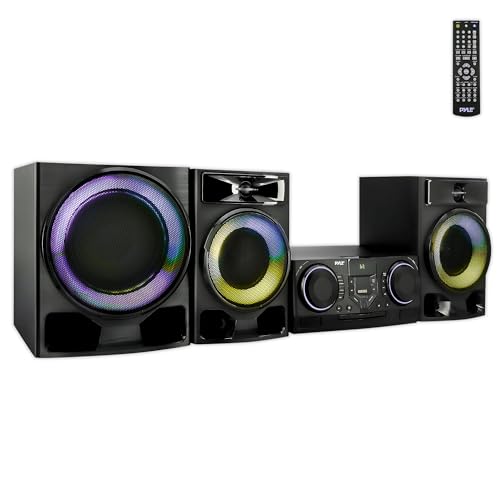
5. Pyle Mini Hi-Fi Bluetooth Stereo System – 4-Piece CD Player with Speakers
Rating: 9.2/10
Get ready to fill your room with amazing sound with the Pyle Mini Hi-Fi Bluetooth Stereo System. This compact, 4-piece system packs a punch, offering everything you need for a fantastic listening experience, all in a sleek black package.
What We Like:
- The sound quality is outstanding. You’ll hear deep bass and clear highs thanks to the 160W amplifier and special speakers. Every song sounds incredible.
- Connecting your devices is super easy. Use Bluetooth 5.0 to stream wirelessly from your phone or tablet. You can also use USB, AUX, or even HDMI.
- This system plays all your favorite music formats. It handles CDs, MP3s, DVDs, VCDs, and CD-Rs. Plus, you can record your CDs straight to a USB drive.
- Control everything from your seat with the included remote. Adjust the volume, bass, and treble without getting up.
- It’s small and stylish. The system fits perfectly in smaller spaces and looks great in any room. It’s powerful sound without taking up much room.
What Could Be Improved:
- While the sound is great for its size, audiophiles looking for the absolute highest fidelity might want more.
- The compact design means the speakers are smaller, so they won’t produce the same booming bass as larger, separate speaker systems.
This Pyle stereo system offers a fantastic blend of features and quality for its size. It’s a smart choice for anyone wanting great sound and easy connectivity without a huge setup.
Your Guide to the Perfect Equalizer Setting
Choosing the right equalizer setting can make a huge difference in how your music, movies, or games sound. This guide will help you understand what to look for and how to get the best audio experience.
Key Features to Look For
When you’re looking at an equalizer, several features are important.
- Number of Bands: This tells you how many different sound frequencies you can adjust. More bands mean you have finer control. A graphic equalizer often has 5, 10, or 31 bands. Parametric equalizers offer even more control, letting you choose the exact frequency, its width (Q factor), and how much you boost or cut it.
- Frequency Range: This shows the lowest and highest sounds the equalizer can work with. A wider range means it can affect more of the audible spectrum.
- Boost/Cut Range: This indicates how much you can increase (boost) or decrease (cut) the volume of specific frequencies. A larger range gives you more power to shape the sound.
- Presets: Many equalizers come with pre-set sound profiles for different types of music (like rock, pop, jazz) or listening situations (like speech, movie). These are great for beginners.
- Bypass Function: This lets you quickly switch between your equalizer settings and the original sound. It’s useful for comparing how your adjustments affect the audio.
Important Materials and Build Quality
The materials used in an equalizer can affect its durability and how it performs.
- Metal Casing: For standalone equalizer units, a sturdy metal casing protects the internal components and helps with heat dissipation. This often means a more robust and long-lasting product.
- High-Quality Potentiometers (Knobs): If your equalizer uses physical knobs, good quality ones feel smooth and precise. Cheap knobs can feel loose or jumpy, making it hard to make small adjustments.
- Durable Connectors: The ports where you plug in your audio cables should be well-made. Loose or corroded connectors can cause audio problems and signal loss.
Factors That Improve or Reduce Quality
Several things can make an equalizer sound better or worse.
- Low Noise Floor: A good equalizer adds very little unwanted noise (hiss or hum) to your audio. A high noise floor can be distracting and reduce the clarity of your sound. This is often a sign of better internal circuitry.
- Accurate Frequency Response: This means the equalizer accurately targets and adjusts the frequencies you want to change without affecting others too much. Poorly designed equalizers might have “bleed” where adjusting one frequency slightly changes others.
- Clean Signal Path: The audio signal should pass through the equalizer without distortion or degradation. High-quality components and design ensure a clean signal.
- Over-processing: Sometimes, trying to fix too much can make the sound worse. Over-boosting certain frequencies can lead to harshness, while over-cutting can make the audio sound thin or lifeless. Knowing when to stop is key.
User Experience and Use Cases
How you use an equalizer depends on your goals.
- Music Listening: You can tweak settings to make your favorite songs sound richer, clearer, or more exciting. For example, you might boost bass for hip-hop or add clarity to vocals in a ballad.
- Home Theater: Equalizers can help balance the sound of your speakers and room. You can reduce boomy bass or make dialogue easier to understand.
- Gaming: Adjusting frequencies can help you pinpoint game sounds, like footsteps or explosions, giving you a competitive edge.
- Podcasting and Voiceovers: Equalizers help make voices sound more professional and clear. You can remove unwanted rumbling sounds or add warmth.
- Beginner Friendliness: Products with intuitive controls and helpful presets are great for those new to audio customization. Experienced users might prefer more advanced features for precise control.
Frequently Asked Questions (FAQ) about Equalizer Settings
Q: What is an equalizer setting?
A: An equalizer setting is a way to adjust the different sound frequencies (like bass, middle, and treble) of audio to make it sound better to you.
Q: How many bands should I look for in an equalizer?
A: For basic adjustments, 5-10 bands are often enough. For more precise control, look for 31 bands or a parametric equalizer.
Q: What does “boost” and “cut” mean on an equalizer?
A: “Boost” means to make a specific sound frequency louder. “Cut” means to make it quieter.
Q: Are equalizer presets useful?
A: Yes, presets are very useful, especially for beginners. They provide good starting points for different types of music or sounds.
Q: How can I tell if an equalizer is good quality?
A: A good equalizer adds very little unwanted noise and accurately adjusts the sound frequencies.
Q: What is a “noise floor” in audio?
A: A noise floor is the background hiss or hum that a device adds to the sound. A lower noise floor means clearer audio.
Q: Can an equalizer make bad audio sound good?
A: An equalizer can improve audio significantly, but it cannot fix fundamental problems with the original recording or equipment.
Q: How do I adjust the bass on my equalizer?
A: You usually boost the lower frequency bands (often labeled from 20Hz to 200Hz) to make the bass sound stronger.
Q: What if I don’t like the sound after adjusting the equalizer?
A: Use the bypass function to switch back to the original sound. You can also try resetting the equalizer to its default settings.
Q: Where are equalizers used?
A: Equalizers are used in stereos, car audio systems, music production software, live sound mixing, and even some headphones and smartphones.
In conclusion, every product has unique features and benefits. We hope this review helps you decide if it meets your needs. An informed choice ensures the best experience.
If you have any questions or feedback, please share them in the comments. Your input helps everyone. Thank you for reading.