

Do you love the warm, rich sound that only vacuum tubes can produce? Many music lovers dream of owning a tube amplifier, but the cost can be a big hurdle. Or maybe you’re a tinkerer at heart, excited by the idea of building something with your own hands. If so, a DIY tube amplifier kit might be your perfect match.
But where do you even begin? The world of DIY tube amplifier kits can feel a bit overwhelming. You might be wondering: Which kit is best for beginners? What tools will I need? Will it actually sound good? It’s easy to get lost in all the technical details and wonder if you’re making the right choice.
Don’t worry! This guide is here to help. We’ll break down what makes a good DIY tube amplifier kit and what you should look for. By the end of this post, you’ll have a clearer understanding of the options and feel more confident about starting your own tube amp adventure. Let’s dive in and explore the exciting world of building your own glowing sound machine!
Our Top 5 Diy Tube Amplifier Kit Recommendations at a Glance
Top 5 Diy Tube Amplifier Kit Detailed Reviews
1. PCB Board DIY kit Vacuum Electron Tube DIY Tube Amplifier kit Tube Amplifier kit Valve Preamp Amplifier Board Tube Headphone Amplifier Kit Headphone Amp Parts Musical Fidelity Kit DC12V

Rating: 9.0/10
Dive into the world of warm, analog sound with this Vacuum Tube DIY Amplifier Kit. It’s designed for hobbyists who want to build their own audio gear and experience the unique character of vacuum tubes. This kit lets you craft a valve preamp or headphone amplifier that can enhance your music playback.
What We Like:
- Clean Power: The kit features eight 470uF capacitors for excellent filtering. This means a very clean power system with no annoying hum.
- Enhanced Sound: When you place this tube pre-amp between your music source and your main amplifier, it filters out digital harshness. This makes music and vocals sound richer and more pleasing.
- Reduced Noise: The filaments are powered by a 12V DC supply. Connecting them in series helps to further reduce any unwanted noise for a clearer audio signal.
- Fun DIY Project: You get all the parts to assemble the amplifier yourself. Building your own tube amp is a rewarding experience.
- Simple Power Connection: It uses a standard DC 5.5*2.1 socket. You can easily connect an AC 12V transformer. Just solder the power cord to the board.
What Could Be Improved:
- Assembly Required: This is a DIY kit, so you need to be comfortable with soldering and putting electronic components together.
- Transformer Not Included: While it specifies AC 12V, you will need to source your own transformer.
This kit offers a fantastic opportunity to build your own tube amplifier and enjoy a warmer, more natural sound. It’s a great way to learn about audio electronics and improve your listening experience.
2. 1Set Dual Way Magic Eye 6E2 Tube Audio Level Indicator Module VU Meter Music Spectrum Vacuum Tube Level Indicator Driver Board DIY Kits

Rating: 9.1/10
Spice up your audio setup with the 1Set Dual Way Magic Eye 6E2 Tube Audio Level Indicator Module. This DIY kit brings a classic visual flair to your music, making your sound system look as good as it sounds. It’s designed for hobbyists and audiophiles who love to tinker and enhance their audio gear.
What We Like:
- Visually Engaging: The 6E2 magic eye tubes create a lifelike “cat’s eye” effect, with the glowing screen changing with your music’s volume. It’s like having a tiny, animated show for your ears.
- Easy Integration: The compact PCB board is simple to mount in almost any amplifier cabinet. You can connect the tube sockets with flying wires, giving you lots of flexibility.
- Adjustable Sensitivity: You can easily fine-tune the input sensitivity and screen opening amplitude with the included precision resistors. This lets you match the indicator perfectly to your audio source.
- Dual Channel Support: The kit handles two channels, ensuring both your left and right audio signals are represented visually.
- DIY Friendly: It’s a great kit for anyone who enjoys building and customizing their own electronics.
What Could Be Improved:
- Not a Power Amplifier: Remember, this is purely for visual effect. It doesn’t boost your audio power.
- Tube Wiring: Understanding the different tube pin connections, especially for the filament wiring (parallel or series), might require a little research for beginners.
This DIY kit offers a unique and stylish way to visualize your audio. It’s a fantastic addition for anyone who appreciates both sound and a touch of retro-cool aesthetics in their audio system.
3. Pre Amp Kit
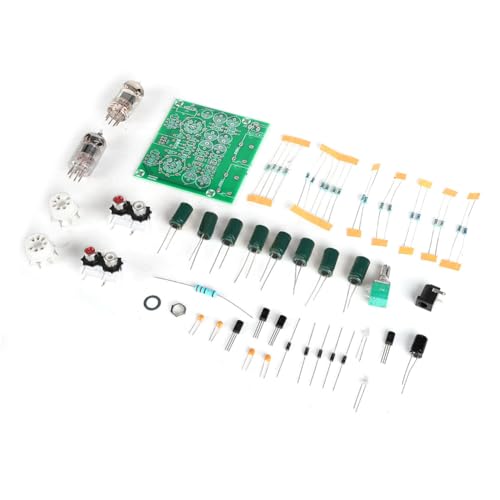
Rating: 8.8/10
The Pre Amp Kit, 6JL Electronic Amplifier Tube Valve Vacuum Electron Preamp Board is a cool DIY project for anyone who loves music. It helps make your audio sound better. You can adjust the treble, midrange, and bass. It’s inspired by a famous audio design, so it’s built to last and sound great.
What We Like:
- It has a neat and tidy circuit board. This helps the sound stay clear.
- It uses good parts, like special capacitors and resistors. This means it makes your music sound richer.
- The design is based on a trusted audio model. It’s even better than the original.
- It works with a simple 12V AC power supply. It’s easy to set up.
- It filters out extra noise. This makes the sound cleaner and more enjoyable.
- It amplifies the sound a good amount. This is perfect for headphones and other audio gear.
What Could Be Improved:
- It’s a DIY kit. Some people might find building it a little tricky if they aren’t used to electronics.
- The description mentions specific tube types (6AK5, 5654, 6AU6) but the main title focuses on 6J1. Clarifying which tubes are included or best used would be helpful for buyers.
This preamp kit offers a fantastic way to improve your audio setup. It’s a rewarding project for music lovers.
4. Tube Amplifier Kit
Rating: 9.0/10
Unleash your inner audiophile and dive into the world of warm, rich sound with this comprehensive Tube Amplifier Kit. This DIY project lets you build your very own 6J1 vacuum tube preamp, perfect for upgrading your audio setup and experiencing music like never before.
What We Like:
- Warm, Natural Sound: This preamp effectively filters out harsh digital tones, making music and vocals sound more natural and pleasing.
- Clean Power System: Featuring eight 470UF capacitors for excellent filtering, this kit minimizes hum for a pure audio experience.
- Quiet Operation: The filaments are powered by a DC 12V supply, connected in series to further reduce unwanted noise.
- Engaging DIY Experience: You get to assemble the entire unit yourself, offering a fun and rewarding building process.
- Simple Power Input: It uses a standard DC 5.5*2.1 socket and an AC 12V transformer, making it easy to connect.
What Could Be Improved:
- Requires Soldering Skills: You’ll need to solder the power cord to the circuit board, which might be a hurdle for absolute beginners.
- No Included Transformer: While it accepts an AC 12V transformer, one is not included in the kit.
This kit offers a fantastic way to personalize your audio and enjoy the satisfying process of creation. It’s a great choice for anyone looking to add a touch of vintage tube warmth to their sound.
5. MOD 102 DIY Guitar Amplifier Kit

Rating: 8.5/10
Calling all guitarists who love to tinker! The MOD 102 DIY Guitar Amplifier Kit lets you build your own awesome 5-watt amp. It’s a fun project for anyone who enjoys putting things together and learning how electronics work. You get to solder and assemble it yourself, which is super rewarding. Once it’s built, you’ll have a cool, vintage-sounding amp ready to rock.
What We Like:
- It’s a hands-on DIY project that’s both educational and fun.
- You get a functional 5W guitar amplifier when you’re done.
- The vintage controls (bass, treble, volume) give it a classic tone.
- The vintage pilot lamp with its jewel cover looks really cool when the amp is on.
- It’s a great way to understand how guitar amps are made.
What Could Be Improved:
- Assembly and soldering are required, so it’s not for everyone.
- It’s a single-channel amp, which might be limiting for some players.
- The 5W output is good for practice but might not be loud enough for big gigs.
If you enjoy building things and want a cool, retro-sounding amp you made yourself, the MOD 102 is a fantastic choice. It’s a rewarding project that delivers a satisfying tone.
Your Guide to Building Your Own Tube Amp: A Fun Project!
Building your own tube amplifier kit can be a super rewarding project. It’s like putting together a cool puzzle that makes awesome music! This guide will help you pick the right kit and understand what makes a great tube amp.
Why Build a Tube Amp Kit?
Tube amps have a special sound that many musicians love. They sound warm and full, and they can make your guitar sound really powerful. Building one yourself means you get to learn how it works and have a unique amp that you made!
Key Features to Look For
When you’re looking at DIY tube amp kits, keep these things in mind:
- Tube Type: Different tubes make different sounds. Common tubes are EL84, 6V6, and EL34. EL84s often give a bright, lively sound. 6V6s are known for a warm, bluesy tone. EL34s can give a powerful, rock sound. Some kits use a mix of tubes.
- Wattage: This is how loud the amp can get. Small amps (1-5 watts) are great for practicing at home. Medium amps (15-30 watts) are good for small gigs. Big amps (50+ watts) are for loud stages.
- Circuit Design: Kits are based on classic amp designs. Some are simple and great for beginners. Others are more complex and offer more control over your sound. Look for kits that explain the circuit and what kind of sound it’s known for.
- Components Included: Make sure the kit has everything you need. This includes all the electronic parts, the chassis (the metal case), transformers (important for power), and sometimes even the tubes.
Important Materials You’ll Find
Your kit will have lots of different parts. Here are some of the most important ones:
- Resistors and Capacitors: These are small electronic parts that control the flow of electricity. They are very important for the amp’s sound.
- Tubes: These are the glass bulbs that make the magic happen. They heat up and amplify your sound.
- Transformers: These are heavy metal parts that change the voltage of the electricity. They are crucial for the amp to work safely.
- Chassis: This is the metal box that holds everything together. It also helps protect you from the high voltages inside.
- Circuit Board (PCB) or Turret Board: This is where you solder all the electronic parts. Some kits use a pre-made PCB, which is easier for beginners. Others use a turret board, which is more traditional.
What Makes an Amp Sound Great (or Not So Great)?
Several things affect the quality of your tube amp:
- Quality of Components: Using high-quality resistors, capacitors, and transformers makes a big difference. Better parts often last longer and sound better.
- Build Quality: How well you solder the parts together matters. Good soldering connections are strong and don’t cause noise. Following the instructions carefully is key.
- Tube Quality: The tubes themselves are a huge factor. Good quality tubes will sound better and last longer than cheap ones.
- Circuit Design: Some circuits are just designed to sound amazing! Classic circuits are popular because they have a proven, great sound.
Your Experience and How You’ll Use It
Building a tube amp kit is a hands-on learning experience. You’ll learn about electronics, soldering, and how amplifiers work.
- For Beginners: Start with a simpler kit. These often have fewer parts and clear instructions. They are great for learning the basics.
- For Experienced Builders: More complex kits can offer advanced features or replicate famous amp sounds. These can be a fun challenge.
- Use Cases:
- Home Practice: Smaller wattage amps are perfect for playing in your room without disturbing anyone.
- Recording: Tube amps have a fantastic sound for recording.
- Small Gigs: Medium wattage amps can be great for playing at coffee shops or small venues.
- Learning: It’s a fantastic way to learn about electronics and audio!
Building a DIY tube amp kit is a journey. Take your time, follow the instructions, and enjoy the process. The sound you create will be uniquely yours!
Frequently Asked Questions About DIY Tube Amp Kits
Q: What are the main Key Features to look for in a DIY tube amp kit?
A: You should look at the type of tubes it uses, how loud it can get (wattage), the design of its circuit, and if it includes all the necessary parts.
Q: What important materials will I find in a DIY tube amp kit?
A: You’ll find resistors, capacitors, tubes, transformers, a chassis, and either a circuit board (PCB) or a turret board.
Q: What factors can improve or reduce the quality of a DIY tube amp?
A: The quality of the electronic parts, how well you build it (good soldering), the quality of the tubes, and the original circuit design all affect its sound and reliability.
Q: Is building a DIY tube amp kit a good experience for beginners?
A: Yes, especially if you choose a kit designed for beginners. These kits usually have fewer parts and simpler instructions.
Q: What are some common use cases for a DIY tube amp?
A: They are great for practicing at home, recording music, playing small gigs, and for anyone who wants to learn about electronics.
Q: Do I need any special tools to build a tube amp kit?
A: You will definitely need a soldering iron and solder. You’ll also likely need wire cutters, pliers, screwdrivers, and a multimeter for testing.
Q: How long does it usually take to build a DIY tube amp kit?
A: It can vary a lot! A simple kit might take a weekend. A more complex one could take several days or even a week, depending on your experience and how much time you have.
Q: Are DIY tube amp kits safe to build and use?
A: Tube amps use high voltages, so they can be dangerous if not built or handled properly. Always follow the safety instructions in your kit’s manual very carefully.
Q: Can I customize a DIY tube amp kit?
A: Once you understand the basics, you can often make changes to the circuit or swap out components to change the sound. This is for more experienced builders.
Q: Where can I find good quality DIY tube amp kits?
A: Many online electronics stores and specialized amplifier kit companies sell them. Reading reviews and looking at what’s included will help you choose.
In conclusion, every product has unique features and benefits. We hope this review helps you decide if it meets your needs. An informed choice ensures the best experience.
If you have any questions or feedback, please share them in the comments. Your input helps everyone. Thank you for reading.