

Imagine your favorite song playing, but it sounds a little fuzzy, or maybe the quiet parts get lost. That’s often because the amplifier isn’t quite right. Amplifiers are the heart of your sound system, making music louder and clearer. Today, we’re diving into a special kind of amplifier: the Class A integrated amplifier.
Choosing the right Class A integrated amplifier can feel like navigating a maze. There are so many choices, and some can be quite expensive! You want that pure, smooth sound, but it’s tough to know which one will give you the best listening experience without breaking the bank. Many people get confused by all the technical terms and features.
But don’t worry! By the end of this post, you’ll understand what makes Class A amps so special. We’ll help you cut through the confusion and discover how to find an amplifier that will make your music sound amazing. Get ready to learn what to look for and why this type of amplifier might be the perfect fit for your home audio setup.
Our Top 5 Class A Integrated Amplifier Recommendations at a Glance
Top 5 Class A Integrated Amplifier Detailed Reviews
1. Musical Fidelity A1 Class A Integrated Amplifier

Rating: 9.0/10
The Musical Fidelity A1 Class A Integrated Amplifier is a special piece of audio equipment. It’s designed to make music sound truly wonderful. This amplifier uses a special kind of technology called Class A to create a pure and smooth sound.
What We Like:
- It delivers 25W of pure Class A power, which sounds amazing.
- The amplifier can handle tricky speakers very well.
- It has a “dynamic Class A” design that adjusts automatically for more power when needed.
- The new A1 has an improved transformer for better power and stereo sound.
- Its power supplies are independent for each channel, reducing noise.
- The low-noise preamplifier circuitry is the same as the original, now with better power.
- A new “direct” switch lets you bypass parts of the preamp for a cleaner signal.
- Its phono stage is great for both MC and MM cartridges, with automatic impedance matching.
- Most importantly, it makes music sound sweet, fluid, and creates a beautiful atmosphere.
- It has a classic look with large heatsinks that are both stylish and functional.
What Could Be Improved:
- The 25W power output might seem low for very demanding situations.
- It’s not a powerhouse amplifier, so it’s best suited for smaller to mid-sized rooms.
This amplifier truly excels at making music come alive. For anyone who loves natural instruments and a sweet, fluid sound, the Musical Fidelity A1 is a dream come true.
2. Willsenton R300 Plus Tube Amplifier 300Bx2 Single-Ended Class A Integrated Amplifier Power Amplifier Headphones amp All in One (Silver Panel)

Rating: 9.0/10
Get ready to experience amazing sound with the Willsenton R300 Plus Tube Amplifier. This cool silver-paneled amp does it all. It’s an integrated amplifier, a power amplifier, and even a headphone amp. Willsenton built this beauty by hand, connecting every part carefully. It’s a single-ended Class A amplifier, which means it makes music sound super pure and rich.
What We Like:
- It’s an all-in-one powerhouse: integrated amp, power amp, and headphone amp.
- Pure Class A sound: This gives you really warm and detailed audio.
- Handmade quality: Each amp is built with care, point-to-point.
- Easy battery changes: The aluminum alloy case makes swapping tubes simple and looks good.
- Classic design: The body has a beautiful blue piano paint finish.
- High-quality tubes: It uses special 5AR4 tubes for power and imported Tung-Sol 6SL7 GT tubes for clear sound.
- One-year warranty: You get peace of mind with this protection.
What Could Be Improved:
- Tube rolling can be expensive: While great, upgrading tubes later might cost extra.
- Not the most compact: It takes up a decent amount of space on your desk or shelf.
The Willsenton R300 Plus offers fantastic sound and versatility for any audio lover. It’s a top-notch amplifier that brings your music to life.
3. Arcam SA10 Class A/B Integrated Amplifier – 50W of Power Per Channel – 5 Analogue Inputs & 3 Digital Inputs – Easily Connects to Surround Sound System

Rating: 8.8/10
The Arcam SA10 Class A/B Integrated Amplifier is a powerful and versatile audio component designed to bring out the best in your music. With 50 watts of power per channel, it offers rich and detailed sound that makes your favorite songs feel alive. It’s easy to connect all your audio gear, from turntables to modern digital sources, and even integrates smoothly with your existing surround sound system.
What We Like:
- Hear every detail thanks to Arcam’s class-leading sound quality.
- Powerful 50W per channel output delivers rich, immersive audio.
- High-performance ESS9016K2M Sabre DAC ensures excellent digital sound.
- Low noise floor means you hear pure music, not background hum.
- Convenient connections: 5 analog inputs, 3 digital inputs (Toslink, 2 coaxial).
- Dedicated phono input makes connecting your turntable a breeze.
- Easily connects to your surround sound system for a complete home theater experience.
- Arcam’s long history of making high-quality audio electronics.
What Could Be Improved:
- While it connects to surround sound, it doesn’t act as a full AV receiver itself.
- The power output, while good, might not be enough for extremely large rooms or very demanding speakers.
The Arcam SA10 is an excellent choice for anyone who values pure, detailed sound and flexible connectivity. It’s built to last and designed to make your music collection sound better than ever.
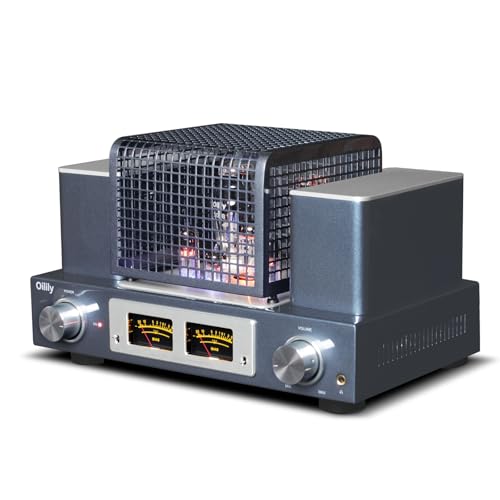
4. Oilily A300B Tube Amplifier 300BX2 Single-Ended Class A Tube Integrated Amplifier Headphones Available (Silver)
Rating: 8.6/10
The Oilily A300B Tube Amplifier 300BX2 is a powerful and detailed integrated amplifier designed for audiophiles. It uses special tubes to make music sound pure and clear. You can use it to power your speakers or plug in your headphones for a personal listening experience. This amplifier also has cool meters that show you what’s going on inside.
What We Like:
- It uses excellent tube technology, including two 300B tubes, to deliver pure and detailed sound.
- The amplifier features high-quality transformers for stable power and great audio.
- A dual meter display shows you the levels and current, making sure the amplifier works reliably.
- You can easily plug in your headphones using the 6.5mm jack, and the speakers automatically turn off.
- It supports different speaker and headphone impedances, giving you flexibility.
- The 8W+8W power output provides robust audio.
What Could Be Improved:
- The price point might be high for some budget-conscious listeners.
- Availability might be limited, making it harder to find.
This amplifier offers a premium listening experience with its advanced technology and thoughtful design. It’s a great choice for anyone seeking high-fidelity sound.
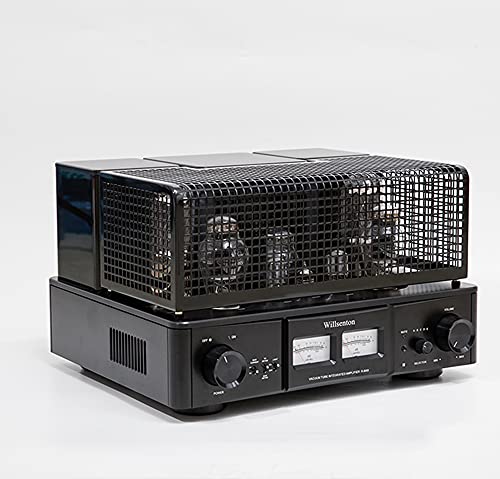
5. Willsenton R800i 300B 845 Tube Single-Ended Class A Integrated & Power Amplifier Balanced XLR Input
Rating: 9.0/10
The Willsenton R800i 300B 845 Tube Single-Ended Class A Integrated & Power Amplifier is a true gem for audiophiles. It brings together the warmth of tube sound with the power and clarity needed for a fantastic listening experience. This amplifier is built with care, featuring hand-welded connections and high-quality components.
What We Like:
- Hand-Welded Quality: The point-to-point hand welding shows great craftsmanship.
- Premium Transformers: High-end EI type output transformers and toroidal power transformers ensure excellent sound and power.
- Tube Versatility (with a caveat): It can work with either 300B and 845 tubes, or 300B and 805 tubes, allowing for different sound signatures.
- Tube Sound Options: The 845 tubes offer a smooth, vocal-focused sound, perfect for smaller setups and voice-centric music. The 805 tubes provide more power, ideal for dynamic music like symphonies and jazz.
- Protection Features: A power-on delay protects your speakers and tubes.
- Smooth Volume Control: A Japanese ALPS high-end potentiometer gives you precise volume adjustments.
- Balanced Input: The balanced XLR input offers a cleaner signal path.
What Could Be Improved:
- Tube Specificity: It’s crucial to note that the 845 and 805 tubes are NOT interchangeable on the same amplifier model. You must buy the correct version for your chosen tubes.
- Speaker Matching for 845: The 845 tube version requires high-efficiency speakers to perform at its best due to its lower power output.
This Willsenton R800i amplifier offers a superb listening journey for those who appreciate the nuanced sound of tubes. Choose the tube version that best suits your musical tastes and speaker setup.
Choosing Your Perfect Class A Integrated Amplifier: A Guide
Are you ready to experience music like never before? A Class A integrated amplifier can bring a new level of clarity and warmth to your sound system. This guide will help you find the perfect one for your listening pleasure.
What is a Class A Integrated Amplifier?
Think of an amplifier as the heart of your stereo system. It takes the tiny signals from your music source (like a CD player or streamer) and makes them big enough to power your speakers. A Class A amplifier does this in a special way that makes the sound very clean and smooth. It’s like having a super talented artist painting a picture – every detail is captured beautifully.
Key Features to Look For
Power Output (Watts)
- What it means: This tells you how loud the amplifier can make your speakers.
- What to look for: For most home listening, 30-50 watts per channel is plenty. If you have large speakers or a big room, you might want more.
Inputs and Outputs
- What it means: These are the connections where you plug in your music sources and speakers.
- What to look for: Make sure it has the right kinds of inputs for your devices (like RCA for older gear, XLR for high-end gear, or digital inputs like USB or Optical for modern devices). It should also have good speaker terminals.
Remote Control
- What it means: Lets you adjust volume and switch inputs from your couch.
- What to look for: A well-built remote makes using your amplifier much easier and more enjoyable.
Build Quality and Design
- What it means: How well the amplifier is made and how it looks.
- What to look for: A solid metal case feels premium and helps protect the electronics. A clean, uncluttered front panel is also nice.
Important Materials
The parts inside an amplifier matter a lot. High-quality components can make a big difference in sound.
- Transformers: These are like the power supply for the amplifier. A good toroidal transformer is often a sign of quality.
- Capacitors: These store and release electrical energy. High-end capacitors help deliver smooth power.
- Output Transistors: These are the workhorses that push the sound to your speakers.
Factors That Improve or Reduce Quality
What Makes it Better:
- Good Power Supply: A strong and stable power supply keeps the amplifier running smoothly.
- High-Quality Components: Using the best parts available ensures better sound.
- Careful Design: Engineers who know what they’re doing can make the amplifier sound amazing.
- Solid Construction: A well-built amplifier is more reliable and often sounds better.
What Can Make it Worse:
- Cheap Parts: Using inexpensive components can lead to a less clear and detailed sound.
- Poor Wiring: Messy internal wires can sometimes interfere with the sound.
- Overheating: Class A amps can get warm. Good ventilation is important.
User Experience and Use Cases
Who is it for?
A Class A integrated amplifier is perfect for music lovers who appreciate detail and a warm, natural sound. If you listen to a lot of acoustic music, jazz, or classical, you’ll likely enjoy the smooth character of Class A.
How to Use It:
- Connect your music source (like a streamer or CD player) to the amplifier’s inputs.
- Connect your speakers to the amplifier’s speaker outputs.
- Turn on the amplifier and select your input.
- Enjoy the music!
Remember that Class A amplifiers can run warm, so make sure they have good airflow around them. They are designed to be plugged in and left on for extended listening sessions.
Choosing a Class A integrated amplifier is an exciting step towards better sound. By understanding these features and factors, you can make a choice that will bring you joy for years to come.
Frequently Asked Questions (FAQ)
Q: What is the main advantage of Class A amplification?
A: The main advantage is its incredibly clean and detailed sound. It reproduces music with a natural warmth and accuracy.
Q: Are Class A amplifiers very powerful?
A: Not always. While some are powerful, Class A is more about sound quality than sheer volume. They often use more power than other amplifier types.
Q: Do Class A amplifiers get hot?
A: Yes, they do. It’s normal for Class A amplifiers to run warm because they are always on. Proper ventilation is important.
Q: Can I use a Class A amplifier with any speakers?
A: Yes, but it’s best to match them with speakers that aren’t too difficult to drive. Check the amplifier’s power rating and your speaker’s sensitivity.
Q: What kind of music sounds best with a Class A amplifier?
A: Many people find that acoustic, jazz, classical, and vocal music sound particularly beautiful through a Class A amplifier due to its smooth and natural character.
Q: Is Class A amplification better than Class AB?
A: It’s different. Class A offers superior clarity and warmth but is less efficient. Class AB is more efficient but can sometimes have slightly less refined sound.
Q: How much should I expect to spend on a good Class A integrated amplifier?
A: Prices can vary widely, from a few hundred dollars for entry-level models to several thousand for high-end units. You often get what you pay for in terms of build and sound quality.
Q: Do I need to break in a Class A amplifier?
A: Some people believe in “break-in” periods where components sound better after being used for a while. It’s usually not a significant factor for most listeners.
Q: Can I use a Class A integrated amplifier for home theater?
A: While you could, they are primarily designed for stereo music listening. For home theater, you might look at receivers with more channels.
Q: Where can I listen to a Class A integrated amplifier before buying?
A: Many reputable audio stores allow you to audition equipment. It’s a great way to hear the difference for yourself.
In conclusion, every product has unique features and benefits. We hope this review helps you decide if it meets your needs. An informed choice ensures the best experience.
If you have any questions or feedback, please share them in the comments. Your input helps everyone. Thank you for reading.