
Imagine the purest sound possible. That’s the promise of a Class A amplifier. But finding the right one can feel like searching for a needle in a haystack. You want that incredible audio quality, but the sheer number of choices and technical jargon can leave you feeling overwhelmed and confused. Are they worth the price? Which one will truly bring your music to life?
This post dives deep into the world of Class A amplifiers. We’ll break down what makes them special, why they sound so good, and what to look for when you’re ready to buy. You’ll learn how to cut through the noise and confidently choose an amplifier that will make your favorite songs sing like never before.
Let’s explore the magic behind Class A and discover how to find your perfect sonic match.
Our Top 5 Class A Amplifier Recommendations at a Glance
Top 5 Class A Amplifier Detailed Reviews
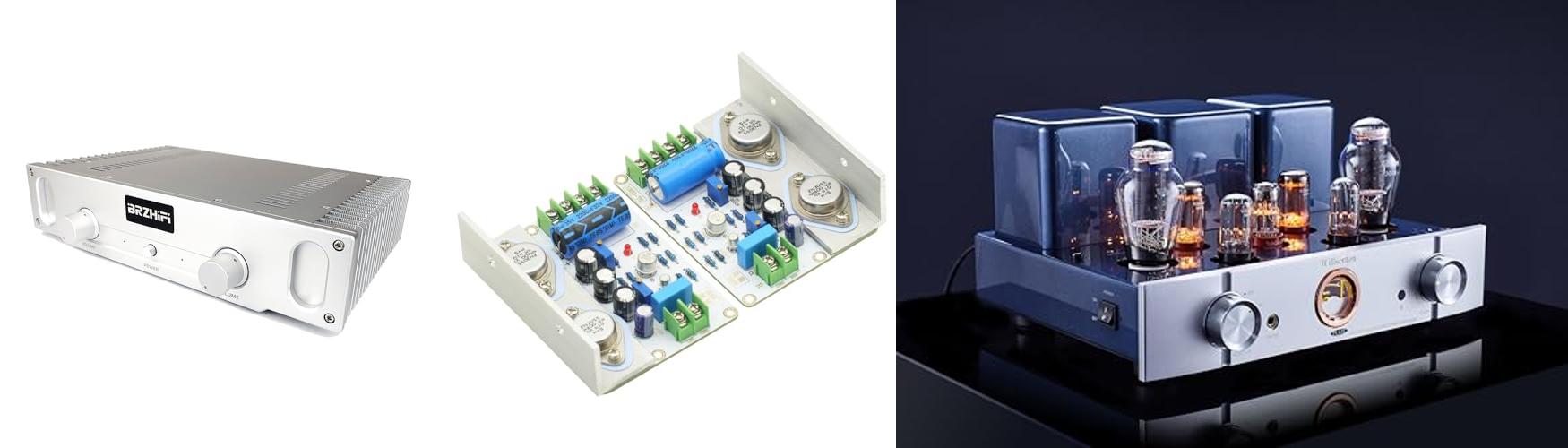
1. A1S HiFi Power Amplifier 20Watt*2 2.0 Channel Pure Class A Home Audio AMP(Sliver)

Rating: 9.4/10
The A1S HiFi Power Amplifier in sleek silver brings a touch of classic British audio to your home. It’s a 2.0 channel amplifier that delivers a pure Class A sound, offering 20 watts per channel. This amplifier is designed for listeners who appreciate a smooth, warm, and detailed listening experience.
What We Like:
- It has a powerful energy system thanks to its toroidal power transformer. This means it can handle loud music without losing its quality.
- The amplifier uses special power transistors, the Ansen MJL21193/MJL21194. These are known for making vocals sound beautiful and detailed, much better than other common transistors.
- It uses reliable OMRON relays with special contacts. These protect your equipment and ensure the sound stays clear.
- The main filter array has large capacitors. This helps the amplifier respond quickly to music changes, making the sound more dynamic and immersive.
- It’s a pure Class A amplifier. This design creates a warm, smooth, and very musical sound that is rich and engaging.
What Could Be Improved:
- At 20 watts per channel, it might not be powerful enough for very large rooms or speakers that are hard to drive.
- Pure Class A amplifiers can run hotter than other types, so good ventilation is important.
For those seeking a captivating and richly textured audio experience, the A1S HiFi Power Amplifier is an excellent choice.
2. 2Pcs 1969 Class A Power Amplifier Board 10-15W HiFi Audio Amplificador 2N3055 PCB Assembled Board

Rating: 8.8/10
Dive into the world of pure audio with this 2Pcs 1969 Class A Power Amplifier Board. This board brings you 10-15 watts of HiFi sound, powered by the classic 2N3055 transistors. It’s a finished, assembled board, meaning you’re ready to plug and play (with a little setup!). This amplifier board is perfect for anyone who wants to build their own high-quality audio system or upgrade an existing one. You can power it with a DC 12V to 35V supply, and it works best with a transformer of at least 100W. The board itself is compact, measuring 100*78*36MM. It’s designed to be mounted easily with its two fixed holes. The recommended speaker size is between 3-5 inches, but it can also handle up to an 8-inch speaker with a power rating below 120 watts. Get ready for some amazing sound!
What We Like:
- Offers true Class A amplification for clear, detailed sound.
- Uses the reliable and well-regarded 2N3055 power transistors.
- Comes as an assembled board, simplifying the building process.
- Flexible power input allows for customization with different power supplies.
- Supports a good range of speaker sizes for versatile use.
- Compact size makes it easy to integrate into various projects.
What Could Be Improved:
- Requires a separate power supply and speakers, which are not included.
- The default 24V, 1.2A setting might require careful heat management for extended use, with higher currents needing good cooling.
- No specific enclosure or mounting hardware is provided with the board.
This amplifier board is a fantastic choice for DIY audio enthusiasts seeking excellent sound quality. It provides a solid foundation for building your dream HiFi system.
3. Willsenton R300 Plus Tube Amplifier 300Bx2 Single-Ended Class A Integrated Amplifier Power Amplifier Headphones amp All in One (Silver Panel)

Rating: 9.4/10
The Willsenton R300 Plus Tube Amplifier is a powerful and versatile audio device that brings a rich, warm sound to your music. This all-in-one unit acts as an integrated amplifier, a separate power amplifier, and even a dedicated headphone amplifier. Its classic blue piano paint finish and sleek silver panel give it a stylish look that will fit nicely in any setup. Built with pure hand-made, point-to-point manual welding, this amplifier shows great attention to detail.
What We Like:
- It’s an all-in-one solution: integrated, power, and headphone amp.
- Pure Class A single-ended design offers fantastic sound quality.
- Hand-made construction with quality components like Tung-Sol tubes.
- Easy battery access and a nice look with the CNC aluminum alloy body.
- Comes with a one-year warranty for peace of mind.
What Could Be Improved:
- Tube rolling can be a complex hobby for beginners.
- The “easy to change the battery” feature might be a bit of a misnomer if you’re not familiar with tube amplifiers.
The Willsenton R300 Plus delivers a captivating audio experience for both music lovers and headphone enthusiasts. It’s a solid choice for anyone seeking the distinctive sound of tube amplification.
4. Douk Audio F5 Pure Class A HiFi Vacuum Tube Amplifier – 6W Single-Ended Stereo Amp for Home Audio System with RCA Inputs

Rating: 8.8/10
The Douk Audio F5 Pure Class A HiFi Vacuum Tube Amplifier brings a warm, rich sound to your home audio system. This single-ended stereo amp uses special vacuum tubes, the 6N1 and 6L6, to create a detailed listening experience. It’s designed to make your music sound its best.
What We Like:
- Exceptional HiFi Sound: It delivers a pure, high-fidelity sound with a warm and rich tone thanks to its vacuum tubes.
- Universal Compatibility: You can easily connect many devices like phones, TVs, and CD players using its RCA inputs. An input selector makes switching sources simple.
- Powerful Output: The amplifier provides 6W+6W of power, enough to drive most home speakers for better sound.
- Elegant Design: Its silver aluminum alloy body looks great and is built to last, fitting well in any room.
- User-Friendly Tube Replacement: Changing the vacuum tubes is easy, letting you change the sound to your liking.
What Could Be Improved:
- The 6W output might not be enough for very large rooms or demanding speakers.
- Vacuum tubes require occasional replacement, adding a small ongoing cost and maintenance.
The Douk Audio F5 amplifier offers a premium listening experience for music lovers. It combines classic tube sound with modern convenience, making it a solid choice for upgrading your home audio.
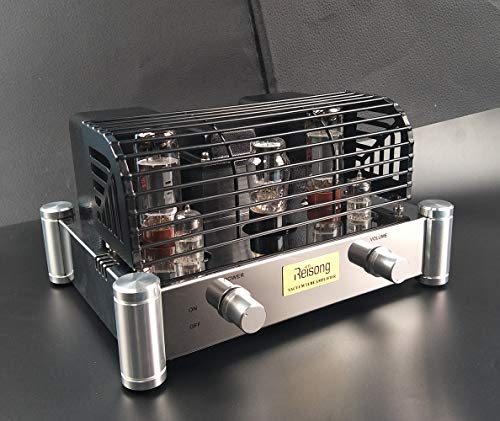
5. Reisong A10 EL34 Hi-Fi Audio Stereo Tube Amplifier Single-end Class – A Amp
Rating: 9.4/10
The Reisong A10 EL34 Hi-Fi Audio Stereo Tube Amplifier is a single-ended Class A amp designed for true audio lovers. It uses a point-to-point hand-welding technique, a method preferred by audiophiles for its purity. This amplifier features a higher-end output transformer, the 76×40, for better sound quality. It comes with EL34 tubes, along with 6N2J and 5Z4PJ tubes. A protective cover for the tubes and a circuit diagram are included.
What We Like:
- Point-to-point hand welding is a sign of quality craftsmanship.
- The upgraded 76×40 output transformer aims for better sound.
- It includes a tube protective cover and a circuit diagram for convenience and support.
- The EL34 tubes are known for their warm and rich sound.
What Could Be Improved:
- The amplifier has lower power output. It’s best suited for bookshelf speakers with a sensitivity of 89db or higher.
- It may not perform well with floorstanding speakers or those with lower sensitivity.
- Users might need to wait a few minutes for sound to appear, and a specific button on the back switches between AUX and CD modes.
This amplifier offers a unique listening experience for those who appreciate the classic tube sound. Just be sure your speakers are a good match for its power level.
Choosing Your Dream Class A Amplifier: A Buyer’s Guide
Are you ready to experience music like never before? A Class A amplifier can bring a special kind of magic to your sound system. But with so many options, how do you pick the right one? This guide will help you find the perfect Class A amplifier for your listening pleasure.
What is a Class A Amplifier?
Think of an amplifier as the engine of your sound system. It takes a small music signal and makes it big enough to power your speakers. A Class A amplifier is a special type of engine. It’s known for its super clean and detailed sound. It always works at full power, even when there’s no music playing. This means it can react instantly to the music, creating a smooth and natural sound.
Key Features to Look For
1. Power Output (Watts)
- How much power do you need? This depends on your speakers and the size of your room.
- For small rooms and efficient speakers, 10-20 watts might be enough.
- For larger rooms or less sensitive speakers, you might want 30-50 watts or more.
2. Sound Quality & Tone
- Listen for clarity. The music should sound crisp and detailed.
- Check for warmth. Class A amps are often praised for a rich, natural sound.
- Look for balance. No one part of the music should sound too loud or too quiet.
3. Build Quality & Materials
- Solid construction matters. A heavy, well-built amplifier usually means better components inside.
- Look for quality connectors. Good speaker terminals ensure a strong connection.
- Consider the heatsinks. Class A amps get warm, so good heatsinks are important for keeping things cool and running smoothly.
4. Inputs and Outputs
- How will you connect your music sources? Check for the right types of inputs (like RCA or XLR).
- Do you need a phono stage? If you love vinyl records, a built-in phono stage is a big plus.
- Consider pre-out/sub-out. These let you add more gear later, like a subwoofer.
Important Materials
The materials used inside an amplifier can affect its sound and how long it lasts.
- High-quality capacitors: These store energy for the amplifier. Better capacitors mean a more stable and cleaner power supply.
- Premium resistors: These control the flow of electricity. Good resistors help maintain signal accuracy.
- Robust transformers: These are the “heart” of the power supply. A well-made transformer provides clean and consistent power.
Factors That Improve or Reduce Quality
Things That Make it Better:
- Careful design: When engineers spend a lot of time perfecting the circuit, the sound is usually excellent.
- Top-notch components: Using the best parts available makes a big difference.
- Good ventilation: Even though Class A amps run warm, proper airflow prevents overheating.
Things That Can Make it Worse:
- Cheap parts: Using low-quality components can lead to a less detailed and sometimes harsh sound.
- Poor cooling: If an amplifier gets too hot, it can sound bad and even break.
- Lack of shielding: This can allow outside electrical “noise” to get into the music signal.
User Experience and Use Cases
A Class A amplifier is a joy to use for many people.
- For the audiophile: If you crave the absolute best sound quality and appreciate subtle details in music, a Class A amp is often the top choice.
- For relaxed listening: The smooth, natural sound is perfect for long listening sessions without fatigue.
- For powering sensitive speakers: Some high-end speakers perform best with the clean power a Class A amp provides.
Remember, Class A amplifiers often run warm, so they need good airflow. They also use more electricity than other types of amplifiers.
Frequently Asked Questions about Class A Amplifiers
Q: What is the main benefit of a Class A amplifier?
A: The main benefit is its incredibly clean, detailed, and natural sound quality.
Q: Do Class A amplifiers get hot?
A: Yes, they do get warm because they are always on and using power.
Q: Are Class A amplifiers good for all types of music?
A: Yes, their smooth sound works well with any music genre.
Q: Do I need special speakers for a Class A amplifier?
A: Not necessarily, but some sensitive speakers sound their best with the clean power of a Class A amp.
Q: How much power do I typically need from a Class A amplifier?
A: It depends on your speakers and room size, but often 10-50 watts is a good range.
Q: Are Class A amplifiers expensive?
A: They can be, but there are also more affordable options available.
Q: What does “Class A” mean in amplifier terms?
A: It refers to how the amplifier’s transistors are always turned on, allowing for a very pure signal.
Q: How much electricity do Class A amplifiers use?
A: They use more electricity than other types of amplifiers because they are always running at full power.
Q: Can I use a Class A amplifier for home theater?
A: While possible, they are most often chosen for stereo music listening due to their specific sound characteristics.
Q: Where should I place a Class A amplifier?
A: Place it in a well-ventilated area where it has room to breathe and dissipate heat.
In conclusion, every product has unique features and benefits. We hope this review helps you decide if it meets your needs. An informed choice ensures the best experience.
If you have any questions or feedback, please share them in the comments. Your input helps everyone. Thank you for reading.