
Ever cranked up your favorite song in the car, only to be met with a muffled, tinny sound? It’s like trying to enjoy a delicious meal with a dull knife – frustrating! The culprit might not be your speakers themselves, but the very wires connecting them. Choosing the right car speaker wire is a surprisingly big deal, and it can be a real headache. You see all sorts of numbers and fancy terms, and it’s hard to know what actually makes a difference.
But don’t worry! We’re here to cut through the confusion. By the end of this post, you’ll understand exactly what to look for. You’ll learn how to pick wires that let your music truly shine, making every drive a better experience. Get ready to transform your car’s audio from “meh” to “wow!” Let’s dive in and discover the secrets of great car speaker wire.
Our Top 5 Car Speaker Wire Recommendations at a Glance
Top 5 Car Speaker Wire Detailed Reviews
1. 16 AWG Gauge Speaker Wire Cable Stereo

Rating: 8.6/10
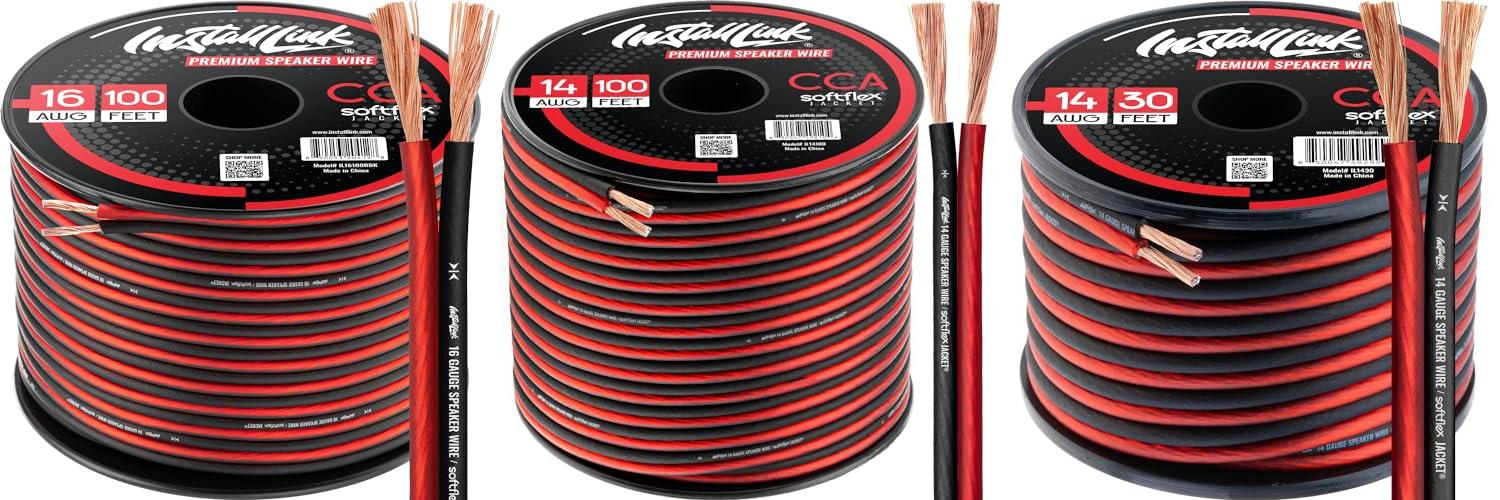
Upgrade your sound system with the Install Link 16 AWG Gauge Speaker Wire. This 100-foot cable is designed for excellent audio, fitting easily into your car stereo, home theater, or even professional studio setups.
What We Like:
- The wire uses high-grade copper and aluminum for clear sound.
- Its flexible design makes it easy to run and connect.
- The red and black colors help you easily see which wire goes where for correct polarity.
- It’s a budget-friendly option that still offers good performance.
- The soft jacket protects the wire and makes installation simple.
- It works well for both beginners and experienced installers.
What Could Be Improved:
- Because it’s Copper-Clad Aluminum (CCA), it might not offer the absolute best audio quality compared to pure copper wire for audiophile-grade systems.
- For very long runs or extremely high-powered systems, a thicker gauge wire might be preferred.
This Install Link speaker wire offers a solid balance of performance and affordability for most audio needs. It’s a practical choice that helps you get the most out of your speakers without breaking the bank.
2. Install Link 14 Gauge Speaker Wire (Speaker Cable) for Car

Rating: 9.2/10
Upgrade your sound system with the Install Link 14 Gauge Speaker Wire. This 100-foot roll of CCA (Copper-Clad Aluminum) wire is built for clarity and durability. It works great for cars, homes, and RVs, making it a versatile choice for any audio project.
What We Like:
- Premium sound quality: The copper and aluminum blend offers clear audio with little signal loss.
- Easy to work with: The flexible jacket makes installation simple, and the polarity is easy to see.
- Built to last: The durable jacket protects the wire and looks good.
- Great for many uses: Perfect for home theaters, car stereos, and professional studios.
- Budget-friendly: CCA wire provides good performance without breaking the bank.
What Could Be Improved:
- CCA vs. Pure Copper: While CCA is cost-effective, pure copper wire generally offers superior conductivity and longevity for high-end audio setups.
- 14 Gauge Limit: For very long runs or extremely demanding systems, a thicker gauge wire might be preferred to ensure absolutely zero signal degradation.
This Install Link speaker wire is a smart pick for anyone looking to improve their audio experience without a big expense. It delivers reliable sound and is easy to install, making it a solid choice for most audio needs.
3. Install Link 14 Gauge Speaker Wire (Speaker Cable) for Car

Rating: 8.8/10
Upgrade your sound system with the Install Link 14 Gauge Speaker Wire. This 30-foot cable is designed to deliver clear, powerful audio for your car, home theater, or RV. Its flexible design and easy-to-identify polarity make setup a breeze.
What We Like:
- The 14-gauge wire is made of copper-clad aluminum (CCA). This means it’s a cost-effective way to get good sound.
- It offers great conductivity, so your music or movie audio comes through with little signal loss.
- The wire is flexible and easy to work with. This makes installation much simpler, whether you’re a DIY beginner or a pro.
- The frosted red/black jacket looks good and is built to last. It protects the wire and makes it easy to see which wire goes where.
- It’s a versatile choice for home theater, car audio, or even professional studios.
What Could Be Improved:
- While CCA is good for the price, true copper wire might offer slightly better long-term performance for very high-end audio setups.
- For extremely long runs or very demanding systems, a thicker gauge wire (like 12-gauge) might be preferred.
This speaker wire provides a solid audio experience for most everyday listening needs. It’s a practical and affordable option to connect your speakers and enjoy better sound.
4. Install Link 14 AWG Gauge Speaker Wire Cable (100 Feet) Stereo

Rating: 9.2/10
Upgrade your sound system with the Install Link 14 AWG Gauge Speaker Wire Cable. This 100-foot roll offers a fantastic solution for connecting your speakers in your home theater, car, or even professional studio. Its flexible design and clear polarity markings make setup a breeze for anyone. Get ready for clearer, more powerful audio.
What We Like:
- The Frosted Blue/Black wire looks great and is easy to see.
- It’s made from high-grade copper and aluminum for excellent sound quality.
- The wire is flexible and easy to strip, making installation simple.
- It works well for both home and car audio setups.
- The soft jacket protects the wire and makes it durable.
What Could Be Improved:
- Being Copper-Clad Aluminum (CCA), it’s not pure copper, which might matter to audiophiles seeking the absolute best signal.
- For very long runs or extremely demanding systems, a thicker gauge might be preferred.
This Install Link speaker wire delivers good performance for its price. It’s a solid choice for most users looking to improve their audio experience without breaking the bank.
5. GEARit Speaker Wire 14 Gauge

Rating: 8.9/10
This GEARit Speaker Wire 14 Gauge, Speaker Cable 100ft is a great choice for anyone looking to connect their speakers. It works well for car audio systems, home theaters, and even in recording studios. You can use it for many different speaker setups.
What We Like:
- This wire is very versatile. You can use it for car speakers, home theater systems, or in studios. It fits many different needs.
- The outer jacket is made of soft PVC. It’s tough enough to last but also flexible. This makes it easy to run the wire through tight spots for a tidy installation.
- The wire is made from copper-clad aluminum (CCA). This material provides good conductivity and resists rust. It’s also lighter and more affordable than pure copper wire.
- It’s simple to cut, strip, and connect. This makes installation quick and easy, whether you’re a pro or a DIYer. You can easily use banana plugs, spade tips, or connect directly to speakers.
- GEARit offers reliable support. If you have any problems, they promise to help you solve them quickly.
What Could Be Improved:
- While CCA offers good value, some audiophiles prefer pure copper for the absolute best sound quality, especially in high-end systems.
- For very long runs or extremely demanding audio setups, pure copper might be considered a more premium option by some users.
Overall, the GEARit Speaker Wire 14 Gauge is a solid and user-friendly option that provides good performance for its price. It’s a reliable choice for many audio projects.
Choosing the Right Car Speaker Wire: Hear the Difference
Why Your Car Speaker Wire Matters
You might not think much about the wires connecting your car’s stereo to its speakers. But these wires are super important! They carry the music’s signal. Better wires mean better sound. This guide will help you pick the best speaker wire for your car.
Key Features to Look For
1. Gauge (Thickness)
Speaker wire comes in different thicknesses. This is called gauge. A lower gauge number means thicker wire. Thicker wire carries more electrical current. This is good for powerful speakers. It also helps the sound signal travel further without losing quality.
- For most cars, 16-gauge wire is a good choice.
- If you have really powerful speakers or a long wire run, consider 14-gauge or even 12-gauge wire.
- Thin wire (like 18-gauge) might be okay for small, factory speakers, but it won’t give you the best sound.
2. Conductor Material
The material inside the wire is what carries the music. Most good speaker wires use copper. Copper is a great conductor of electricity. It lets the music signal pass through easily.
- Oxygen-Free Copper (OFC): This is the best choice. It has very few impurities. This means the music signal stays clean and clear.
- Copper-Clad Aluminum (CCA): This wire has an aluminum core with a thin copper coating. It’s cheaper, but it doesn’t conduct electricity as well as pure copper. This can lead to weaker sound.
3. Stranding
Speaker wire is made of many thin strands of metal twisted together. More strands make the wire more flexible. This makes it easier to install. It also helps reduce signal loss.
4. Insulation
The outer layer of the wire is called insulation. It protects the wire and keeps it from shorting out. Good insulation is flexible and durable. It should also be resistant to heat and chemicals found in a car.
Important Materials and What They Mean
As mentioned, the conductor is key. Oxygen-Free Copper (OFC) is the gold standard. It’s purer than regular copper. This purity helps the electrical signal travel without getting messed up. Think of it like a smooth road for your music. CCA wire is like a road with some potholes – it still gets you there, but not as smoothly.
Factors That Improve or Reduce Quality
What Makes it Better:
- Thicker Gauge: As we saw, lower gauge numbers mean thicker wire, which is better for strong signals.
- Pure Copper (OFC): OFC conducts electricity better and keeps your music sounding its best.
- Plenty of Strands: More strands mean a more flexible wire that handles the signal well.
What Makes it Worse:
- Thin Gauge: Very thin wire can’t handle strong signals. This can make your music sound weak or distorted.
- CCA Wire: This material is cheaper, but it sacrifices sound quality.
- Poor Insulation: Bad insulation can break down over time. This could cause problems with your car’s electrical system.
User Experience and Use Cases
When you use good speaker wire, you’ll notice a big difference. Music will sound clearer. Bass will be tighter. High notes will be crisper. It’s like upgrading from fuzzy TV to high definition! You’ll enjoy your music more, whether you’re cruising down the highway or stuck in traffic.
For basic upgrades: If you’re just replacing old factory speakers with slightly better ones, 16-gauge OFC wire is a great choice. It’s affordable and makes a noticeable improvement.
For serious sound systems: If you have a powerful amplifier and high-end speakers, you’ll want thicker wire, like 12-gauge or 14-gauge OFC. This ensures your amplifier’s power reaches your speakers efficiently.
DIY installers: Flexible wire with clear markings (like red and black stripes) makes installation much easier. This saves you time and frustration.
Car Speaker Wire: Frequently Asked Questions
Q: What is the most important thing to consider when buying car speaker wire?
A: The most important thing is the gauge (thickness) of the wire and the conductor material. Oxygen-Free Copper (OFC) is best.
Q: Is thicker speaker wire always better?
A: Yes, thicker wire (lower gauge number) is generally better, especially for powerful systems or long distances. It carries more power and reduces signal loss.
Q: What does “gauge” mean for speaker wire?
A: Gauge refers to the thickness of the wire. A lower gauge number means a thicker wire.
Q: Should I buy Oxygen-Free Copper (OFC) or Copper-Clad Aluminum (CCA) wire?
A: OFC wire is better because it’s purer and conducts electricity more efficiently, leading to better sound quality.
Q: How do I know what gauge wire I need?
A: For most cars, 16-gauge is fine. For high-power systems, consider 14-gauge or 12-gauge.
Q: Can I use speaker wire from a home stereo in my car?
A: Yes, but car environments can be harsher. Look for wire with good, flexible insulation designed for automotive use.
Q: Does the color of the wire matter?
A: The color itself doesn’t affect sound. However, wires are usually marked with colors (like red and black) to help you connect them correctly to your speakers and stereo.
Q: How much speaker wire do I need?
A: Measure the distance from your stereo to each speaker, and add a little extra for connections and routing. It’s better to have a little extra than not enough.
Q: Will changing my speaker wire make a big difference in sound quality?
A: Yes, especially if you’re upgrading from very thin or poor-quality wire. You’ll likely hear clearer highs, tighter bass, and more detail.
Q: Is it hard to install new speaker wire in my car?
A: It can take some effort, as you might need to remove door panels or trim. However, using flexible wire and following installation guides makes it manageable for most DIYers.
In conclusion, every product has unique features and benefits. We hope this review helps you decide if it meets your needs. An informed choice ensures the best experience.
If you have any questions or feedback, please share them in the comments. Your input helps everyone. Thank you for reading.