
Yes, you can wrap a car with scratches, but it’s generally not recommended if you want a flawless, professional finish. While a vinyl wrap can indeed cover minor surface imperfections, deeper or widespread scratches will likely still be visible through the wrap, and in some cases, may even worsen the appearance. The key lies in the paint condition for car wrap and how well those scratches are addressed beforehand.
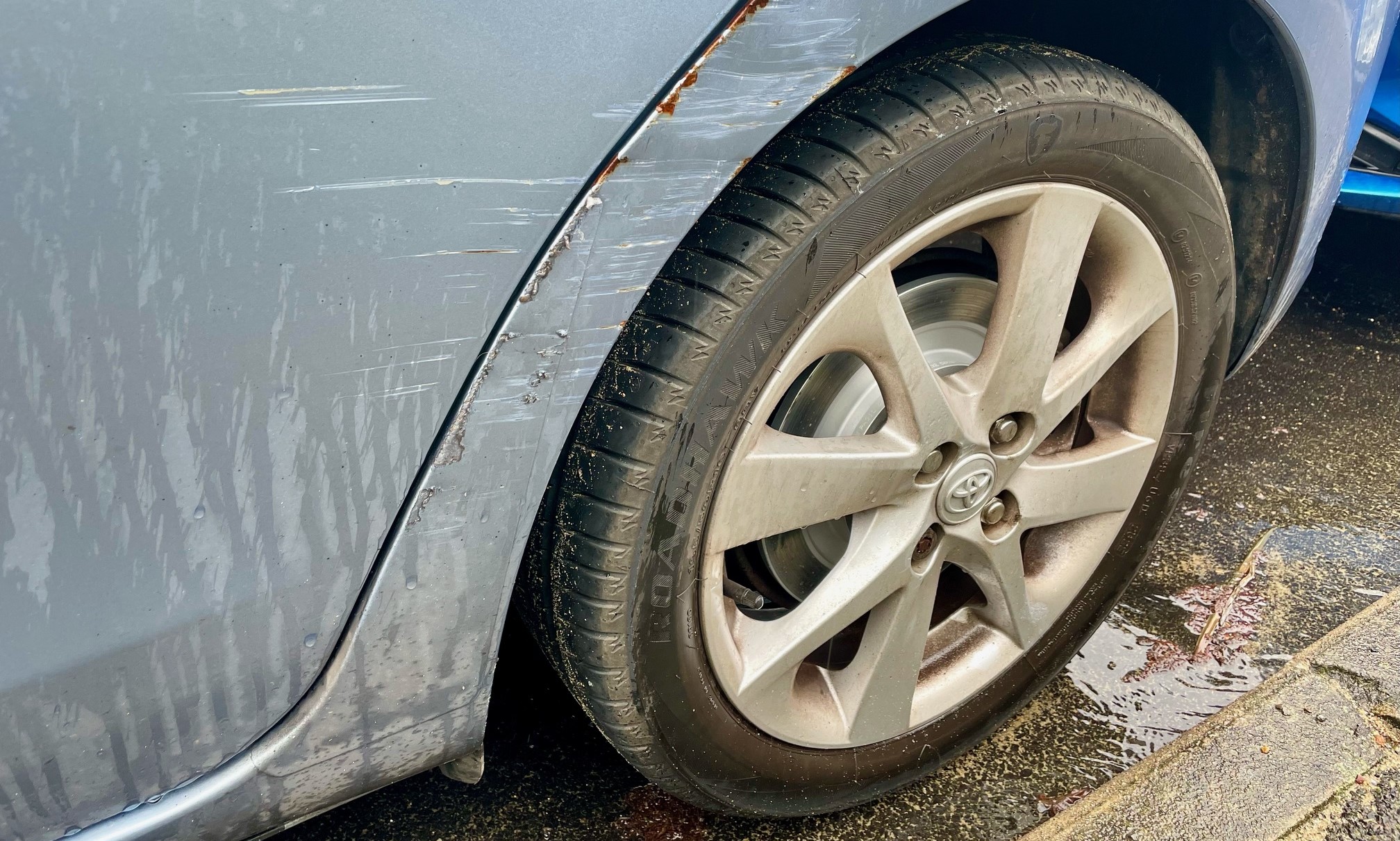
Image Source: 6427807.fs1.hubspotusercontent-na1.net
The Allure of Car Wrapping
Car wrapping has exploded in popularity, offering a dynamic way to change your vehicle’s appearance, protect its original paint, and even express your personal style. From bold colors and subtle finishes to intricate graphics, the possibilities are vast. Many people consider wrapping as an alternative to a costly repaint. However, before you grab that roll of vinyl, it’s crucial to consider the condition of your car’s existing paintwork, especially if it has suffered damage like scratches.
Deciphering the Impact of Scratches on Vinyl Wraps
The smooth, adhesive surface of a vinyl wrap is designed to conform to the contours of a vehicle’s body panels. However, it’s not a magical concealer. Think of it like applying a thin, flexible sticker. If the surface underneath is bumpy or has significant imperfections, those imperfections will often show through.
How Scratches Affect Wrap Appearance
- Surface Level Scratches: Very light, superficial scratches that haven’t penetrated the clear coat might be less noticeable after wrapping. The vinyl’s slight thickness can sometimes smooth over these minor imperfections.
- Deeper Scratches: Scratches that have gone through the clear coat and into the base coat or primer will almost certainly be visible. The depth of the scratch creates a depression in the paintwork, and the vinyl wrap will follow this contour. The light hitting the surface will reveal these indentations.
- Chip Marks: Paint chips where the paint is entirely missing are even more problematic. The vinyl won’t have paint to adhere to in these spots, and the edge of the chip can cause the vinyl to lift or bubble over time.
- Oxidized or Damaged Paint: Areas where the paint is peeling, flaking, or severely oxidized are a no-go for wrapping. The vinyl needs a sound, well-adhered surface to stick to. Wrapping over damaged paint is like building on a crumbling foundation.
Can You Wrap A Car With Scratches? It Depends on the Scratch.
The simple answer is nuanced. While you can apply a wrap over a scratched car, achieving a satisfactory aesthetic outcome depends entirely on the severity and type of scratches.
The Importance of Pre-Wrap Surface Preparation
This is arguably the most critical step when considering a car wrap, especially if your vehicle has scratches. Proper preparation ensures the vinyl adheres correctly and that the final finish looks as good as possible.
Why Fixing Scratches Before Wrapping is Crucial
- Aesthetics: The primary reason is to achieve a smooth, uniform, and professional-looking finish. Scratches, even if minor, can detract significantly from the overall appeal of a wrapped car.
- Adhesion: Vinyl wraps adhere best to clean, smooth, and intact surfaces. Scratches can create unevenness that may compromise the long-term adhesion of the vinyl, potentially leading to lifting or peeling, especially at the edges of the scratches.
- Longevity: A well-prepped surface contributes to the longevity of the wrap. When the underlying surface is compromised, the wrap’s lifespan can be significantly reduced.
Addressing Scratches: The Necessary Steps
Before you even think about applying vinyl, you need to assess and address the existing damage. This brings us to the question: Can I wrap a car with scratches? The answer is a more confident “yes” if you take the right steps first.
Car Scratch Repair Before Wrapping
This is the most recommended approach. Investing time and effort into car scratch repair before wrapping will yield far better results.
-
Minor Scratches:
- Polishing: For very light scratches (those that only affect the clear coat), a good quality car polish and a buffer can often remove them entirely. This process smooths the paint surface.
- Rubbing Compound: For slightly deeper scratches in the clear coat, a rubbing compound can be used. This is a more abrasive product, so care must be taken not to remove too much clear coat.
- Touch-Up Paint: If scratches have reached the base coat, touch-up paint can be used to fill them. This requires a steady hand and meticulous application, followed by wet-sanding and compounding to blend it in.
-
Deeper Scratches:
- Professional Repair: For scratches that go down to the metal or primer, professional auto body repair is often the best solution. This might involve filling, sanding, priming, and repainting the affected panel or section. While this adds to the cost, it ensures a proper foundation for the wrap.
- Body Filler and Sanding: In some DIY scenarios for deeper scratches, body filler can be used to fill the void, followed by extensive sanding to create a perfectly smooth surface. This is a labor-intensive process that requires skill to get right.
DIY Car Wrap Scratch Repair
If you’re a seasoned DIYer, you might consider tackling scratch repair yourself.
- Clean the Area Thoroughly: Wash and dry the car to remove all dirt and debris.
- Assess the Scratch: Use your fingernail to feel the depth. If it catches, it’s likely through the clear coat.
- Light Scratches: Try a polishing compound first. Apply a small amount to a microfiber cloth and rub the scratch in a circular motion. Gradually increase pressure if needed, but check frequently.
- Medium Scratches: Use a rubbing compound. Follow the same process as with polish, but with more caution.
- Deeper Scratches: This is where it gets tricky for DIY. If you’re comfortable, you could try filling with a touch-up paint pen. Apply thin layers, allowing each to dry. Once filled, you might need to wet-sand very carefully with high-grit sandpaper (2000 grit or higher) to level it. This is followed by compounding and polishing to restore shine.
- Paint Chips: For chips, clean the area, apply primer if necessary, then touch-up paint. Multiple thin coats are better than one thick one. Again, leveling with wet-sanding and polishing is key.
Important Note: If you’re aiming for a show-car finish, or if the scratches are extensive or deep, professional car bodywork before vinyl wrap is highly recommended.
Vinyl Wrap Over Scratches: The Reality
So, you’ve decided to proceed with wrapping your car, scratches and all, or you’re curious about how well vinyl wrap over scratches actually works.
The Reality Check
- Minor Scratches: As mentioned, very minor, shallow scratches might become less noticeable, especially with textured or matte finish wraps, which can inherently hide imperfections better than glossy ones.
- Visible Imperfections: Deeper scratches, dents, or any area where the paint is missing will almost always show through. The vinyl will stretch over the depression, creating a visible line or shadow. Glossy wraps tend to magnify these imperfections more than matte or satin finishes.
- Edge Adhesion Issues: If you wrap directly over a deep scratch or chip, the edge of the vinyl might not seal properly against the paint. Over time, moisture, dirt, and even heat cycles can get under the wrap at these points, causing it to lift or bubble.
- “Scratch Hiding” vs. “Scratch Repair”: While some vinyl wraps might offer a degree of automotive wrap scratch coverage, it’s not a substitute for proper repair. Techniques like using slightly thicker vinyl or specific textured wraps can help mask minor imperfections, but they don’t eliminate them.
Covering Car Scratches with Vinyl: What to Expect
If your car has scratches and you choose to wrap it without repair, here’s what you should realistically expect:
- Subtle imperfections might be less obvious.
- Deeper scratches will be visible as lines or shadows.
- Paint chips will likely create bumps or lifting points.
- The overall finish may not be as smooth or professional as desired.
- The wrap’s longevity might be compromised at the scratch locations.
Different Types of Wraps and Their Impact on Scratch Visibility
The type of vinyl wrap you choose can influence how well it hides existing imperfections.
Scratch Hiding Car Wrap Techniques and Vinyl Types
- Glossy Wraps: These are the most unforgiving. They reflect light directly, meaning any imperfection in the surface beneath will be magnified. If you have scratches, a glossy wrap will likely highlight them.
- Satin Wraps: Satin finishes have a bit more of a sheen than matte but less than gloss. They can offer a good balance and might slightly soften the appearance of very minor surface imperfections.
- Matte Wraps: Matte finishes are excellent at hiding minor surface defects. The lack of gloss means light doesn’t reflect in the same way, making subtle bumps or lines less apparent. However, deep gouges will still be visible.
- Textured Wraps: Wraps with a texture, such as carbon fiber, brushed metal, or even some geometric patterns, are exceptionally good at concealing minor surface imperfections. The inherent texture of the material does most of the work.
Table: Impact of Wrap Finish on Scratch Visibility
| Wrap Finish | Impact on Minor Scratches | Impact on Deep Scratches | Best For Hiding Imperfections? |
|---|---|---|---|
| Glossy | May be visible | Highly visible | No |
| Satin | Less noticeable | Visible | Somewhat |
| Matte | Less noticeable | Still visible | Yes |
| Textured | Very well hidden | Can help mask | Excellent |
When is Wrapping Over Scratches a Viable Option?
While not ideal for a perfect finish, there are scenarios where wrapping over minor scratches might be considered:
- Budget Constraints: If the cost of professional paint repair is prohibitive, and the scratches are very light, some owners might opt to wrap over them for a refresh.
- Temporary Solution: If the wrap is intended as a temporary aesthetic change or protection for a short period, and perfection isn’t the ultimate goal.
- Minor Imperfections Only: If the car has only very few, superficial scratches that are barely felt with a fingernail.
- Using Textured or Matte Wraps: As discussed, these finishes are more forgiving.
The Case for Professional Installation and Surface Prep
Even with the best intentions, achieving a professional-looking wrap over scratched paintwork is challenging. This is where professional installers shine.
Why Professionals Matter
- Expert Assessment: Professional installers have the experience to accurately assess the paint condition for car wrap. They can tell you honestly whether your scratches are workable or if repair is essential.
- Surface Preparation Skills: They know the intricate details of car bodywork before vinyl wrap. This includes thorough cleaning, decontamination, and recommending the appropriate level of scratch repair.
- Application Techniques: They use specialized tools and techniques to ensure the vinyl is applied smoothly, without bubbles or imperfections, even on slightly imperfect surfaces.
- Knowledge of Materials: They know which types of vinyl and finishes are best suited for different surface conditions and can advise on scratch hiding car wrap techniques.
Car Wrap for Damaged Paint: Professional Perspective
A professional installer would generally advise against wrapping car wrap for damaged paint without prior repair. Their goal is to deliver a high-quality, long-lasting result. Wrapping over significant damage jeopardizes that outcome. They would likely recommend:
- Thorough cleaning and inspection.
- Recommendation for car scratch repair before wrapping based on the assessment.
- If repairs are made, ensuring the painted areas are fully cured and prepped for vinyl application.
- Applying the vinyl using best practices.
Alternatives to Wrapping if Your Car Has Significant Scratches
If your car has substantial scratches or damaged paint, and professional repair followed by wrapping seems too costly or complex, consider these alternatives:
- Full Repaint: While expensive, a professional repaint will restore your car’s finish to showroom quality and is the most durable solution.
- Spot Repairs and Wrap: You could opt for spot repairs on the most visible scratched areas and then wrap the entire vehicle. This is a middle ground that can save some money.
- Partial Wrap: If only certain panels are heavily scratched, you could choose to wrap only those panels with a complementary color or finish, and leave the rest of the car as is.
- Focus on Paint Correction: If the scratches are minor but you don’t want a wrap, investing in a professional paint correction (polishing and compounding) can significantly improve your car’s appearance.
Frequently Asked Questions (FAQ)
Q1: Will a vinyl wrap completely hide my car’s scratches?
A: No, a vinyl wrap will not completely hide all scratches. Minor, superficial scratches might be less noticeable, especially with matte or textured wraps. However, deeper scratches, paint chips, and dents will likely still be visible through the vinyl as they create contours that the wrap follows.
Q2: Can I wrap my car myself if it has scratches?
A: You can attempt to wrap your car yourself, but it is significantly more challenging if it has scratches. For a professional finish, proper surface preparation, including addressing the scratches, is crucial. Without this, your DIY wrap is likely to look uneven and highlight the existing damage.
Q3: What is the best way to prepare a car for wrapping if it has scratches?
A: The best way is to repair the scratches before wrapping. This can involve polishing for light scratches, or professional bodywork (filling, sanding, repainting) for deeper ones. The surface must be smooth, clean, and sound for the vinyl to adhere properly and look its best.
Q4: Does the type of vinyl wrap affect scratch coverage?
A: Yes, definitely. Matte and textured vinyl wraps are much better at hiding minor surface imperfections compared to glossy wraps, which tend to magnify them.
Q5: Is it ever okay to wrap a car with damaged paint without fixing it first?
A: It is generally not recommended to wrap a car with significantly damaged paint (peeling, flaking, or deep gouges) without repair. The vinyl needs a stable, smooth surface to adhere to. Wrapping over damaged paint will likely result in poor adhesion, lifting, bubbling, and an unprofessional appearance. For minor, surface-level scratches, the decision depends on the desired finish quality.