
Yes, you can wash your car when the temperature is around 40 degrees Fahrenheit, but you need to be careful and follow specific guidelines to avoid problems. Washing your car in cold weather car wash conditions, especially when approaching freezing temperatures car wash scenarios, requires extra attention to car care in cold. This guide will walk you through everything you need to know about winter car washing, from potential pitfalls to the best practices for keeping your vehicle clean and protected during the colder months. We’ll debunk some car wash myths cold weather can bring and focus on car wash safety winter.
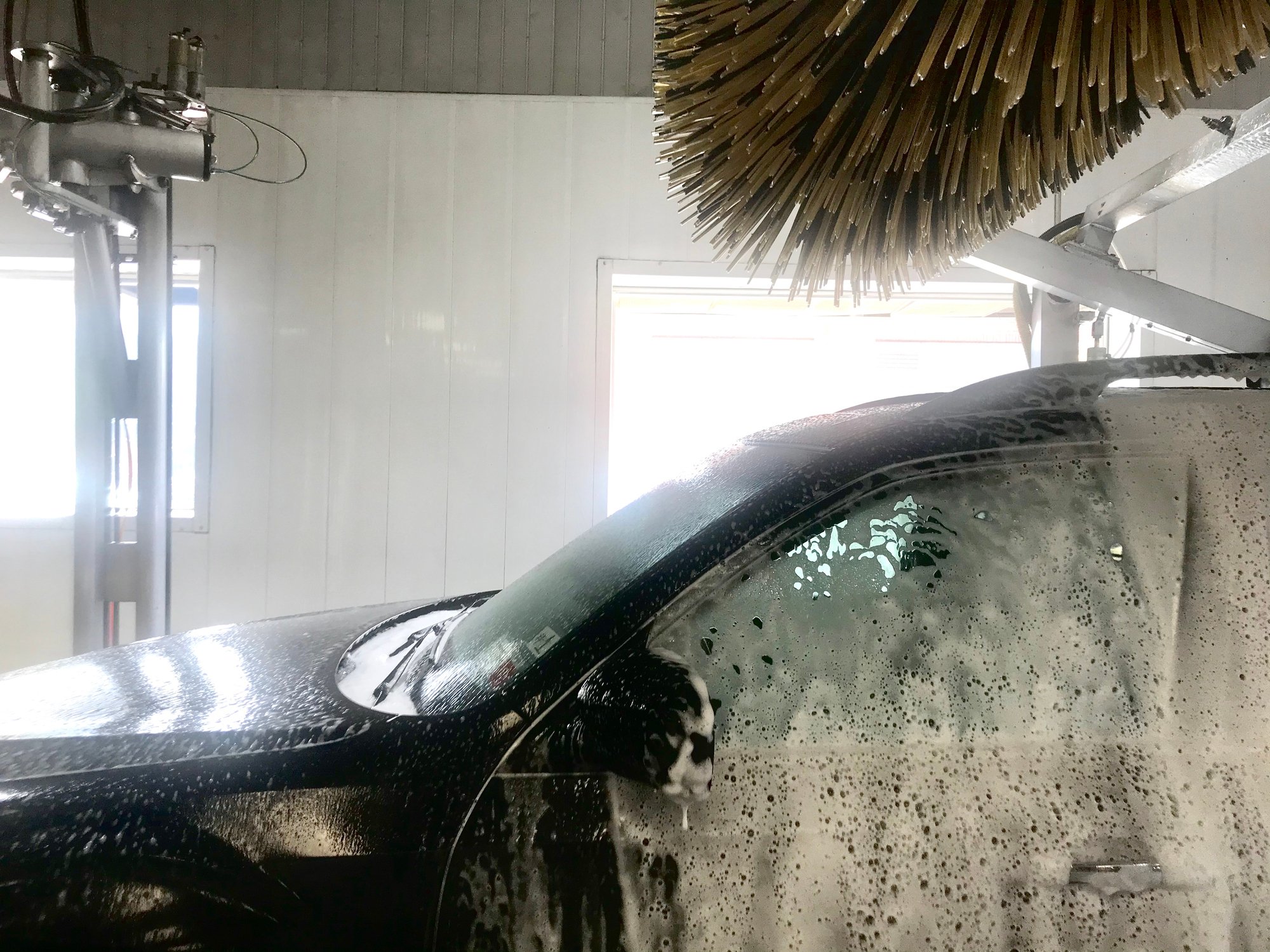
Image Source: www.thesilverlining.com
The Dilemma of a Cold Car Wash
It’s tempting to keep your car looking its best, even when the mercury drops. However, washing a car in chilly weather presents a unique set of challenges that differ significantly from a summer wash. The primary concern is, of course, the water itself. Water, when exposed to low temperatures, can turn into ice. This simple fact underpins many of the risks associated with washing your car in 40-degree Fahrenheit weather.
Why 40 Degrees Fahrenheit is a Crucial Threshold
While 40°F (approximately 4°C) might not sound that cold, it’s right on the cusp of where water’s behavior starts to become problematic for your car. At this temperature, standing water can still freeze if exposed to even colder surfaces or if the temperature dips further during the washing process. This is particularly true for areas like door seals, lock mechanisms, and wheel wells.
Navigating the Risks: What Can Go Wrong?
Washing your car in temperatures below 50°F (10°C) introduces risks that are generally absent in warmer weather. These can range from minor annoyances to more significant damage if not handled properly.
The Threat of Freezing
The most significant danger when washing car below freezing or at temperatures like 40°F is the potential for water to freeze. This can lead to several issues:
- Frozen Door Locks and Handles: If water gets into your door locks or on the exterior handles and then freezes, you might find yourself unable to open your car. This is a common problem after a cold weather car wash.
- Frozen Door Seals: Water trapped in the rubber seals around your doors can freeze, causing the doors to stick shut. This can even damage the seals themselves if you try to force the door open.
- Frozen Windows and Wipers: Water that collects in the channels where windows slide can freeze, preventing windows from rolling up or down. Similarly, frozen wipers are a hazard and can be damaged if turned on.
- Ice Buildup on the Car: Excessive water left on the car can freeze, creating a thin layer of ice that can be difficult to remove and potentially scratch your paint. This is especially a concern if you’re washing car in frost.
- Damage to Car Wash Equipment: If you’re using pressure washers or other equipment, freezing water can damage the pumps and hoses.
Impact on Car Materials
The materials your car is made from are also susceptible to cold-related issues during a wash.
- Rubber and Plastic Components: Rubber seals, plastic trim, and tires can become brittle in the cold. Harsh cleaning chemicals or vigorous scrubbing in these conditions can lead to cracking or premature wear.
- Paint and Clear Coat: While modern car paint is durable, sudden temperature changes can stress it. Applying cold water to a warm car (or vice versa) can cause thermal shock, though this is less of a concern at 40°F than at much lower temperatures. However, residual water freezing on the paint can be abrasive.
Best Practices for a 40-Degree Fahrenheit Car Wash
So, is it possible to wash your car at 40°F? Absolutely, but you must be prepared and follow a specific protocol. The key is to minimize the time water sits on the car and to ensure everything is dried thoroughly.
Pre-Wash Preparations: Setting Yourself Up for Success
Before you even pick up a sponge, a little planning goes a long way.
Choosing the Right Time and Location
- Midday is Best: Aim for the warmest part of the day. Typically, this will be between 10 AM and 2 PM. Avoid washing early in the morning or late in the afternoon when temperatures are likely to be lower.
- Sunny Days are Ideal: Sunlight can help warm the car’s surface and the surrounding air, reducing the risk of immediate freezing.
- Wind Protection: If possible, choose a sheltered spot away from strong winds. Wind can accelerate the evaporation of water, which sounds good, but it also lowers the temperature of any remaining moisture on your car, increasing the chance of it freezing.
Gathering Your Supplies: The Right Tools for the Job
The tools you use can make a big difference in a cold weather car wash.
- Lukewarm Water: Never use hot water. While it might seem counterintuitive, very hot water on a cold car can cause thermal shock to the paint. Lukewarm water is ideal. It cleans better than cold water and is less likely to freeze instantly.
- Quality Car Wash Soap: Use a pH-neutral car wash soap designed for automotive use. Harsh detergents can strip protective waxes and sealants, leaving your car more vulnerable.
- Two Buckets: This is a crucial step for any car wash, but especially in colder weather. One bucket for soapy water, and one for rinsing your wash mitt. This prevents you from spreading dirt back onto the car.
- Soft Wash Mitts: Microfiber or lambswool wash mitts are best. Avoid sponges, which can trap grit and scratch paint, especially when the car is already potentially dealing with winter grime.
- Microfiber Drying Towels: Have plenty of plush microfiber drying towels ready. These are highly absorbent and will help you dry the car quickly and effectively.
- Detailing Brushes: Smaller brushes are useful for getting into crevices and around trim where water can collect.
- Door Seal Lubricant/Protectant: A silicone-based spray or dedicated product can prevent door seals from freezing shut.
- Compressed Air or Leaf Blower (Optional but Recommended): This is invaluable for blowing water out of tight spots, door jambs, and mirrors, significantly reducing the risk of freezing.
The Washing Process: Step-by-Step
Follow these steps carefully to wash your car safely and effectively in 40°F weather.
Step 1: Pre-Rinse
Start by rinsing the car with lukewarm water. This removes loose dirt and debris. If you notice any significant ice on car wash buildup from previous conditions, a gentle rinse can help melt some of it away. However, don’t blast it with high pressure if it’s heavily frozen, as this could potentially damage the paint.
Step 2: The Two-Bucket Wash
Dip your wash mitt into the soapy water, wash a section of the car, then rinse the mitt thoroughly in the clean water bucket before dipping it back into the soap. This “contactless” rinsing is vital.
- Start from the Top: Always wash from the roof downwards. This ensures that dirty water runs over unwashed sections, not already clean ones.
- Gentle Pressure: Use gentle pressure. You’re not trying to scrub off caked-on mud – that’s a job for another day or a pre-soak. Focus on removing surface grime.
- Work in Sections: Wash one panel or section at a time, then rinse it immediately with more lukewarm water. This prevents the soap from drying on the car, which can leave streaks, and reduces the time water sits on the surface.
Step 3: The Wheels and Lower Areas
- Wheels Last: Wash the wheels last. They are often the dirtiest part of the car, and you don’t want to spread brake dust and road grime onto clean paintwork. Use a separate wash mitt or brush for your wheels.
- Lower Panels: Be extra mindful of the lower panels, as they accumulate the most road salt and grime in winter.
Step 4: The Crucial Rinse
Rinse the entire car thoroughly with lukewarm water. Ensure all soap residue is gone.
The Most Critical Step: Drying!
This is where most of the car wash safety winter protocols come into play. If you leave water on your car at 40°F, especially in shaded areas or in crevices, it will freeze.
- Thorough Drying: Use your plush microfiber drying towels to dry the car immediately after rinsing. Work from the top down.
-
Don’t Forget the Details: Pay extra attention to drying:
- Door jambs
- Around windows and mirrors
- Fuel filler area
- Trunk lid and hood edges
- Around lights
- Wheel wells
-
Utilize Compressed Air/Leaf Blower: If you have a leaf blower or compressed air, use it to blow water out of door seams, mirror housings, panel gaps, and any other areas where water likes to hide. This is highly effective in preventing ice on car wash scenarios.
Step 5: Protecting Your Seals
- Door Seals: Once the car is dry, apply a silicone-based lubricant or a dedicated rubber protectant to all door seals, window seals, and trunk seals. This creates a barrier that prevents water from freezing within the rubber and also keeps the rubber supple. This is a vital part of car care in cold.
- Locks and Hinges: Apply a small amount of lubricant to door locks and hinges if they feel stiff.
What to Avoid: Common Cold Weather Car Wash Mistakes
There are certain things you absolutely should not do when washing car in frost or 40-degree weather.
- Washing in Freezing Temperatures: While 40°F is manageable, if the temperature is at or below 32°F (0°C), it’s generally not advisable to wash your car with water. This is when freezing temperatures car wash becomes a serious concern.
- Using Hot Water: As mentioned, avoid very hot water due to thermal shock risk.
- Letting Water Sit: Never let water air dry on the car. Always dry it thoroughly.
- Washing a Dirty Car: If your car is caked in mud or heavy salt, a quick rinse might be okay, but a full wash can be problematic if you can’t dry it perfectly. Consider a touchless car wash if the car is excessively dirty and the temperatures are too low for a safe hand wash.
- Ignoring the Details: Skipping the drying of door jambs or mirrors is a recipe for frozen doors and windows.
- Washing in Direct Sunlight on a Very Cold Day: While sunlight can help, if the air is extremely cold, washing in direct sun can cause water to freeze very rapidly on the surface, making it difficult to dry.
The Car Wash Myths Cold Weather Can Bring
Many people have misconceptions about winter car washing. Let’s clear a few up:
- Myth: You can’t wash your car at all in winter.
- Reality: You can wash your car in winter, but you need to be much more cautious and follow specific procedures, especially at temperatures around 40°F or slightly above.
- Myth: Washing your car in the cold will damage the paint.
- Reality: The washing process itself, when done correctly with proper products and lukewarm water, is unlikely to damage the paint. The risk comes from water freezing on the car, which can then cause issues.
- Myth: A hose alone is enough to get salt off.
- Reality: While rinsing is important, salt needs to be broken down and lifted by a quality car wash soap. Simply rinsing with water often isn’t enough for thorough car care in cold.
When to Consider Alternatives: Other Winter Cleaning Options
If the weather is consistently below 40°F, or if you’re simply not comfortable performing a hand wash, consider these alternatives:
Touchless Car Washes
These automatic car washes use high-pressure water jets and cleaning solutions without physical contact. They are generally safe in cold weather.
- Pros: Quick, convenient, and less risk of scratching.
- Cons: May not clean as thoroughly as a hand wash, especially in wheel wells and lower body panels. Some may not use the warmest water.
Self-Serve Car Washes
These provide bays with pressure washers and soap applicators.
- Pros: You control the process. Can be a good option if you can get the car dry afterward.
- Cons: Water pressure can be very high, potentially damaging sensitive areas if not used carefully. You’ll still need to dry the car yourself.
Waterless Wash Products
These are spray-on cleaners that encapsulate dirt, allowing you to wipe it away with microfiber towels.
- Pros: Can be done indoors or in a sheltered area. No water runoff issues.
- Cons: Only effective for light dirt and dust. Not suitable for heavy grime, mud, or road salt. Requires many microfiber towels for safety.
Interior Cleaning
Focusing on cleaning the interior is always a safe bet in cold weather car wash scenarios. Vacuuming, wiping down surfaces, and cleaning windows will greatly improve the driving experience without exposing the car to the elements.
Table: Temperature Guide for Car Washing
Here’s a general guideline for washing your car based on temperature:
| Temperature Range (°F) | Recommended Action | Key Considerations |
|---|---|---|
| Above 50°F | Normal hand wash procedures apply. | Standard car care. |
| 40°F – 49°F | Proceed with caution. Lukewarm water, thorough drying is critical. | Focus on drying all crevices, door jambs, and seals to prevent freezing. Consider using compressed air. |
| 32°F – 39°F | High risk. Avoid if possible. If necessary, use extreme caution. | Very thorough drying is paramount. Protect all seals and locks. Consider a touchless wash. |
| Below 32°F | Do NOT wash with water. | High risk of freezing damage. Opt for interior cleaning or a professional detailing service specializing in winter. |
This table is a simplified guide. Actual conditions like wind chill and humidity can also affect how quickly water freezes.
The Impact of Road Salt and Winter Grime
Winter brings more than just cold temperatures; it brings road salt, sand, and other de-icing agents that are highly corrosive.
- Corrosion: Road salt can accelerate rust and corrosion on your car’s undercarriage, body panels, and even brake components. Regular washing, even in cold weather, is essential to remove these corrosive elements.
- Visibility: Grime on windows, mirrors, and lights significantly reduces visibility, which is critical for safe driving in winter conditions.
Therefore, even with the risks, maintaining a clean car in winter is important for both its longevity and your safety. This is why mastering winter car washing techniques is so valuable for responsible car care in cold.
Final Thoughts on Washing Your Car in the Cold
Washing your car at 40 degrees Fahrenheit is certainly achievable with the right preparation and execution. The core principle is to minimize the risk of water freezing on your vehicle by using lukewarm water, washing in sections, rinsing thoroughly, and, most importantly, drying every single part of the car meticulously.
Remember that while 40°F is on the cooler side, it’s not yet in the realm of freezing temperatures car wash danger. By following these guidelines, you can keep your car looking good and protected from the harsh elements of winter, all while adhering to car wash safety winter practices. If you’re ever in doubt, or if conditions seem too harsh, it’s always better to err on the side of caution and wait for warmer temperatures or opt for an alternative cleaning method. Happy washing!
Frequently Asked Questions (FAQ)
Q1: Can I use cold tap water to wash my car at 40°F?
A: It’s best to use lukewarm water. While cold tap water won’t immediately freeze at 40°F, lukewarm water cleans more effectively and reduces the risk of any residual moisture freezing too quickly.
Q2: What if it’s 40°F when I start washing, but the temperature drops while I’m doing it?
A: This is a valid concern. If the temperature is forecast to drop below freezing during your wash, it’s safer to postpone or switch to a waterless wash or interior cleaning. If you must proceed, work quickly and focus intensely on drying.
Q3: Is it safe to use a pressure washer at 40°F?
A: Yes, but be cautious. Ensure the pressure washer itself is rated for cold temperatures and is not already frozen. Use lower pressure on sensitive areas and always follow with thorough drying.
Q4: How can I prevent my car doors from freezing shut after a wash?
A: The most effective way is to dry the door seals and jambs completely. Then, apply a silicone-based spray or rubber protectant to the seals. This lubricates them and prevents water from clinging and freezing.
Q5: I have snow on my car. Can I wash it off with water?
A: If you have light, fluffy snow, a gentle rinse with lukewarm water might be okay if the ambient temperature is above freezing. However, if the snow is mixed with ice or road salt, or if the temperature is near or below freezing, it’s better to use a soft brush or gently brush it off with your hand (wearing gloves!) before attempting any washing, and be extremely cautious about water freezing. A full wash might not be advisable.
Q6: What if I accidentally freeze my car door lock?
A: Try to warm it up gently. A hairdryer on a low setting held at a distance can help. Avoid pouring hot water directly onto the lock, as this can cause thermal shock or freeze the water that remains. A lock de-icer spray is also a good option.
Q7: Does washing your car in winter use a lot of water that could cause ice buildup on the driveway?
A: Yes, this is a consideration, especially if you’re washing in an area where runoff can freeze. Ensure you’re working on a surface that allows for good drainage, or consider a car wash that recycles water or has proper drainage systems. If washing at home, be mindful of creating slippery conditions on walkways or your driveway.