
Yes, you can wash your car after getting tint, but there are specific guidelines to follow for optimal car tinting aftercare. The most crucial period is the initial curing time, typically 24 to 72 hours, during which you should avoid washing your car altogether. After this initial phase, you can resume washing your vehicle, but you’ll need to adopt a gentle approach to protect your new window film. This guide will walk you through everything you need to know about washing tinted windows and maintaining their pristine appearance.
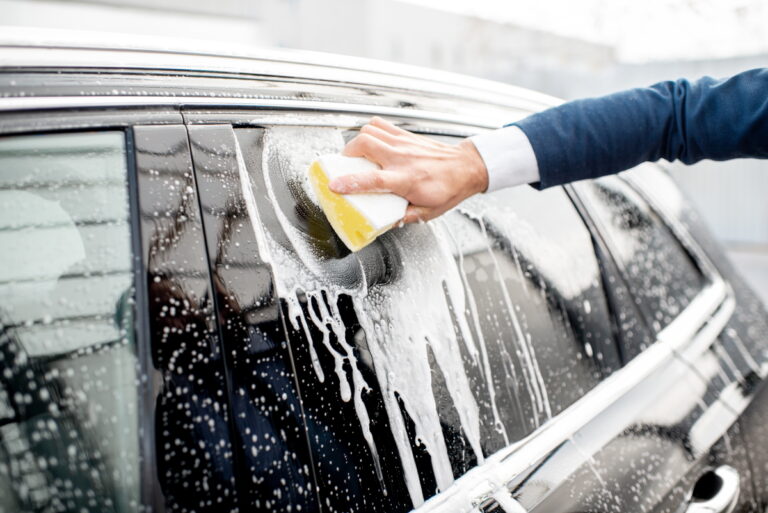
Image Source: qualityautoglasstint.com
Why Post-Tint Patience is Key
When your car’s windows are tinted, a thin film of material is applied to the glass. This film needs time to bond properly with the glass. During this curing process, moisture trapped between the film and the glass evaporates. If you wash your car too soon, you risk:
- Dislodging the film: The water pressure from a wash, especially a high-pressure spray, can get underneath the edges of the tint, causing it to peel or bubble.
- Leaving water spots: The minerals in tap water can leave unsightly spots on the film before it has fully adhered.
- Damaging the adhesive: The adhesive is still setting, and harsh chemicals or scrubbing can compromise its integrity.
This is why understanding the tint installation washing protocol is so important.
The Curing Timeline: What to Expect
The curing process for window tint can vary depending on the type of film, the climate, and the installer’s technique. However, a general timeline is as follows:
- First 24-72 hours: This is the critical period. Avoid washing your car entirely. You might notice some small water bubbles or hazy spots; this is normal as trapped moisture evaporates. These should disappear on their own.
- First 1-2 weeks: While you can now carefully wash your car, avoid aggressive cleaning methods. Stick to gentle washing and avoid using any harsh chemicals or abrasive tools.
How to Wash a Tinted Car: A Step-by-Step Approach
Properly cleaning tinted glass requires a gentle touch and the right products. The goal is to remove dirt and grime without damaging the tint film or its adhesive.
What You’ll Need: The Essential Toolkit
Before you begin, gather these supplies for a tint safe car wash:
- Two Buckets: One for soapy water, one for rinsing your wash mitt. This prevents transferring dirt back onto the car.
- pH-Neutral Car Wash Soap: Harsh detergents can break down the adhesive on your tint. A soap specifically designed for automotive use is best.
- Microfiber Wash Mitt: Soft and non-abrasive, microfiber is ideal for preventing scratches.
- Clean Microfiber Drying Towels: Again, opt for high-quality, plush microfiber to absorb water without scratching.
- Ammonia-Free Glass Cleaner: Ammonia is a solvent that can damage window tint. Always choose an ammonia-free formula.
- Soft, Lint-Free Cloths: For applying and buffing the glass cleaner.
- Spray Bottle: For your glass cleaner.
- Optional: A Gentle Hose with a Low-Pressure Setting: If you’re washing at home.
The Washing Process: Gentle Care for Your Tint
Here’s the best way to wash tinted car windows:
- Initial Rinse (Optional but Recommended): If your car is very dusty, a gentle rinse with a hose (low pressure) or a quick spray from a water bottle can remove loose debris before you start washing. This minimizes the risk of scratching the tint.
- Prepare Your Buckets: Fill one bucket with clean water and the other with your pH-neutral car wash soap and water mixture.
- Wash One Section at a Time: Dip your microfiber wash mitt into the soapy water. Gently wash a small section of your car, working from top to bottom.
- Rinse the Mitt Frequently: After washing a section, rinse your wash mitt thoroughly in the clean water bucket before dipping it back into the soap. This is a key step in car detailing tinted vehicles to prevent scratching.
- Rinse the Car: After washing the entire car, rinse it thoroughly with a hose on a low-pressure setting or by using clean water and a separate rinse mitt. Ensure all soap residue is gone.
- Drying the Exterior: Use clean microfiber towels to gently dry the car’s exterior, again working from top to bottom.
- Cleaning the Tinted Windows: This is where extra care is needed.
- Spray the Glass Cleaner: Lightly spray your ammonia-free glass cleaner onto a clean, lint-free cloth, not directly onto the window.
- Wipe Gently: Wipe the inside and outside of the tinted windows in a smooth, consistent motion. Avoid excessive pressure or scrubbing. You may need to turn the cloth to a dry section or use a second cloth for a streak-free finish.
- Avoid Edges: Be careful not to pry at the edges of the tint film while cleaning.
What to Avoid: Common Mistakes to Sidestep
Even after the initial curing period, there are certain things you should absolutely avoid when washing tinted windows:
Harsh Chemicals and Abrasives
- Ammonia-Based Cleaners: As mentioned, ammonia is tint’s worst enemy. It can cause the film to bubble, discolor, or peel.
- Abrasive Cleaners: Scouring powders, steel wool, or abrasive sponges will scratch and damage the tint film.
- High-Pressure Washers: Direct, high-pressure sprays can force water under the tint edges, leading to peeling and bubbling. If you use a pressure washer, keep a significant distance and use a wide fan spray, avoiding direct contact with the tint edges.
- Wiper Blades on Dry Tint: Never use your windshield wipers on a dry, tinted window. This can cause scratching. Ensure the windshield is wet before activating wipers.
Aggressive Washing Techniques
- Scrubbing Forcefully: Even with a soft mitt, applying too much pressure can push dirt particles into the tint film, causing micro-scratches.
- Using Dirty Water or Mitts: This is a recipe for scratches and swirl marks. Always use clean tools and water.
- Window Cleaning Sprays Not Labeled “Ammonia-Free”: Always double-check the label.
Interior Cleaning Precautions
- Dashboards Sprays: Some dashboard protectants can overspray onto the inside of the windows. Protect your tint by covering the dashboard or being very careful when applying products.
- Hard Interior Tools: Avoid using hard plastic scrapers or sharp objects on the interior of the tinted glass, as these can easily damage the film.
Maintaining Your Tint: Long-Term Care
Post-tint car care goes beyond just washing. Here are some tips for keeping your tint looking great for years to come:
- Interior Cleaning: When cleaning the inside of your windows, use your ammonia-free cleaner and a soft microfiber cloth. Be mindful of the edges of the tint.
- Window Film Washing: Some manufacturers recommend specific window film washing techniques or products. Consult your tint installer or the film manufacturer’s guidelines.
- Sticker Removal: If you need to remove stickers from your tinted windows, do so very carefully. Use a plastic scraper and a bit of your ammonia-free glass cleaner to soften the adhesive. Pull the sticker off slowly and at a low angle.
- Professional Detailing: If you’re unsure about any cleaning or detailing task, it’s always best to consult a professional car detailing tinted specialist. They have the experience and products to safely clean and maintain your tinted windows.
Table: Do’s and Don’ts of Tint Washing
| Do | Don’t |
|---|---|
| Wait 24-72 hours before washing | Wash immediately after tint installation |
| Use pH-neutral car wash soap | Use abrasive cleaners or detergents |
| Use a clean microfiber wash mitt | Use paper towels or rough rags |
| Rinse mitt and car frequently with clean water | Use high-pressure washers directly on tint edges |
| Use ammonia-free glass cleaner | Use ammonia-based glass cleaners |
| Wipe gently with soft microfiber cloths | Scrub aggressively or use sharp objects |
| Clean from top to bottom | Pry at the edges of the tint |
| Consult installer for specific product advice | Use any cleaner without verifying it’s ammonia-free |
Frequently Asked Questions About Washing Tinted Windows
How long do I have to wait to wash my car after tinting?
You should wait at least 24 to 72 hours after tint installation before washing your car. It’s best to check with your installer for their specific recommendation, as it can vary.
Can I use Windex on my tinted windows?
No, you should never use Windex or any other glass cleaner that contains ammonia on tinted windows. Ammonia will damage the tint film, causing it to discolor, bubble, or peel. Always use an ammonia-free glass cleaner.
Is it okay to use a pressure washer on my tinted car?
It’s generally best to avoid direct, high-pressure sprays on tinted windows. If you must use a pressure washer, keep it at a considerable distance from the windows and use a wide fan spray, ensuring you do not spray directly at the edges of the tint. Hand washing with a hose on a low-pressure setting is a safer alternative.
What is the best way to clean the inside of my tinted windows?
For the inside of your tinted windows, use a clean microfiber cloth sprayed lightly with an ammonia-free glass cleaner. Wipe gently in a consistent motion, avoiding the edges of the tint film.
Can I use a squeegee on my tinted windows?
While some professionals might use specialized squeegees, it’s generally safer for DIYers to avoid them. If you do use one, ensure it has a soft rubber blade and that both the window and the squeegee are well-lubricated with your ammonia-free cleaner. Always wipe away excess moisture with a clean microfiber towel afterwards.
What if I see small bubbles or hazy spots after tinting?
This is usually normal during the curing process. Small bubbles or haziness indicate trapped moisture that is evaporating. They should disappear on their own within a few days to a couple of weeks. If large bubbles persist or the tint appears loose, contact your installer.
Can I use a car wash subscription service (like touchless washes)?
Touchless car washes can be an option after the initial curing period, as they minimize physical contact. However, be aware that some touchless washes use stronger chemicals than hand washing, which could potentially affect the tint over time. If you opt for a touchless wash, choose one with a gentle chemical formula.
By following these guidelines, you can ensure your newly tinted windows remain clear, vibrant, and protected for years to come, making your car detailing tinted a more straightforward and rewarding process.