
Yes, you absolutely can wash your car after tint has been applied, but there’s a crucial waiting period and specific methods you must follow to ensure the integrity and longevity of your new window tint. Washing your car too soon or using the wrong techniques can lead to bubbling, peeling, or scratching of the tint film, which can be a costly mistake. This guide will walk you through everything you need to know about car wash tint and proper tint care.
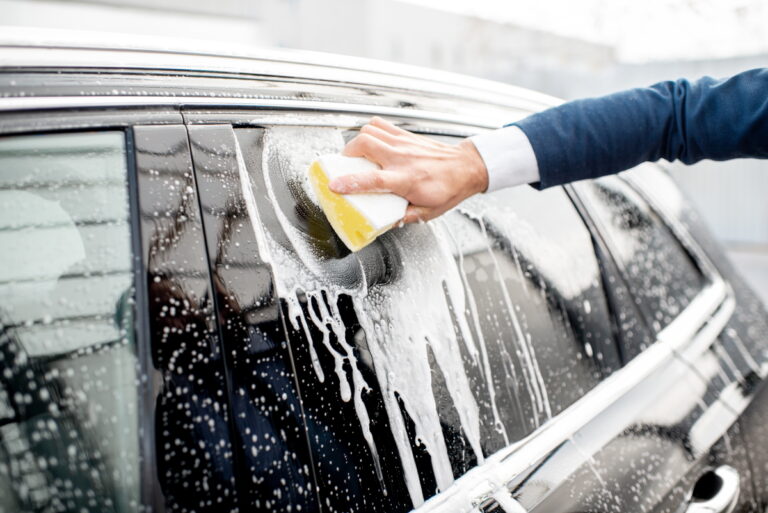
Image Source: qualityautoglasstint.com
The Waiting Game: When Can You Wash After Tinting?
The most critical factor when it comes to washing tinted windows is patience. Window tint needs time to cure properly. During the curing process, the adhesive used to bond the tint to the glass dries out completely, creating a strong and stable bond. This also allows any trapped moisture from the installation process to evaporate.
- General Rule of Thumb: Most professional window tinting companies recommend waiting at least 48 to 72 hours before washing your car after tint installation. However, some installers may suggest a longer waiting period, such as up to a week, especially in humid or cooler climates where drying might take longer.
- Consult Your Installer: The absolute best advice is to ask your tint installer directly. They know the specific products they used and the conditions under which they installed the tint. They will provide you with the most accurate timeline for after window tinting care.
Why the Wait? The Science Behind Tint Curing
Window tint is applied using a specialized adhesive, often activated by water or a mild solution. Once applied, microscopic pockets of this solution may remain between the tint film and the glass. The curing process is essentially the evaporation of this moisture.
- Adhesive Bonding: The adhesive needs to form a complete and uniform bond. If disturbed too early, this bond can be compromised.
- Moisture Evaporation: Even if the tint looks dry on the surface, moisture trapped beneath can still be present. Washing the car too soon can introduce more water, disrupting this process.
- Film Stability: The tint film itself needs to settle and adhere firmly. Any aggressive contact or pressure from washing can dislodge it.
Safe Washing Practices: How to Wash Your Tinted Car
Once the recommended waiting period has passed, you can proceed with washing your car. The key is to use gentle methods and appropriate products. Here’s a breakdown of how to wash tinted car windows and the rest of your vehicle.
H3: Hand Washing: The Preferred Method
Hand washing is the safest and most recommended way to clean a car with window tint. It allows you to control the pressure and the products you use directly on the tinted surfaces.
H4: Essential Supplies for a Tint-Safe Wash
- Two Buckets: One for soapy water and one for rinsing your wash mitt. This prevents dirt and grit from being transferred back onto the paint and glass, minimizing scratches.
- pH-Neutral Car Wash Soap: Look for a soap specifically labeled as “safe for car tint” or “pH-neutral.” These soaps are designed to be gentle and won’t break down the adhesive or damage the tint film. Avoid harsh detergents, dish soaps, or abrasive cleaners.
- Microfiber Wash Mitts: These are soft and non-abrasive, making them ideal for washing tinted glass and painted surfaces without causing scratches.
- Clean Microfiber Drying Towels: Use high-quality, plush microfiber towels for drying to absorb water effectively without leaving lint or streaks.
- Gentle Brushes (Optional): For heavily soiled areas or wheel wells, use brushes with soft bristles.
H4: Step-by-Step Guide to Hand Washing
- Rinse the Vehicle: Begin by thoroughly rinsing your entire car with water. This removes loose dirt, dust, and debris that could cause scratches during the washing process. Pay special attention to the windows.
- Prepare Your Buckets: Fill one bucket with clean water for rinsing and the second bucket with water and the recommended amount of soap for tinted windows.
- Wash from Top to Bottom: Start washing the roof of your car and work your way down. This way, dirty water flows away from clean areas. Dip your wash mitt into the soapy water.
- Wash the Tinted Windows: Gently wash the tinted windows using your wash mitt. Use light, overlapping strokes. Avoid applying excessive pressure. For stubborn grime on cleaning tinted glass, a gentle scrub might be necessary, but always with a soft mitt.
- Rinse Your Mitt Regularly: After washing a section of the car, rinse your wash mitt thoroughly in the clean water bucket before dipping it back into the soapy water. This is crucial to prevent transferring grit.
- Wash the Rest of the Car: Continue washing the remaining panels of your car, following the top-to-bottom principle.
- Rinse Thoroughly: Once you’ve washed the entire car, rinse it thoroughly with clean water. Ensure all soap residue is removed from the windows and paint.
- Dry Gently: Using clean, dry microfiber towels, gently pat or wipe the car dry. Work from top to bottom again. Avoid rubbing vigorously. You might need several towels to absorb all the water.
H3: Automatic Car Washes: Proceed with Extreme Caution
While convenient, automatic car washes can pose a significant risk to newly tinted windows. The brushes and high-pressure water jets can potentially damage the tint.
H4: Risks Associated with Automatic Car Washes
- Spinning Brushes: The spinning brushes, especially in older or less well-maintained car washes, can be abrasive. They can snag on the edges of the tint film or even scratch the surface.
- High-Pressure Water Jets: While designed to clean, these jets can sometimes force water into the edges of the tint, potentially causing lifting or peeling, especially if the tint is not fully cured or if the installation wasn’t perfect.
- Drying Blowers: The powerful air blowers can also create pressure that might affect the tint.
H4: When Can You Consider an Automatic Car Wash?
If you absolutely must use an automatic car wash, wait for a significant period after tinting – much longer than the initial 72-hour recommendation, perhaps several weeks or even a month, to ensure the tint is fully adhered.
- Touchless Car Washes: These are generally safer than traditional brush washes. They rely on high-pressure water and cleaning chemicals. Even with touchless washes, however, it’s wise to wait a longer period for complete curing.
- Inspect Your Tint: Before entering any automatic car wash, check your tint for any signs of lifting or damage. If you see any, avoid the automatic wash and opt for hand washing.
H3: Pressure Washers: Generally Not Recommended
Using a pressure washer on tinted windows is generally not advisable, especially within the first few months of tint application.
- High Pressure Risk: The concentrated high pressure can easily dislodge the tint film from the edges, leading to peeling or bubbling.
- Nozzle Distance: If you choose to use a pressure washer, maintain a significant distance from the tinted windows (at least 3-4 feet) and use a wide spray pattern. Never aim the high-pressure stream directly at the edges of the tint.
- Tint Safe Wash: Always consider a tint safe wash protocol. If you are unsure, stick to hand washing.
Cleaning Tinted Glass: Specific Techniques
Beyond the initial wash, regular cleaning of your cleaning tinted glass requires specific attention.
H4: Daily Cleaning and Spot Treatments
For minor dirt or fingerprints on your tinted car care windows:
- Microfiber Cloth: A clean, dry microfiber cloth is often sufficient for light dust or smudges.
- Water and Microfiber: For slightly more stubborn marks, dampen a microfiber cloth with clean water and gently wipe the glass.
- Ammonia-Free Glass Cleaner: If water isn’t enough, use a glass cleaner that is specifically formulated to be safe for tinted windows. Crucially, it must be ammonia-free. Ammonia can damage the tint adhesive and film over time. Spray the cleaner onto the microfiber cloth, not directly onto the window, to prevent overspray and potential seepage into the edges.
H4: What to Avoid When Cleaning Tinted Windows
- Ammonia-Based Cleaners: As mentioned, these are a big no-no. They will degrade the tint.
- Abrasive Tools: Avoid paper towels, rough cloths, steel wool, or scouring pads. These will scratch the tint film.
- Scraping: Never use razor blades or scrapers to remove stickers or debris from tinted windows. There are specialized tint-safe adhesive removers and plastic razor blades, but these should only be used by experienced individuals and after the tint has fully cured.
- Excessive Water: When cleaning, especially spot cleaning, avoid saturating the window. You don’t want water seeping under the edges of the tint.
Maintaining Your Tinted Car’s Appearance
Proper tint care goes beyond just washing. Protecting your investment ensures it looks good for years to come.
H4: Protecting Your Tint from Damage
- Interior Protection: Avoid placing items that could rub against or snag the tint on the inside of the windows. This includes hard-edged objects, child seats with abrasive parts, or even rough luggage.
- Window-Mounted Accessories: Be cautious with suction cup mounts for GPS devices, phone holders, or dashcams. Ensure they are placed on the film itself and are not repeatedly moved, as this can sometimes leave marks or cause minor damage over time.
- Sticker Removal: If you need to remove stickers from the inside of your tinted windows, be extremely careful. Use a tint-safe adhesive remover and a plastic scraper, working slowly and gently.
H4: Choosing the Right Products for Your Tint
When selecting soap for tinted windows or glass cleaners, always look for products explicitly stating they are safe for automotive window tint. Reputable brands often have a range of tint safe wash products.
Here’s a table of recommended product types:
| Product Type | What to Look For | What to Avoid |
|---|---|---|
| Car Wash Soap | pH-neutral, specifically labeled “tint safe” | Dish soap, laundry detergent, abrasive cleaners |
| Glass Cleaner | Ammonia-free, specifically labeled “tint safe” | Any cleaner containing ammonia |
| Washing Mitts | Soft microfiber | Sponges with abrasive sides, rough cloths |
| Drying Towels | Plush, high-quality microfiber | Old t-shirts, bath towels, paper towels |
| Interior Wipes | Gentle, non-abrasive cleaning wipes | Harsh chemicals, abrasive cleaning pads |
Frequently Asked Questions About Washing Tinted Cars
Here are some common questions people have about washing tinted windows and general tint care.
H5: Can I use a microfiber cloth to clean my tinted windows?
Yes, a clean microfiber cloth is the safest way to clean your tinted windows. You can use it dry for dust or slightly dampened with water or an ammonia-free glass cleaner for more stubborn grime.
H5: What kind of soap should I use for my car wash tint?
You should use a pH-neutral car wash soap that is specifically designed to be safe for automotive window tint. Avoid harsh detergents or dish soaps.
H5: How long do I need to wait before washing my car after tinting?
Generally, you should wait at least 48 to 72 hours, but it’s best to consult your tint installer for their specific recommendation, as it can vary based on the products used and environmental conditions. Some suggest up to a week.
H5: Is it safe to use window cleaner on tinted windows?
Yes, but only if the window cleaner is ammonia-free and specifically labeled as safe for tinted windows. Always spray the cleaner onto your microfiber cloth, not directly onto the window.
H5: Can I use a squeegee on my tinted windows?
It’s best to avoid squeegees on tinted windows, especially within the first few weeks or months of tint application. The pressure from the squeegee can sometimes lift the edges of the tint or cause damage. If you must use one, ensure it’s a soft rubber squeegee and use very light pressure after the tint has fully cured.
H5: What if I see small bubbles after tinting?
Small bubbles or imperfections might be present immediately after tinting. These are often water pockets that will evaporate as the tint cures over the next few days or weeks. If the bubbles are large or persist after the curing period, contact your installer. Do not try to pop or remove them yourself, as this can damage the tint.
H5: Can I use car detailing sprays on my tinted windows?
Most general car detailing sprays are safe for tinted windows, provided they do not contain ammonia or harsh solvents. Always check the product label to ensure it is tint-safe.
By following these guidelines, you can confidently maintain the pristine look of your car’s tint while ensuring its durability and performance for years to come. Remember, patience and gentle care are the cornerstones of proper tinted car care.