
Can you use glass cleaner on car paint safely? Generally, no, it’s not recommended to use standard household glass cleaners directly on your car’s paint. While some specialized automotive glass cleaners might be formulated with paint-safe ingredients, typical window cleaners often contain harsh chemicals like ammonia or alcohol that can strip wax, damage clear coats, or leave streaks on your car’s finish.
Many car owners find themselves in a bind, looking for quick solutions to remove smudges or bird droppings from their vehicle’s painted surfaces. The bottle of glass cleaner sitting in the garage seems like an easy answer. However, the world of car care is nuanced, and what works perfectly for your windows might spell disaster for your paint job. This detailed guide will delve into the specifics of using glass cleaner on your car’s exterior, helping you make informed decisions for a pristine finish.
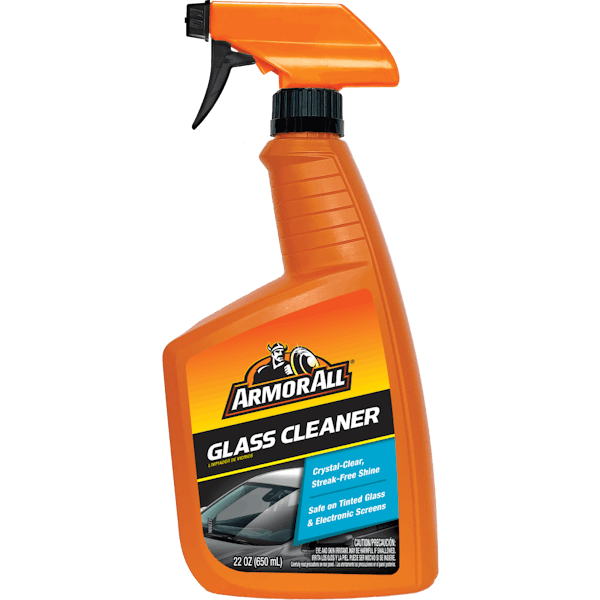
Image Source: armorallproductimagecdn.imgix.net
Why Common Glass Cleaners Aren’t Car Paint-Friendly
When we talk about glass cleaner, we’re usually thinking about Windex or similar products. These are designed to cut through grime on glass, leaving it sparkling. But car paint is a delicate ecosystem of layers – primer, base coat, and clear coat. These layers protect the metal underneath and give your car its shine.
- Ammonia Content: The primary culprit in many household glass cleaners is ammonia. Ammonia is a strong alkaline substance. While excellent at dissolving grease and film on glass, it’s also a potent degreaser that can break down the protective wax and sealants on your car’s paint. Repeated exposure can dull the shine and even damage the clear coat over time, making the paint more susceptible to UV rays and environmental contaminants.
- Alcohol and Solvents: Many glass cleaners also contain alcohol or other strong solvents. These chemicals evaporate quickly, which is great for streak-free glass, but they can also dehydrate and strip the oils from your car’s paint. This can lead to a dry, faded appearance and reduce the lifespan of your paint protection.
- Residue and Streaking: Even if a glass cleaner doesn’t immediately damage your paint, it might leave behind a residue that attracts dirt or causes streaking when you try to wipe it off. This can be particularly noticeable on dark-colored cars.
Deciphering Automotive Glass Cleaners
So, if standard glass cleaner is a no-go, what about products specifically labeled for automotive use? This is where the distinction becomes crucial. Automotive glass cleaner is formulated with car paint in mind.
What Makes Automotive Glass Cleaner Different?
- Ammonia-Free Formulations: The key difference is that most automotive glass cleaner products are ammonia-free. Manufacturers understand the sensitivity of car paint and have developed formulas that clean effectively without harsh chemicals.
- pH-Balanced: These cleaners are often pH-balanced, meaning they are closer to a neutral pH level. This ensures they clean without stripping essential protective layers from your car’s paint.
- Specialized Surfactants: They use specialized surfactants (cleaning agents) that are tough on road film, bug splatter, and fingerprints but gentle on clear coats and waxes.
- Rinsing Agents and Polymers: Some advanced automotive glass cleaners may even contain mild rinsing agents or polymers that can enhance shine and provide a bit of temporary protection.
When you’re looking for the best glass cleaner for cars, always check the label for “ammonia-free” or specifically states “safe for car paint” or “automotive use.” These are your safest bets.
Using Windex on Car Paint: The Dangers
Let’s address the elephant in the room: using Windex on car paint. Windex, and similar household cleaners, are almost universally not recommended for car paint.
The Risks of Using Windex on Your Car
- Wax Stripping: Windex contains ammonia, which is a powerful degreaser. It will quickly strip away any wax or sealant you have applied to your car’s paint. This leaves the paint unprotected and more vulnerable.
- Clear Coat Damage: Over time, repeated exposure to ammonia can weaken and damage the clear coat. The clear coat is the protective outer layer of your paint. Damage to it can lead to dullness, fading, and even peeling.
- Swirl Marks and Scratches: While Windex itself won’t cause scratches, the act of wiping a dirty surface with a cleaner that doesn’t contain lubricating agents can lead to swirl marks. These are fine scratches that appear on the paint surface, especially under direct sunlight.
- Uneven Cleaning and Streaking: Windex can sometimes leave streaks on painted surfaces, especially if the surface is not perfectly clean or if you use too much product.
So, if you’ve been using Windex on your car’s painted surfaces, it’s advisable to stop immediately. If you have used it, consider applying a fresh coat of wax or sealant to replenish the paint’s protection.
Glass Cleaner on Car Exterior: A Broader Perspective
When we discuss glass cleaner on car exterior, it’s not just about the paint. The exterior of your car includes windows, trim, headlights, taillights, and of course, the painted panels.
Safe Zones for Standard Glass Cleaner
- Glass Windows: This is what glass cleaner is designed for. Your car’s windows (windshield, side windows, rear window) are perfectly safe for most glass cleaners, including those containing ammonia.
- Mirrors: Side mirrors and rearview mirrors are also typically made of glass and can be cleaned with standard glass cleaner.
Areas to Avoid with Standard Glass Cleaner
- Painted Surfaces: As discussed, avoid all painted panels.
- Plastic Trim: Many cars have unpainted plastic trim around windows, bumpers, or body panels. Harsh chemicals in some glass cleaners can cause these plastics to discolor or become brittle.
- Headlights and Taillights: While often made of polycarbonate (a type of plastic), these lenses can be sensitive to certain chemicals and may fog or cloud with repeated exposure to strong cleaners.
- Rubber Seals: The rubber seals around windows and doors can be degraded by ammonia and alcohol, leading to premature wear and tear.
Therefore, when using any cleaning product on the car’s exterior, it’s essential to be mindful of the surface you are cleaning.
Can You Use an Ammonia-Free Glass Cleaner for Cars?
Yes! This is where the confusion often arises. If you’re specifically looking for a glass cleaner safe for car paint, you should seek out products labeled as ammonia-free glass cleaner for cars. These are designed precisely for this dual purpose – cleaning automotive glass effectively while being gentle on the surrounding paintwork.
Features of a Car Paint-Safe Glass Cleaner
- Gentle Formula: The primary characteristic is its gentleness. It won’t strip wax or damage the clear coat.
- Streak-Free Performance: Like regular glass cleaners, they aim for a crystal-clear, streak-free finish on glass.
- Lubrication: Some might contain mild lubricants to help carry away dirt without scratching the glass or surrounding paint.
- Biodegradable and Eco-Friendly: Many modern automotive cleaning products are formulated with environmental impact in mind.
You can find these products in auto parts stores or the automotive section of larger retailers. They are often marketed as car detailing glass cleaner or simply “automotive glass cleaner.”
Cleaning Car Windows Safely: A Step-by-Step Guide
Knowing how to clean your car windows safely is crucial for both visibility and maintaining your car’s appearance. Here’s a breakdown of the best practices for cleaning car windows safely:
Step 1: Gather Your Supplies
- Automotive Glass Cleaner: Choose an ammonia-free glass cleaner for cars or a dedicated car detailing glass cleaner.
- Microfiber Towels: Use two clean, high-quality microfiber towels. One for applying the cleaner (or wiping away initial dirt) and another for buffing dry. Avoid paper towels, as they can leave lint and cause scratches.
- Optional: Water Bucket: For rinsing heavily soiled windows before applying cleaner.
Step 2: Pre-Clean if Necessary
If your windows are heavily coated with dirt, dust, or mud, it’s a good idea to rinse them with plain water first. This prevents you from grinding abrasive dirt into the glass and paint with your microfiber towel. You can use a hose or a bucket of clean water.
Step 3: Apply the Cleaner
- Spray onto the Towel: Instead of spraying directly onto the glass (which can overspray onto the paint), spray the automotive glass cleaner onto your first microfiber towel.
- Wipe in One Direction: Wipe the glass from top to bottom or side to side in a consistent direction. This helps prevent streaks.
- Work in Sections: Clean one window at a time, or even half of a large windshield at a time.
Step 4: Buff Dry
- Use a Clean, Dry Towel: Immediately follow up with your second, dry microfiber towel.
- Buff in a Different Direction: Buff the glass dry using a different motion (e.g., if you wiped vertically, buff horizontally). This helps to catch any remaining moisture and eliminate streaks.
Step 5: Don’t Forget the Edges
Pay attention to the edges of the windows, where dirt and cleaner can accumulate. Wipe these areas clean with the dry towel.
Step 6: Interior Windows
The process is the same for interior windows. Be mindful of your car’s dashboard and interior surfaces, as some glass cleaners can fog or damage them. Spraying the cleaner onto the towel first is especially important here.
What to Use for Tough Grime on Car Paint
If you encounter stubborn spots like bird droppings, tree sap, or bug splatter on your car’s paint, a glass cleaner is not the solution. You need dedicated car cleaning products.
Dedicated Car Cleaning Solutions
- Bug and Tar Remover: These products are specifically formulated to dissolve organic matter like bug remains and tar without harming paint.
- Clay Bar and Lubricant: For deeply embedded contaminants that even bug and tar removers can’t tackle, a clay bar treatment with a clay lubricant is the professional choice. This gently lifts contaminants from the paint surface.
- All-Purpose Cleaner (Diluted): Some high-quality, pH-neutral car wash soaps or diluted all-purpose cleaners designed for automotive use can sometimes tackle light grime on paint, but always test in an inconspicuous area first and rinse thoroughly.
The Importance of Microfiber Towels
The choice of towel is as important as the cleaning solution.
Why Microfiber is Key
- Softness: Microfiber is made of fine synthetic fibers that are incredibly soft, minimizing the risk of scratching delicate car paint.
- Absorption: Microfiber towels have a high capacity to absorb liquids, making them effective for cleaning and drying.
- Lint-Free: High-quality microfiber towels are designed to be lint-free, which is crucial for achieving a streak-free finish on glass and paint.
- Trapping Dirt: The structure of microfiber allows it to trap dirt particles within the fibers, rather than just pushing them around, which can cause scratches.
Always use separate microfiber towels for different tasks (e.g., one for glass, one for paint, one for wheels) to prevent cross-contamination.
Expert Tips for a Spotless Finish
For those who take pride in their vehicle’s appearance, here are some additional tips from automotive detailing experts:
- Work in the Shade: Never wash or wax your car in direct sunlight. Heat causes cleaning products to dry too quickly, leading to streaks and spots.
- Rinse Thoroughly: Always rinse away cleaning products completely to avoid residue buildup.
- Protect Your Paint: After cleaning, apply a quality car wax or sealant to protect your paint from environmental damage and keep it looking its best.
- Inspect Your Towels: Regularly check your microfiber towels for embedded grit or damage. Discard any towels that are no longer soft or clean.
- Detailing Sprays: For light dusting or smudges on paint between washes, use a dedicated quick detailer spray. These are designed to be safe for car paint and add a layer of shine.
Common Misconceptions About Glass Cleaner on Paint
Let’s clear up a few common myths:
- “It’s just a little bit, it won’t hurt.” Even a small amount of ammonia-based glass cleaner can start to break down your wax. Repeated small exposures add up to significant damage over time.
- “If it cleans glass, it will clean anything.” While glass cleaners are effective on glass, car paint has entirely different chemical properties and requires different care.
- “I’ve been doing it for years, and my paint is fine.” You might be lucky, or you might not have noticed the subtle dulling or degradation of your clear coat. It’s better to err on the side of caution.
Frequently Asked Questions (FAQ)
Q1: Can I use Windex on my car windows?
A1: Yes, Windex and other standard household glass cleaners are generally safe for your car’s glass windows. Just be careful not to spray them directly onto the painted surfaces.
Q2: What is the difference between regular glass cleaner and automotive glass cleaner?
A2: Regular glass cleaners often contain ammonia, which can damage car paint and strip wax. Automotive glass cleaners are specifically formulated to be ammonia-free and safe for car paint while still cleaning glass effectively.
Q3: Is it okay to use a general-purpose cleaner on my car’s exterior?
A3: It depends on the cleaner. Many general-purpose cleaners are too harsh for car paint. Always use products specifically designed for automotive use, or carefully check the ingredients and test in an inconspicuous area. For paint, stick to dedicated car wash soaps.
Q4: How do I clean streaks off my car paint after using glass cleaner?
A4: If you’ve accidentally gotten glass cleaner on your paint and noticed streaks, the best approach is to wash that area with a proper car wash soap and water, rinse thoroughly, and dry with a clean microfiber towel. Then, consider applying a coat of wax or sealant to restore protection.
Q5: What’s the best way to clean my car’s tinted windows?
A5: For tinted windows, it’s essential to use an ammonia-free glass cleaner for cars. Ammonia can break down the tint adhesive, causing it to bubble or peel.
Q6: Can I use glass cleaner to remove water spots from my car paint?
A6: No, glass cleaner is not suitable for removing water spots from paint. Water spots are mineral deposits left behind by evaporated water, and they require specialized clay bars, polishes, or detailing sprays designed for paint correction.
By choosing the right products and employing proper techniques, you can keep both your car’s windows and its paint in excellent condition. Always remember to read product labels and prioritize automotive-specific cleaning solutions for your vehicle’s delicate finish.