
Yes, you can use car wash soap in a pressure washer, but it’s crucial to use the right kind of soap and follow specific guidelines to avoid damaging your vehicle or the pressure washer itself. Not all car wash soaps are created equal, and using the wrong type can lead to streaks, dull finishes, or even damage to your car’s paint and protective coatings. Similarly, using a soap not designed for pressure washers can clog the machine’s internal components.
This guide will dive deep into the world of car wash soap pressure washer interactions, helping you make informed decisions for a spotless and safe clean. We’ll explore the different types of pressure washer soap, discuss pressure washer detergent formulations, and highlight what makes automotive soap pressure washer use so effective when done correctly. Whether you’re a seasoned detailer or a weekend warrior, this information is vital for achieving the best results with your pressure washer car cleaning soap.
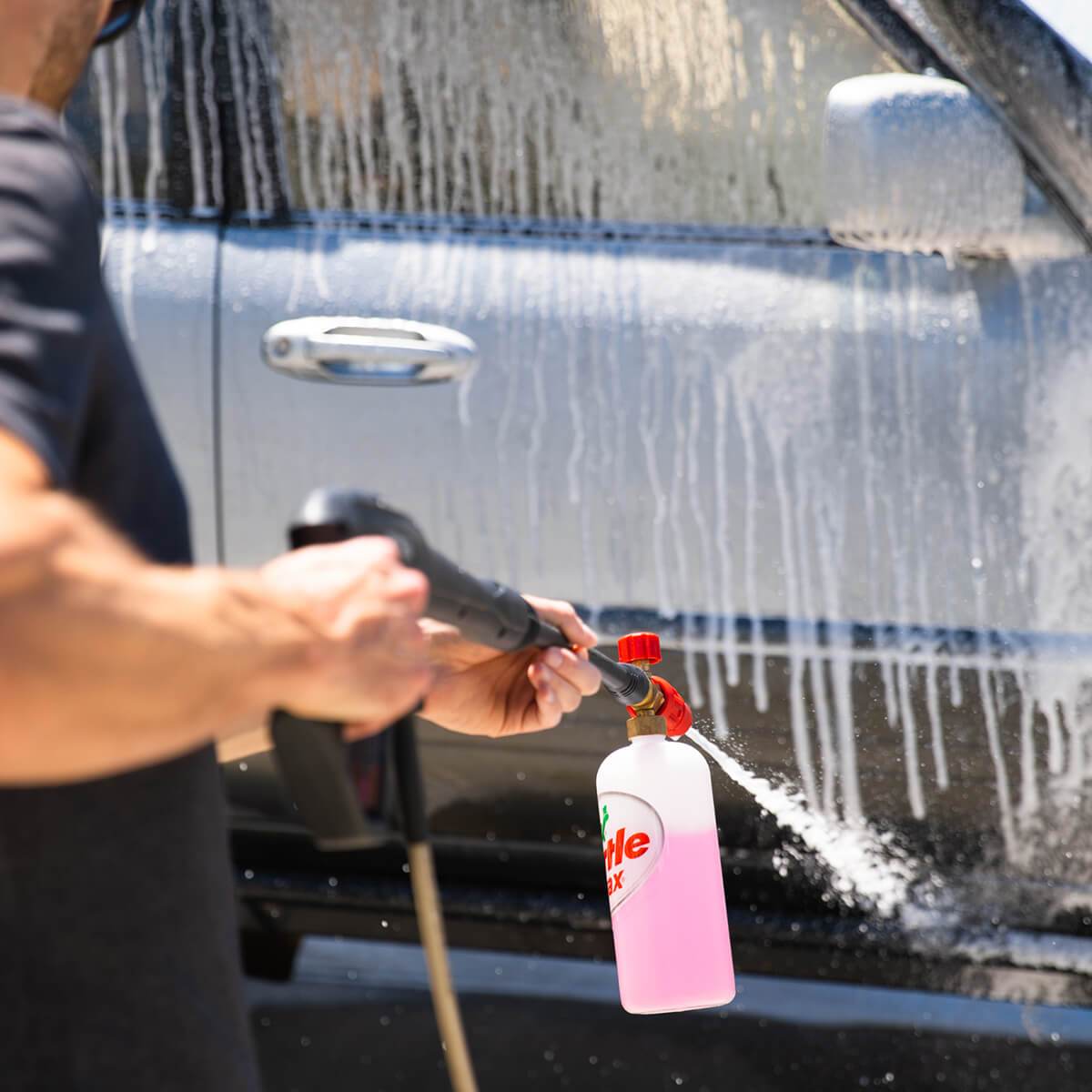
Image Source: cdn.shopify.com
The Mechanics of Pressure Washer Soap
Pressure washers work by forcing water through a nozzle at high pressure. When soap is introduced, it’s typically mixed with the water stream either through a built-in detergent tank, a suction tube, or a specialized foam cannon soap pressure washer attachment. This pressurized, soapy water then blasts away dirt, grime, and contaminants from your vehicle’s surface.
The key to effective and safe cleaning lies in the soap’s formulation. Pressure washer detergents are specifically engineered to:
- Lift and Suspend Dirt: They break down the surface tension of water, allowing it to penetrate dirt and grease. The soap then emulsifies these contaminants, lifting them from the surface and holding them in suspension, so they can be rinsed away easily without re-depositing.
- Lubricate the Surface: A good soap provides lubrication, which is essential when using the high-pressure water. This helps prevent scratching the paint from any remaining grit that the water might not have completely removed.
- Rinse Cleanly: Unlike dish soap or household cleaners, specialized car wash soap pressure washer formulations are designed to rinse away completely, leaving no residue, streaks, or water spots.
- Be Safe for Vehicle Surfaces: They are pH-balanced and contain no harsh chemicals or abrasive agents that could strip wax, damage clear coats, or dull the paint finish.
What Makes Regular Car Wash Soap Different?
While many liquid car wash soap pressure washer products might look similar on the shelf, their internal chemistry can be vastly different.
- Dish Soaps: These are designed to cut through grease and grime on dishes. While effective at degreasing, they are often too harsh for automotive paint. They can strip away protective waxes and sealants, leaving your paintwork vulnerable to environmental damage. They also tend to create excessive foam that can clog pressure washer soap injectors.
- Household Cleaners: These can contain strong alkalis, acids, or solvents that can cause permanent damage to your car’s paint, trim, and rubber components.
- Standard Car Wash Soaps (for hand washing): While often gentle enough for hand washing, they might not be formulated to work effectively with the high pressure and flow rates of a pressure washer. They may not produce the same level of slickness or rinse as cleanly, potentially leading to streaking.
This is why pressure washer car cleaning soap is a distinct category. It’s about pressure washer soap compatibility with the machine and the vehicle.
Choosing the Best Soap for Pressure Washer Car Cleaning
The market offers a variety of pressure washer detergent options. Selecting the best soap for pressure washer car cleaning depends on your needs, the type of dirt you’re dealing with, and the desired finish.
Types of Pressure Washer Detergents
- All-Purpose Car Wash Soaps: These are generally safe for most automotive surfaces. They offer a good balance of cleaning power and gentleness. Look for products specifically labeled for pressure washer use.
- Concentrated Soaps: Many pressure washer soap products come in concentrated form, meaning you dilute them with water. This is economical and allows you to adjust the strength based on the level of dirt.
- Foaming Soaps (for Foam Cannons): These are specifically designed to create a thick, clinging foam when used with a foam cannon attachment. This pre-soak stage helps to loosen and lift dirt before you even touch the vehicle with a wash mitt. If you’re looking for a foam cannon soap pressure washer solution, these are your go-to.
- Specialty Cleaners: These might include wheel cleaners, bug and tar removers, or degreasers. While some can be used with pressure washers, they often require specific dilution ratios and application methods. Always check the product label.
Key Factors to Consider When Selecting Soap
- Biodegradability and Environmental Impact: Many manufacturers now offer eco-friendly options that are biodegradable and safe for the environment.
- pH Neutrality: A pH-neutral soap is crucial for paint safety. Harsh alkaline or acidic soaps can strip waxes, damage clear coats, and even etch certain materials.
- Lubricity: Higher lubricity means the soap creates a “slicker” surface, reducing the risk of scratching during the washing process.
- Rinsing Properties: You want a soap that rinses away cleanly, leaving no residue.
- Foaming Action: While excessive foam isn’t always necessary, a good foaming soap (especially for foam cannons) helps lift dirt effectively.
- Compatibility with Your Pressure Washer: Ensure the pressure washer detergent is designed for use with pressure washer systems, especially if you plan to use a detergent tank or suction tube.
How to Use Car Wash Soap in a Pressure Washer Safely
The process of using car soap in pressure washer systems requires attention to detail to ensure both safety and effectiveness.
Step-by-Step Guide
- Read the Manuals: Before you start, thoroughly read the owner’s manuals for both your pressure washer and the car wash soap you intend to use. This is the most critical step for ensuring pressure washer soap compatibility and safe operation.
- Choose the Right Soap: Select a high-quality automotive soap pressure washer formulation designed for this purpose. Avoid dish soap or household cleaners.
- Dilute Properly: If using a concentrated soap, mix it according to the manufacturer’s instructions. Incorrect dilution can lead to weak cleaning or residue.
- Connect the Soap System:
- Detergent Tank: If your pressure washer has a built-in tank, fill it with the diluted soap solution.
- Suction Tube: Insert the suction tube into your bucket of diluted soap solution. Ensure the tube is submerged.
- Foam Cannon: Fill the foam cannon reservoir with the appropriate soap and water mixture. Attach it to the pressure washer wand.
- Pre-Rinse the Vehicle: Before applying soap, rinse the entire vehicle with plain water. This removes loose dirt and debris, preventing them from being ground into the paint by the soap and brush later.
- Apply the Soap:
- Foam Cannon: Apply a thick layer of foam to the entire vehicle. Let it dwell for a few minutes (but don’t let it dry).
- Suction Tube/Tank: Use a low-pressure setting or a wider spray nozzle to apply the soapy water evenly across the vehicle. Start from the bottom and work your way up.
- Agitate (Optional but Recommended): For the deepest clean, it’s often recommended to gently agitate the soapy surface with a wash mitt or soft brush. This helps to lift stubborn grime that the pressure washer alone might not remove. However, with a good pressure washer car cleaning soap and proper technique, this step might be less critical.
- Rinse Thoroughly: Rinse the vehicle completely with plain water, starting from the top and working your way down. Ensure all soap residue is removed.
- Dry the Vehicle: Use a clean microfiber drying towel to dry the vehicle immediately. This prevents water spots.
Using a Foam Cannon Safely and Effectively
A foam cannon significantly enhances the car wash soap pressure washer experience. It produces a thick, clinging foam that covers the vehicle in a blanket of suds, allowing the soap to dwell and break down dirt and grime.
Key Considerations for Foam Cannons:
- Soap-to-Water Ratio: Follow the foam cannon manufacturer’s or the soap manufacturer’s recommendations for the correct ratio. Too much soap can clog the cannon or be difficult to rinse. Too little won’t produce the desired foam.
- Nozzle Selection: Foam cannons typically have adjustable nozzles. Experiment to find the setting that produces the richest foam.
- Dwell Time: Allow the foam to sit on the vehicle for 3-5 minutes to work its magic, but never let it dry. If it starts to dry, rinse it off immediately.
- Pressure Washer Compatibility: Ensure your pressure washer has sufficient PSI (pounds per square inch) and GPM (gallons per minute) to operate the foam cannon effectively. Most homeowner-grade pressure washers (1500-2500 PSI) work well.
What Not to Do
- Never spray soap directly onto a hot surface. This can cause the soap to dry too quickly, leaving streaks and spots. Wash the vehicle in the shade or when the surface is cool to the touch.
- Do not use excessive pressure on delicate surfaces. While you’re using a pressure washer, you can still damage paint or trim if the pressure is too high or the nozzle is held too close. Use a wider spray pattern (e.g., 40-degree nozzle) for general washing and keep a safe distance.
- Avoid using soaps not specifically designed for automotive pressure washing. This is the most common mistake.
- Never leave soap to dry on the vehicle. Always rinse thoroughly and promptly.
Pressure Washer Detergent Formulations: A Closer Look
Understanding the ingredients in your pressure washer detergent can help you make better choices.
Common Ingredients and Their Functions
- Surfactants: These are the primary cleaning agents. They reduce water’s surface tension, allowing it to wet surfaces more effectively, and they lift and emulsify dirt and oils.
- Builders: These enhance the cleaning power of surfactants, often by softening hard water.
- Chelating Agents: These bind to mineral ions in hard water, preventing them from interfering with the cleaning process and reducing spotting.
- Solvents: Some detergents contain mild solvents to help break down greasy or oily residues.
- Lubricants: Added to increase lubricity, reducing the risk of scratching during agitation.
- Wetting Agents: Help the soap solution spread evenly across the surface.
- Fragrances and Dyes: Primarily for aesthetic appeal.
Understanding Pressure Washer Soap Compatibility
The term pressure washer soap compatibility is crucial. It refers to how well a particular soap works with the pressure washer’s system and the vehicle’s materials.
- System Compatibility: Some soaps can create excessive foam or leave residues that can clog the pressure washer’s detergent siphon or internal filters. Soaps designed for pressure washers have controlled foaming and are formulated to rinse cleanly.
- Vehicle Material Compatibility: High-quality automotive soap pressure washer products are formulated to be safe for automotive paint, clear coats, plastics, rubber, and metal. They won’t strip wax, damage seals, or cause corrosion.
A table illustrating compatibility:
| Soap Type | Pressure Washer System Compatibility | Vehicle Surface Safety | Notes |
|---|---|---|---|
| Dish Soap | Low | Low | Strips wax, can dull paint, excessive foam, may clog system. |
| Household Cleaners | Very Low | Very Low | Harsh chemicals, can permanently damage paint, trim, and seals. |
| Hand Wash Car Soap | Medium | High | May not foam well, may rinse poorly, not optimized for pressure. |
| Pressure Washer Soap | High | High | Specifically formulated for pressure washers and automotive surfaces. |
| Foam Cannon Soap | High | High | Designed for thick foam, rinses cleanly, safe for automotive paint. |
The Role of the Foam Cannon
When using a foam cannon soap pressure washer setup, the soap formulation is key to achieving that thick, rich foam. These soaps are often thicker or contain specific foaming agents that react with the air and water mixture in the cannon to create the desired effect.
Common Pitfalls and How to Avoid Them
Even with the right soap, mistakes can happen. Here are common pitfalls when using car soap in pressure washer:
Streaking and Water Spots
- Cause: Soap residue left on the surface, or water drying before being wiped.
- Solution: Rinse thoroughly from top to bottom. Dry immediately with a clean microfiber towel. Ensure proper soap dilution.
Dull or Stripped Paint
- Cause: Using harsh chemicals (like dish soap), or holding the nozzle too close at high pressure.
- Solution: Always use pressure washer car cleaning soap specifically designed for vehicles. Maintain a safe distance and use appropriate nozzle sizes.
Clogged Pressure Washer
- Cause: Using soaps with excessive foaming agents or ingredients that don’t break down easily.
- Solution: Stick to dedicated pressure washer detergent. Clean the detergent filter regularly.
Damaged Trim or Rubber Seals
- Cause: Harsh chemicals or excessive pressure directed at these sensitive areas.
- Solution: Use pH-neutral soaps. Avoid prolonged direct spray on rubber and plastic trim.
Frequently Asked Questions (FAQ)
Can I use Dawn dish soap in my pressure washer for my car?
While Dawn is a popular choice for hand washing cars, it is generally not recommended for use in pressure washers. Dish soaps are designed to strip grease and can be too harsh for automotive paint and clear coats, potentially stripping away protective waxes and sealants. They can also create excessive foam that may clog your pressure washer’s detergent system.
What is the best soap for pressure washer car cleaning?
The best soap for pressure washer car cleaning is a high-quality, pH-neutral car wash soap specifically formulated for use with pressure washers. Look for products labeled as such, or those designed for use with foam cannons if that’s your preferred method. Brands specializing in automotive detailing often have excellent options.
Is pressure washer soap the same as car wash soap?
Not exactly. While both are designed to clean cars, pressure washer soap is specifically engineered to work with the high pressure and flow rates of a pressure washer. It often has lower foaming properties (unless designed for a foam cannon) and is formulated to rinse cleanly and safely through the machine’s detergent system, without clogging. Regular car wash soaps might not have these properties and could cause issues.
How do I know if a soap is safe for my pressure washer?
Always check the product label for explicit mentions of compatibility with pressure washer systems. If it says “for pressure washer use” or lists specific pressure washer brands or types, that’s a good sign. Avoid any soap that warns against use with pressure washers or describes itself as a highly foamy or industrial cleaner without automotive-specific disclaimers.
Can I put any car wash soap in a foam cannon?
While many car wash soaps can be used in a foam cannon, the results will vary. Soaps specifically marketed as foam cannon soap pressure washer solutions are formulated to produce thick, clinging foam. Regular hand-wash soaps might produce a thinner foam or require a different dilution ratio to achieve optimal results. Always check the soap manufacturer’s recommendations for use with foam cannons.
What happens if I use the wrong soap in my pressure washer?
Using the wrong soap can lead to several problems:
- Clogged System: The soap may create excessive foam or leave residue that clogs the detergent siphon tube, filters, or internal components of the pressure washer.
- Poor Cleaning: The soap might not effectively lift dirt or may leave streaks and spots.
- Paint Damage: Harsh chemicals can strip wax, dull the paint, or even damage the clear coat over time.
- Surface Damage: Some cleaners can etch plastic, rubber, or metal components on your vehicle.
By adhering to the guidelines and choosing the right products, you can confidently use your pressure washer for a superior car cleaning experience.