
So, you’re wondering, “Can you use boat wax on a car?” The short answer is: Yes, you generally can use boat wax on a car, but it’s not always the best choice. While both are designed to protect and enhance surfaces, they are formulated for very different environments and materials, leading to significant differences in their effectiveness and potential outcomes. This article will dive deep into the nuances of using boat wax on your car, explore the differences between boat wax and car wax, and help you make an informed decision for your automotive detailing needs.
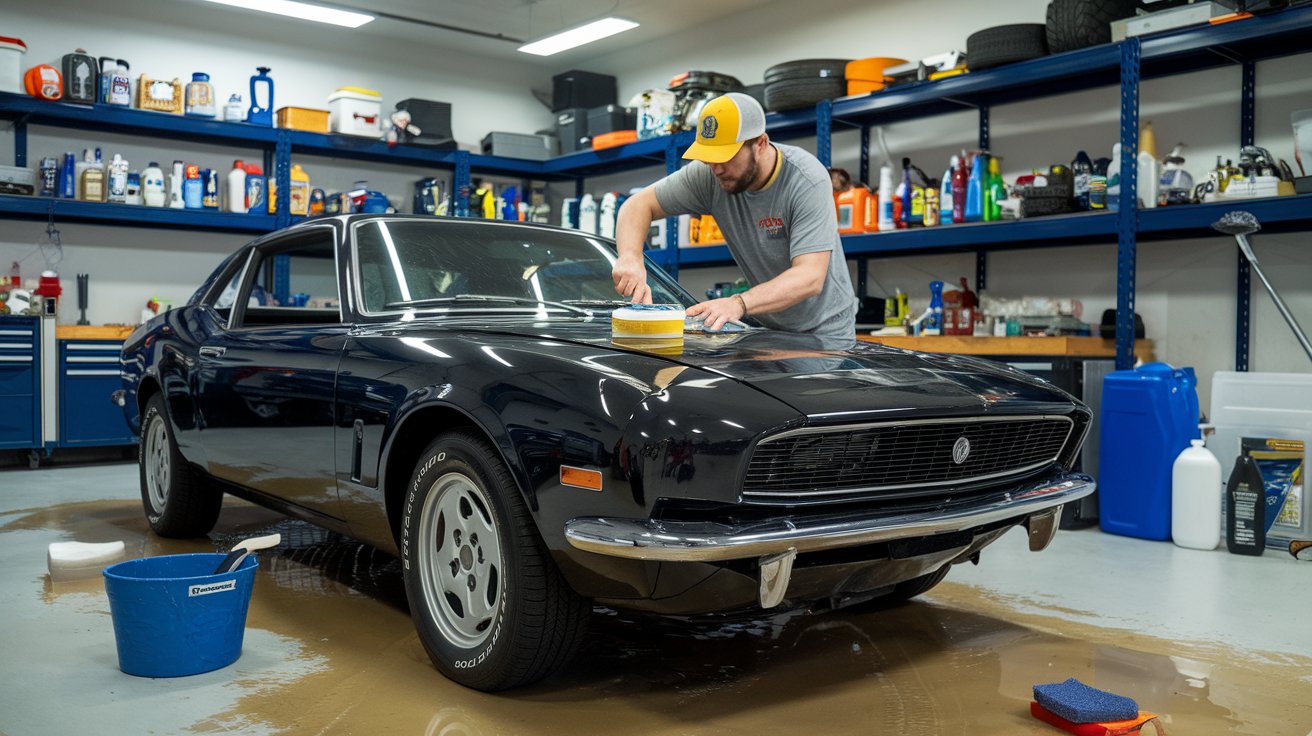
Image Source: vancouvercarrentals.ca
Deciphering Boat Wax vs. Car Wax: Key Distinctions
The most crucial aspect to grasp when considering using boat wax on a car is the fundamental differences between boat and car wax. These differences stem from the unique challenges each vehicle faces.
Marine Environments: The Demands on Boat Wax
Boats operate in a harsh, unforgiving environment. They are constantly exposed to:
- Saltwater: Corrosive and abrasive, saltwater can damage gelcoat and paint.
- UV Rays: Prolonged exposure to direct sunlight, especially reflecting off water, can degrade protective coatings.
- Water Exposure: Boats are submerged, splashed, and subjected to constant moisture, which can lead to oxidation and staining.
- Algae and Barnacles: Marine growth adheres strongly to hulls and requires robust protection and cleaning.
- Friction: Water movement and potential contact with docks create friction.
To combat these elements, boat hull wax on car applications might seem appealing, but it’s important to see what marine products are designed for. Boat waxes are typically formulated with:
- Higher concentrations of carnauba wax: Carnauba is a natural wax known for its deep gloss and durability, often found in higher percentages in marine waxes to withstand extreme conditions.
- Stronger solvents and polymers: These are designed to bond aggressively to gelcoat and provide a robust barrier against saltwater and UV.
- Anti-fouling properties (in some specialized waxes): These prevent marine growth, which isn’t a concern for cars.
- Abrasive compounds: Some boat waxes contain mild abrasives to help remove oxidation and minor imperfections from gelcoat, which can be too aggressive for car paint.
Automotive Environments: The Needs of Car Wax
Cars, while also exposed to the elements, face a different set of challenges:
- Road Grime and Debris: Cars accumulate dust, dirt, tar, bug splatter, and bird droppings.
- Chemical Contaminants: Acid rain, industrial fallout, and road salt can etch and damage paint.
- UV Rays: While still significant, car exposure is often less intense and prolonged than a boat on the water.
- Washing and Drying: Cars are washed and dried frequently, requiring a wax that can withstand this regular maintenance.
Automotive wax for boats is a curious phrase, but what is important is car wax for boats. Car waxes are formulated to:
- Provide a brilliant shine: Emphasis is on aesthetics and the visual appeal of the paint.
- Offer UV protection: To prevent fading and oxidation from sun exposure.
- Create a slick surface: To make washing easier and resist bonding of dirt.
- Be compatible with automotive paint systems: Car paints are more delicate than gelcoat.
- Be easy to apply and remove: For regular detailing by consumers.
Can You Use Boat Wax on a Car? The Pros and Cons
Let’s break down the potential outcomes of applying boat wax to automobile surfaces.
Potential Benefits of Using Boat Wax on a Car
While not ideal, there are some situations where using boat wax might offer a temporary solution or a perceived benefit:
- Durability: Due to their robust formulations, some boat waxes might offer a longer-lasting shine and protection than a very basic car wax, especially against environmental fallout.
- Gloss: High-quality boat waxes, particularly those with a high carnauba content, can impart a deep, wet-looking shine.
- Water Repellency (Beading): Boat waxes excel at creating tight water beads, which can make a car look freshly washed for a short period.
Potential Drawbacks and Risks
This is where the cautionary tale truly begins. Using boat polish on car surfaces carries significant risks:
- Abrasiveness: The most significant concern is that many boat waxes contain mild abrasives or stronger solvents designed to cut through oxidation on gelcoat. These can be too aggressive for delicate automotive clear coats, leading to:
- Stripping of existing protection: It can remove your car’s clear coat or previous wax layers.
- Marring or scratching the paint: This can create fine scratches or a hazy appearance, especially on darker colors.
- Dulling the finish: Over time, aggressive waxes can degrade the clear coat, leading to a loss of gloss.
- Residue and Haze: The chemical composition of boat wax might not break down as easily or evaporate cleanly on a car’s surface. This can lead to stubborn residue, white hazing, or streaking that is difficult to remove.
- Compatibility Issues: Automotive paints and clear coats are complex. The polymers and resins in boat wax might not bond effectively or could react negatively with the automotive finish, leading to an uneven appearance or premature failure of the protection.
- Cost-Effectiveness: Boat waxes are often more expensive than car waxes. Using them on a car when they aren’t optimized for it is not a good economic choice.
- No Specific Automotive Benefits: Boat waxes don’t offer the specialized protection against automotive contaminants like tar, bug splatter, or the specific UV degradation pathways common for cars.
Using Marine Wax on Car Paint: What to Expect
If you absolutely must use boat wax on a car, approach it with extreme caution and understand that it’s a compromise.
Application Steps and Precautions
If you find yourself in a pinch and decide to proceed, follow these steps meticulously:
- Wash and Dry Thoroughly: Ensure your car is immaculately clean and dry. Any dirt or grit will be ground into the paint by the wax.
- Test in an Inconspicuous Area: This is crucial! Apply a small amount of the boat wax to a hidden spot (like a lower door panel or inside the trunk lid) and let it cure. Observe for any adverse reactions like hazing, dulling, or discoloration. If you see any issues, do not proceed.
- Apply Sparingly: Use a clean foam applicator pad and apply a very thin, even coat. Avoid over-application, which can make removal harder.
- Work in Small Sections: Apply and remove the wax section by section to prevent it from drying too much.
- Gentle Removal: Use a clean, plush microfiber towel. Fold it into quarters and gently wipe away the residue. Flip the towel frequently to a clean side.
- Buffing: Use a second clean, dry microfiber towel to buff the surface to a shine.
- Inspect Closely: After buffing, check the paint under good lighting for any signs of marring or hazing.
Important Note: Never use a buffer or machine polisher with boat wax on a car unless you are a seasoned professional and know precisely what you are doing. The risk of burning through the clear coat is extremely high.
Specific Product Considerations
When looking at car detailing with boat products, it’s essential to differentiate between types of boat waxes:
- Pure Carnauba-Based Boat Waxes: These are generally safer than synthetic or abrasive boat waxes, but still carry the risk of being too aggressive.
- Synthetic Polymer Boat Sealants: These might be slightly less abrasive but can still have compatibility issues.
- “All-in-One” Marine Waxes: These often contain cleaners and mild abrasives. Avoid these at all costs for use on a car.
- Boat Polishes: If you are thinking about using boat polish on car, understand that polishes are typically more abrasive than waxes. They are designed to remove oxidation and imperfections from gelcoat. Using a boat polish on car paint is highly likely to cause damage unless it’s specifically formulated for automotive use (which is rare).
When Might Boat Wax Be a Viable (Though Not Ideal) Option?
- Emergency Protection: If you’re on a long trip, your car’s paint is exposed, and you have absolutely no car wax, a small amount of a very mild, pure carnauba-based boat wax might offer temporary protection against harsh elements. However, the risk of damage still exists.
- Older Vehicles with Robust Paint: On a very old car with thick, durable single-stage paint (not clear coat), the risk of marring might be slightly lower, but still present.
Why Specialized Car Wax is Superior for Your Automobile
The primary reason to stick with automotive wax for boats – or more accurately, car-specific products – is their tailored formulation.
Benefits of Dedicated Automotive Waxes
- Paint-Specific Formulations: Car waxes are designed to be safe and effective on automotive clear coats and paints. They are rigorously tested for compatibility and performance.
- Optimized for Automotive Contaminants: They offer protection against road grime, tar, bugs, and the specific spectrum of UV light that affects car paint.
- Ease of Use: They are formulated for easy application and removal without specialized tools or extensive knowledge.
- Variety of Finishes: You can choose waxes that enhance gloss, add depth, provide a slick feel, or offer long-lasting synthetic protection.
- Safety for Detailing Tools: They are designed to be used with foam applicators and microfiber towels without causing undue stress.
The Role of Car Polish
A crucial distinction: boat polish on car is different from wax. Polishes contain abrasives to remove defects. Car polishes are designed to do this gently. Boat polishes are often much more aggressive. If your car needs paint correction, use a dedicated car polish and then seal that protection with a car wax or sealant.
Can You Use Boat Wax on Car Trim?
This is a more nuanced question. Many car waxes don’t play well with plastic or rubber trim, causing white residue or discoloration. Some boat waxes might actually perform better on certain types of plastic trim than some car waxes, offering UV protection and a bit of sheen.
However, again, it’s a gamble. If you have a boat wax that specifically states it’s safe for plastics and rubber, you might try it on a small, inconspicuous piece of trim. But it’s generally best to use dedicated trim protectants designed for automotive use.
Automotive Finish Protection Boat Wax: A Misnomer
The phrase automotive finish protection boat wax is inherently contradictory. While a boat wax offers a type of finish protection, it’s not optimized for the specific automotive finish. It’s like using a concrete sealer on your hardwood floors – it might protect, but it will likely look terrible and could cause irreversible damage.
The Bottom Line: Stick to What’s Made for Your Vehicle
The temptation to use a product you already have for a perceived similar purpose is understandable. However, when it comes to protecting the finish of your car, using boat wax on a car is generally a bad idea. The risks of damaging your paint – scratching, hazing, dulling, or stripping the clear coat – far outweigh any potential short-term benefits of shine or water beading.
Boat hull wax on car applications are a risky experiment. The formulations are fundamentally different, designed for vastly different materials and environmental stresses. For the best results, longevity, and to preserve the value and appearance of your vehicle, always use products specifically designed for automotive paint. There are countless excellent car waxes and sealants available that will provide superior protection and shine without the gamble.
When in doubt, always choose the product engineered for the job. Your car’s paint will thank you.
Frequently Asked Questions (FAQ)
Q1: Can I use boat wax on my car’s glass?
A: While some boat waxes might not cause immediate damage to glass, they are not formulated for optimal clarity and water repellency on automotive glass. Dedicated automotive glass sealants or waxes will provide better, safer results and won’t leave the same potential for streaking.
Q2: Is boat polish the same as car polish?
A: No. Boat polishes typically contain more aggressive abrasives designed to cut through oxidation on gelcoat, which is much harder than automotive clear coats. Using boat polish on car paint is very likely to cause damage. Always use a car-specific polish for paint correction.
Q3: Will using boat wax void my car’s paint warranty?
A: While it’s unlikely to be explicitly stated in warranty terms, using a product that damages your paintwork would almost certainly void any warranty claims related to the finish.
Q4: What if I accidentally used boat wax on my car? What should I do?
A: If you’ve used boat wax and notice any hazing, streaking, or dullness, you’ll need to correct it. This might involve using a dedicated automotive paint cleaner or a mild polish with a foam applicator to gently remove the boat wax residue. Follow up with a quality car wax.
Q5: Are there any marine products that are safe for cars?
A: Generally, no. The chemical compositions and intended uses are too different. It’s always best to use products specifically designed for automotive applications. If you’re looking for durable protection for your car, consider synthetic paint sealants or ceramic coatings, which offer long-lasting results.
Q6: I saw a product labeled “marine wax for cars.” Is that okay?
A: If a product is specifically marketed as being for both marine and automotive use, read the label very carefully. However, in most cases, products designed for dual purposes are a compromise and might not perform optimally on either surface. It’s usually best to stick to single-purpose, specialized products.