
If you’ve misplaced your car title, you might be wondering, “Can you trade in your car without a title?” The short answer is generally no, you cannot directly trade in your car without the title, but there are avenues to explore that might lead to a sale or trade-in. A missing car title is a significant hurdle, but not necessarily an insurmountable one. This guide will delve into why a title is crucial, what options you have when your car title is missing, and how to navigate the process of selling or trading in your vehicle without this vital document.
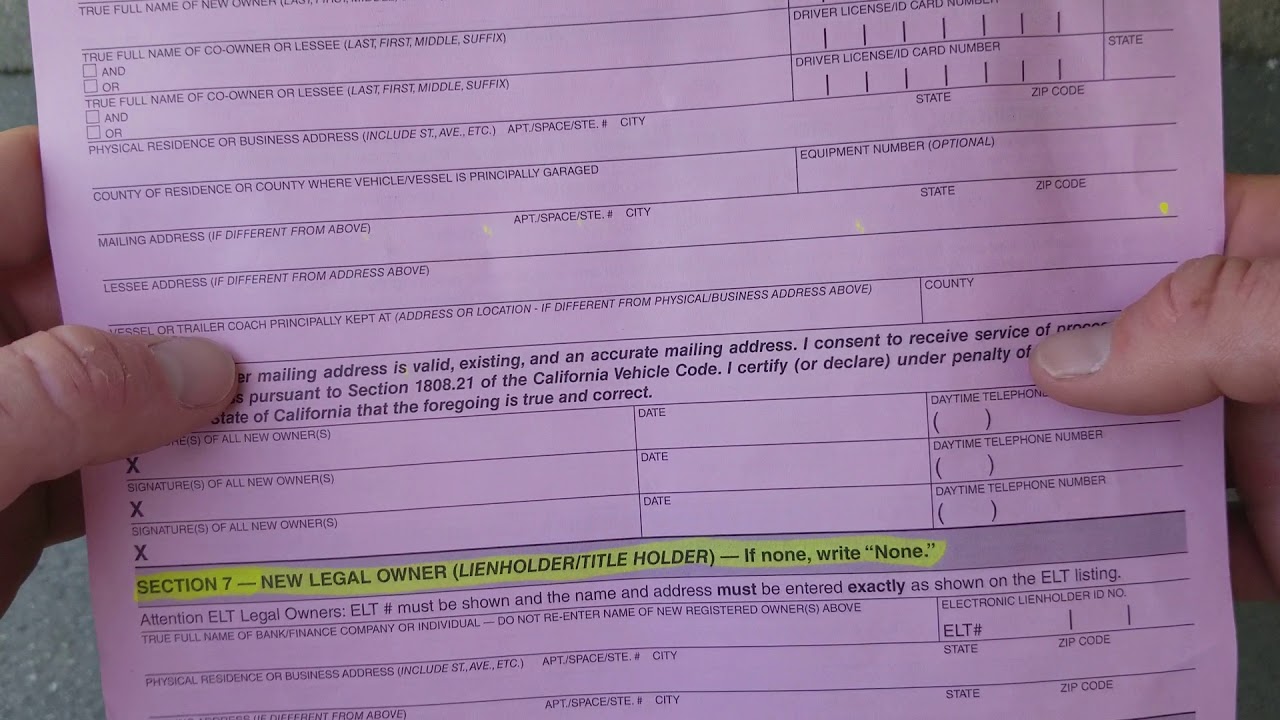
Image Source: i.ytimg.com
The Importance of a Car Title
A car title, officially known as a Certificate of Title, is the legal document that proves you are the rightful owner of a vehicle. It’s the cornerstone of car ownership, much like a deed is for a house. Without it, you can’t legally transfer ownership to another party, which is precisely what happens in a car trade-in or sale.
- Proof of Ownership: It’s the primary evidence that you own the car.
- Transferability: It contains information necessary to legally transfer ownership from one person to another. This includes the vehicle identification number (VIN), make, model, year, and the names of registered owners.
- Lien Release: If you had a loan on the car, the title will show that the lien has been satisfied, confirming the car is free and clear.
- State Registration: It’s often required to register a vehicle in your name.
When you try to trade in a car, the dealership or buyer needs to ensure they are receiving a vehicle with clear ownership. They cannot legally register the car in their name or resell it without the title. This is why having your car title missing creates such a significant problem.
Why Selling a Car Without a Title is Difficult
Trying to sell a car without a title is challenging because it raises immediate red flags for potential buyers, especially dealerships. They operate under strict regulations and cannot knowingly purchase a vehicle where ownership is unclear.
- Legal Impediment: Without a title, you cannot legally transfer ownership. This means the buyer wouldn’t be able to register the car in their name, which is essential for driving it legally.
- Risk of Fraud: A buyer might suspect the car is stolen or that there are other title issues if the seller doesn’t have the proper documentation.
- Dealership Policies: Car dealerships are legally obligated to verify ownership before accepting a vehicle as a trade-in or purchasing it outright. They can face penalties if they deal in vehicles with unclear ownership.
- Reduced Value: Even if a buyer is willing to take the risk, they will significantly discount the vehicle’s price to compensate for the trouble and legal risk involved.
The term “title issues trade-in” is often used by dealerships to describe situations like this. They need to be certain that the car they are taking in has a clean and transferable title.
Your Options When Your Car Title is Missing
So, if you’ve lost your car title, what can you do? The most direct and advisable course of action is to obtain a car title replacement. This process, while sometimes time-consuming, is the most straightforward way to legally sell or trade in your vehicle.
1. Getting a Duplicate Title
This is the primary solution for a lost car title. Every state has a Department of Motor Vehicles (DMV) or equivalent agency that handles vehicle registration and titling.
Steps to Get a Duplicate Title:
- Locate Your State’s DMV Website: Search for your state’s DMV, BMV, MVD, or similar agency online.
- Find the Application for a Duplicate Title: Most agencies have specific forms for this purpose. You can usually download them from their website.
- Gather Required Information: You will likely need:
- Your driver’s license or other government-issued ID.
- Your vehicle’s VIN.
- The vehicle’s license plate number.
- Possibly proof of insurance.
- If there was a lien, you might need proof it was satisfied.
- Complete the Application: Fill out the form accurately and completely. Be honest about why you need a duplicate (lost, stolen, damaged, etc.).
- Pay the Fee: There is typically a fee associated with obtaining a duplicate title. The cost varies by state.
- Submit the Application: You can usually submit the application in person at a DMV office, by mail, or sometimes online. Check your state’s specific procedures.
- Wait for the Duplicate Title: The processing time can vary, from a few days to several weeks. Some states offer expedited services for an additional fee.
Important Considerations:
- Processing Time: Factor in the time it takes to get the duplicate title. If you need to trade in your car soon, this can be a major delay.
- Address: Ensure your mailing address is correct on the application so you receive the duplicate title.
- Lienholders: If your car still had a loan on it when you lost the title, the lienholder might have a claim to the title, and you may need their cooperation.
2. Selling the Car to a Private Party (With Caution)
While a dealership will likely refuse a car without a title, a private buyer might be more willing, especially if you are transparent about the situation and the steps you are taking. However, this comes with significant risks for both parties.
- Transparency is Key: You must inform the buyer upfront that you do not have the title and explain that you are applying for a duplicate.
- Bill of Sale: You should always provide a detailed Bill of Sale, outlining the transaction, the price, the vehicle details, and the fact that the title is being replaced.
- Proof of Application: Show the buyer proof that you have applied for a duplicate title.
- Waiting for the Duplicate: The ideal scenario is to wait for the duplicate title to arrive and then complete the sale. This ensures a clean transfer of ownership.
- Risk for the Buyer: The buyer takes on the risk that you might not receive the duplicate title or that there could be other ownership complications. This will significantly impact the price they are willing to pay.
- Risk for You: Selling a car without a title can still leave you vulnerable if the transaction isn’t handled correctly.
3. Selling to a “We Buy Cars” Service or Junkyard
Companies that specialize in buying cars, particularly those that deal with older or salvage vehicles, might be willing to purchase your car without a title, though they will offer significantly less.
- They Handle the Paperwork (Potentially): Some of these services may have processes for dealing with vehicles that have missing titles, especially if they intend to salvage parts or scrap the vehicle.
- Lower Offers: Expect the offer to be substantially lower than market value because of the hassle and uncertainty associated with missing title paperwork.
- Proof of Ownership Still Needed: Even these services will likely require some form of proof that you are the legal owner, such as registration papers with your name on them, or you will need to go through the duplicate title process first.
4. Selling Car Without Title and Ownership Papers
If you don’t even have the registration papers or any other documentation proving ownership, the situation becomes much more complex.
- Proof of Purchase: If you have a bill of sale from when you originally purchased the car, this can be helpful.
- Affidavit of Ownership: In some states, you might be able to get an “Affidavit of Ownership” or a similar sworn statement from the DMV, but this usually requires extensive documentation and investigation.
- It’s Closer to a Titleless Car Sale: This scenario is very close to a truly “titleless car sale,” which is extremely difficult to execute legally.
Can You Trade In Your Car Without A Title at a Dealership?
Let’s circle back to the core question: Can you trade in your car without a title?
No, a reputable dealership will almost certainly not allow you to trade in your car without a title.
Here’s why:
- Dealership Liability: Dealerships are in the business of reselling vehicles. If they take a car without a title, they cannot legally sell it. They would be stuck with a car they can’t transfer, and could face penalties from the state.
- Financing Issues: If you were to trade in a car financed through a loan, the bank or finance company that holds the lien also has rights to the title. You can’t transfer ownership without their lien being released and documented on the title.
- Title Issues Trade-in: This is exactly what a “title issues trade-in” means for a dealership – a transaction they cannot complete due to missing or problematic title documentation.
- No Title Car Dealership: Finding a “no title car dealership” willing to accept your vehicle is highly unlikely, and if you do, it’s a significant red flag about their business practices. They might be buying it for scrap or parts only, at a drastically reduced price, and you would still need to prove some level of ownership.
What About Selling Car Without Title for Parts or Scrap?
If your car is old, damaged, or not running, and you’re considering selling it for parts or scrap, the requirements might be slightly different, but a title is still often necessary.
- Scrap Yards: Most legitimate scrap yards will require proof of ownership, often the title, before they accept a vehicle for dismantling. This prevents them from receiving stolen vehicles.
- Proof of Ownership: Even for scrap, you might need to provide registration papers, your ID, and potentially a statement that the vehicle is not stolen.
- “Selling car without ownership papers” in this context is extremely difficult.
Exploring Alternatives and Workarounds
If you’re in a bind and cannot wait for a duplicate title, here are a few strategies, though they come with caveats:
1. Selling to a Dealership That Specializes in Difficult Transactions
Some dealerships are better equipped to handle unique situations. However, this usually means they buy cars with less-than-perfect titles at a steep discount.
- “As-Is” Sales: They might buy the car “as-is,” with the understanding that you will provide the title once you receive it, or they might handle the duplicate title process on your behalf for a fee.
- Transparency and Honesty: Be upfront about your lost title situation.
2. Selling Your Vehicle Directly to the Manufacturer (Less Common)
In some rare cases, manufacturers might have programs or buy-back options for vehicles with title complications, but this is not a standard procedure.
3. Using a Car Broker or Title Service
There are services that specialize in helping people navigate complex vehicle ownership issues, including obtaining duplicate titles or facilitating sales when titles are missing. They will charge a fee for their services.
Table: Comparing Options for a Lost Car Title
Here’s a quick comparison of the primary options when your car title is missing:
| Option | Pros | Cons |
|---|---|---|
| Get a Duplicate Title | Legal, clean transfer; highest resale/trade-in value. | Takes time; requires paperwork and fees. |
| Sell to Private Party | Potentially faster than waiting for duplicate; can get more than scrap. | Buyer may be hesitant; price significantly reduced; requires careful paperwork and transparency; risk of complications. |
| Sell to “We Buy Cars” | Quicker than dealership trade-in; may accept car without title. | Very low offers; still may need some proof of ownership. |
| Sell for Scrap/Parts | Easiest if car is unusable; quick transaction. | Lowest value; often requires proof of ownership; not a trade-in scenario. |
| Dealership Trade-in (No Title) | Generally Not Possible | Dealerships require titles for legal resale. |
Selling Car Without Ownership Papers: The Extreme Scenario
If you’ve lost your car title and don’t have any other ownership papers (like registration or bill of sale), selling your vehicle becomes exceptionally difficult. This is the true “titleless car sale” scenario, and it’s fraught with legal hurdles.
- Legal Ownership Verification: Without any documentation, proving you legally own the car can be a significant challenge.
- DMV Assistance: Your state’s DMV is the only entity that can guide you through the process of establishing ownership and potentially getting a duplicate title or a bonded title.
- Bonded Title: In some states, if you can prove you purchased the vehicle but lost the title, you might be able to obtain a “bonded title.” This involves getting a surety bond from an insurance company to protect the state and potential future owners against claims on the vehicle. This process is complex, requires significant documentation, and is not guaranteed.
- Potential for Being Denied: If you cannot prove ownership, the DMV may deny your request for a duplicate or bonded title, leaving you unable to legally sell the vehicle.
Frequently Asked Questions (FAQ)
Q1: Can I still register a car if I lost the title?
A1: No, you generally cannot register a car without a title. You will need to obtain a duplicate title from your state’s DMV before you can register the vehicle in your name.
Q2: What happens if a dealership accepts my car for trade-in and I later find out there was a problem with the title?
A2: This is a serious issue for the dealership. If they discover title irregularities after the trade, they could void the deal, try to recover the vehicle, or pursue legal action against you for misrepresentation. Reputable dealerships perform title checks before finalizing any trade-in.
Q3: I have a lien on my car and lost the title. What do I do?
A3: If there’s a lien on your car and you lose the title, you typically need to involve the lienholder. The lienholder often holds the original title. You’ll need to contact them to satisfy the loan and get the lien released, after which they can help you obtain a clear title or provide you with the necessary documentation to get a duplicate.
Q4: How long does it take to get a duplicate title?
A4: The processing time for a duplicate title varies significantly by state. It can range from a few business days to several weeks. It’s best to check with your state’s DMV for an estimated turnaround time.
Q5: Can I sell my car to a private party if I lost the title but have the registration?
A5: While you can attempt to sell it privately, most private buyers will be hesitant without a title. You would need to be completely transparent, and the buyer would be taking on a significant risk. It’s still highly recommended to obtain a duplicate title first for a smooth and legal transaction.
Q6: What is a bonded title?
A6: A bonded title is a legal document that allows you to register and title a vehicle when you cannot produce a traditional title. It’s typically issued when you can prove ownership but lack the physical title. It requires obtaining a surety bond to protect against any legal claims on the vehicle. This is a more complex process than getting a duplicate title.
Conclusion: The Title is King
In the realm of car ownership and transactions, the car title is paramount. Losing your car title, or having “title issues trade-in” scenarios, can be frustrating and financially impactful. While you cannot directly trade in your car without a title at most dealerships, the solution lies in obtaining a duplicate title. This is the most reliable way to ensure a legal, smooth, and value-preserving sale or trade-in. Always prioritize getting a car title replacement before attempting to sell or trade your vehicle when your car title is missing. Navigating the process of selling car without title or selling car without ownership papers is extremely difficult and often results in a significantly lower sale price or outright refusal from legitimate buyers and dealerships.