
Yes, you can trade in more than one car, though the process might be a bit more complex than a single vehicle transaction. Many dealerships are open to multiple vehicle trade-in scenarios, making it possible to sell your old cars and purchase a new one all at once.
Are you looking to upgrade your ride and have more than one vehicle gathering dust in your driveway? The idea of trading in multiple cars might seem daunting, but it’s a perfectly feasible and often advantageous way to streamline your car-buying process. This guide will walk you through everything you need to know about multiple vehicle trade-in, from the initial considerations to getting the best possible deal. Whether you’re trading in several cars or simply selling two cars at once, this information is designed to help you navigate the experience smoothly.
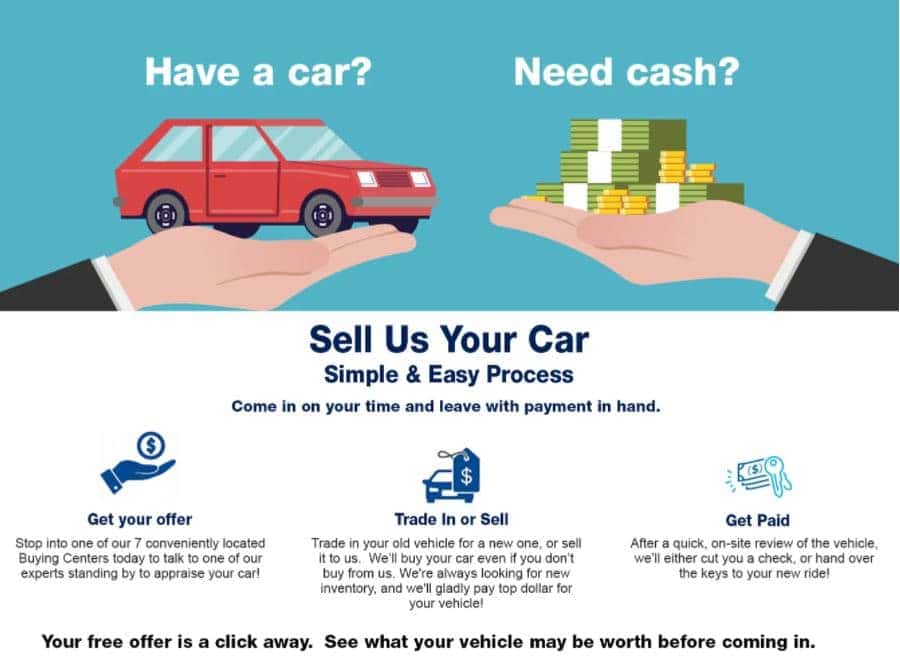
Image Source: di-uploads-pod5.dealerinspire.com
Why Consider Trading In Multiple Cars?
There are several compelling reasons why selling multiple vehicles and consolidating into one new purchase makes sense.
- Convenience: Instead of dealing with individual private sales, which can be time-consuming and involve multiple interactions with potential buyers, you can handle the entire transaction at a dealership. This is especially true when selling cars to a dealership.
- Efficiency: Imagine the time saved. You offload your existing vehicles and drive away in your new one, all in a single visit. This efficiency is a major draw for many people.
- Potential Tax Benefits: In many places, when you trade in a vehicle, the sales tax is calculated on the difference between the new car’s price and the trade-in value of your old car. If you trade in multiple vehicles, this can lead to significant tax savings on your new purchase. This is a crucial point when considering trade-in deals multiple vehicles.
- Reduced Hassle of Private Sales: Selling cars privately often means advertising, showing the car, negotiating with strangers, and handling paperwork separately for each vehicle. Trading them in eliminates these hurdles.
How to Trade In Multiple Cars: A Step-by-Step Approach
Navigating a multiple vehicle trade-in requires preparation and a clear strategy. Here’s a breakdown of how to approach it:
Step 1: Assess Your Vehicles
Before you even step foot into a dealership, take stock of each car you plan to trade in.
Condition Report
- Mechanical Health: Note any mechanical issues, recent repairs, or upcoming maintenance needs. A well-maintained car will always fetch a higher trade-in value.
- Cosmetic Appeal: Clean your cars thoroughly, inside and out. Fix minor dents, scratches, or upholstery tears if possible and cost-effective. A polished appearance makes a good first impression.
- Mileage: Higher mileage generally lowers the trade-in value.
- Maintenance Records: Gather all service records. This documentation proves your commitment to maintaining the vehicles and can increase buyer confidence.
Determine Their Market Value
Researching the worth of your cars is crucial.
- Online Valuation Tools: Use reputable sites like Kelley Blue Book (KBB), Edmunds, and NADA Guides to get estimated trade-in values for each vehicle. Be honest about the condition to get accurate estimates.
- Local Dealership Research: Visit a few dealerships (even those you aren’t planning to buy from) to get informal appraisals of your vehicles. This gives you a real-world sense of what dealers might offer.
Step 2: Research Your New Car and Dealerships
The process of selling more than one car often ties into buying a new one.
Target Your New Vehicle
- Identify Needs: What kind of vehicle are you looking for? SUV, sedan, truck?
- Set a Budget: Factor in the potential trade-in values when setting your budget for the new car.
- New vs. Used: Decide if you’re buying a new or used vehicle.
Select Dealerships
- Reputation: Look for dealerships with good customer reviews and a reputation for fair dealing.
- Inventory: Ensure they have the type of vehicles you’re interested in.
- Trade-In Policies: Some dealerships might be more amenable to multiple vehicle trade-ins than others. A quick call ahead can clarify their policy.
Step 3: Prepare Your Paperwork
Having all your documentation in order will expedite the process.
- Titles: Ensure you have the clean titles for all vehicles you plan to trade in. If there are any liens, have the payoff amounts ready.
- Registration: Current registration documents are necessary.
- Proof of Ownership: Bill of sale, if applicable.
- Maintenance Records: As mentioned earlier, these are valuable.
Step 4: Negotiate the Deal
This is where your research pays off.
Separating the Transactions
It’s often best to negotiate the price of the new car before discussing your trade-ins. This prevents dealers from manipulating the numbers by offering a high price for your trade-in while also inflating the new car’s price. Once you have a firm price for the new car, then bring up your multiple vehicle trade-in.
Negotiating Trade-In Values
- Present Your Research: Show the dealership the market values you’ve researched for each of your cars.
- Be Prepared to Walk Away: If the offers on your trade-ins are significantly lower than their market value, be ready to sell them privately or to another dealer.
- Bundling Offers: Ask if there are any trade-in deals multiple vehicles that could sweeten the pot. Some dealerships might offer incentives for taking on multiple trade-ins.
Finalizing the Deal
Once you agree on all prices, review the purchase agreement carefully. Ensure all agreed-upon figures are accurately reflected.
Advantages of Selling Two Cars at Once Through Trade-In
When you’re selling two cars at once via trade-in, the advantages are numerous.
- Simplified Down Payment: The combined value of your two traded-in cars can serve as a substantial down payment on your new vehicle, reducing your loan amount and monthly payments.
- Single Transaction: It’s a one-stop shop for unloading old vehicles and acquiring a new one. This efficiency is a significant draw.
- Potential for Better Deals: Sometimes, dealerships are more willing to negotiate on the new car’s price when they are also acquiring multiple vehicles from you. This is part of the allure of trade-in multiple vehicles dealership advantages.
Challenges and Considerations for Multiple Vehicle Trade-Ins
While beneficial, there are potential pitfalls to be aware of when you decide on trade-in multiple cars.
Lower Than Private Sale Value
Dealerships offer convenience, but they also need to make a profit. You might receive less for your trade-ins than you would if you sold them privately. The difference in value needs to be weighed against the time, effort, and potential risks of private sales.
Lien Payoffs
If you still owe money on one or more of your vehicles, the dealership will pay off the loan. However, if the amount owed is more than the trade-in value, you’ll need to cover the difference out of pocket or roll it into the new car loan. This can complicate the multiple vehicle trade-in process.
Market Fluctuations
The value of used cars can change based on market demand, seasonality, and economic conditions. Your research should be as up-to-date as possible.
Dealership Policies
Not all dealerships are equipped or willing to handle multiple vehicle trade-ins. Some might have limits on the number of vehicles they can accept per transaction. It’s essential to confirm this when you first inquire.
Maximizing Your Trade-In Value for Multiple Vehicles
To get the best possible outcome when trading in several cars, consider these strategies:
Keep Vehicles Clean and Maintained
- Regular Servicing: Ensure all recommended maintenance is up-to-date.
- Detailing: A professional detailing can make a significant difference in perceived value.
Address Minor Repairs
- Small Fixes: Consider fixing minor cosmetic issues like a cracked taillight, a small dent, or a chipped windshield if the cost is low and the impact on value is high.
- Tires: Ensure tires have adequate tread.
Gather All Documentation
- Service History: As mentioned, this is gold.
- Original Purchase Documents: Can sometimes add value.
Be Informed About the Market
- Know Your Cars’ Worth: Armed with research, you can negotiate from a position of strength.
Selling Cars to a Dealership vs. Private Sale
When considering selling more than one car, you have two primary avenues: selling to a dealership via trade-in or selling them privately.
| Feature | Dealership Trade-In | Private Sale |
|---|---|---|
| Convenience | High (single transaction, no advertising) | Low (requires advertising, showing, negotiation) |
| Time Investment | Low | High |
| Potential Price | Generally lower than private sale | Generally higher than dealership trade-in |
| Tax Benefits | Potential sales tax savings on new purchase | No direct tax savings on a new vehicle purchase |
| Risk | Lower (dealership handles paperwork, buyer checks) | Higher (potential for scams, payment issues) |
| Negotiation | Negotiate new car price and trade-in values | Negotiate only the price of the individual car |
| Paperwork | Dealership handles most of it | You handle all paperwork for each sale |
What to Expect at the Dealership for a Multiple Vehicle Trade-In
When you arrive at the dealership with more than one car to trade, here’s a general outline of what to anticipate:
- Initial Greeting and Needs Assessment: A salesperson will greet you and ask about the new vehicle you’re interested in and the vehicles you’re looking to trade.
- Vehicle Inspection: The dealership’s used car manager or appraiser will inspect each of your trade-in vehicles. They’ll check the mechanical condition, body, interior, mileage, and any features.
- Appraisal and Offer: Based on their inspection and current market data, they will make an offer for each vehicle. This is where you’ll likely receive separate offers for each car.
- Negotiation: You’ll then negotiate the price of the new car and the trade-in values of your old cars. Remember to keep these separate until you’ve agreed on the new car’s price.
- Finalizing Paperwork: Once all numbers are agreed upon, you’ll proceed to the finance office to complete the purchase agreement, trade-in documentation, and any loan applications.
Common Dealership Practices with Multiple Trade-Ins
- Bundling Offers: Some dealerships may try to bundle the offers, presenting a single number for the entire trade-in package. It’s usually better to get individual values.
- “We’ll Take Them Both!” Mentality: While this sounds good, ensure the valuation for each car is fair.
- Focus on the New Car: Dealers want to sell you a new car, so they might use your trade-ins as a tool to make the new car seem more affordable.
Alternatives to Trading In Multiple Cars
If the dealership offers aren’t to your satisfaction, or if you’re not buying a new car at the same time, consider these alternatives:
Selling Cars Individually
- Online Marketplaces: Websites like Craigslist, Facebook Marketplace, AutoTrader, and eBay Motors allow you to reach a vast audience.
- Consignment Services: Some dealerships or specialized companies will sell your car for you on consignment, taking a percentage of the sale price.
Selling to a Car Buying Service
Companies like Carvana, Vroom, or local used car buyers can offer quick cash for your vehicles. They often provide online quotes and can pick up the cars directly. This is a good option if you’re selling multiple vehicles and want a quick, no-haggling process, though the offer might be lower than a private sale.
Frequently Asked Questions (FAQ)
Here are answers to some common questions regarding multiple vehicle trade-ins:
Q1: Can I trade in a car that I still owe money on?
A1: Yes, you can trade in a car with a loan. The dealership will pay off the remaining loan balance. If the payoff amount is more than the car’s trade-in value, you’ll have to cover the difference, either with cash or by rolling it into your new car loan.
Q2: Do I need to have the titles for all my trade-in vehicles?
A2: Yes, having the titles is essential. If you have lost a title, you’ll need to obtain a replacement from your local Department of Motor Vehicles (DMV) before you can trade it in.
Q3: Will I get a better deal if I trade in multiple cars?
A3: Not necessarily. While dealerships might be more motivated to make a deal when acquiring multiple vehicles, they also need to maintain their profit margins. Your negotiation skills and the market value of your cars are the biggest factors.
Q4: Is it better to sell one car at a time?
A4: It depends on your priorities. Selling cars one at a time through private sales might yield more money per vehicle but requires significantly more time and effort. Trading in multiple cars offers convenience and potential tax advantages, but often at a slightly lower return.
Q5: How do dealerships determine the trade-in value of multiple vehicles?
A5: Dealerships use a combination of factors, including market demand, the condition and mileage of each vehicle, their reconditioning costs, and their current inventory needs. They often use pricing guides (like KBB, Edmunds) but also adjust based on their own assessment.
Q6: What if the trade-in value of one car is low but the other is high?
A6: Dealerships typically look at the combined value. If one car has a low trade-in value, and the other has a high one, the dealership may still offer a competitive overall package, especially if they are eager to sell you the new car. It’s always worth negotiating each car’s value separately first.
Q7: Can I trade in cars that are not registered in my name?
A7: Generally, no. You must be the legal owner of the vehicle to trade it in. If the car is in someone else’s name, you would need that person to sign over the title to you before you could trade it.
By following these steps and keeping these considerations in mind, you can successfully navigate the process of trading in more than one car and drive away happy in your new vehicle. Remember that preparation and informed negotiation are your best tools for achieving a favorable outcome.