
The short answer to whether you can tow an All-Wheel Drive (AWD) car on two wheels is: generally, no, it is not recommended and can cause severe damage. This applies to most AWD vehicles, including AWD SUVs and AWD sedans, when attempting to tow them with one axle lifted. This is a crucial point for anyone considering towing an AWD vehicle, whether for a breakdown, relocation, or recreational purposes.
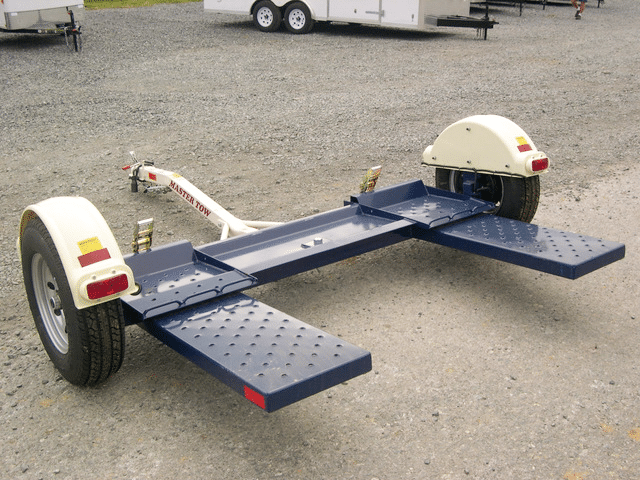
Image Source: fourwindstrailers.b-cdn.net
Why Towing an AWD Car on Two Wheels is Risky
Towing an AWD car on two wheels, often referred to as “dolly towing” or “flat towing” with only the front or rear wheels off the ground, presents a significant risk to the vehicle’s drivetrain. Unlike two-wheel-drive systems, AWD vehicles are designed to send power to all four wheels simultaneously. This intricate system can be easily damaged if not towed correctly.
The Mechanics of All-Wheel Drive
All-wheel drive systems are engineered to distribute power between the front and rear axles, and often between the left and right wheels as well. This distribution can be:
- Full-time AWD: Power is always sent to all four wheels, often with a default bias to either the front or rear.
- Part-time AWD: The driver can engage or disengage the AWD system.
- On-demand AWD: Power is primarily sent to two wheels, and the AWD system activates automatically when slippage is detected.
Regardless of the specific type, the core principle is that the wheels are interconnected through a complex system of differentials and sometimes a transfer case.
The Dangers of Spinning the Drivetrain
When you tow an AWD car with two wheels off the ground, the wheels that remain on the ground are still connected to the drivetrain. This means the transmission, transfer case, and differentials are being forced to rotate, but not in the way they were designed.
- Transmission Damage: Modern automatic transmission AWD towing is particularly vulnerable. The transmission’s internal components, including pumps and clutches, rely on the engine’s rotation to lubricate and operate correctly. When the wheels are spinning the drivetrain without the engine running, it can lead to:
- Lack of lubrication: Moving parts aren’t being lubricated, causing friction and heat.
- Over-spinning: Components can be spun at speeds they weren’t intended for.
- Gear damage: The differential action, designed for controlled wheel speed differences, can be overwhelmed.
- Transfer Case Issues: The transfer case, which splits power between the front and rear axles in many AWD systems, can also suffer severe damage from improper towing. The internal gears and chains can be stressed or broken.
- Differential Strain: The differentials at each axle allow wheels to rotate at different speeds, especially during turns. When towing with one axle driven by the ground, the differential on that axle will be constantly trying to equalize speeds between the two wheels, which can lead to overheating and damage to the gears and bearings.
AWD Vehicle Flat Towing: A Common Misconception
Many people incorrectly assume that AWD vehicle flat towing (towing with all four wheels on the ground) is safe for all AWD cars. This is only true for a select few models. For the vast majority of AWD vehicles, flat towing is not recommended because the transmission and drivetrain are still engaged. Even with the transmission in neutral, the rotational forces on the driveline can cause significant issues.
What About Automatic Transmission AWD Towing?
Towing an automatic transmission AWD vehicle on two wheels is almost always a recipe for disaster. Automatic transmissions have a complex hydraulic system that requires the engine to be running for proper lubrication and operation. When you tow an automatic AWD car with the drivetrain engaged (even partially), the transmission’s internal components can be damaged due to:
- Lubrication Failure: The transmission pump is driven by the engine. Without the engine running, the pump doesn’t circulate fluid, leading to starved components.
- Overheating: The lack of lubrication and the mechanical stress of rotating parts can cause the transmission fluid to overheat, breaking down its lubricating properties and causing further damage.
- Internal Component Stress: Gears, clutches, and torque converters can be forced to spin in ways that exceed their design tolerances, leading to catastrophic failure.
Can You Tow an AWD SUV or AWD Sedan?
The answer depends heavily on the specific make and model. Some manufacturers have specific procedures for towing their AWD vehicles.
Towing driveline damage
The core issue with towing most AWD cars on two wheels is towing driveline damage. This damage can manifest in several ways:
- Grinding noises: Often the first indicator of a problem.
- Transmission fluid leaks: Overheating can degrade seals.
- Shifting problems: Damage to internal components affects gear engagement.
- Complete transmission failure: The worst-case scenario, requiring expensive repairs or replacement.
What About Manual Transmission AWD Vehicles?
Manual transmission AWD vehicles are generally more tolerant of being towed on two wheels than their automatic counterparts. However, there are still critical considerations:
- Neutral Gear: The transmission MUST be in neutral.
- Transfer Case in Neutral: Many AWD vehicles with manual transmissions have a transfer case that can also be shifted into neutral. This is crucial for disabling the driveline.
- Manufacturer Recommendations: Always consult the owner’s manual. Some manufacturers still advise against towing on two wheels even with a manual transmission.
Safe Towing Options for AWD Vehicles
Given the risks associated with improper towing of AWD vehicles, it’s essential to explore the safe and recommended methods.
1. Four-Wheel Towing (Flat Towing)
Four-wheel towing, or flat towing, involves towing the vehicle with all four wheels on the ground. This is the most common method for towing, but it’s NOT suitable for most AWD vehicles without special modifications or specific manufacturer approval.
- Why it’s Risky for AWD: As mentioned, even in neutral, the driveline is still connected and can be damaged.
- When it Might Work: Only if the manufacturer explicitly states that the vehicle can be flat towed with specific instructions. This often involves disabling certain systems or ensuring the transfer case is in neutral. For 4WD car towing with a manual transfer case that can be shifted to neutral, this is often a viable option.
- Modifications: Some specialized towing setups allow for disconnecting the driveshaft or using a device that physically disconnects the drivetrain.
2. Using a Car Tow Dolly
A car tow dolly lifts the front two wheels of the vehicle off the ground.
- Front-Wheel Drive Towing: This is the standard and safest method for towing front-wheel-drive vehicles.
- Rear-Wheel Drive Towing: This is also safe for rear-wheel-drive vehicles.
- AWD and Dolly Towing: For AWD vehicles, dolly towing is generally NOT recommended because it leaves the rear wheels (and therefore the rear axle and part of the driveline) still in contact with the road, rotating. This is essentially the same problem as towing on two wheels, just with the powered wheels at the rear instead of the front.
3. Using a Full Car Hauler Trailer
This is the safest and most recommended method for AWD vehicle transport, regardless of whether it’s an AWD SUV or an AWD sedan. A full car hauler trailer lifts all four wheels of the towed vehicle off the ground.
- How it Works: The vehicle is driven or winched onto the trailer, and then securely strapped down.
- Benefits:
- No Driveline Engagement: The entire drivetrain of the towed vehicle is stationary, eliminating any risk of towing driveline damage.
- Protection: The vehicle is protected from road debris and the elements.
- Versatility: Works for all types of vehicles, including AWD, 4WD, front-wheel drive, and rear-wheel drive.
- Considerations:
- Cost: Trailers can be expensive to buy or rent.
- Towing Capacity: Your tow vehicle must have sufficient capacity to tow the trailer and the vehicle.
- Maneuverability: Trailers can be more challenging to maneuver, especially in tight spaces.
4. Driveline Disconnect Towing
For those who frequently tow their AWD vehicles and prefer not to use a full trailer, a driveline disconnect towing system is an option.
- How it Works: This system involves a mechanical or electronic device that physically disconnects the driveshaft from the transmission or rear differential.
- Benefits:
- Allows Flat Towing: Enables flat towing of most AWD vehicles without damaging the driveline.
- Less Cumbersome than a Trailer: Can be more convenient than a full trailer for frequent towing.
- Considerations:
- Cost: These systems can be expensive to purchase and install.
- Installation Complexity: Requires professional installation and may involve modifications to the vehicle.
- Manufacturer Approval: It’s still wise to confirm with the vehicle manufacturer that this method is acceptable.
Deciphering Your Owner’s Manual: The Key to Safe AWD Towing
The single most important resource for determining how to safely tow your AWD vehicle is its owner’s manual. Manufacturers provide specific guidelines based on the vehicle’s drivetrain and transmission.
What to Look For in the Manual
When searching for towing information, look for sections on:
- Recreational Towing: This is the term often used for towing a vehicle behind an RV or another vehicle.
- Towing Procedures: Specific instructions on how to prepare the vehicle for towing.
- Emergency Towing: Guidelines for towing in non-recreational situations (e.g., breakdowns).
- Drivetrain: Information related to AWD, 4WD, and transmission handling.
Common Manual Recommendations for AWD Vehicles
Based on typical owner’s manuals, here are some common recommendations:
| Vehicle Type | Recommended Towing Method | Notes |
|---|---|---|
| Most AWD Sedans | Full Car Hauler Trailer | Towing on two wheels is generally not recommended due to AWD driveline complexity. |
| Most AWD SUVs | Full Car Hauler Trailer | Similar to AWD sedans, full trailer is the safest bet. Some may allow specific flat towing if equipped with a disconnectable transfer case. |
| AWD with Manual Trans. | Full Car Hauler Trailer or Flat Towing (with driveline disconnect) | Requires transfer case in neutral and transmission in neutral. Check manual for specific model. |
| AWD with Automatic Trans. | Full Car Hauler Trailer | Almost universally, flat towing or dolly towing is NOT recommended. |
| 4WD with Manual Trans. | Full Car Hauler Trailer or Flat Towing (with transfer case in neutral) | Many 4WD vehicles can be flat-towed if the transfer case is correctly shifted. |
When the Manual is Unclear
If you cannot find clear instructions in your owner’s manual, or if it’s vague, it’s best to err on the side of caution.
- Contact the Manufacturer: Reach out to the vehicle manufacturer’s customer service department. They can often provide definitive answers or direct you to a dealership that can.
- Consult a Certified Mechanic: A mechanic specializing in your vehicle’s brand or AWD systems can offer valuable advice.
- Default to a Full Trailer: If in doubt, using a full car hauler trailer is the safest option, preventing any potential towing driveline damage.
The Cost of Improper Towing
The financial implications of towing an AWD car incorrectly can be substantial. A minor error could lead to thousands of dollars in repairs.
- Transmission Repair/Replacement: This is often the most expensive component to repair or replace in a vehicle.
- Transfer Case Repair/Replacement: Another significant mechanical component that can be costly to fix.
- Differential Damage: While usually less expensive than transmission work, differential repairs can still run into hundreds or thousands of dollars.
- Labor Costs: Diagnosis and repair of these complex systems require skilled technicians, adding to the overall expense.
- Lost Use of Vehicle: Beyond the repair bill, you’ll also incur the cost of not being able to use your vehicle while it’s being serviced.
Frequently Asked Questions (FAQ)
Here are some common questions people have about towing AWD vehicles:
Q1: Can I tow my AWD car with the front wheels lifted by a tow dolly?
A1: Generally, no. Towing an AWD vehicle with a dolly will cause the rear wheels and drivetrain to spin, leading to potential damage similar to towing on two wheels.
Q2: If my AWD car has a manual transmission, can I flat tow it?
A2: It depends on the specific vehicle. Many AWD cars with manual transmissions can be flat-towed, but you must ensure the transmission is in neutral AND the transfer case (if applicable) is also shifted into neutral. Always consult your owner’s manual for confirmation.
Q3: My AWD car has a neutral position in the transmission. Can I just put it in neutral and tow it on two wheels?
A3: No. While a neutral position in the transmission disengages the engine from the wheels, it does not disconnect the power flow between the axles in an AWD system. The rotating wheels will still force the differential and transfer case components to turn, potentially causing damage.
Q4: Is front-wheel drive towing the same as AWD towing?
A4: No. Front-wheel drive (FWD) vehicles are much simpler to tow. For FWD cars, using a tow dolly (lifting the front wheels) is a common and safe method because only the non-driven wheels are being towed. AWD systems involve power distribution to all wheels, making them far more sensitive to improper towing.
Q5: I need to tow my AWD car a short distance. Is it okay for just a few miles?
A5: Even short distances can cause significant damage to an AWD drivetrain if towed incorrectly. The lubrication issues and mechanical stress occur rapidly. It’s always best to use a method that completely immobilizes the drivetrain, such as a full car hauler trailer.
Q6: My AWD vehicle has a button that says “AWD Off” or “4WD Lock.” Does this help with towing?
A6: Not typically. While these modes change how power is distributed, they generally do not disconnect the driveline in a way that makes two-wheel towing safe. The owner’s manual is the definitive source for towing instructions.
Q7: What are the risks of towing an AWD SUV differently than an AWD sedan?
A7: The fundamental risks are the same. Both AWD SUVs and AWD sedans rely on interconnected drivetrains. The size or type of the vehicle doesn’t negate the mechanical principles that make improper towing damaging.
Q8: What’s the best way to transport an AWD vehicle if I don’t have a trailer?
A8: You can often rent a full car hauler trailer from truck rental companies or trailer rental facilities. Another option is to use a professional towing service that specializes in transporting vehicles, ensuring they use a flatbed truck or a trailer.
Conclusion
When it comes to All-wheel drive towing, especially with AWD vehicle flat towing or dolly towing, the cardinal rule is to prioritize the integrity of the driveline. The intricate nature of AWD systems means that improper towing methods can quickly lead to expensive towing driveline damage. For most AWD sedans and AWD SUVs equipped with automatic transmissions, the safest and most reliable method of transport is a full car hauler trailer. For those with manual transmissions, flat towing might be an option, but only after meticulous consultation of the owner’s manual and potentially the installation of a driveline disconnect system. Always remember, when in doubt, choose the safest option – a full trailer – to protect your investment and avoid costly repairs.