
Yes, you can put $500 down on a car today. While a larger car down payment is generally preferred by lenders and can lead to better loan terms, a $500 down payment is often achievable, especially for used cars or with specific car financing options. This amount can be your entry point into securing a vehicle when your upfront cash is limited.
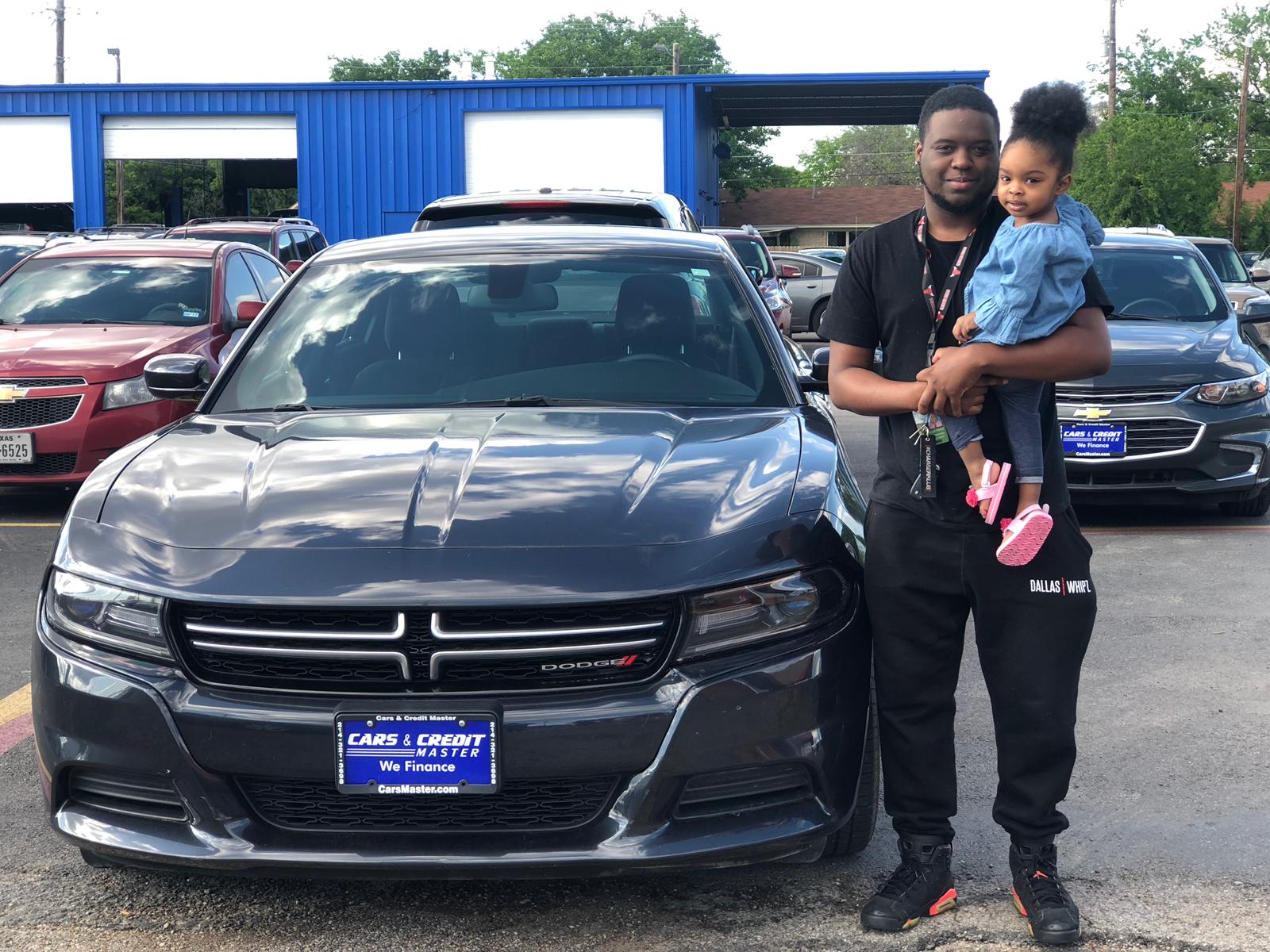
Image Source: www.carsmaster.com
Getting Started with a $500 Car Down Payment
Buying a car is a big step, and for many, the upfront cost is the biggest hurdle. You might be asking, “Can I put $500 down on a car?” The answer is usually yes, but it comes with important considerations. This guide will walk you through the process, from finding eligible vehicles to understanding the loan implications. We’ll cover how to make that $500 work for you to drive away in a car today.
The Role of a Down Payment
A down payment is the money you pay upfront when buying a car. It reduces the amount you need to finance, which means lower monthly payments and less interest paid over the life of the loan. While a higher down payment strengthens your application and can secure better rates, even a modest amount like $500 can be a starting point. It signals to lenders that you are committed to the purchase.
Why $500 Might Be Your Magic Number
For many buyers, $500 represents a reachable savings goal. It’s enough to show financial responsibility without requiring a massive cash outlay. This makes it a popular figure for those seeking low down payment car loans. Whether you’re a first-time buyer, have a less-than-perfect credit history, or simply want to keep more cash in your savings, a $500 down payment can open doors.
Finding Cars That Accept a $500 Down Payment
Not all dealerships or vehicles will accommodate such a low down payment. The key is to know where and what to look for.
Where to Find $500 Down Payment Cars
- Dealerships Specializing in Used Cars: Many dealerships focused on pre-owned vehicles cater to buyers with diverse financial situations. They often have flexible financing programs.
- Buy-Here, Pay-Here Dealerships: These dealerships finance cars directly, bypassing traditional banks. They are typically more lenient with down payments, but interest rates can be higher.
- Private Sellers: While less common for accepting formal down payments, some private sellers might be open to a negotiation that includes a smaller upfront amount, especially if they need to sell quickly. However, financing arrangements are usually handled separately by the buyer.
- Dealerships with Special Promotions: Keep an eye out for dealerships running “low down payment” specials. These are often advertised and specifically designed to attract buyers who need flexible payment options.
Types of Vehicles to Consider
- Used Cars: This is your best bet. Older or higher-mileage used cars typically have lower selling prices, making a $500 down payment a more significant percentage of the total cost. This increases your chances of approval.
- Older Models: Even if newer, these cars are usually more affordable upfront, making them a good fit for smaller down payments.
- Less Popular Brands or Models: Vehicles that aren’t in high demand might be priced lower, increasing the feasibility of a $500 down payment.
What to Look For in a $500 Down Payment Deal
When you find a dealership or listing that mentions $500 dollar down payment cars, scrutinize the offer carefully.
- Price of the Car: A $500 down payment on a $20,000 car is very different from a $500 down payment on a $5,000 car. The latter represents a much larger portion of the price.
- Loan Term: A shorter loan term means higher monthly payments. A longer term lowers monthly payments but increases the total interest paid.
- Interest Rate (APR): A lower down payment often means a higher interest rate, especially if your credit isn’t perfect.
- Fees: Always ask about additional fees – documentation fees, dealer prep fees, etc. These can increase the total cost.
Navigating Car Financing Options with a $500 Down Payment
Securing financing with a $500 down payment requires understanding the available car financing options and what lenders look for.
Traditional Auto Loans
For traditional loans through banks or credit unions, a $500 down payment might be considered low. Lenders prefer larger down payments to reduce their risk. However, if you have good credit, you might still qualify.
- Factors Lenders Consider:
- Credit Score: A higher credit score significantly increases your chances.
- Credit History: A history of responsible borrowing is crucial.
- Debt-to-Income Ratio: How much you owe compared to your income.
- Employment Stability: Consistent job history is a positive.
Dealership Financing and Special Programs
Dealerships often work with various lenders and have access to special programs. This is where you are most likely to find success with a $500 down payment.
- Subprime Lenders: These lenders specialize in working with buyers who have lower credit scores. They often have higher interest rates but may approve loans with smaller down payments.
- Manufacturer Financing: If you’re looking at a new car, manufacturer financing (like Ford Credit, Toyota Financial Services) might have specific low down payment offers, though these are less common for $500 specifically.
Buy-Here, Pay-Here (BHPH) Financing
BHPH dealers are a common route for those needing low down payment car loans. They act as both the seller and the lender.
- Pros:
- Easier approval, regardless of credit history.
- Often accept low down payments ($500 is common).
- Cons:
- Significantly higher interest rates and fees.
- Shorter loan terms, leading to higher monthly payments.
- Limited vehicle selection, often older models.
- Vehicles may not come with warranties.
Understanding Auto Loan Requirements
Meeting auto loan requirements is essential, especially with a smaller down payment. Lenders assess your ability to repay the loan.
- Proof of Income: Pay stubs, bank statements, or tax returns to show you can afford the monthly payments.
- Proof of Residence: Utility bills or a lease agreement.
- Valid Driver’s License: Essential for any car purchase.
- References: Some lenders may ask for personal or professional references.
- Down Payment: The cash you provide upfront.
Maximizing Your Chances of Approval with $500 Down
A $500 down payment is just one piece of the puzzle. Here’s how to strengthen your application:
Boost Your Credit Score
Even a small improvement in your credit score can make a big difference in loan approval and interest rates.
- Pay Bills on Time: This is the most impactful factor.
- Reduce Credit Card Balances: Lowering your credit utilization ratio helps.
- Check Your Credit Report: Dispute any errors that could be hurting your score.
Improve Your Debt-to-Income Ratio
- Pay Down Existing Debts: Focus on small, manageable debts first.
- Increase Your Income: If possible, take on extra work.
Prepare Necessary Documentation
Having all your paperwork ready shows you are serious and organized.
- Proof of Identity: Driver’s license, passport.
- Proof of Income: Recent pay stubs, W-2s, or tax returns.
- Proof of Address: Utility bill, bank statement showing your address.
- Bank Statements: To show cash available for the down payment and ongoing expenses.
Get Pre-Approved
Getting pre-approved for a car loan from your bank or credit union before visiting a dealership can be very beneficial.
- Know Your Budget: You’ll know exactly how much you can borrow.
- Negotiating Power: You can negotiate the car’s price without being pressured by dealership financing.
- Compare Offers: You can see if the dealership’s financing offer is better than your pre-approved loan.
The Car Purchase Process with a $500 Down Payment
The car purchase process will involve several steps, and with a $500 down payment, some might be more critical.
Step 1: Determine Your Budget
- Calculate Affordability: Use a down payment calculator or a loan calculator to estimate monthly payments based on a $500 down payment, potential interest rates, and loan terms.
- Consider All Costs: Include insurance, fuel, maintenance, and registration.
Step 2: Research Vehicles
- Focus on Affordable Models: Look for vehicles within your budget. Used car financing options will be key here.
- Read Reviews: Check reliability ratings and owner reviews.
Step 3: Find Dealerships and Lenders
- Seek Out Special Programs: Look for dealerships advertising low down payment car loans or $500 down payment deals.
- Contact Banks/Credit Unions: Inquire about their auto loan requirements for buyers with a modest down payment.
Step 4: Apply for Financing
- Gather Documentation: Have all your personal and financial information ready.
- Apply with Multiple Lenders: This can help you find the best rates and terms.
Step 5: Test Drive and Inspect
- Thoroughly Test Drive: Pay attention to how the car handles, brakes, and accelerates.
- Get a Pre-Purchase Inspection: Have a trusted mechanic inspect the vehicle before you buy, especially for used cars. This can save you from costly repairs down the line.
Step 6: Negotiate the Price
- Know the Market Value: Research the car’s fair market price.
- Negotiate Based on Your Budget: Focus on the out-the-door price, not just the monthly payment.
Step 7: Finalize the Deal and Sign Paperwork
- Review Everything Carefully: Ensure all terms, fees, and the purchase price are correct.
- Understand Your Loan Agreement: Know your interest rate, term, and payment schedule.
Factors Affecting Your $500 Down Payment Success
Several elements will influence whether you can successfully put $500 down on a car today.
Credit Score Impact
Your credit score is arguably the most significant factor.
- Excellent Credit (720+): You’ll likely have many options, including better rates with a $500 down payment.
- Good Credit (660-719): Approval is probable, though rates might be slightly higher.
- Fair Credit (600-659): You might need to rely on dealerships or subprime lenders, and expect higher interest. A $500 down payment might be feasible, but a larger one would improve your chances.
- Poor Credit (Below 600): This is where Buy-Here, Pay-Here lots or specialized subprime lenders become more likely options. A $500 down payment is often standard, but rates will be high.
Vehicle Age and Mileage
The condition and history of the car play a huge role.
- New Cars: A $500 down payment on a new car is much harder to secure. Lenders typically want a larger percentage (often 10-20%) of the sticker price.
- Used Cars: This is where the $500 down payment is most realistic. The lower the car’s overall price, the more significant your $500 becomes as a down payment.
Loan-to-Value Ratio (LTV)
Lenders look at the loan-to-value ratio, which is the loan amount divided by the car’s value. A lower LTV means less risk for the lender. A $500 down payment on a $5,000 car results in a much lower LTV than a $500 down payment on a $20,000 car.
Income and Employment Stability
Lenders need assurance that you can make the monthly payments.
- Stable Employment: Consistent work history reduces perceived risk.
- Sufficient Income: Your income must be enough to cover the car payment, insurance, and other living expenses.
Alternatives if a $500 Down Payment Isn’t Enough
If you find that $500 isn’t sufficient, don’t despair. There are other avenues to explore to reach your goal of car ownership.
Increasing Your Down Payment
- Save More: Even saving an extra $500-$1000 can significantly improve your loan terms and options.
- Sell Unused Items: Declutter your home and sell things you no longer need.
- Borrow from Friends/Family: If you have trusted individuals who can help, this might be an option. Be sure to have a clear repayment agreement.
Explore Other Vehicle Options
- Lower Priced Used Cars: Look for vehicles priced even lower than your initial target. This might mean older models or cars needing minor cosmetic work.
- Consider Non-Traditional Transportation: If a car is not immediately feasible, explore public transport, carpooling, or even bicycles for shorter commutes.
Improve Your Creditworthiness
- Work on Credit Repair: If your credit is the main obstacle, focus on improving it before seeking a loan. This is a longer-term strategy but pays off in the long run.
The Importance of a Down Payment Calculator
A down payment calculator is an invaluable tool when planning a car purchase, especially when you’re aiming for a specific down payment amount like $500.
How to Use a Down Payment Calculator
- Enter Vehicle Price: Input the price of the car you are interested in.
- Input Down Payment: Enter your desired $500 down payment.
- Estimate Loan Term: Choose a loan duration (e.g., 36, 48, 60 months).
- Estimate Interest Rate (APR): This is crucial. If you don’t know your rate, use a conservative estimate based on your credit profile.
- See Estimated Monthly Payment: The calculator will show you your projected monthly payment.
This tool helps you visualize the impact of your $500 down payment on your monthly budget and allows you to adjust variables to see what’s most affordable.
Frequently Asked Questions (FAQ)
Q1: Can I really buy a car with only $500 down?
A1: Yes, it is possible, especially for used cars. Many dealerships offer low down payment programs, and some specialized lenders may approve loans with this amount. Your credit history and the car’s price will be major factors.
Q2: What kind of cars can I expect to find with a $500 down payment?
A2: You will most likely find used cars, potentially older models or those with higher mileage. The overall price of the car will be much lower to make the $500 down payment a significant portion of the cost.
Q3: Will my interest rate be higher with a $500 down payment?
A3: It’s very likely. A smaller down payment generally means a higher loan-to-value ratio, which lenders perceive as higher risk. This often translates to higher interest rates, especially if your credit score isn’t excellent.
Q4: Are Buy-Here, Pay-Here dealerships the only option for a $500 down payment?
A4: No, but they are a common option for buyers with less-than-perfect credit or when seeking very low down payments. Many traditional dealerships also have programs or work with subprime lenders that can accommodate a $500 down payment, particularly if you have a decent credit history.
Q5: What documents do I need to bring when trying to put $500 down on a car?
A5: You’ll generally need proof of identity (driver’s license), proof of income (pay stubs, bank statements), and proof of residence (utility bill). Having bank statements showing the $500 for the down payment is also essential.
Q6: Is a $500 down payment good for a new car?
A6: It is generally not recommended or easily achievable for a new car. New cars have higher prices, and lenders typically require a larger down payment (often 10-20% of the MSRP) to approve financing.
Q7: What are the risks of a low down payment car loan?
A7: The main risks include higher monthly payments than you might expect due to a higher loan principal and interest rate, negative equity (owing more than the car is worth), and potentially a higher risk of repossession if you miss payments.
Q8: How can I check my credit score before applying for a car loan?
A8: You can get free copies of your credit report annually from the three major credit bureaus (Equifax, Experian, and TransUnion) at AnnualCreditReport.com. Many credit card companies and banks also provide free credit score monitoring.
By carefully planning, researching, and understanding your financing options, putting $500 down on a car today can be a realistic goal, opening the door to vehicle ownership even with limited upfront capital.