
Yes, you can import a car to Thailand, but it’s a complex process with strict regulations and significant costs involved. You’ll need to navigate various government agencies and understand the specific car import regulations Thailand enforces.
Bringing a vehicle to Thailand, whether for personal use or to sell, involves meticulous planning. This guide will delve into the intricacies of importing vehicles Thailand, covering the rules, fees, documentation, and practical advice for bringing car to Thailand. We’ll explore the Thai vehicle import process, shedding light on Thailand car import duty, and what you need to know about vehicle registration Thailand.
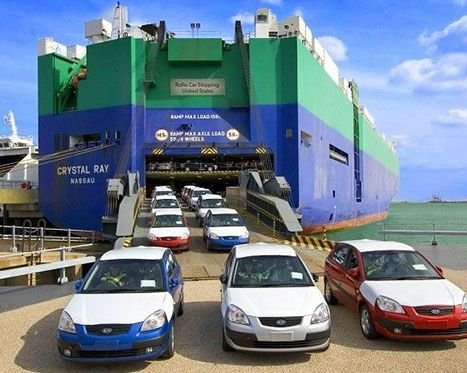
Image Source: www.simbashipping.com
Deciphering the Thai Vehicle Import Process
The process of importing used cars Thailand or new vehicles is governed by several Thai government departments, primarily the Department of Land Transport (DLT) and the Customs Department. It’s crucial to approach this with patience and thoroughness.
Eligibility for Importing a Car
Not everyone can simply import any car. Thailand has specific criteria for who can import a vehicle.
- Thai Nationals: Thai citizens can import vehicles, but they must have been residing abroad for at least 18 months prior to import. The vehicle must also have been owned and used by the individual abroad for at least six months.
- Foreign Nationals (with specific visa categories): Foreigners residing in Thailand on a long-term visa (such as an investor visa, retirement visa, or a work permit with a minimum one-year validity) may be eligible. Similar to Thai nationals, the car must have been owned and used abroad for at least six months and imported within a specific timeframe of their arrival or visa issuance.
- Diplomatic Missions and International Organizations: These entities have specific regulations and are often exempt from certain duties and taxes under international agreements.
Essential Documentation for Importing
Gathering the correct paperwork is paramount. Missing or incorrect documents can lead to significant delays or the rejection of your import application.
- Bill of Lading (for sea freight) or Air Waybill (for air freight): This document proves ownership and outlines the shipment details.
- Original Vehicle Registration Documents: From the country of origin, demonstrating the vehicle’s history and legal status.
- Import Declaration Form (Thai Customs): This is the core document for declaring the vehicle to Thai customs.
- Invoice or Purchase Agreement: Showing the vehicle’s value.
- Proof of Ownership: This could be the title deed or equivalent document from the exporting country.
- Letter of Guarantee from the Importer: A commitment to adhere to Thai regulations.
- Passport and Visa (for individuals): Valid proof of identity and legal residency status in Thailand.
- Work Permit (if applicable): For those importing under employment criteria.
- Bill of Entry: Issued by Thai Customs.
- Certificate of Conformity (COC): Often required to ensure the vehicle meets Thai emission and safety standards. This can be obtained from the manufacturer or a certified testing facility.
- Proof of Insurance: For the shipment and potentially for the vehicle upon arrival.
The Role of Thai Customs Car Import
The Thai Customs car import process is where the primary assessment of duties and taxes takes place. This is often the most significant financial hurdle.
Key Taxes and Duties Involved:
- Import Duty: This is a percentage of the CIF (Cost, Insurance, Freight) value of the vehicle. Rates can vary significantly based on the vehicle type and engine size.
- Excise Tax: This is calculated based on the engine capacity, horsepower, and type of vehicle. It’s often the largest component of the total tax burden.
- Value Added Tax (VAT): A 7% VAT is levied on the sum of the CIF value, import duty, and excise tax.
- Other Fees: There may be miscellaneous fees for inspections, processing, and other administrative requirements.
Calculating Thailand Car Import Duty and Taxes
The calculation of Thailand car import duty is complex and depends on several factors. It’s advisable to consult with a customs broker or use online calculators provided by reputable import services.
A simplified breakdown of the calculation:
- CIF Value: Cost of the vehicle + Insurance + Freight charges to Thailand.
- Import Duty: CIF Value × Import Duty Rate (%)
- Excise Tax: Calculated based on the vehicle’s specifications (engine size, type, etc.). The rates are tiered and can be quite high. For example, a common calculation involves a base percentage plus an additional percentage for engine displacement.
- VAT: (CIF Value + Import Duty + Excise Tax) × 7%
Example Scenario (Illustrative – actual figures may vary):
Let’s assume a car with a CIF value of 1,000,000 THB.
- Import Duty (e.g., 100% for some cars): 1,000,000 THB × 100% = 1,000,000 THB
- Excise Tax (e.g., 30% for a specific engine size): 1,000,000 THB × 30% = 300,000 THB
- VAT (7%): (1,000,000 THB + 1,000,000 THB + 300,000 THB) × 7% = 2,300,000 THB × 7% = 161,000 THB
Total Estimated Taxes: 1,000,000 (Import Duty) + 300,000 (Excise Tax) + 161,000 (VAT) = 1,461,000 THB
This example highlights that the total taxes can often exceed the original value of the car.
Navigating Thailand Car Shipping
Thailand car shipping is typically done via Ro-Ro (Roll-on/Roll-off) vessels or container shipping.
- Ro-Ro: The vehicle is driven onto the ship and secured. This is generally more cost-effective for single vehicles.
- Container Shipping: The vehicle is loaded into a shipping container, offering more protection but potentially higher costs.
Choosing a Shipping Company:
- Reputation: Opt for established shipping companies with experience in vehicle registration Thailand and automotive imports.
- Insurance: Ensure adequate insurance coverage for the journey.
- Cost: Get quotes from multiple companies.
- Transit Time: Factor in the shipping duration.
Vehicle Registration Thailand
Once your vehicle has cleared customs and all taxes have been paid, you’ll need to proceed with vehicle registration Thailand at the Department of Land Transport (DLT).
Steps for Registration:
- Vehicle Inspection: The DLT will inspect the vehicle to ensure it matches the documentation and meets Thai roadworthiness and emission standards. You may need to provide a Certificate of Conformity (COC) to facilitate this.
- Application Submission: Submit all required documents, including customs clearance, proof of ownership, and inspection reports.
- Payment of Registration Fees: These are separate from import taxes and cover number plates, registration books, and other administrative costs.
- Issuance of Registration: Upon successful completion, you will receive Thai license plates and a registration book.
Importing Used Cars Thailand: Additional Considerations
Importing used cars Thailand can be more challenging than importing new ones.
- Age Restrictions: There are often restrictions on the age of imported used cars.
- Condition: The vehicle’s condition is crucial for passing the DLT inspection.
- Compliance: Ensuring the used car meets current Thai emissions and safety standards can be difficult if it wasn’t originally manufactured for the Thai market.
- Right-Hand Drive: Thailand drives on the left, so importing a left-hand drive vehicle is permissible but may present some practical challenges for drivers accustomed to right-hand drive.
Temporary Car Import Thailand
For those visiting Thailand for an extended period, a temporary car import Thailand might be an option, though it’s less common for personal vehicles. This typically applies to:
- Motor Shows and Exhibitions: Vehicles brought in for display.
- Racing Events: Cars imported for specific motorsport competitions.
- Demonstration Purposes: Vehicles imported by manufacturers for testing or promotion.
A temporary car import Thailand usually involves a Carnet de Passages en Douane (CPD) or a temporary import permit, requiring a guarantee or bond. The vehicle must be re-exported within a specified period.
Weighing the Costs and Benefits
Before embarking on the Thai vehicle import process, a thorough cost-benefit analysis is essential.
Costs Involved:
- Purchase Price of the Vehicle
- Shipping Costs (including insurance)
- Import Duty
- Excise Tax
- VAT
- Customs Broker Fees (if used)
- Inspection Fees
- Registration Fees
- Potential Modifications to meet Thai standards
- Storage Fees (if applicable)
Potential Benefits:
- Personal Use: Bringing a familiar vehicle if you are relocating.
- Niche Vehicle: Importing a model not available in Thailand.
- Investment: In rare cases, certain classic or specialized vehicles might hold value, but this is highly speculative.
Considering the total landed cost (purchase price plus all import expenses) is critical. In many cases, the taxes and duties make importing a car into Thailand prohibitively expensive, and purchasing a vehicle locally is a more sensible option.
Expert Advice and Recommendations
Given the complexity, seeking professional help is highly recommended.
- Customs Brokers: Engage a reputable customs broker experienced in Thai customs car import. They can guide you through the documentation, liaise with authorities, and ensure compliance.
- Shipping Agents: Work with shipping agents who specialize in vehicle transport to Thailand.
- Legal Counsel: For complex situations or if you encounter significant issues, consulting a lawyer specializing in Thai import law can be beneficial.
Frequently Asked Questions (FAQ)
Q1: Can I import my car if I’m just visiting Thailand?
Generally, no. Temporary car import Thailand for personal vehicles of tourists is not the standard procedure. Tourists usually rely on rental cars or public transportation. Special permits may exist for very specific, temporary circumstances, but these are not for casual tourism.
Q2: What is the typical timeframe for importing a car?
The entire Thai vehicle import process, from shipping to registration, can take anywhere from 4 to 8 weeks, or even longer, depending on customs clearance efficiency, document accuracy, and any potential inspections or issues.
Q3: Are there any restrictions on the type of car I can import?
While there are no outright bans on specific models, your car must meet Thai emission and safety standards. Vehicles that are heavily modified or do not have readily available compliance data might face difficulties. The Thai government also aims to promote locally manufactured vehicles.
Q4: How much will it cost to import a car?
The cost is highly variable. It’s not uncommon for the total taxes and duties to be 150% to over 300% of the vehicle’s CIF value. A detailed calculation involving import duty, excise tax, and VAT is necessary to estimate the final cost.
Q5: Do I need to be a resident of Thailand to import a car?
Yes, to permanently import a vehicle, you generally need to be a Thai national or a foreigner with a valid long-term visa and work permit, meeting specific residency and ownership criteria.
Q6: Can I import a car that I bought second-hand abroad?
Yes, importing used cars Thailand is possible, provided you meet the eligibility criteria and the vehicle has been owned and used by you for at least six months prior to import. You will need all original ownership and registration documents from the country of origin.
Q7: What happens if my car doesn’t meet Thai standards?
If your car fails the inspection or doesn’t meet emission standards, you may be required to make modifications, which can be costly and time-consuming. In some cases, the vehicle might be denied registration or require re-exportation.
Q8: Is it cheaper to buy a car in Thailand or import one?
In almost all cases, it is significantly cheaper to buy a car locally in Thailand. The high import duties and taxes make importing a prohibitively expensive undertaking for most individuals.
Q9: Can I hire someone to handle the import process for me?
Yes, many people use experienced Thailand car shipping agents and customs brokers to manage the Thai vehicle import process. They have the expertise and contacts to navigate the complexities.
Q10: What about importing classic cars to Thailand?
Importing classic cars is possible, but specific regulations and tax structures might apply. You would still need to meet eligibility requirements, and the vehicle would need to be in good condition and potentially meet certain heritage criteria. The process remains complex.
In conclusion, while it is indeed possible to import a car to Thailand, it’s a venture that requires significant financial resources, meticulous attention to detail, and a thorough understanding of the regulations. For most individuals considering bringing car to Thailand, purchasing a vehicle within the country will be a far more practical and cost-effective solution.