
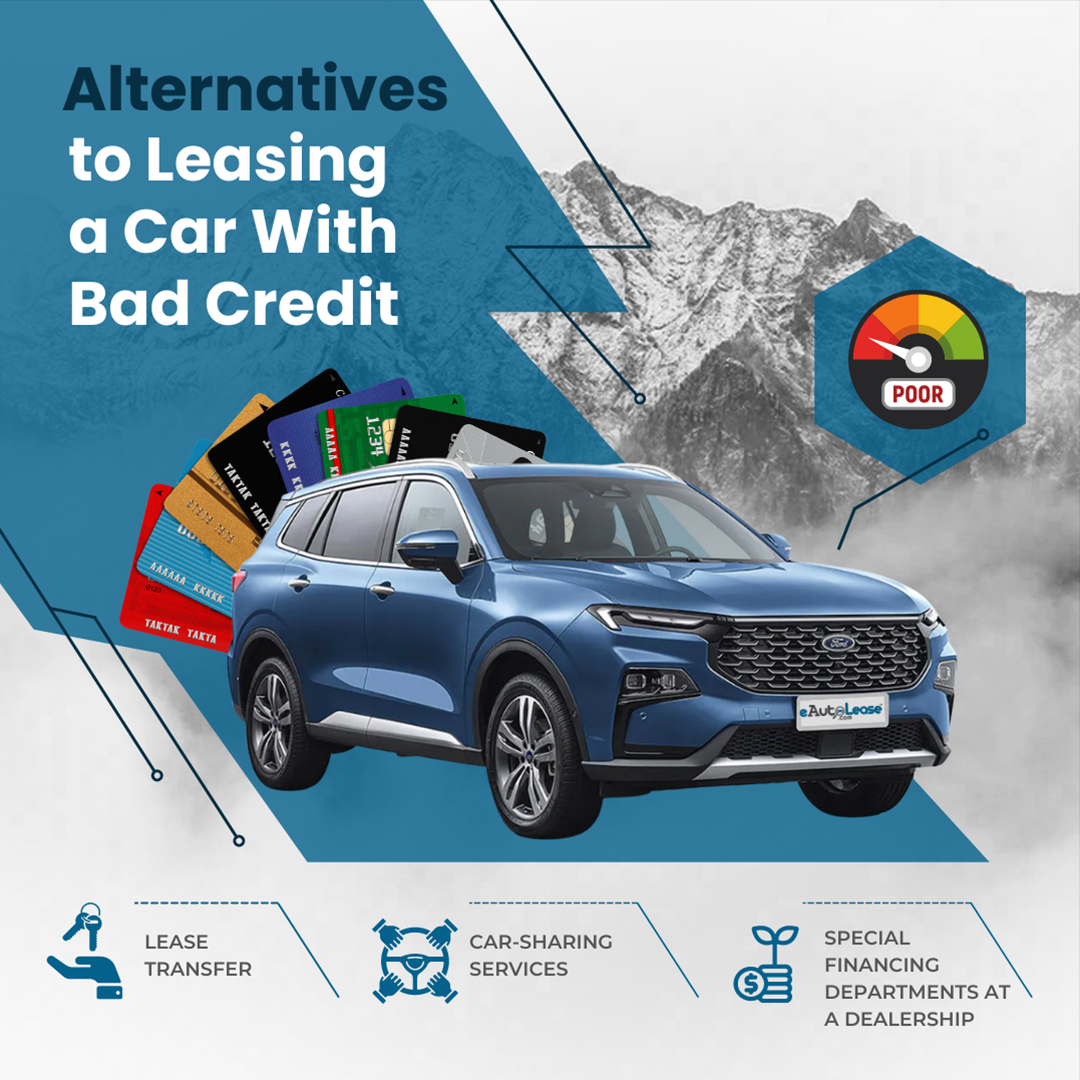
Image Source: www.eautolease.com
Lease a Car with Bad Credit: Can You Have Bad Credit and Lease a Car?
Yes, you can lease a car with bad credit, but it might be more challenging than if you had a good credit score. It often involves higher down payments, higher monthly payments, and potentially stricter lease terms. While direct no credit check car lease options are extremely rare and often predatory, many lenders specialize in subprime car leasing and bad credit car finance to help individuals with less-than-perfect credit histories get behind the wheel.
Navigating the World of Car Leasing with a Low Credit Score
Having a low credit score doesn’t automatically close the door on leasing a car. The automotive industry understands that life happens, and sometimes credit scores take a hit. This is where specialized financing options come into play. If you’re asking, “Can I lease a car with bad credit?”, the answer is a qualified yes. You’ll need to be prepared for a different process than someone with excellent credit.
Deciphering Subprime Car Leasing
Subprime car leasing refers to lease agreements offered to individuals who don’t qualify for prime interest rates due to their credit history. Lenders offering these leases take on more risk, so they compensate by charging higher interest rates and often requiring a larger down payment. This helps them mitigate potential losses if the lessee defaults on the payments. It’s crucial to approach subprime auto loans leasing with careful consideration.
Factors Influencing Your Ability to Lease with Bad Credit
Several elements will determine your success in leasing a car with a low credit score:
- Your Credit Score: Even within the “bad credit” category, there’s a range. Scores below 600 generally indicate subprime lending territory. The lower your score, the more challenging it will be, and the less favorable the terms will likely be.
- Your Debt-to-Income Ratio (DTI): This measures how much of your monthly income goes towards paying off debts. A lower DTI generally makes you a less risky borrower.
- Proof of Income: Stable and verifiable income is crucial. Lenders want to see that you can afford the monthly payments.
- Down Payment: A larger down payment significantly reduces the lender’s risk and can make them more willing to approve your lease.
- Trade-in Vehicle: If you have a vehicle to trade in, its value can be applied to the lease, lowering the amount you need to finance.
- Lease Term: Shorter lease terms might be more accessible, but they will have higher monthly payments.
- Vehicle Choice: Luxury or high-demand vehicles are often harder to lease with bad credit. Opting for a more budget-friendly and common model can increase your chances.
The Process of Leasing a Car with Poor Credit
When you lease a car with poor credit, the application process might feel more intense. Here’s a general breakdown:
- Credit Check: The first step, as with any lease, is a credit check. This will reveal your credit score and history.
- Application Review: Lenders will scrutinize your application, paying close attention to your income, employment history, and DTI.
- Offer Presentation: If approved, you’ll receive a lease offer. This is where you’ll see the interest rate (often referred to as the “money factor” in leasing), the monthly payment, down payment requirements, and any other fees.
- Negotiation (Limited): While negotiation is always possible in car leasing, your options might be more limited with bad credit. However, it’s still worth trying to negotiate the money factor or any fees.
- Lease Signing: If you accept the terms, you’ll sign the lease agreement.
Guaranteed Car Leasing Bad Credit: What Does it Really Mean?
The term “guaranteed car leasing bad credit” can be misleading. While some dealerships or lenders might advertise this, it’s rarely a true guarantee without any conditions. It usually means they specialize in working with subprime borrowers and have a higher likelihood of finding a lease for you, even with a poor credit history. However, approval is never 100% certain and is always subject to the lender’s assessment of your overall financial situation. Be wary of any offer that seems too good to be true.
Exploring Bad Credit Car Finance Options
Beyond traditional leasing, other bad credit car finance options might be available:
- Subprime Auto Loans Leasing: As mentioned, these are leases designed for those with lower credit scores.
- Dealership Financing: Many dealerships have relationships with various lenders, including those specializing in subprime loans. They can be a good starting point.
- Buy Here, Pay Here (BHPH) Dealerships: These dealerships finance vehicles directly from their own inventory. They often have less stringent credit requirements, but their interest rates can be very high, and the vehicle selection might be limited. These are generally not lease options but rather direct purchase loans.
- Credit Unions and Local Banks: Sometimes, smaller financial institutions are more willing to work with individuals with less-than-perfect credit, especially if you have an existing relationship with them.
Car Leasing with Bankruptcy: A Specific Scenario
If you have gone through bankruptcy, leasing a car can be possible, but it depends on the type of bankruptcy and how recently it was discharged.
- Chapter 7 Bankruptcy: If you’ve had your debts discharged under Chapter 7, lenders will look at your credit report to see how you’ve managed your finances since the discharge. A history of on-time payments after bankruptcy can help your case.
- Chapter 13 Bankruptcy: If you are currently in a Chapter 13 repayment plan, it might be harder to get approved for a new lease, as your disposable income is already committed to your repayment plan. However, it’s not impossible, especially if your trustee approves the lease as a necessity.
When you lease a car with bankruptcy on your record, expect higher interest rates and potentially a larger down payment. Lenders want to see that you have rebuilt some financial stability.
Understanding the Costs Associated with Bad Credit Leasing
Leasing a car with bad credit will almost certainly be more expensive. Be prepared for:
- Higher Monthly Payments: This is due to a higher money factor (interest rate).
- Larger Down Payment: Lenders often require more cash upfront to reduce their risk.
- Higher Acquisition Fees: The fee charged by the leasing company to set up the lease might be higher.
- Stricter Mileage Limits: You might face lower annual mileage allowances, and exceeding them will incur significant per-mile charges.
- Limited Vehicle Selection: You may have fewer vehicle choices, with newer, high-end models likely out of reach.
Table: Comparing Lease Terms for Good vs. Bad Credit
| Feature | Good Credit Score (700+) | Bad Credit Score (Below 600) |
|---|---|---|
| Money Factor (Rate) | Low (e.g., 0.0001 – 0.0015) | High (e.g., 0.0020 – 0.0040+) |
| Down Payment | Optional or lower | Often required, higher |
| Monthly Payment | Lower | Higher |
| Lease Terms | More flexible | Stricter, more conditions |
| Vehicle Selection | Wider | More limited |
| Mileage Limits | Standard (e.g., 12k-15k) | Potentially lower |
Alternatives to Leasing for Those with Bad Credit
If leasing proves too difficult or too expensive, consider these alternatives:
- Used Car Loans: Purchasing a used car outright with a loan might be more feasible. Lenders are often more lenient with used car loans for subprime borrowers than with new car leases.
- Certified Pre-Owned (CPO) Vehicles: CPO vehicles offer a good balance between new and used. They typically come with warranties and have undergone rigorous inspections, offering more peace of mind than a standard used car. Many dealerships offer financing for CPO vehicles to buyers with less-than-perfect credit.
- Secured Loans: Using an asset you own (like savings in an account) as collateral for a loan can help secure financing even with bad credit.
- Saving for a Down Payment: The more you can save for a down payment on a purchase, the less you’ll need to finance, making it easier to get approved for a loan.
- Improving Your Credit Score: This is the most sustainable long-term solution. Focus on paying bills on time, reducing debt, and disputing any errors on your credit report.
Bad Credit Car Rentals: A Temporary Solution?
While not a direct leasing solution, bad credit car rentals can serve as a temporary means of transportation. Many rental companies have less strict requirements than lease agreements. However, rental costs are typically much higher than lease payments, making them an unsustainable long-term solution for regular transportation needs.
Tips for Securing a Lease with Bad Credit
- Shop Around: Don’t accept the first offer you receive. Compare deals from multiple dealerships and lenders.
- Be Realistic: Understand that you likely won’t get the best rates or terms. Focus on getting a reliable vehicle that you can afford.
- Get Pre-Approved: Before visiting a dealership, try to get pre-approved for a lease or loan from an independent lender or credit union. This gives you a baseline to compare dealership offers against.
- Consider a Co-signer: If you have a friend or family member with excellent credit who is willing to co-sign, it can significantly improve your chances of approval and potentially secure better terms. Be aware that the co-signer is equally responsible for the lease payments.
- Negotiate the Price of the Car: The lease payment is based on the car’s price (the capitalized cost), your down payment, the residual value, and the money factor. Negotiate the selling price of the car itself, as this will impact your overall lease cost.
- Read the Fine Print: Thoroughly review all lease agreements before signing. Pay close attention to mileage restrictions, wear and tear clauses, early termination fees, and any additional charges.
The Importance of Building Credit
Ultimately, the best way to lease a car with favorable terms is to improve your credit score. This takes time and consistent effort:
- Pay Bills On Time: Payment history is the most significant factor in your credit score.
- Reduce Debt: Lowering your credit utilization ratio (the amount of credit you’re using compared to your total available credit) can boost your score.
- Avoid Opening Too Many New Accounts: This can temporarily lower your score.
- Check Your Credit Report Regularly: Dispute any errors you find.
By focusing on these steps, you can gradually improve your creditworthiness and open up more leasing and financing options in the future.
Frequently Asked Questions (FAQ)
Q1: Can I lease a new car with a very low credit score (e.g., below 500)?
A1: It is extremely difficult, but not entirely impossible, to lease a new car with a credit score below 500. You would likely need a substantial down payment, a co-signer with excellent credit, and be prepared for very high monthly payments and strict terms. Many lenders in the subprime car leasing market may still consider such applications, but the risk for the borrower is significantly higher.
Q2: What is a “money factor” in a lease, and how does it relate to my credit score?
A2: The money factor is essentially the interest rate for a lease. It’s expressed as a decimal (e.g., 0.0025). To convert it to an approximate annual percentage rate (APR), you multiply it by 2400. For example, a money factor of 0.0025 is roughly equivalent to a 6% APR (0.0025 * 2400 = 6). Individuals with bad credit are typically offered higher money factors, leading to higher monthly payments.
Q3: Are there specific dealerships that specialize in helping people with bad credit lease cars?
A3: Yes, some dealerships actively market themselves as specialists in bad credit car finance and leasing. They often have established relationships with subprime lenders. However, it’s crucial to approach these dealerships with caution, do your research, and compare their offers with those from other sources.
Q4: What happens if I exceed the mileage limit on a lease when I have bad credit?
A4: Exceeding the mileage limit on a lease will result in per-mile charges at the end of the lease term. For individuals with bad credit, these charges can be particularly burdensome, and lenders may be less flexible in negotiating them compared to borrowers with good credit. It’s essential to accurately estimate your annual mileage needs to avoid these costly penalties.
Q5: Is no credit check car lease a real option?
A5: True no credit check car lease options are virtually non-existent in the legitimate automotive market. Any offer that claims “no credit check” should be treated with extreme suspicion, as it often points to predatory lending practices with exorbitant interest rates and unfavorable terms, if it’s not a scam altogether. Responsible leasing always involves a credit assessment.