
Yes, you absolutely can get a herniated disc from a car accident. The sudden, forceful impact experienced in a collision can cause significant trauma to your spine, leading to this painful condition.
Car accidents are a leading cause of severe back pain, and one of the most common culprits behind this discomfort is a herniated disc. If you’ve been in a car crash and are experiencing persistent back pain, numbness, or tingling, it’s crucial to seek medical attention. This article will delve into how car accidents can lead to herniated discs, the symptoms to watch for, and what steps you can take to recover and seek compensation for your injuries.
Image Source: images.squarespace-cdn.com
The Mechanics of Spinal Damage in Car Accidents
A car accident, regardless of its perceived severity, subjects the body to immense forces. When a vehicle crashes, it rapidly decelerates or changes direction. Your body, due to inertia, continues to move at the speed the car was traveling before impact. This sudden change in motion can cause your spine to twist, bend, or extend beyond its normal range of motion. This violent movement is a primary source of car crash spinal damage.
Forces at Play During a Collision
- Impact Force: The direct force of one vehicle hitting another.
- Deceleration Force: The sudden stop when the car collides with an object or another vehicle.
- Acceleration Force: The rapid forward or backward movement of the body within the vehicle.
- Rotational Force: Twisting or shearing forces applied to the spine.
These forces can overload the delicate structures of the spine, including the vertebrae, ligaments, muscles, and the intervertebral discs.
What is a Herniated Disc?
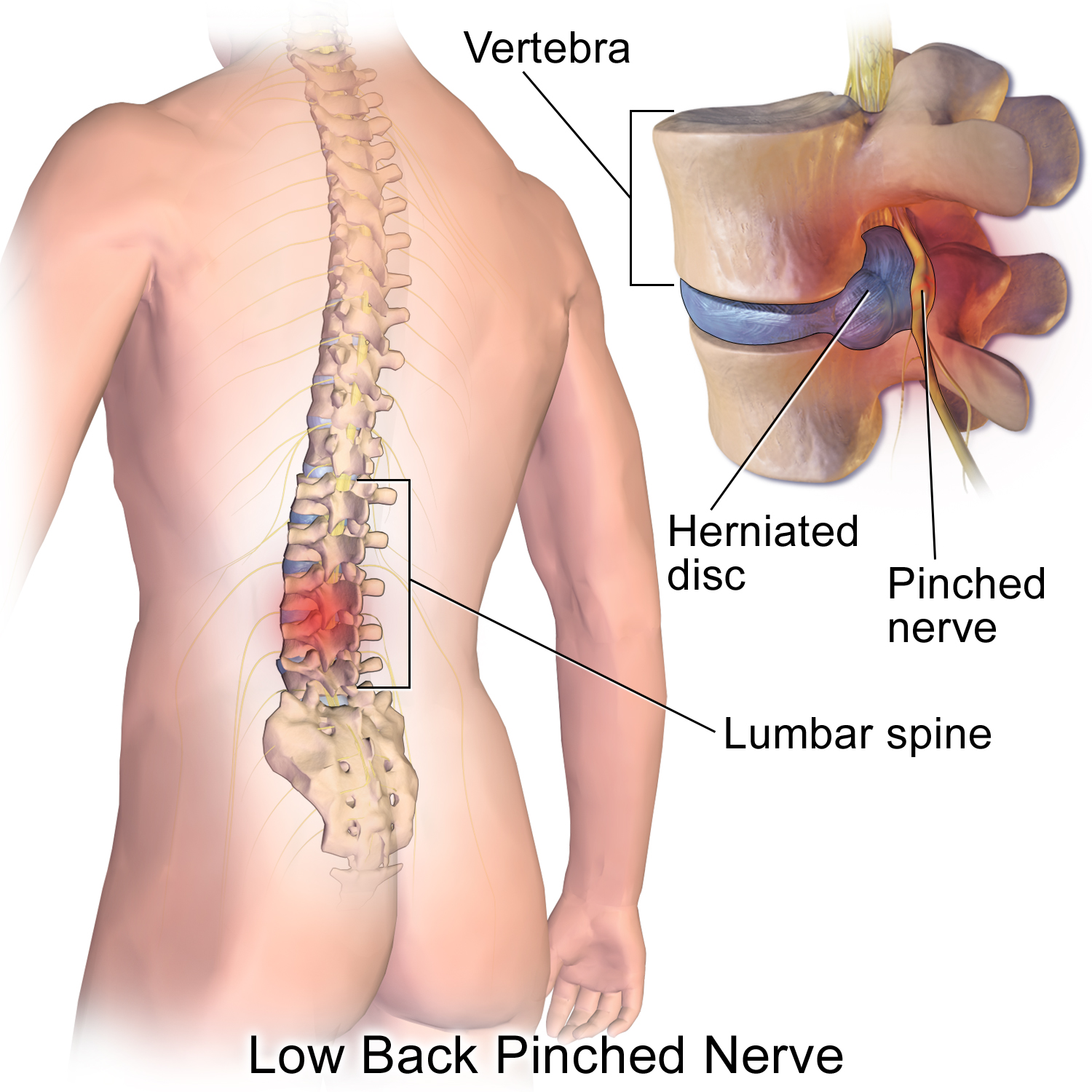
To grasp how a car accident can cause a herniated disc, it’s important to first understand what a disc is. Intervertebral discs are soft, gel-like cushions that sit between the bones of your spine (vertebrae). They act as shock absorbers, allowing your spine to move freely and absorb the impact of everyday activities. Each disc has a tough, fibrous outer ring called the annulus fibrosus and a soft, jelly-like center called the nucleus pulposus.
A herniated disc, also known as a slipped, ruptured, or bulging disc, occurs when the soft nucleus pulposus pushes through a tear or weakness in the tougher outer annulus fibrosus. This extrusion of disc material can then press on nearby spinal nerves, causing pain, numbness, weakness, and other neurological symptoms. This specific type of injury is often referred to as disc herniation trauma.
How Car Accidents Cause Herniated Discs
The sudden and often violent nature of car accidents creates the perfect conditions for a trauma induced disc herniation. The forces involved can directly impact the discs or indirectly stress them to the point of rupture.
Direct Trauma to the Spine
In severe accidents, direct impact to the back can occur. For instance, if your back hits the seat, the dashboard, or another hard surface, this direct force can compress or crush the discs, causing them to herniate.
Sudden Twisting and Flexion/Extension
The most common mechanism for disc herniation in car accidents involves sudden, extreme movements of the spine.
- Rear-End Collisions: These are notorious for causing whiplash injury. The head and neck are violently thrown backward (hyperextension) and then forward (hyperflexion). This rapid, exaggerated motion can strain the discs in the cervical spine (neck), leading to a cervical disc injury car accident.
- Head-On Collisions: The body is thrust forward, and then the seatbelt restrains it. This can cause significant flexion of the spine, especially in the lumbar region (lower back), potentially resulting in a lumbar herniation accident.
- Side-Impact Collisions: These can cause the spine to twist or bend sideways, putting abnormal stress on the intervertebral discs.
The Role of Whiplash Injury
Whiplash injury is a common consequence of car accidents, particularly rear-end collisions. While often associated with neck pain and stiffness, whiplash can also affect the lumbar spine and lead to disc problems. The rapid acceleration-deceleration forces that cause the neck to whip back and forth can also transmit force down the spine, stressing the intervertebral discs in the lower back. The combination of whiplash symptoms herniated disc is not uncommon, as the same traumatic event can damage multiple spinal segments.
Increased Intra-Discal Pressure
The forces experienced in a car accident dramatically increase the pressure within the intervertebral discs. This heightened pressure, especially when combined with a sudden twisting or bending motion, can cause the annulus fibrosus to tear, allowing the nucleus pulposus to escape.
Symptoms of a Herniated Disc After a Car Accident
It’s important to note that not all herniated discs cause immediate or obvious symptoms. Sometimes, the pain can develop days or even weeks after the accident. However, recognizing the potential signs is crucial for timely diagnosis and treatment.
Common symptoms of a herniated disc resulting from a car accident include:
- Localized Pain: Pain in the neck or lower back, depending on the location of the herniated disc. This pain can range from a dull ache to a sharp, shooting sensation.
- Radiating Pain: Pain that travels down the arms (from a cervical herniation) or legs (from a lumbar herniation). This often follows the path of the compressed nerve.
- Numbness or Tingling: A “pins and needles” sensation in the arms, hands, legs, or feet.
- Muscle Weakness: Difficulty moving a limb or experiencing a loss of strength in the affected area.
- Loss of Reflexes: A diminished or absent reflex in the affected limb.
- Bowel or Bladder Dysfunction: In rare but severe cases, a herniated disc can compress the nerves controlling bowel and bladder function, requiring immediate medical attention.
Differentiating Herniated Disc Symptoms from General Auto Accident Back Pain
Auto accident back pain can be caused by many things, including muscle strains, ligament sprains, and bruises. It’s essential to distinguish these from the specific symptoms of a herniated disc, which often involve nerve compression.
- Muscle Strain/Sprain: Typically causes localized pain and stiffness that improves with rest and conservative treatment.
- Herniated Disc: Often characterized by radiating pain, numbness, tingling, and weakness, which are indicative of nerve involvement.
If your back pain is accompanied by any of these neurological symptoms, it’s more likely to be a herniated disc or another form of spinal cord injury or nerve damage.
Diagnosis and Medical Evaluation
If you suspect you have a herniated disc after a car accident, seeking prompt medical attention is vital. A doctor will conduct a thorough physical examination and may order imaging tests to confirm the diagnosis.
Medical History and Physical Examination
The doctor will ask about the details of the accident, your symptoms, and your medical history. During the physical exam, they will assess your range of motion, muscle strength, reflexes, and sensation. They may also perform specific tests to pinpoint the source of your pain and nerve irritation.
Diagnostic Imaging Tests
- X-rays: While X-rays can show the alignment of your spine and detect bone problems like fractures, they do not clearly visualize soft tissues like discs or nerves.
- MRI (Magnetic Resonance Imaging): This is the gold standard for diagnosing herniated discs. MRI provides detailed images of the soft tissues, allowing doctors to see the exact location and extent of the disc herniation and any pressure on the nerves.
- CT Scan (Computed Tomography): CT scans can also provide detailed images of the spine and may be used if an MRI is not possible.
- Myelogram: In some cases, a myelogram might be performed, where a contrast dye is injected into the spinal canal, followed by X-rays or CT scans. This helps highlight the spinal cord and nerve roots, revealing any compression.
Treatment Options for Herniated Discs
The treatment approach for a herniated disc following a car accident depends on the severity of the herniation, the symptoms experienced, and the individual’s overall health. The goal is to reduce pain, improve function, and prevent further nerve damage.
Non-Surgical Treatments
Most herniated discs can be managed effectively with conservative treatments.
- Rest and Activity Modification: Initially, rest may be recommended, but prolonged inactivity can weaken muscles. Gradually returning to light activity is usually encouraged. Avoiding activities that aggravate the pain is crucial.
- Medications:
- Pain Relievers: Over-the-counter pain relievers like ibuprofen or naproxen can help reduce inflammation and pain.
- Muscle Relaxants: May be prescribed to ease muscle spasms.
- Nerve Pain Medications: Medications like gabapentin or pregabalin can help manage nerve-related pain, numbness, and tingling.
- Physical Therapy: A tailored physical therapy program can be highly beneficial. Therapists can teach exercises to strengthen back and abdominal muscles, improve posture, increase flexibility, and reduce pressure on the nerves. Techniques like traction may also be used.
- Epidural Steroid Injections: These injections deliver anti-inflammatory medication directly to the area around the affected nerve root. They can provide significant relief from pain and inflammation, although the effects are often temporary.
Surgical Treatments
Surgery is typically considered only if conservative treatments fail to provide relief after a significant period or if there are signs of severe nerve compression, such as progressive muscle weakness or loss of bowel or bladder control.
- Discectomy: This procedure involves removing the portion of the disc that is pressing on the nerve.
- Laminectomy: This involves removing a small part of the vertebra (lamina) to create more space for the nerves.
- Spinal Fusion: In some cases, a spinal fusion may be performed to stabilize the spine after a discectomy, especially if multiple discs are involved or if the spine is unstable.
The Legal and Financial Aspects: Back Injury Settlement
If your herniated disc was caused by a car accident, you may be entitled to compensation for your injuries, medical expenses, lost wages, and pain and suffering. Navigating the legal process to secure a back injury settlement can be complex.
Proving Causation
The most critical element in any personal injury claim is proving that the car accident directly caused your herniated disc. This requires strong medical evidence linking the trauma of the crash to your condition.
- Medical Records: Comprehensive medical records documenting your initial treatment after the accident, diagnosis of the herniated disc, and ongoing treatment are essential.
- Doctor’s Testimony: A medical expert’s testimony can be crucial in explaining how the accident caused your disc herniation.
- Imaging Studies: MRI scans showing the herniated disc and any evidence of trauma can serve as powerful evidence.
Factors Influencing Settlement Amounts
The value of a back injury settlement can vary greatly depending on several factors:
- Severity of the Injury: The extent of the disc herniation and the resulting pain and disability.
- Medical Expenses: The cost of past, present, and future medical treatment, including doctor’s visits, physical therapy, medications, and surgery.
- Lost Wages: Income lost due to being unable to work because of the injury, as well as future earning capacity if the injury impacts your ability to perform your job.
- Pain and Suffering: Compensation for the physical pain, emotional distress, and loss of enjoyment of life caused by the injury.
- Duration of Recovery: How long it takes to recover and whether the injury has long-term or permanent effects.
- Insurance Policy Limits: The amount of insurance coverage available from the at-fault party.
Seeking Legal Counsel
It is highly advisable to consult with a personal injury attorney who specializes in car accident cases. An experienced attorney can:
- Investigate the accident and gather evidence.
- Obtain all necessary medical records and expert opinions.
- Negotiate with insurance companies on your behalf.
- File a lawsuit if a fair settlement cannot be reached.
- Represent you in court.
Long-Term Outlook and Recovery
The recovery period for a herniated disc following a car accident can vary significantly. Some individuals experience a full recovery with conservative treatment, while others may have persistent pain or long-term complications.
Factors Affecting Recovery
- Age: Younger individuals tend to heal faster.
- Overall Health: Pre-existing conditions can affect recovery.
- Severity of Herniation: More severe herniations may take longer to heal.
- Adherence to Treatment Plan: Consistently following medical advice and physical therapy is crucial.
- Lifestyle: Factors like smoking, obesity, and lack of exercise can impede healing.
Potential Long-Term Effects
While many people recover fully, some may experience:
- Chronic Pain: Persistent back or radiating pain.
- Nerve Damage: Lasting numbness, tingling, or weakness.
- Reduced Mobility: Limitations in movement and flexibility.
- Increased Risk of Future Problems: A herniated disc can make the spine more susceptible to future injuries.
It’s important to maintain a healthy lifestyle, including regular exercise and proper posture, to support spinal health and reduce the risk of recurrence.
Frequently Asked Questions (FAQ)
Q1: How soon after a car accident can a herniated disc develop?
A herniated disc can develop immediately after the accident due to the sudden trauma, or symptoms can emerge days, weeks, or even months later as inflammation increases or the disc material continues to press on a nerve.
Q2: What is the difference between a bulging disc and a herniated disc?
A bulging disc occurs when the disc’s outer layer weakens and protrudes outwards, but the inner gel hasn’t escaped. A herniated disc is when the inner gel pushes through a tear in the outer layer. Both can cause nerve compression.
Q3: Can a herniated disc heal on its own?
In some cases, the body can reabsorb some of the herniated disc material, and inflammation can subside, leading to symptom improvement. However, significant herniations or those causing severe nerve compression may require medical intervention.
Q4: What are the most common symptoms of a herniated disc in the neck after a car accident?
Symptoms typically include neck pain, pain that radiates down the arm, numbness or tingling in the arm or hand, and muscle weakness in the arm or hand.
Q5: What should I do if I think I have a herniated disc after a car accident?
Seek immediate medical attention from a doctor or go to an emergency room. Document all your symptoms and the circumstances of the accident. Consult with a personal injury attorney to discuss your legal options.
Q6: How does whiplash relate to a herniated disc?
Whiplash is a neck injury caused by sudden back-and-forth movement. The forces involved in whiplash can also stress the discs in the neck and, in some cases, transmit forces down the spine, potentially leading to disc herniation in the cervical or even lumbar regions.
Q7: Is it possible to have a herniated disc without pain?
Yes, it is possible to have a herniated disc without experiencing any pain, especially if the herniated material is not pressing on a nerve. However, symptoms may develop later.
Q8: What is the typical settlement amount for a herniated disc from a car accident?
There is no “typical” settlement amount, as each case is unique. Settlements depend on the severity of the injury, medical costs, lost income, and the specific details of the accident and the parties involved.
In conclusion, car accidents can undeniably cause herniated discs through the intense forces they impart on the spine. Recognizing the signs, seeking prompt medical care, and understanding your legal rights are crucial steps in recovering from such a debilitating injury. Don’t underestimate the potential impact of a car crash on your spinal health.