
Yes, you can get a car wash after tinting your windows, but you need to wait for the tint to fully cure and follow specific best practices to avoid tint damage. This guide will walk you through the essential steps for a safe car wash after tinting, covering everything from the crucial waiting period to the types of washes to consider and how to maintain your newly tinted windows.
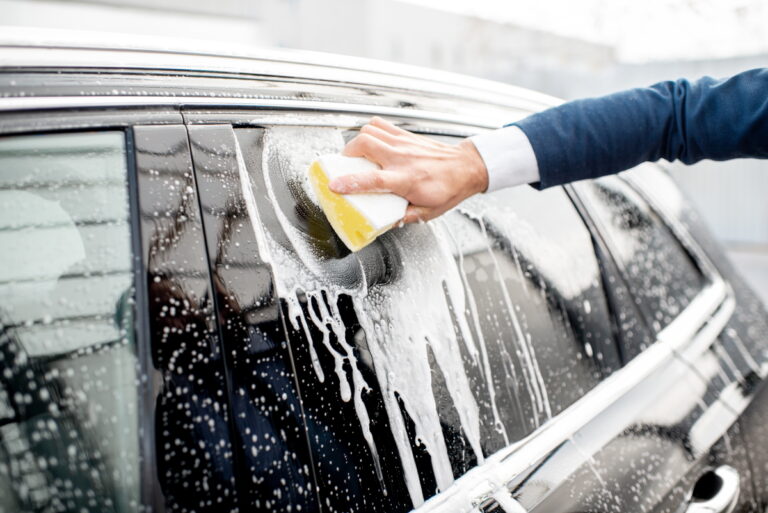
Image Source: qualityautoglasstint.com
The Crucial Waiting Period Before Your First Car Wash
After having your windows tinted, patience is key. The adhesive used to bond the window film to your glass needs time to dry and harden completely. This process is called curing. Rushing to a car wash after tinting before the film has cured can lead to serious problems, including bubbling, peeling, or even displacement of the tint.
How Long Does Tinting Need to Cure?
The tint curing time car wash consideration is paramount. Most professional installers will advise you to wait a specific period before exposing your newly tinted windows to moisture. This waiting period typically ranges from 24 hours to 7 days, depending on the type of film used, humidity levels, and temperature.
- Low Humidity/High Temperature: Curing might be faster.
- High Humidity/Low Temperature: Curing will take longer.
It’s always best to follow the specific instructions provided by your tint installer. They know the products they use and can give you the most accurate timeline. Don’t guess; ask!
Preparing Your Tinted Windows for a Wash
Once your tint has had sufficient time to cure, you can proceed with washing. However, there are specific methods and precautions to take to ensure tint protection car wash practices are followed. The goal is to clean your windows without compromising the integrity of the window film.
What to Do Before You Wash
- Confirm Curing: Double-check that the recommended curing time has passed. Look for any signs of moisture trapped behind the film or cloudy areas. If anything looks off, wait longer.
- Gather Supplies: Have the right cleaning supplies ready. This is crucial for effective window film care after wash.
- Clean, lint-free microfiber cloths.
- A mild, non-ammonia glass cleaner.
- A bucket of clean water (for rinsing tools).
- A soft-bristle brush or sponge for exterior washing (if doing it yourself).
- Understand the Goal: The primary aim is to remove dirt and grime without scratching the tint or using harsh chemicals that can degrade the film’s adhesive or coating.
Best Practices for Washing Tinted Windows
When it comes to car wash tinting advice, the emphasis is always on gentleness and the right products. Aggressive cleaning can undo the installer’s hard work.
Hand Wash After Tinting: The Safest Approach
A hand wash after tinting is generally the safest and most recommended method for the first few washes and for ongoing maintenance. This gives you complete control over the process and the pressure applied.
Step-by-Step Hand Washing Guide:
- Rinse Thoroughly: Start by gently rinsing the windows with a hose to remove loose dirt and debris. This prevents scratching during the washing phase.
- Gentle Soaping: Use a car wash soap specifically designed for automotive use. Mix it with water in a bucket.
- Soft Washing Tools: Use a soft microfiber wash mitt or a clean, soft sponge. Avoid abrasive brushes or scouring pads at all costs.
- Wash in Sections: Wash small sections of the window at a time, rinsing your wash mitt frequently in the clean water bucket to remove any grit.
- Rinse Again: Thoroughly rinse the soap off the windows.
- Drying: Use clean, lint-free microfiber drying towels. Gently blot or wipe the windows dry. Avoid rubbing too aggressively.
Navigating Automatic Car Washes: Proceed with Extreme Caution
While tempting, automatic car washes can be a risky business for freshly tinted windows. The brushes and high-pressure water jets can cause damage.
Risks Associated with Automatic Car Washes:
- Abrasive Brushes: The spinning brushes in many automatic washes can scratch or even peel the window film, especially if the tint is not fully cured.
- High-Pressure Water: While designed to clean, high-pressure water can potentially force its way between the film and the glass, leading to separation or bubbling.
- Harsh Chemicals: Some automatic washes use strong detergents that might not be compatible with window tint and could degrade the adhesive or tint coating over time.
When Can You Consider an Automatic Wash?
If you absolutely must use an automatic car wash, wait until your tint has been fully cured for at least a month. Even then, opt for the gentlest wash cycle available, preferably one that uses cloth or foam brushes rather than bristles, and avoid the high-pressure spray functions on the windows.
- Touchless Washes: These are a slightly safer alternative to brush washes, but the high-pressure spray can still be a concern.
- Waterless Washes: These are generally not recommended for heavily soiled vehicles, as they can potentially trap dirt and cause scratches.
Professional Tint Cleaning and Maintenance
For the best results and to ensure tinting window cleaning is done correctly, consider taking your vehicle to a professional detailer. They have the expertise and specialized products for proper professional tint cleaning.
What Professionals Can Offer:
- Correct Curing Time Knowledge: They understand the nuances of different tint films and curing processes.
- Specialized Cleaning Solutions: They use pH-neutral soaps and ammonia-free glass cleaners that are safe for window tint.
- Proper Drying Techniques: They utilize high-quality microfiber towels and air blowers to dry windows effectively without streaks or damage.
- Ongoing Care Advice: They can provide tailored advice for maintaining your tint’s appearance and longevity.
Avoiding Tint Damage Car Wash Scenarios
The key to a long-lasting tint job is avoiding tint damage car wash mistakes. Awareness of potential pitfalls is half the battle.
Common Mistakes to Avoid:
- Using Ammonia-Based Cleaners: Ammonia is a powerful solvent that can break down the adhesive in window film, causing it to peel or discolor. Always check your glass cleaner labels.
- Scraping or Scrubbing: Never use razor blades, abrasive sponges, or stiff brushes on tinted windows. Even a small scratch can compromise the film.
- Excessive Pressure: Whether with a hose or a cleaning tool, avoid applying excessive pressure directly to the tint.
- Dirty Water/Tools: Always use clean water and clean microfiber cloths. Introducing grit from dirty tools will cause scratches.
- Ignoring the Curing Time: This is the most critical mistake. Waiting is essential.
Specific Recommendations for Interior Cleaning
Cleaning the inside of your tinted windows requires just as much care as the outside.
- Interior Cleaning: When cleaning the interior of your windows, use a glass cleaner specifically labeled as “ammonia-free.” Spray the cleaner onto the microfiber cloth, not directly onto the window. This prevents overspray onto other interior surfaces and ensures the cleaner doesn’t seep into the edges of the tint.
- Gentle Wiping: Wipe the glass gently in a consistent pattern (e.g., horizontal for one window, vertical for the next) to avoid streaks.
Types of Car Washes and Their Impact on Tint
Let’s break down different car wash methods and their suitability for tinted windows.
| Car Wash Type | Suitability for Tinted Windows | Precautions |
|---|---|---|
| Hand Wash | Excellent (Recommended, especially within the first month of tinting) | Use mild soap, soft mitts, and clean microfiber drying towels. |
| Touchless Wash | Good (Can be considered after full curing, but with caution) | Avoid high-pressure sprays directed at window edges. Opt for gentler wash cycles. |
| Automatic Brush Wash | Poor to Fair (Not recommended, especially with modern brush types) | Only consider after significant curing (months) and choose the gentlest cycle with soft cloth/foam brushes. |
| Self-Serve Bay | Fair (Requires careful operation) | Use the lowest pressure setting for the spray wand. Avoid direct high-pressure spray on tint edges. |
| Waterless Wash | Fair (Only for light dust; requires clean towels and careful technique) | Not ideal for dirty vehicles; risk of scratching if not done properly. |
| Detailing Service | Excellent (Highly recommended for safe and effective cleaning) | Professionals use appropriate products and techniques for tint protection. |
Frequently Asked Questions (FAQ)
Here are some common questions people have about washing their newly tinted cars.
Q1: Can I use regular Windex on my tinted windows?
A1: No. Regular Windex and most other standard glass cleaners contain ammonia, which can damage window tint. Always opt for an ammonia-free glass cleaner.
Q2: How soon can I clean the inside of my tinted windows?
A2: Similar to the exterior, it’s best to wait for the tint to cure. Most installers recommend waiting at least 7 days before cleaning the interior. When you do, use an ammonia-free cleaner and a microfiber cloth, spraying the cleaner onto the cloth rather than the glass.
Q3: My tint has a few water spots. Can I wipe them off?
A3: If the tint is not fully cured, avoid wiping. If it is cured, use a clean, damp microfiber cloth very gently to remove light water spots. For stubborn spots, use an ammonia-free glass cleaner on a microfiber cloth.
Q4: Is it okay to use a squeegee on my tinted windows?
A4: It’s generally best to avoid squeegees on tinted windows, especially during the initial curing period. If you must use one after curing, ensure it’s clean, the window is well-lubricated with an appropriate cleaner, and apply very light pressure. Microfiber cloths are a safer bet for drying.
Q5: What if I see tiny bubbles after washing?
A5: Small water bubbles or pockets are normal in the first few days after tinting. They should evaporate as the tint continues to cure. If you see larger bubbles or peeling at the edges, contact your installer immediately. If they appear after a wash and the tint is cured, it might indicate a faulty installation or that the wash was too aggressive.
Q6: How often should I wash my car after tinting?
A6: You can wash your car as needed. The main consideration is the method and products used, especially in the weeks following the tinting. Regular, gentle hand washing will prolong the life and appearance of your tint.
Maintaining Your Tinted Windows for Longevity
Proper care goes beyond the first wash. Consistent good practices will ensure your window tint looks great for years.
- Regular Gentle Cleaning: Stick to microfiber cloths and ammonia-free cleaners for routine cleaning.
- Address Dirt Promptly: Don’t let dirt and grime build up significantly, as it will require more aggressive cleaning methods.
- Inspect Periodically: Keep an eye on the tint for any signs of peeling, bubbling, or discoloration, which might indicate an issue with the film or installation.
- Protect Against Scratches: Be mindful of sharp objects or abrasive materials that could come into contact with your windows.
By adhering to these best practices, you can enjoy the benefits of tinted windows – enhanced privacy, reduced glare, UV protection, and improved aesthetics – without compromising their quality or durability. Remember, the initial waiting period and gentle cleaning are your best allies in window film care after wash.