
Yes, it is possible to get a car lease with bad credit, though it often comes with higher costs and stricter terms. While a strong credit score significantly improves your chances and the deals you receive, many dealerships and lenders specialize in bad credit car financing and offer car leasing with poor credit. Navigating this landscape requires a proactive approach, a thorough understanding of your options, and a willingness to work with lenders who offer subprime car leasing options.
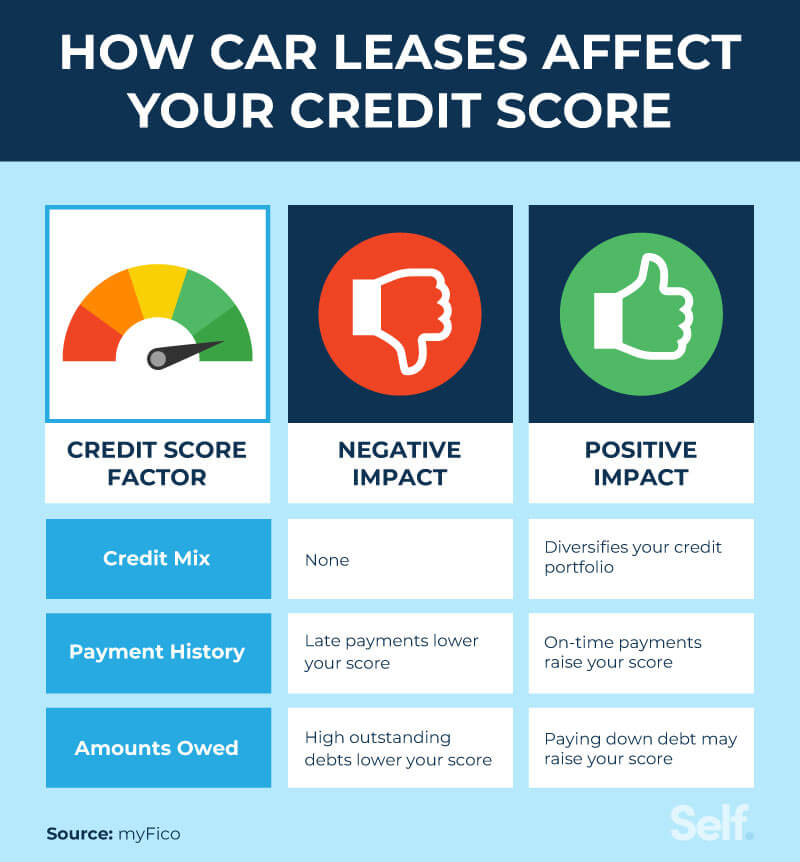
Image Source: images.ctfassets.net
Deciphering Your Credit Score and Leasing
Your credit score is a three-digit number that lenders use to assess your creditworthiness. It’s a crucial factor in determining whether you’ll be approved for a car lease and at what terms. Generally, a score of 670 and above is considered good, while anything below 580 is often classified as bad credit. If your credit score falls into the “poor” or “fair” categories, securing a traditional lease can be challenging. However, this doesn’t mean it’s impossible to drive a newer car.
What Your Credit Score Means for Leasing
- Interest Rates (Money Factor): For leases, this is akin to an interest rate. A lower credit score means a higher money factor, leading to more expensive monthly payments.
- Down Payment: Expect to put down a larger down payment to offset the increased risk for the lender.
- Lease Term: Lenders might offer shorter lease terms to reduce their exposure.
- Mileage Restrictions: While standard on all leases, stricter limits might be imposed.
- Vehicle Selection: You may have fewer vehicle choices, with lenders often steering subprime borrowers towards more affordable or certified pre-owned vehicles.
Navigating the Lease Market with Bad Credit
Getting approved for a car lease with bad credit is often about finding the right dealerships and understanding the specific products designed for individuals in this situation. Many dealerships actively seek out customers with less-than-perfect credit, knowing they can still make a profit.
Where to Look for Subprime Car Leasing Options
- Dealerships with In-House Financing: Some dealerships have their own financing departments that can approve leases directly. These departments are often more flexible with credit requirements than traditional banks or credit unions. They may also have established relationships with subprime auto loans providers.
- Dealerships Specializing in Bad Credit: Look for dealerships that advertise “bad credit car deals” or “no credit car leases.” These businesses are geared towards assisting buyers with a lower credit score and often have a wider array of car loans for bad credit and leasing programs available.
- Online Lenders and Brokers: The internet has opened up numerous avenues. Many online lenders and brokers focus on financing a car with low credit score and can connect you with leasing programs. Be sure to research their reputation and read reviews before applying.
- Credit Unions: While credit unions are typically more risk-averse, some may offer more favorable terms than other institutions, especially if you have a history with them.
Applying for Car Lease with Bad Credit: Key Steps
Applying for a car lease with bad credit requires a strategic approach to maximize your chances of approval and secure the best possible terms.
- Check Your Credit Report: Before you even start looking at cars, obtain copies of your credit reports from Equifax, Experian, and TransUnion. Dispute any errors you find, as these can unfairly drag down your score.
- Know Your Credit Score: While a full report is essential, having a general idea of your score will help you set realistic expectations.
- Determine Your Budget: Calculate how much you can realistically afford for a monthly lease payment, insurance, and fuel. Don’t forget potential down payments and fees.
- Get Pre-Approved: Even with bad credit, getting pre-approved for a loan or lease from a lender before visiting a dealership can give you leverage. This shows you’re a serious buyer and provides a benchmark for the dealership’s offers.
- Be Prepared for a Higher Down Payment: Lenders see a down payment as a sign of commitment and a way to reduce their risk. For those with bad credit, this down payment might be larger than for someone with excellent credit.
- Shop Around: Don’t settle for the first offer you receive. Compare offers from multiple dealerships and lenders. This is especially crucial when dealing with subprime auto loans.
- Consider Co-signers: If you have a family member or trusted friend with good credit who is willing to co-sign your lease, this can significantly improve your chances of approval and potentially lead to better terms. However, ensure the co-signer understands they are equally responsible for the payments.
- Research Vehicle Values: Knowing the actual value of the car you’re interested in helps you negotiate a fair price and understand if the lease terms are reasonable.
Understanding Lease Terms and Costs with Poor Credit
When you have poor credit, the typical lease structure will likely be adjusted to reflect the increased risk. This means you’ll encounter different pricing and terms than someone with a stellar credit history.
Components of a Subprime Lease
- Capitalized Cost: This is the agreed-upon price of the vehicle. With bad credit, you might have less negotiating power here.
- Money Factor: This is the interest rate charged on the lease. For subprime borrowers, this will be higher than the standard prime rate. A common way to convert a money factor to an annual percentage rate (APR) is to multiply it by 2400. So, a money factor of .00200 translates to an APR of 4.8%. Expect higher numbers with poor credit.
- Residual Value: This is the estimated value of the car at the end of the lease term. It’s set by the leasing company and directly impacts your monthly payment. A higher residual value means lower monthly payments, and vice-versa.
- Lease Term: The length of the lease agreement.
- Annual Mileage Allowance: The number of miles you’re permitted to drive per year without incurring excess mileage charges.
- Fees: Acquisition fees, disposition fees, and potential higher security deposits are common.
Estimating Your Monthly Payments
Let’s look at how your credit score can impact monthly payments. While exact figures vary greatly, here’s a hypothetical example:
Scenario 1: Excellent Credit (750+)
- Vehicle Price: $25,000
- Residual Value (e.g., 60%): $15,000
- Money Factor: 0.00150 (approx. 3.6% APR)
- Lease Term: 36 months
- Down Payment: $1,000
Scenario 2: Poor Credit (below 580)
- Vehicle Price: $25,000
- Residual Value (e.g., 60%): $15,000
- Money Factor: 0.00400 (approx. 9.6% APR)
- Lease Term: 36 months
- Down Payment: $3,000 (example)
In this simplified example, the higher money factor and larger down payment for the poor credit scenario would result in a significantly higher monthly payment.
Table: Hypothetical Monthly Payment Comparison
| Feature | Excellent Credit | Poor Credit |
|---|---|---|
| Vehicle Price | $25,000 | $25,000 |
| Residual Value | $15,000 | $15,000 |
| Money Factor | 0.00150 | 0.00400 |
| Lease Term | 36 months | 36 months |
| Down Payment | $1,000 | $3,000 |
| Estimated Monthly Payment | ~$450 – $500 | ~$650 – $750 |
Note: These are simplified estimates. Actual payments will vary based on fees, taxes, and specific lender calculations.
Alternatives to Leasing with Bad Credit
If leasing proves too difficult or expensive, several other options exist for financing a car with low credit score. These alternatives can also serve as credit rebuilding car loans.
Understanding Different Financing Avenues
- Traditional Auto Loans: While difficult with very bad credit, some lenders offer car loans for bad credit. These are installment loans where you own the car, and interest rates will be high.
- Buy Here, Pay Here Dealerships: These dealerships handle both the sale and financing internally. They often approve buyers regardless of credit history but typically charge very high interest rates and may use GPS tracking devices on the vehicles.
- Credit Rebuilding Car Loans: Some lenders specifically design loans for people looking to rebuild their credit. Making consistent, on-time payments on these loans is key. These are often available at specialized dealerships or through specific finance companies.
- Secured Loans: Using a co-signer with good credit or putting down a substantial down payment can be considered a form of securing the loan, making it less risky for the lender.
The Benefits of Credit Rebuilding Car Loans
Securing a loan specifically designed for credit rebuilding can be a strategic move.
- On-Time Payments: Consistently making payments on these loans is reported to credit bureaus, helping to raise your credit score over time.
- Ownership: Unlike a lease, you will own the vehicle outright once the loan is paid off.
- Potential for Better Terms: As your credit improves, you might be able to refinance the loan at a lower interest rate.
Tips for a Successful Lease Application with Bad Credit
Success in securing a car lease with bad credit hinges on preparation, realistic expectations, and a focus on demonstrating your commitment to responsible financial behavior.
Preparing Your Application
- Gather Necessary Documents: Have your driver’s license, proof of income (pay stubs, bank statements), proof of address (utility bills), and insurance information ready.
- Be Honest About Your Credit Situation: Don’t try to hide your credit history. Lenders will find out, and honesty can build trust.
- Focus on Affordability: Highlight that you have a stable income and can comfortably afford the monthly payments.
- Consider a Smaller, More Affordable Vehicle: The less expensive the car, the lower the overall lease cost, making it less risky for the lender. This is where focusing on bad credit car deals on smaller or used vehicles can be beneficial.
Negotiating Your Lease Agreement
- Negotiate the Capitalized Cost: This is the price of the car before lease terms are applied. A lower capitalized cost directly leads to lower monthly payments.
- Understand All Fees: Ask for a breakdown of all fees and charges. Don’t be afraid to question anything that seems excessive.
- Read the Fine Print: Carefully review the entire lease contract, paying close attention to mileage limitations, early termination penalties, and wear-and-tear clauses.
- Avoid Unnecessary Add-ons: Products like extended warranties or GAP insurance might be pushed, but consider if they are truly necessary, especially when you’re already facing higher costs.
The Long-Term Perspective: Credit Rebuilding Through Leasing
While securing a lease with bad credit can be expensive, it can also be a stepping stone to improving your financial future.
How Leasing Can Help Rebuild Credit
- Positive Payment History: Making on-time lease payments is reported to credit bureaus, contributing positively to your credit score.
- Demonstrating Responsibility: Successfully managing a lease agreement shows lenders you can handle financial obligations responsibly.
- Access to Newer Vehicles: For those who need reliable transportation for work, a lease can provide that while you work on improving your credit.
Transitioning to Better Terms
Once your credit score has improved through responsible management of your current lease or other credit-building activities, you can look forward to:
- Lower Monthly Payments: As your score rises, you’ll qualify for lower money factors and potentially lower vehicle prices.
- More Vehicle Choices: A wider selection of makes and models will become available to you.
- Reduced Down Payments: The need for large down payments may diminish.
- Shorter Lease Terms: You might qualify for shorter, more manageable lease terms.
Frequently Asked Questions (FAQ)
Q1: What is the minimum credit score needed for a car lease?
There isn’t a single minimum credit score required for all car leases. However, most prime lenders require a score of 670 or higher. For car leasing with poor credit, lenders who specialize in subprime auto loans might approve applications with scores as low as 500, but these typically come with higher costs and stricter terms.
Q2: Can I get a car lease with no credit history?
Yes, it’s possible to get no credit car leases, but it’s often more challenging than leasing with bad credit. Dealerships and lenders specializing in this area will look for other indicators of financial stability, such as a steady income, stable employment, and potentially a co-signer. Often, these are bundled with credit rebuilding car loans.
Q3: What are the risks of leasing a car with bad credit?
The primary risks include higher monthly payments due to elevated money factors (interest rates), larger down payment requirements, potential for shorter lease terms, and stricter mileage restrictions. If you struggle to make payments, the negative impact on your credit score will be more severe. Also, early lease termination fees can be substantial.
Q4: Should I consider a car loan instead of a lease if I have bad credit?
For individuals with bad credit, car loans for bad credit might offer a more straightforward path to ownership and credit rebuilding. While lease payments might seem lower initially, the total cost over the lease term, combined with potential fees and limitations, can make a traditional loan a more financially sound choice in the long run, especially if you plan to keep the car for an extended period. These can also function as credit rebuilding car loans.
Q5: What’s the difference between financing and leasing for someone with bad credit?
When financing a car with low credit score, you are taking out a loan to purchase the vehicle and will own it outright once the loan is paid off. Leasing, on the other hand, is essentially renting the car for a fixed period and mileage. With bad credit, both options will likely have higher costs, but loans offer the benefit of building equity and eventual ownership, while leases involve lower upfront costs but no equity.