
No, you generally cannot and should not drive a car with a bad water pump. Continuing to drive with a malfunctioning water pump can lead to severe engine damage, which is far more expensive to repair than fixing the pump itself. It’s crucial to recognize the signs and understand the risks involved.
The water pump is a vital component of your car’s cooling system. Its primary job is to circulate coolant (a mixture of antifreeze and water) throughout the engine. This coolant absorbs heat generated by the engine’s combustion process, preventing it from reaching dangerously high temperatures. Without a properly functioning water pump, this essential heat transfer stops, and your engine can quickly overheat.
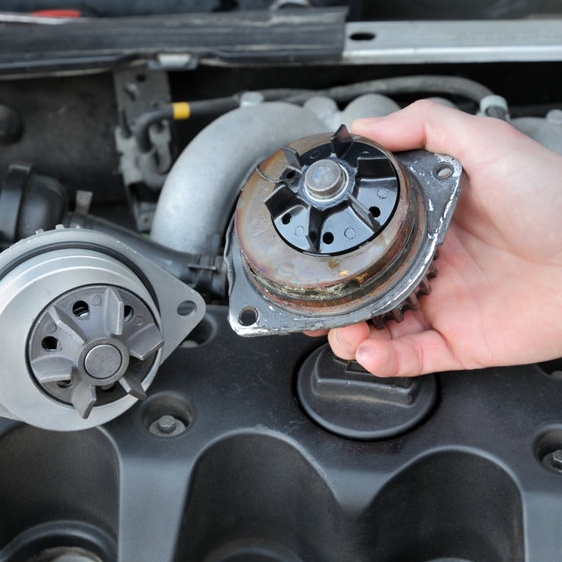
Image Source: www.j1autorepair.com
The Critical Role of the Water Pump
Think of your engine as a tiny furnace. Every time fuel ignites, it creates a lot of heat. If this heat isn’t managed, the engine components can warp, melt, or seize up, causing catastrophic failure. The water pump is the heart of the cooling system, pushing the coolant through:
- Engine Block and Cylinder Head: Coolant flows through passages in these areas, absorbing heat.
- Radiator: The hot coolant travels to the radiator, where it releases heat into the outside air, usually with the help of a fan.
- Thermostat: This valve controls the flow of coolant, opening when the engine reaches its optimal operating temperature and closing when it’s too cool.
- Hoses: These connect the various parts of the cooling system, allowing coolant to move freely.
When the water pump fails, this entire process grinds to a halt.
Signs of a Bad Water Pump: What to Watch For
Recognizing the symptoms of a failing water pump is key to preventing costly damage. Here are the most common signs:
1. Engine Overheating
This is the most obvious and serious symptom. If your car’s temperature gauge starts climbing into the red zone, or if a warning lights for temperature appear on your dashboard, it’s a strong indicator of a cooling system issue, and the water pump is a prime suspect. Engine overheating can happen rapidly, especially under load or in warm weather.
- Temperature Gauge Spike: The needle on your dashboard’s temperature gauge moves higher than normal, often reaching the “H” or red zone.
- Illuminated Coolant Temperature Warning Light: Many cars have a specific light that illuminates when the engine is too hot.
2. Coolant Leak
A coolant leak is another common sign of a bad water pump. Water pumps have seals and gaskets that can wear out over time. When these fail, coolant can seep out. You might notice:
- Puddles of Green, Orange, Pink, or Yellow Fluid: Coolant comes in various colors. If you see a puddle of this fluid under your car, especially near the front of the engine, it could be a coolant leak from the water pump.
- Low Coolant Level: Regularly checking your coolant reservoir and finding the level dropping without any visible leaks elsewhere could point to a slow leak from the pump.
- Corrosion or Wet Spots Around the Pump: Inspecting the water pump itself might reveal evidence of a leak, such as dried coolant residue or wetness.
3. Steam from Hood
If you see steam from hood, this is a very serious warning. It means the engine is extremely hot, and the coolant is boiling. This is a direct result of the cooling system not working, which is often caused by a failed water pump. Do not ignore steam from your hood.
- Visible Vapors: White or light-colored vapor escaping from under the hood, often accompanied by a sweet smell from the hot coolant.
4. Whining or Grinding Noise
The water pump contains a bearing that allows its impeller to spin. When this bearing wears out, it can create a distinct noise.
- High-Pitched Whining: This sound often gets louder as you accelerate. It can be similar to a power steering pump issue, so sometimes distinguishing can be tricky without a mechanic’s inspection.
- Grinding Sound: A more severe bearing failure might produce a grinding noise.
5. No Heat in Car
The heating system in your car uses hot coolant from the engine to warm the cabin. If your water pump isn’t circulating coolant, the heater core won’t receive hot coolant, leading to no heat in car, even on a cold day. While a clogged heater core or a faulty thermostat can also cause this, a bad water pump is a significant possibility.
6. Pitted or Corroded Pump Housing
Over time, the metal housing of the water pump can corrode, especially if the coolant has not been maintained properly or if incompatible additives have been used. This corrosion can weaken the housing and lead to leaks.
The Risks of Driving with a Bad Water Pump
The temptation to drive a car with a suspected bad water pump might arise if the overheating isn’t immediate or if you’re far from home. However, the risks are substantial and can escalate quickly.
1. Severe Engine Damage
This is the most significant risk. Continuous engine overheating can cause:
- Warped Cylinder Head: Extreme heat can cause the metal of the cylinder head to warp, breaking the seal between the head and the engine block. This can lead to blown head gaskets and coolant entering the combustion chambers or oil passages.
- Blown Head Gasket: A blown head gasket is a major engine repair that can be very costly.
- Seized Engine: In the most extreme cases, the engine’s internal metal parts can expand so much from the heat that they seize up, rendering the engine completely inoperable. This is often referred to as engine damage that requires a complete engine rebuild or replacement.
- Cracked Engine Block or Cylinder Head: The thermal stress from severe overheating can literally crack the metal components of the engine.
2. Stranded
A sudden failure of the water pump can lead to a rapid loss of coolant and immediate overheating. This can result in your car stalled and you being stranded by the roadside, often in an inconvenient or unsafe location.
3. Damage to Other Cooling System Components
When the water pump isn’t circulating coolant, other parts of the cooling system can be affected:
- Radiator: If the coolant stagnates and overheats, it can damage the radiator’s internal fins.
- Hoses: Extreme heat can cause rubber hoses to swell, burst, or crack.
- Thermostat: A stuck thermostat due to overheating or debris can further complicate the cooling system’s function.
4. Reduced Engine Performance and Efficiency
Even before catastrophic failure, a struggling water pump can lead to less efficient engine operation. The engine may run rougher, and fuel economy can suffer.
Driving with a Blown Water Pump: A Gambler’s Bet
The phrase “driving with a blown water pump” conjures images of extreme recklessness. If the pump has completely failed (e.g., the impeller has broken off, or the shaft has snapped), coolant is no longer circulating at all. The engine will overheat very rapidly. Continuing to drive in this state is akin to running your engine without oil – it’s a recipe for disaster.
Even if the pump is leaking but still circulating some coolant, you are on borrowed time. The system is compromised, and the risk of immediate and severe overheating is high.
The Consequences of Driving with a Bad Water Pump
The consequence of driving with a bad water pump is almost always negative and often very expensive.
- Costly Repairs: Replacing a water pump typically costs a few hundred to a thousand dollars, depending on the vehicle and labor rates. However, if you drive with a faulty pump and cause significant engine damage, you could be looking at repair bills in the thousands, potentially exceeding the value of the car.
- Inconvenience: Being stranded, needing to arrange for towing, and being without your vehicle while it’s being repaired are all significant inconveniences.
- Safety Hazards: An overheating engine can be a safety hazard. Steam escaping from the hood can obscure vision, and a sudden breakdown can occur in dangerous traffic situations.
When to Replace Your Water Pump
Water pumps are wear-and-tear components. While some can last the lifetime of a vehicle, many need replacement sooner, often around the time of timing belt replacement (as they are frequently driven by the timing belt).
- Mileage Recommendations: Check your vehicle’s maintenance schedule. Many manufacturers recommend replacing the water pump at specific mileage intervals, often around 60,000 to 100,000 miles.
- During Timing Belt Service: If your car has a timing belt, it’s highly recommended to replace the water pump at the same time. The labor involved is similar, and if the water pump fails shortly after a timing belt job, you’ll pay for a lot of the same labor again.
- Visible Signs of Failure: If you notice any of the signs of bad water pump mentioned earlier, it’s time for a replacement, regardless of mileage.
Troubleshooting and What to Do
If you suspect your water pump is failing, here’s what you should do:
- Pull Over Safely: If you notice engine overheating or steam from hood, pull over to a safe location as soon as possible. Turn off the engine to prevent further damage.
- Let the Engine Cool: Never open the radiator cap or coolant reservoir cap when the engine is hot. The pressurized hot coolant can spray out and cause severe burns. Wait at least 30-60 minutes for the engine to cool down considerably.
- Check Coolant Level: Once cool, carefully check the coolant level in the reservoir.
- Inspect for Leaks: Look for any obvious coolant leak around the water pump, hoses, and radiator.
- Call for Assistance: If you’ve confirmed a leak, experienced overheating, or heard strange noises, it’s best to call for a tow truck. Driving the car, even a short distance, could exacerbate the problem.
- Professional Diagnosis: A qualified mechanic can accurately diagnose the issue. They can inspect the water pump, check for leaks, and assess the overall condition of the cooling system.
Common Water Pump Failure Points
Water pumps fail for several reasons:
- Bearing Failure: The bearing supporting the impeller shaft can wear out, leading to leaks and noise.
- Seal Failure: The seal that prevents coolant from leaking out around the shaft can degrade and fail.
- Impeller Damage/Corrosion: The impeller is the part that actually moves the coolant. If it corrodes or breaks, it can’t do its job effectively. This can happen if the coolant is old, contaminated, or if the wrong type of coolant is used.
- Housing Cracks: The metal housing can develop cracks due to age, corrosion, or manufacturing defects.
Water Pump Replacement: A Necessary Investment
Replacing a water pump is a preventative maintenance task that can save you a lot of money and hassle in the long run. When a water pump is replaced, it’s often recommended to also:
- Flush the Cooling System: This removes old coolant, rust, and debris that can clog the system.
- Replace Coolant: Use the correct type and mixture of coolant recommended by your vehicle manufacturer.
- Inspect Hoses and Thermostat: While the system is drained, it’s a good time to check the condition of the hoses and thermostat.
Frequently Asked Questions (FAQ)
Q1: How far can I drive with a leaking water pump?
It’s best not to drive at all if you suspect a leaking water pump, especially if you’re experiencing overheating. Even a small leak can quickly turn into a major problem, leading to severe engine damage. It’s safer to get it towed.
Q2: Can I temporarily fix a leaking water pump?
Temporary fixes for water pumps are generally not recommended and are unlikely to be effective. Sealants might clog the system, and external patches are unlikely to hold under pressure and heat. It’s best to replace the pump.
Q3: How much does it cost to replace a water pump?
The cost can vary widely depending on the make and model of your car, whether the water pump is externally driven or driven by the timing belt, and your location. Generally, expect to pay anywhere from $400 to $1000 for parts and labor. If it’s part of a timing belt replacement, the labor might be bundled, potentially making it more cost-effective.
Q4: Is it safe to drive if my car’s heater isn’t working?
If your car’s heater isn’t working, it could be a sign of a low coolant level, a clogged heater core, or a faulty water pump. While not immediately catastrophic like severe overheating, it’s a sign something is wrong with the cooling system and should be addressed. If the lack of heat is due to a bad water pump, the engine will eventually overheat.
Q5: What is the lifespan of a car water pump?
A water pump’s lifespan can vary. Some can last over 100,000 miles, while others may need replacement much sooner, especially if they are driven by the timing belt and replaced during timing belt service intervals (e.g., every 60,000-100,000 miles). Regular coolant changes and maintenance are crucial for longevity.
Conclusion
The water pump is an unsung hero in your car’s engine. It works tirelessly to keep temperatures in check, ensuring your engine runs smoothly and efficiently. While the temptation to ignore minor leaks or odd noises might be present, the risks associated with driving with a bad water pump are too significant to overlook. Early detection of signs of bad water pump, prompt action, and professional repair are essential to prevent engine damage and costly repairs down the line. Treat any indication of a faulty water pump as an urgent matter and prioritize getting your vehicle serviced to avoid potentially catastrophic consequences.