
If your car’s airbags have deployed, you generally cannot safely drive the car. While the car might still be drivable in some very limited circumstances, it is strongly advised against doing so due to significant safety concerns and potential damage.
When airbags deploy, it signifies that your vehicle has experienced a significant impact, and the car’s safety systems have been activated to protect occupants. This event triggers a cascade of effects that compromise your vehicle’s structural integrity and its ability to provide ongoing protection. Driving a car with deployed airbags is not merely a cosmetic issue; it poses serious risks to both the driver and other road users.
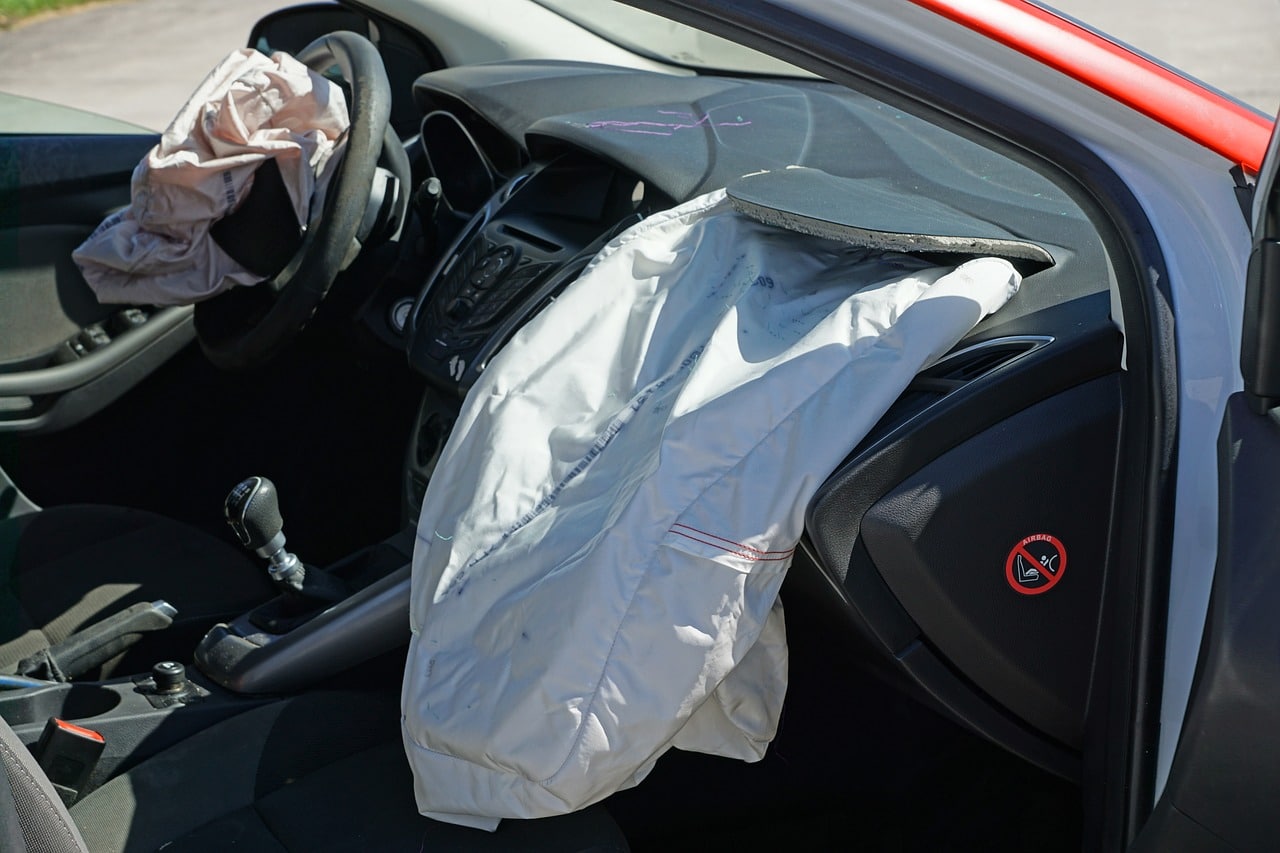
Image Source: www.safetyrestore.com
The Immediate Aftermath: Actions to Take
Experiencing an airbag deployment can be a jarring and disorienting event. Your immediate actions after airbag deployment are crucial for ensuring your safety and for the proper assessment and repair of your vehicle.
Safety First: Assessing the Situation
The moment the airbags deploy, your priority shifts to your personal safety and that of any passengers.
- Remain Calm: It’s natural to feel shaken, but try to stay as calm as possible.
- Check for Injuries: Assess yourself and any passengers for any injuries. Even if you feel fine, it’s wise to seek medical attention if there’s any doubt.
- Turn Off the Engine: Once it is safe to do so, turn off the engine. This helps prevent any further electrical issues.
- Exit the Vehicle Safely: If the car is in a dangerous location (like a busy road), ensure you exit it safely. Be aware of your surroundings.
- Contact Emergency Services: If there are injuries or significant damage, call emergency services (911 or your local equivalent).
- Contact Roadside Assistance/Insurance: Arrange for your vehicle to be towed to a safe location or directly to a repair shop. Do not attempt to drive it.
Post-Airbag Deployment Checks
Following the immediate actions, a thorough assessment of the car’s condition is paramount. This is where you start to gauge the extent of the damage and the implications for driving.
Visual Inspection of the Interior
The interior of your car will look significantly different after airbag deployment.
- Dashboard and Steering Wheel: The airbag covers on the dashboard and steering wheel will be torn open. You will likely see the deflated airbag bags themselves.
- Seatbelts: Check the seatbelts. Many seatbelt pre-tensioners also deploy with the airbags, meaning the seatbelts might be locked or frayed.
- Other Airbag Locations: Airbags can deploy from various locations, including side pillars, door panels, and even the roof. Look for any signs of deployed covers or torn upholstery.
System Status Indicators
The car’s dashboard will provide vital clues about its operational status.
- Airbag Warning Light: This is the most obvious indicator. The airbag warning light will almost certainly illuminate and remain on. This signifies that the airbag system is no longer functional and requires immediate attention.
- Other Warning Lights: Depending on the severity of the impact, other warning lights might also illuminate, indicating issues with braking, steering, or other critical systems.
The Impact of Airbag Deployment on Driving
When airbags deploy, it’s not just the bags themselves that are affected. The entire vehicle’s safety and operational integrity are compromised. Driving a car with deployed airbags is fraught with risks.
Safety Implications of Driving with Deployed Airbags
The primary function of airbags is to protect occupants during a collision. Once deployed, their protective capability is exhausted.
- Lack of Future Protection: The deployed airbags offer no further protection in any subsequent impact. If you were to be involved in another accident, you would be at a significantly higher risk of injury. This is the core aspect of airbag deployment safety – once deployed, that specific safety component is gone.
- Compromised Structural Integrity: The impact that triggered the airbag deployment may have also caused unseen structural damage to the vehicle. Driving with a compromised frame or chassis can lead to unpredictable handling and a heightened risk of serious accidents.
- Damage to Other Safety Systems: Airbag deployment is often linked to other safety systems, such as seatbelt pre-tensioners and potentially even the car’s electronic stability control. If these systems are also damaged or have malfunctioned, your ability to control the vehicle could be severely impaired.
Operational Concerns and Potential Damage
Beyond immediate safety, attempting to drive a car with deployed airbags can exacerbate existing problems and create new ones.
- Dashboard and Interior Damage: The deployment process can damage the dashboard, steering column, and various interior panels. Driving with these components compromised can lead to electrical shorts or other malfunctions.
- Visibility Issues: In some cases, the deflated airbags or debris from their deployment can obstruct your view, making it difficult to see the road clearly.
- Engine and Mechanical Issues: While not directly caused by airbag deployment, the force of the impact that triggered the airbags could have also affected the engine, transmission, or other mechanical components. Driving the car could worsen these issues.
Can You Legally Drive A Car If The Airbags Deploy?
The legality of driving a car with deployed airbags can vary by region and specific circumstances. However, in most jurisdictions, driving a vehicle that is not in a safe and roadworthy condition is illegal.
- Roadworthiness: A car with deployed airbags is generally not considered roadworthy. Its safety systems are compromised, and it poses a risk to the driver, passengers, and other road users.
- Insurance and Liability: Attempting to drive such a vehicle could also have implications for your insurance. If you are involved in another incident, your insurance coverage might be affected due to operating an unsafe vehicle.
- Inspection Requirements: Many regions require vehicles to pass regular safety inspections to be legally driven on public roads. A car with deployed airbags would likely fail such an inspection.
The Risks of Driving After Airbag Deployment
The decision to drive a car after airbag deployment, even if it appears to be minimally damaged, carries significant risks. These risks extend beyond the immediate aftermath.
Consequences of Driving with Deployed Airbags
The consequences can be far-reaching, impacting your safety, finances, and legal standing.
- Increased Risk of Injury in Future Accidents: As mentioned, the primary risk is the complete lack of protection from the deployed airbags. Any subsequent collision, even a minor one, could result in severe injuries.
- Worsening of Existing Damage: Attempting to drive the car can put additional stress on already compromised components, potentially leading to more extensive and costly repairs.
- Electrical System Malfunctions: The impact and deployment can damage wiring or sensors, leading to unpredictable electrical issues that could affect anything from lighting to the engine management system.
- Loss of Vehicle Control: If the impact affected the steering, suspension, or braking systems, driving the car could lead to a loss of control.
Damaged Airbags Driving: A Hazardous Proposition
The term “damaged airbags driving” succinctly captures the danger. It’s not just that the airbags are deployed; it’s that the entire system is now damaged and non-functional.
- The Airbag System Status: The airbag system status is critical. Once deployed, the system registers a fault. The airbag warning light is a clear signal that this system is not operational. Driving with this warning light on is a direct indication that a vital safety feature is offline.
- Resetting the Warning Light: It is impossible to simply reset the airbag warning light without addressing the underlying issues. The system needs to be thoroughly inspected, faulty components replaced, and the system recalibrated.
Airbag Replacement Car: The Necessary Path Forward
Repairing a vehicle after airbag deployment is a specialized process that requires professional expertise. It’s not a DIY job for the average car owner.
The Airbag Replacement Process
This is a comprehensive undertaking involving multiple stages.
- Diagnosis: Technicians will first diagnose the extent of the damage to the airbag system, including sensors, control modules, and wiring.
- Replacement of Deployed Airbags: All deployed airbags must be replaced with new, compatible units. This includes airbags in the steering wheel, dashboard, seats, and pillars.
- Replacement of Airbag Control Module: The airbag control module, which records the crash data, often needs to be replaced or reprogrammed.
- Replacement of Sensors: Impact sensors located throughout the vehicle need to be checked and likely replaced.
- Seatbelt Pre-tensioner Replacement: If the seatbelt pre-tensioners deployed, they also need to be replaced.
- Interior Trim Repair/Replacement: The damaged interior trim panels and airbag covers will need to be repaired or replaced to restore the vehicle’s interior aesthetics and to properly house the new airbags.
- System Calibration and Testing: After all component replacements, the entire airbag system needs to be calibrated and thoroughly tested to ensure it functions correctly in the event of a future collision.
When to Consider a Repair vs. Total Loss
The decision to repair a vehicle after airbag deployment often comes down to economics and the overall damage assessment.
- Cost of Repairs: The cost of airbag replacement car parts and labor can be substantial. This includes the airbags themselves, control modules, sensors, and interior repairs.
- Overall Vehicle Damage: If the impact that deployed the airbags also caused significant structural, mechanical, or cosmetic damage, the total repair cost might exceed the vehicle’s market value. In such cases, the car is often declared a “total loss” by the insurance company.
- Insurance Assessment: Your insurance company will conduct a thorough assessment to determine if the cost of repairs is economically viable.
Deciphering Your Car’s Airbag System Status
Knowing your airbag system status is crucial for making informed decisions about your vehicle. The most direct indicator is the airbag warning light.
Interpreting Warning Lights
- Airbag Warning Light ON: This indicates a fault within the airbag system. It could be a deployed airbag, a faulty sensor, a problem with the control module, or a wiring issue. Driving in this state means your airbags will not deploy if needed.
- Airbag Warning Light OFF (after initial check): This is generally a good sign, meaning the system self-checked and found no immediate faults. However, this does not guarantee functionality after a deployment event.
Professional Diagnosis is Key
- Diagnostic Tools: Auto repair shops use specialized diagnostic tools that can read error codes from the airbag control module. This provides a precise indication of what has gone wrong.
- Comprehensive Inspection: A mechanic will perform a comprehensive inspection of all airbag components, including sensors, wiring harnesses, and the control module itself.
Driving After Airbag Deployment: What the Experts Say
Automotive safety experts and manufacturers universally advise against driving a vehicle with deployed airbags.
Expert Opinions and Recommendations
- Prioritize Safety: The consensus is that any vehicle that has experienced airbag deployment should be considered unsafe to drive until it has been professionally inspected and repaired.
- Preventative Measures: While repairs are necessary, it’s also important to consider that the accident that caused deployment might have impacted other safety features. A full safety check is always recommended.
The Importance of Professional Repair
- Specialized Knowledge: Airbag systems are complex and involve pyrotechnic devices. Working on them requires specialized training and safety precautions.
- Correct Parts: Using the correct, OEM-spec (Original Equipment Manufacturer) replacement parts is vital for the system’s proper functioning.
Frequently Asked Questions (FAQ)
Here are some common questions people have when their car’s airbags have deployed.
Q1: My airbags deployed, but the car still drives. Is it safe to drive it home?
A1: While the car might mechanically still be drivable, it is not safe to drive it. The deployed airbags mean your primary safety system for frontal or side impacts is gone. You also risk further damage to the car and potential electrical malfunctions. It’s best to have it towed.
Q2: Will the airbag warning light go off on its own after deployment?
A2: No, the airbag warning light will not go off on its own. It is illuminated to indicate a fault in the system, meaning the airbags have deployed and the system needs repair. It can only be reset after the faulty components are replaced and the system is properly diagnosed and repaired.
Q3: Can I replace the airbags myself?
A3: It is strongly not recommended to attempt airbag replacement car components yourself. Airbags are pyrotechnic devices and can be dangerous if not handled correctly. Furthermore, the entire system needs professional diagnosis and calibration to ensure it functions properly in the future.
Q4: How long does airbag replacement take?
A4: The time it takes for airbag replacement car repairs can vary significantly depending on the extent of the damage. It can range from a few days to a couple of weeks if specialized parts need to be ordered or if there is significant associated bodywork.
Q5: What happens if I drive with damaged airbags?
A5: Driving with damaged airbags driving means you are driving without a critical safety feature. In the event of another collision, you and your passengers are at a much higher risk of severe injury. You may also face legal issues for driving an unroadworthy vehicle and potential problems with your insurance.
Q6: Does my car’s computer need to be reset after airbag deployment?
A6: Yes, the car’s airbag control module, which is a part of the vehicle’s computer system, typically needs to be replaced or reset and reprogrammed by a qualified technician after airbag deployment. This is crucial for the airbag system status to be properly updated and for the system to be ready for potential future events.
Q7: What are the immediate actions after airbag deployment?
A7: The immediate actions after airbag deployment should include staying calm, checking for injuries, turning off the engine if safe, exiting the vehicle cautiously, and arranging for towing. Do not attempt to drive the car.
Q8: Is car safety after airbag deployment compromised beyond just the airbags?
A8: Yes, car safety after airbag deployment is significantly compromised. The impact that triggered the airbags can also affect the car’s structural integrity, braking, steering, and other safety systems. The absence of functional airbags is the most immediate and critical compromise.
Q9: What are the consequences of driving with deployed airbags?
A9: The consequences of driving with deployed airbags include a greatly increased risk of severe injury in a future accident, potential further damage to the vehicle, and possible legal repercussions for operating an unsafe vehicle.
Q10: What are post-airbag deployment checks?
A10: Post-airbag deployment checks involve visually inspecting the interior for deployed airbags and damaged trim, checking the functionality of seatbelts, and noting the illuminated airbag warning light. A professional mechanical inspection is essential for a complete safety assessment.