
Image Source: images.ctfassets.net
Can You Lease a Car With Bad Credit: Your Options
Yes, you can lease a car with bad credit, but it generally comes with stricter requirements and potentially higher costs. Navigating the world of car leasing with a less-than-perfect credit score can seem daunting, but it’s not an impossible feat. Several avenues exist, from traditional dealerships to specialized lenders offering subprime auto financing. This guide will delve into your options, shedding light on how to approach car leasing with poor credit and what to expect.
Deciphering Your Credit Score and Leasing
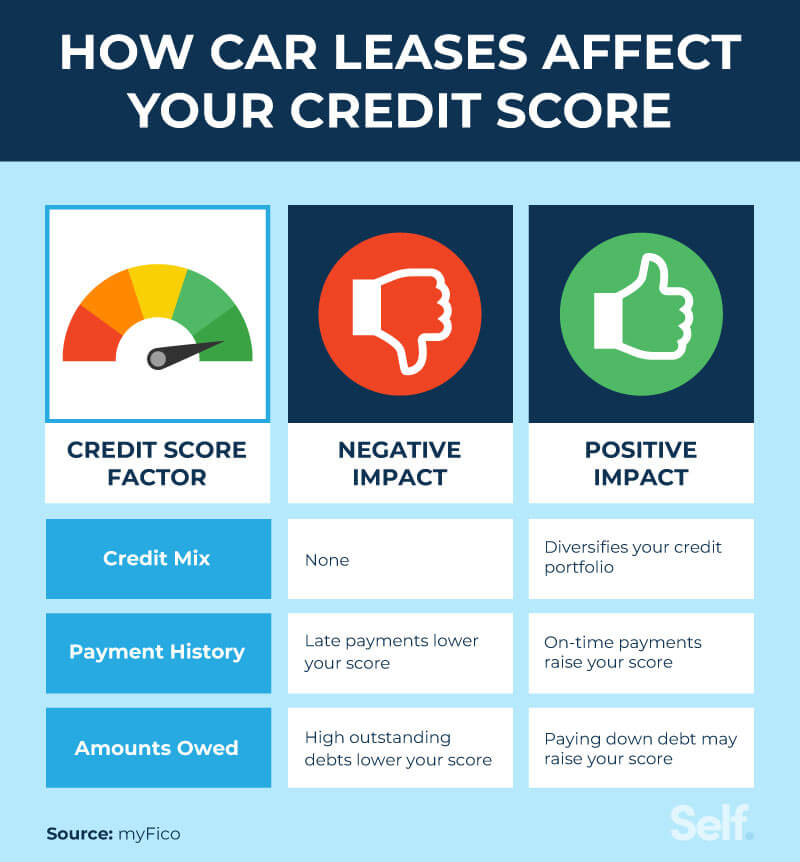
Your credit score is a three-digit number that tells lenders how likely you are to repay borrowed money. It’s a crucial factor in determining whether you’ll be approved for a car lease and what terms you’ll be offered. A low credit score, often considered below 620, can signal to leasing companies that you’re a higher risk.
What Affects Your Credit Score?
- Payment History: Paying bills on time is the most significant factor.
- Credit Utilization: How much of your available credit you’re using.
- Length of Credit History: How long you’ve had credit accounts.
- Credit Mix: The types of credit you have (e.g., credit cards, loans).
- New Credit: How often you apply for and open new credit accounts.
Your Pathways to Leasing a Car with Bad Credit
When your credit score isn’t stellar, leasing a car becomes a more challenging proposition. However, several strategies and types of financing can help you get behind the wheel of a new vehicle.
1. Dealerships Specializing in Bad Credit Car Loans
Many car dealerships have departments or relationships with lenders who cater to individuals with poor credit. These dealerships are often willing to work with buyers who have a lower credit score, offering bad credit car loans that can be structured into a lease agreement.
- How they work: These dealerships partner with lenders who specialize in subprime auto financing. These lenders look beyond just the credit score, considering other factors like income stability and employment history.
- What to expect:
- Higher down payments: You may be required to put down a larger sum of money upfront.
- Higher monthly payments: The interest rates will likely be higher to compensate for the increased risk.
- Shorter lease terms: Leases might be for a shorter duration, reducing the lender’s long-term exposure.
- Mileage restrictions: You might face tighter mileage limits than someone with good credit.
2. Online Lenders and Direct Lenders
The digital age has opened up more avenues for obtaining poor credit vehicle financing. Many online lenders focus on subprime auto financing and can approve lease applications from individuals with bad credit.
- Benefits:
- Convenience: Apply from the comfort of your home.
- Faster approvals: Often, you can get pre-approved quickly.
- Wider network of lenders: They often work with a broader range of financial institutions.
- Considerations:
- Thorough research is key: Ensure you’re dealing with reputable lenders.
- Read the fine print: Understand all fees, interest rates, and terms.
3. Buy Here Pay Here (BHPH) Dealerships
Buy here pay here car leases are a specific type of financing where the dealership itself acts as the lender. This model bypasses traditional banks and finance companies.
- How they operate: They finance the vehicle directly, and you make your payments to the dealership. This can be a lifeline for those with very poor credit or no credit history.
- Pros:
- Accessible for very low credit scores: They often have guaranteed car approval or very lenient approval processes.
- Focus on immediate need: They are often focused on getting you a car quickly.
- Cons:
- Higher interest rates: Rates can be significantly higher than traditional lenders.
- Limited vehicle selection: Cars may be older or have higher mileage.
- Potential for predatory practices: Be cautious and scrutinize the contract carefully.
- Limited reporting to credit bureaus: Some BHPH dealers may not report your payment history, which means you won’t build credit.
4. Credit Unions
While often associated with good credit, some credit unions may offer second chance auto loans or lease options to their members, even with less-than-perfect credit. Their member-focused approach can sometimes lead to more flexible terms.
- Membership requirements: You’ll need to meet the credit union’s membership eligibility criteria.
- Potential advantages:
- Potentially lower rates than subprime lenders: They might offer more competitive rates than specialized subprime lenders.
- More personalized service: Being a member can sometimes lead to better customer service.
5. Lease Buyout Options
If you previously leased a car and maintained it well, you might have an option to buy it at the end of the lease. If you have bad credit now, this could be a way to acquire a car you’re already familiar with, potentially with more favorable terms than leasing a new vehicle.
Strategies to Improve Your Chances of Leasing with Bad Credit
Even with a low credit score, you can take steps to improve your chances of approval and secure better lease terms.
1. Build a Solid Down Payment
A larger down payment significantly reduces the amount you need to finance, making you a less risky borrower. It shows the leasing company you’re committed to the lease and can reduce your monthly payments.
2. Offer a Larger Security Deposit
Similar to a down payment, a larger security deposit can reassure the leasing company about your ability to meet your obligations. This deposit is usually refundable at the end of the lease if all terms are met.
3. Co-signer with Good Credit
Having a co-signer with a strong credit history can be a game-changer. A co-signer essentially agrees to be responsible for the lease payments if you cannot make them. This significantly reduces the risk for the leasing company and can help you get approved for a lease with better terms.
- Important Note for Co-signers: A co-signer must fully understand the risks involved, as their credit score will be affected if payments are missed or late.
4. Consider a Longer Lease Term (with Caution)
While generally discouraged for those with good credit due to increased interest paid over time, a longer lease term might make your monthly payments more manageable with bad credit. However, be aware that this will increase the total cost of the lease.
5. Lease a Less Expensive Vehicle
Opting for a less expensive car or a model with a lower MSRP (Manufacturer’s Suggested Retail Price) will naturally result in lower monthly lease payments. This makes the lease more affordable and less risky for the lender.
6. Improve Your Credit Score Before Leasing
The best approach is often to improve your credit score before applying for a lease. This might mean delaying your car purchase for a few months.
- Actionable Steps:
- Pay down credit card balances to lower your credit utilization.
- Ensure all current bills are paid on time.
- Check your credit report for errors and dispute them.
- Consider a secured credit card to build positive payment history.
7. Shop Around and Compare Offers
Don’t settle for the first offer you receive. Different lenders and dealerships will have varying requirements and rates. By comparing offers, you can find the most favorable terms available to you.
What to Expect in a Lease Agreement with Bad Credit
Leasing a car with bad credit often means accepting certain conditions that protect the lender.
Higher Capitalized Cost (Cap Cost)
The cap cost is the price of the vehicle that the lease payments are based on. With bad credit, you’re likely to see a higher cap cost, which means higher monthly payments.
Higher Money Factor (Interest Rate)
The money factor is the equivalent of an interest rate in a lease. A higher money factor directly translates to higher financing costs over the lease term.
Lower Residual Value
The residual value is the estimated worth of the car at the end of the lease. While you don’t directly pay for this, a lower residual value can sometimes lead to higher payments if the leasing company factors in a greater depreciation risk.
Stricter Mileage Limitations
Leasing companies may impose lower annual mileage caps to reduce the vehicle’s depreciation and the risk of excessive wear and tear. Exceeding these limits can result in hefty per-mile charges.
Higher Security Deposit and Down Payment
As mentioned, a larger upfront payment is almost a certainty when leasing with bad credit. This helps offset the lender’s risk.
Alternatives to Leasing When You Have Bad Credit
If leasing proves too difficult or expensive with bad credit, several alternatives can still help you get a reliable vehicle.
1. Used Car Loans
Securing a loan for a used car is often easier than leasing with bad credit. Used cars have a lower purchase price, meaning smaller loan amounts and potentially lower interest rates. You can often find bad credit car loans specifically for used vehicles.
2. Bad Credit Car Rental (as a short-term solution)
While not a long-term ownership solution, bad credit car rental services can provide temporary transportation if you need a vehicle for a specific period. However, rental rates can be high, and they don’t help you build equity or credit.
3. Refinance Existing Loans
If you currently have a car loan with unfavorable terms due to past credit issues, consider refinancing. Lenders specializing in second chance auto loans might be able to offer you a better rate and payment structure.
4. Save Up for a Down Payment on a Purchase
The most straightforward way to buy a car with bad credit is to save up a substantial down payment. The more cash you put down, the less you need to finance, making lenders more willing to approve your loan.
Where to Find Leasing Options for Bad Credit
- Local Dealerships: Visit dealerships in your area and ask specifically about their programs for buyers with bad credit.
- Online Auto Finance Companies: Websites like Carvana, DriveTime, and regional online lenders often have tools to check your pre-approval status with bad credit.
- Credit Unions: Check with credit unions you might be eligible to join.
- Specialty Finance Companies: There are finance companies that solely focus on subprime auto financing. You can often find these by searching online for terms like “bad credit car lease” or “subprime car leasing.”
Frequently Asked Questions (FAQ)
Q1: What is the minimum credit score needed to lease a car?
While there isn’t a universal minimum, most leasing companies prefer a credit score of 670 or higher for standard approval. For those with bad credit, scores below 620 are generally considered. Some lenders specializing in subprime auto financing might work with scores as low as 500, but approval and terms will be more challenging.
Q2: Can I lease a car with no credit history?
Yes, it’s possible to get no credit car leases, but it typically requires a substantial down payment, a co-signer with good credit, or working with dealerships that specialize in first-time buyers or those with limited credit history.
Q3: How much down payment do I need to lease a car with bad credit?
The down payment amount can vary significantly, but expect to put down more than someone with good credit. It could range from a few hundred dollars to several thousand, depending on the vehicle, the lease terms, and the lender’s risk assessment.
Q4: What are the risks of leasing a car with bad credit?
The main risks include higher monthly payments, higher interest rates (money factor), stricter mileage limits, potential for higher fees for wear and tear, and the possibility of being locked into a lease you can’t afford if your financial situation changes. Also, if you can’t make payments, your credit could be further damaged.
Q5: Is it better to lease or buy a car with bad credit?
For many with bad credit, buying a used car with a loan is often a more practical and cost-effective option. You can build equity, and the overall costs might be lower than a lease with inflated rates and fees. Leasing requires strict adherence to terms, which can be difficult with unstable finances.
Q6: What does “guaranteed car approval” mean in the context of bad credit leasing?
“Guaranteed car approval” or guaranteed car approval is often a marketing tactic. While some dealerships or lenders might have very lenient approval processes for those with bad credit, very few offer truly “guaranteed” approval without any conditions or credit checks. It usually means they have programs designed to approve more people, but you still need to meet certain income and residency requirements, and the terms might be unfavorable.
Q7: Can I get a lease with bad credit if I have a co-signer?
Yes, having a co-signer with good credit significantly increases your chances of getting approved for a car lease, even with bad credit. The co-signer’s creditworthiness reassures the lender.
Q8: What are the pros and cons of buy here pay here car leases?
- Pros: Accessible for very low credit scores, potentially quick approval.
- Cons: Very high interest rates, limited vehicle choice, potential for predatory practices, may not report to credit bureaus, impacting credit building.
By thoroughly researching your options, preparing yourself with a strong down payment or a co-signer, and carefully reviewing all lease agreements, you can successfully lease a car even with a less-than-perfect credit score.