
Yes, toothpaste can damage car paint, especially if it contains abrasive ingredients. While some DIY enthusiasts promote toothpaste for car scratches, it’s a risky practice that can lead to permanent damage if not done correctly.
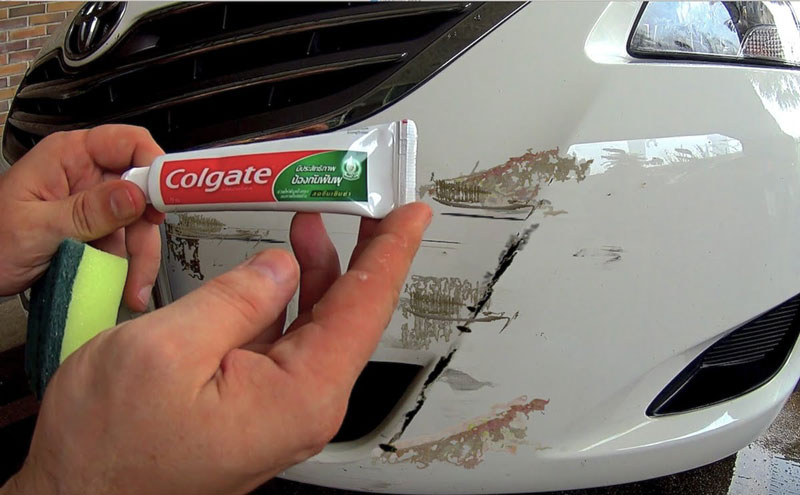
Image Source: ceramicpro.com
The Allure of Toothpaste for Car Paint Issues
Many people turn to common household items when faced with minor blemishes on their car’s paint. Toothpaste, readily available in most homes, has gained a reputation among some as a quick fix for things like minor scuffs and hazy headlights. The idea is that the mild abrasives in toothpaste can help buff out imperfections. However, this approach is fraught with peril and can easily escalate a small problem into a much larger, more expensive one.
Why the Toothpaste Myth Persists
The belief that toothpaste can be used for car paint correction likely stems from its common use as a mild abrasive for cleaning and polishing various surfaces. Many toothpastes contain ingredients like hydrated silica, calcium carbonate, and aluminum hydroxide, which are designed to scrub away plaque and surface stains from teeth. When applied to car paint, these same abrasives can, in theory, remove a thin layer of clear coat or paint to level out minor imperfections. This has led to the widespread belief in toothpaste car cleaning hacks, especially for issues like white scuff marks or faint scratches. The simplicity and affordability make it an attractive option for DIY car paint correction.
What’s Actually in Toothpaste?
To grasp why toothpaste might seem like a solution, it’s important to look at its primary components. Toothpastes are formulated with several key ingredients:
- Abrasives: These are crucial for cleaning. Examples include hydrated silica, calcium carbonate, and aluminum hydroxide. Their job is to physically remove plaque and surface stains from teeth.
- Fluoride: Primarily for strengthening enamel and preventing cavities.
- Detergents: Like Sodium Lauryl Sulfate (SLS), which create foam and help lift debris.
- Humectants: To keep toothpaste from drying out.
- Binders: To hold the ingredients together.
- Flavoring and Sweeteners: For taste and freshness.
It’s the abrasives that are the concern when it comes to car paint. Their effectiveness in cleaning teeth is directly related to their ability to grind away microscopic particles. This is precisely the characteristic that can cause significant harm to your car’s delicate paint layers.
The Dangers of Using Toothpaste on Your Car Paint
While the intention behind using toothpaste for car scratches might be good, the reality is often far from it. The very abrasiveness that makes toothpaste effective for teeth can wreak havoc on your car’s clear coat and paint.
Abrasive Ingredients and Their Impact
The abrasive particles in toothpaste, while considered safe for tooth enamel in controlled amounts, are often too harsh for automotive clear coats.
- Scratching: The fine grit can create microscopic scratches on the paint surface. Over time, or with vigorous rubbing, these small scratches can aggregate, dulling the finish and making it appear hazy. This is the opposite of what you want when trying to achieve a glossy car paint restoration.
- Wearing Down the Clear Coat: Car paint has a multi-layer system, with the clear coat being the outermost protective layer. This layer is crucial for gloss and protection against UV rays and environmental contaminants. Abrasive toothpaste can wear down this clear coat, exposing the color coat beneath, making it more susceptible to damage.
- Uneven Buffing: It’s incredibly difficult to control the pressure and coverage when applying toothpaste. This can lead to uneven abrasion, creating dull spots or even visible scratch marks where the toothpaste was applied more aggressively.
Beyond the Scratches: Other Potential Issues
The damage isn’t limited to just creating new scratches.
- Dulling the Finish: Even if toothpaste doesn’t create deep scratches, it can easily remove the protective wax layer or degrade the clear coat’s smoothness, leading to a dull, lifeless appearance. This can make the car look older and less appealing.
- Etching: Some toothpastes contain mild acids or whitening agents that could potentially etch certain types of paint or clear coat if left on for too long or rubbed too vigorously. This can cause permanent discoloration or damage.
- Residue: Toothpaste can dry into a chalky residue that is difficult to remove completely, especially from textured surfaces like trim. This residue can attract dirt and grime, exacerbating the appearance of a dirty car.
The Difference Between Toothpaste and Proper Car Products
It’s essential to distinguish between household cleaning agents and specialized automotive products.
- Dedicated Car Polishes and Compounds: Products designed for car paint scratch repair or DIY car paint correction contain carefully calibrated abrasives. These abrasives are engineered to break down predictably, providing a controlled level of abrasion that can effectively remove minor imperfections without damaging the clear coat. They are formulated to work with the specific properties of automotive finishes.
- Car Wax: Car wax provides a protective layer and enhances gloss. Toothpaste, on the other hand, will strip away any existing wax, leaving the paint vulnerable. Trying to use toothpaste as a car wax would be counterproductive.
When is Toothpaste for Car Scratches a “Myth” and When is it a “Risk”?
The idea of using toothpaste for car scratches is often promoted as a simple DIY solution, but it’s crucial to understand the context and potential consequences.
The “Success” Stories: What They Really Mean
Some individuals might achieve what they perceive as success using toothpaste on minor issues. This often involves very light, shallow scuffs or white marks where the paint isn’t actually scratched, but rather some foreign material (like plastic from another car) has transferred onto the surface. In these rare cases, the mild cleaning action of toothpaste might remove the transferred material without significant paint damage. However, these instances are outliers, and the risk of causing harm remains incredibly high. It’s more likely that a quick wash and a dedicated paint cleaner would have achieved the same result with zero risk.
When Toothpaste Car Cleaning Hacks Go Wrong
More often than not, attempts to use toothpaste on car paint result in disappointment and further damage.
- Exaggerated Scratches: What might have been a very minor, superficial scratch can be turned into a much more noticeable mark or a dull haze due to aggressive scrubbing with abrasive toothpaste.
- Localized Damage: Trying to fix a small scratch can lead to a larger area of dulled or damaged paint if the toothpaste is applied unevenly or with too much force.
- Increased Repair Costs: What started as a minor cosmetic issue can turn into a need for professional car paint scratch repair, significantly increasing the cost of rectification.
Alternatives: Safer and More Effective Solutions
Instead of risking your car’s paint with toothpaste, there are far safer and more effective methods for addressing minor paint imperfections.
The Right Products for the Job
For virtually any minor paint issue, there is a specialized automotive product that is designed to handle it safely and effectively.
- Clay Bars: Excellent for removing bonded contaminants that dull the paint.
- Rubbing Compounds: Contain coarser abrasives than polishes, designed to remove deeper scratches and oxidation.
- Polishing Compounds: Contain finer abrasives for removing swirl marks and light scratches, restoring gloss.
- Scratch Removers: Specifically formulated to target and remove light to moderate scratches.
- Automotive Waxes and Sealants: For protection and enhancing shine after correction.
Understanding DIY Car Paint Correction
If you’re looking to tackle minor paint imperfections yourself, consider these steps for proper DIY car paint correction:
- Thorough Wash and Dry: Start by cleaning your car meticulously. Any dirt or grit left on the surface can cause more scratches during the correction process.
- Inspection: Identify the specific type of imperfection you’re dealing with (swirl marks, light scratches, oxidation).
- Choose the Right Product: Select a product based on the severity of the imperfection. For light scratches, a polishing compound or a dedicated scratch remover is usually sufficient.
- Test Spot: Always test a product on an inconspicuous area first to see how it affects the paint.
- Application: Use clean microfiber applicator pads and apply the product with gentle, even pressure. Work in small sections.
- Buffing: Use clean microfiber towels to gently buff away the product.
- Protection: Once you’ve corrected the paint, apply a good quality car wax or sealant to protect your work and enhance the shine.
The Effectiveness of Toothpaste Car Polish?
The idea of toothpaste car polish is a misconception. Toothpaste is not formulated as a car polish. True car polishes contain specific abrasives that break down progressively as you work them, allowing for a controlled removal of paint defects. Toothpaste abrasives do not break down in the same manner. Instead, they tend to remain as harsh particles, capable of creating more damage. The “polish” you might achieve with toothpaste is likely the result of simply buffing the surface, which can temporarily remove some surface dullness, but at the cost of the clear coat’s integrity.
Homemade Car Paint Cleaner vs. Professional Solutions
While the idea of a homemade car paint cleaner using toothpaste is tempting for its perceived simplicity, it’s crucial to understand the risks. A truly effective and safe homemade car paint cleaner would need to replicate the carefully balanced formulations of commercial products. This is nearly impossible with common household items. For instance, a mild all-purpose cleaner diluted correctly can be safe for washing, but it won’t offer any correction properties. Trying to add abrasives like toothpaste to a homemade cleaner is where the danger lies.
Toothpaste Car Scratch Removal: A False Economy
When you consider the potential cost of repairing paint damaged by toothpaste, the idea of toothpaste car scratch removal becomes a false economy. A small scratch that might have been fixed with a $10 scratch remover product could end up costing hundreds of dollars for professional repair if made worse by using toothpaste.
The Role of Abrasive Toothpaste Car Paint Interaction
The interaction between abrasive toothpaste and car paint is the core of the problem.
Understanding the Scratch Repair Process
Effective car paint scratch repair involves carefully removing a very thin layer of the clear coat and paint around the scratch. This process levels the surface, so light reflects evenly, making the scratch disappear.
- Controlled Abrasion: Professional compounds and polishes are designed for this. They have consistent grit sizes that can be managed.
- Lubrication: Many automotive compounds include lubricants to help the abrasive particles glide smoothly and reduce the risk of further scratching. Toothpaste lacks this.
Why Toothpaste is Not a Toothpaste Car Wax Substitute
Toothpaste does not contain any ingredients that can protect or enhance the shine of car paint in the way a car wax does. In fact, as mentioned, it will strip away existing wax. Attempting to use toothpaste as a car wax is akin to trying to use shampoo as a conditioner – it’s designed for a different purpose and will likely have negative effects.
The Long-Term Consequences of Toothpaste on Car Paint
The damage caused by abrasive toothpaste can have lasting effects on your vehicle’s appearance and value.
Diminished Gloss and Clarity
Over time, repeated or aggressive use of toothpaste will degrade the clear coat. This leads to a permanent loss of gloss and clarity. The paint will appear dull, faded, and lack that deep, reflective shine.
Reduced Resale Value
A car with damaged or dulled paintwork will fetch a significantly lower price on the resale market. Potential buyers are deterred by poor paint condition, often assuming the rest of the vehicle has also been neglected. Investing in proper paint care is an investment in your car’s long-term value.
The Difficulty of Toothpaste Car Paint Restoration
Once the clear coat has been compromised by harsh abrasives, true toothpaste car paint restoration becomes challenging, if not impossible, without professional intervention. Restoring a heavily dulled or scratched finish often requires wet sanding, machine polishing with professional-grade compounds, and meticulous attention to detail. These are processes that toothpaste cannot replicate.
Smart Car Care Practices
To keep your car’s paint looking its best and avoid costly mistakes, adopt these smart car care practices:
Regular Washing and Drying
- Use a pH-neutral car wash soap.
- Use the two-bucket method to prevent dirt from being reintroduced to the paint.
- Dry with clean, soft microfiber drying towels.
Protecting Your Paint
- Waxing/Sealing: Apply a quality car wax or paint sealant every few months. This adds a protective layer against UV rays, dirt, and minor abrasives.
- Ceramic Coatings: For longer-lasting protection and enhanced gloss, consider a ceramic coating.
- Paint Protection Film (PPF): For high-impact areas like the front bumper and hood, PPF offers the best physical protection against chips and scratches.
Dealing with Imperfections
- Identify the Cause: Understand what caused the blemish. Is it a transfer stain, a light scratch, or something else?
- Use Appropriate Products: Always opt for products specifically designed for automotive paint. For minor scuffs, a dedicated paint cleaner or mild polish is usually sufficient. For deeper scratches, you might need a rubbing compound or even professional attention.
- Microfiber Towels are Key: Always use clean, high-quality microfiber towels for applying and removing any automotive cleaning or polishing product.
Conclusion: Steer Clear of the Toothpaste Trap
While the allure of a quick, cheap fix is understandable, using toothpaste on your car paint is a gamble with potentially high stakes. The abrasive nature of toothpaste is designed for teeth, not for the delicate layers of automotive paint. The risks of scratching, dulling, and permanently damaging your clear coat far outweigh any perceived benefits.
Instead of resorting to questionable DIY methods, invest in proper automotive cleaning and detailing products. Seek out advice from reputable car care professionals or resources. By using the right tools and techniques, you can effectively maintain your car’s pristine appearance, protect its value, and achieve a showroom shine that toothpaste could only ever dream of. Remember, for successful car paint scratch repair or any form of DIY car paint correction, using products specifically formulated for your vehicle’s finish is paramount. Don’t let toothpaste car cleaning hacks lead you down a path of expensive mistakes.
Frequently Asked Questions (FAQ)
Q1: Can toothpaste really remove car scratches?
A1: While very mild toothpaste might temporarily mask an extremely shallow scuff by slightly abrading the surrounding clear coat, it is highly unlikely to effectively “remove” a true scratch. More importantly, it risks creating more damage, such as hazing or additional micro-scratches, by using abrasives not designed for car paint.
Q2: What kind of toothpaste is the worst for car paint?
A2: Toothpastes labeled as “whitening” or those with very coarse gritty textures (like some gel toothpastes or those with large polishing particles) are generally the riskiest for car paint due to their higher abrasive content.
Q3: If I accidentally used toothpaste, what should I do?
A3: Immediately wash the area thoroughly with car wash soap and water. Then, inspect the paint for any signs of dullness or new scratches. If damage is visible, consider using a dedicated automotive polish with very fine abrasives to gently try and restore the shine, or consult a professional detailer.
Q4: Are there any safe household items that can be used for minor car paint issues?
A4: While not a direct substitute for specialized products, very diluted dish soap can be used for washing. For minor scuffs, sometimes isopropyl alcohol (rubbing alcohol) diluted with water can help remove transfer stains without damaging the clear coat, but always test in an inconspicuous area first. For actual paint correction, always use automotive-specific products.
Q5: What’s the difference between toothpaste and actual car polish?
A5: Car polish contains finely engineered abrasives that are designed to break down into finer particles as they are worked, allowing for controlled abrasion that gently removes defects without causing excessive wear on the clear coat. Toothpaste abrasives are often harder, don’t break down predictably, and can be too aggressive for automotive finishes, leading to scratching and dulling.