
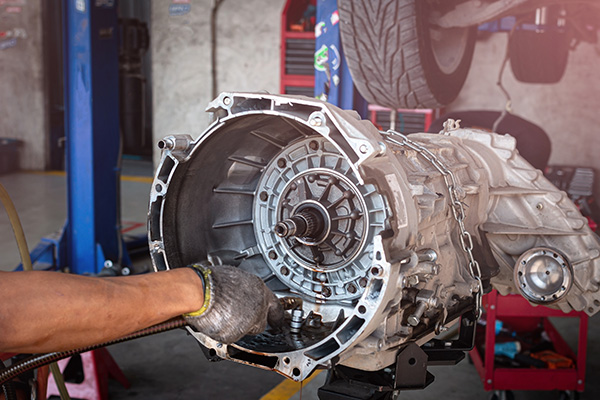
Image Source: www.budstransmissionservice.com
Car Shakes? Can The Transmission Cause The Car To Shake?
Yes, a malfunctioning transmission can absolutely cause your car to shake. This shaking can manifest in various ways, from a subtle shudder during acceleration to more violent vibrations felt throughout the vehicle. If you’re experiencing unexplained shaking, a problem with your transmission is a very real culprit.
The intricate workings of a car’s transmission are designed to smoothly transfer power from the engine to the wheels. When something goes wrong within this complex system, the intended flow of power can become disrupted, leading to a variety of unpleasant symptoms, including shaking. This issue can affect both automatic and manual transmissions, though the specific causes and sensations might differ.
Deciphering Transmission-Related Shaking
When your car shakes, it’s natural to feel concerned. The transmission is a critical component, and its smooth operation is vital for a safe and comfortable driving experience. A shaking sensation often indicates that something is not operating as it should within the gearbox. This could be due to a variety of issues, ranging from simple fluid problems to more serious internal component wear.
Common Transmission Issues Leading to Shaking
Several specific problems within the transmission can trigger shaking. Let’s delve into some of the most common culprits:
- Transmission Shudder: This is a distinct type of vibration that typically occurs during gear changes or when the torque converter is engaged. It feels like a rapid, fluttering sensation.
- Gearbox Vibration: This is a more generalized vibration that can be felt through the steering wheel, the seat, or even the pedals. It might be more noticeable at certain speeds or during specific driving maneuvers.
- Transmission Slip: When a transmission slips, it means it’s not fully engaging a gear. This can lead to a loss of power, a delay in acceleration, and often a noticeable shudder or jerking motion.
The Role of Transmission Fluid
Transmission fluid is the lifeblood of your transmission. It lubricates moving parts, cools the transmission, and provides hydraulic pressure for shifting gears (in automatic transmissions). Problems with transmission fluid are a frequent cause of shaking.
- Low Transmission Fluid: If the fluid level is too low, the transmission may not have enough hydraulic pressure to engage gears properly. This can lead to slipping and shuddering.
- Dirty or Degraded Transmission Fluid: Over time, transmission fluid can become contaminated with debris from worn internal parts. It can also degrade due to heat. Dirty fluid loses its lubricating properties, leading to increased friction and wear, which can cause shaking.
- Incorrect Transmission Fluid: Using the wrong type of transmission fluid can also cause issues. Different transmissions require specific fluid formulations, and using the wrong one can disrupt the hydraulic pressures and lubrication.
Torque Converter Issues
For vehicles with automatic transmissions, the torque converter plays a crucial role in transmitting power from the engine to the transmission. It’s essentially a fluid coupling that allows the engine to spin independently of the transmission when the car is stopped.
- Torque Converter Issues: Problems with the torque converter, such as internal damage, worn clutch plates, or faulty lock-up mechanisms, can cause significant shaking. This shaking is often felt as a vibration that intensifies with engine speed or when the transmission is trying to engage. A failing torque converter can also lead to a transmission shudder.
Transmission Mounts and Their Importance
The transmission is mounted to the vehicle’s chassis by rubber mounts. These mounts are designed to absorb vibrations and isolate the cabin from the normal operating noises and movements of the transmission.
- Loose Transmission Mount: If a transmission mount becomes loose, worn, or broken, it can no longer effectively absorb vibrations. This can transmit more of the transmission’s normal operating movements directly into the car’s body, resulting in noticeable shaking or jolting, especially when shifting gears or accelerating.
Internal Transmission Wear and Tear
Over time, the various internal components of a transmission can wear out. This wear can lead to imprecise movements and increased friction, both of which can cause shaking.
- Worn Transmission Gears: Gears within the transmission are responsible for changing the gear ratios. If these gears become worn, chipped, or damaged, they may not mesh together smoothly. This can create grinding noises and vibrations that are felt as shaking.
- Transmission Bearing Failure: Bearings are essential for the smooth rotation of shafts within the transmission. If a bearing fails or becomes worn, it can cause increased friction and resistance. This can lead to a distinct gearbox vibration or a humming noise that changes with speed.
Automatic Transmission Malfunction
Automatic transmissions are more complex than manual transmissions, with a multitude of electronic and hydraulic components working together.
- Automatic Transmission Malfunction: An automatic transmission malfunction can manifest in numerous ways, including rough shifting, delayed engagement, and shaking. Issues with solenoids, the valve body, or the transmission control module can all contribute to these symptoms. For instance, a faulty solenoid might not properly control the flow of transmission fluid, leading to jerky shifts and vibrations.
Manual Transmission Issues
While often considered more robust, manual transmissions are not immune to problems that can cause shaking.
- Manual Transmission Jerk: A manual transmission jerk can occur during acceleration or when engaging the clutch. This is often due to issues with the clutch itself, such as a worn clutch disc or pressure plate. However, internal transmission problems, like worn synchronizers or shift forks, can also cause jarring or jerky movements that are perceived as shaking.
Identifying the Source of Shaking
Pinpointing the exact cause of your car’s shaking requires a systematic approach. While the transmission is a strong possibility, other components can also be responsible.
Other Potential Causes of Car Shaking
It’s crucial to consider other systems that could be causing your car to shake:
- Wheel and Tire Issues:
- Unbalanced Tires: If your tires are not properly balanced, they can cause a vibration that typically starts at higher speeds and is felt in the steering wheel.
- Bent Wheel Rim: A bent rim can also lead to an imbalance and cause shaking.
- Uneven Tire Wear: Tires with uneven wear patterns can create vibrations.
- Damaged Tire: A bulge or separation in a tire can cause severe shaking.
- Brake System Problems:
- Warped Brake Rotors: When you apply the brakes, if the rotors are warped, you’ll often feel a pulsing or shaking sensation through the brake pedal and steering wheel.
- Suspension and Steering Components:
- Worn Ball Joints or Tie Rod Ends: These components connect your wheels to the steering system. Wear in these parts can lead to play and cause shaking, especially when turning or going over bumps.
- Damaged CV Joints: Constant Velocity (CV) joints are part of the drivetrain. If they are worn or damaged, they can cause a vibration or clicking noise, particularly when turning.
- Engine Misfires:
- Spark Plugs or Ignition Coils: If your engine is misfiring due to faulty spark plugs, ignition coils, or fuel injectors, it can cause the engine to run rough, leading to vibrations that might be mistaken for transmission issues.
How to Differentiate Transmission Shaking from Other Causes
Distinguishing transmission-related shaking from other causes often relies on when and how the shaking occurs.
- Shaking during acceleration: This can point to transmission issues like transmission slip or torque converter issues. It could also be related to engine misfires.
- Shaking during braking: This is almost always a brake system issue, specifically warped rotors.
- Shaking at specific speeds: If the shaking only occurs within a narrow speed range, it might be a tire imbalance or a driveshaft issue. If it happens at various speeds, especially when shifting, transmission is a higher probability.
- Shaking when turning: This often indicates problems with the suspension or CV joints.
- Shaking that feels “clunky” or “jerky”: This is a strong indicator of transmission problems, such as worn gears or a malfunctioning automatic transmission.
- Shaking that feels like a “flutter” or “buzz”: This could be a transmission shudder, often related to the torque converter.
Investigating Transmission-Specific Causes
If you suspect your transmission is the source of the shaking, a mechanic will perform a series of checks.
Checking Transmission Fluid
The first step in diagnosing transmission issues is often checking the transmission fluid.
- Procedure:
- Ensure the car is on a level surface.
- Start the engine and allow it to warm up to normal operating temperature.
- With the engine running and the transmission in park (or neutral, depending on the vehicle), locate the transmission fluid dipstick.
- Remove the dipstick, wipe it clean, reinsert it fully, and pull it out again.
- Check the fluid level against the markings on the dipstick.
- Examine the fluid’s color and condition. Healthy fluid is typically bright red and has a clean smell. Brown, burnt-smelling, or gritty fluid indicates a problem.
Inspecting Transmission Mounts
Worn or broken transmission mounts are a relatively common cause of vibration.
- Visual Inspection: A mechanic will visually inspect the transmission mounts for cracks, tears, or signs of separation in the rubber. They will also check if the bolts securing the mounts are tight.
Diagnostic Testing
Modern vehicles often require specialized diagnostic tools to identify transmission problems.
- Scan Tools: Mechanics use scan tools to read error codes from the transmission control module (TCM). These codes can provide valuable clues about the nature of the malfunction.
- Fluid Pressure Tests: For automatic transmissions, testing the hydraulic fluid pressure can reveal issues within the valve body or pump.
- On-Road Testing: Driving the vehicle under various conditions helps a mechanic replicate the shaking and identify when it occurs.
Repairing Transmission Shaking
The repair approach will depend entirely on the diagnosed cause.
Addressing Transmission Fluid Problems
- Fluid and Filter Change: If the fluid is dirty or low, a fluid and filter change is often the first recommended step. This can resolve many minor shaking issues.
- Fluid Leak Repair: If a leak is found, the source of the leak (e.g., a faulty seal, gasket, or pan) must be repaired to maintain the correct fluid level.
Replacing Worn Components
- Torque Converter Replacement: If torque converter issues are identified, the torque converter will need to be replaced. This is a significant repair.
- Transmission Mount Replacement: If a loose transmission mount is the cause, replacing the worn or broken mount is usually a straightforward repair.
- Gear and Bearing Replacement: For worn transmission gears or transmission bearing failure, internal transmission repairs or a full transmission rebuild might be necessary. This is typically a complex and costly repair.
Automatic Transmission Repair
- Solenoid Replacement: Faulty solenoids can often be replaced individually.
- Valve Body Repair: The valve body, which controls fluid flow, can sometimes be cleaned, repaired, or replaced.
- Transmission Control Module (TCM) Issues: In some cases, the TCM itself might need to be reprogrammed or replaced.
Manual Transmission Repair
- Clutch Replacement: If the shaking is related to clutch engagement, the clutch assembly will need to be replaced.
- Synchronizer or Shift Fork Repair: Problems with internal manual transmission components might require partial disassembly and repair of the gearbox.
When to Seek Professional Help
If you notice your car shaking, it’s always best to have it inspected by a qualified mechanic. Ignoring the problem can lead to more extensive damage and costly repairs down the line.
Signs You Shouldn’t Ignore
- Persistent Shaking: If the shaking doesn’t go away or worsens over time.
- Accompanying Noises: Grinding, clunking, or whining sounds along with the shaking.
- Shifting Problems: Difficulty shifting gears, rough shifts, or the transmission “slipping” out of gear.
- Warning Lights: The “Check Engine” light or a dedicated transmission warning light illuminating on your dashboard.
- Fluid Leaks: Visible transmission fluid leaks under your vehicle.
The Importance of Regular Maintenance
Preventative maintenance can help avoid many transmission issues.
- Regular Fluid Checks: Checking your transmission fluid level and condition periodically.
- Scheduled Fluid Changes: Following your vehicle manufacturer’s recommendations for transmission fluid and filter changes.
- Promptly Addressing Leaks: Notifying your mechanic immediately if you notice any fluid leaks.
Frequently Asked Questions (FAQ)
Q1: Can a car shake only when accelerating?
Yes, a car can shake specifically during acceleration. This often points to issues like engine misfires, problems with the driveshaft, or transmission slip as the transmission struggles to apply power.
Q2: What does transmission shudder feel like?
Transmission shudder typically feels like a rapid, vibrating sensation, almost like driving over rumble strips, often occurring when the torque converter is engaged or during gear shifts.
Q3: Is it safe to drive if my car is shaking?
It’s generally not advisable to drive your car if it’s shaking significantly, especially if the shaking is new or worsening. It could be a sign of a serious problem that could lead to further damage or unsafe driving conditions.
Q4: How much does it cost to fix transmission shaking?
The cost of fixing transmission shaking can vary greatly. A simple transmission fluid change might cost a few hundred dollars, while replacing a torque converter or rebuilding a transmission can cost thousands of dollars.
Q5: Can a bad CV joint cause shaking?
Yes, a worn or damaged CV joint can cause shaking, particularly when turning. It might also produce clicking or grinding noises.
Q6: My car shakes when I brake, what’s wrong?
Shaking when braking is almost always due to warped brake rotors. This is a different issue than transmission-related shaking.
Q7: What is a loose transmission mount?
A loose transmission mount is a component that secures the transmission to the car’s frame. When it wears out or breaks, it fails to absorb vibrations, leading to shaking felt in the cabin.
By understanding the potential causes and symptoms, you can be better equipped to communicate with your mechanic and get your car back to smooth, reliable operation.